26 Low Ponytail Hairstyles That Are Simple Yet Stunning
A hairstyle that takes ninety seconds shouldn’t look this good. Low ponytail hairstyles occupy a rare position in beauty: genuinely fast, almost universally flattering, and appropriate everywhere from a Tuesday morning meeting to the Oscars red carpet. Bottega Veneta and Victoria Beckham both sent low ponytails down the runway this season, and Dior’s Fall/Winter 2026 version, tied at the hollow of the neck with an extreme off-centre part, was arguably the ponytail of the year.
Something has shifted in how they’re worn. Celebrity hairstylist Evanie Frausto has described a real change happening after years of ultra-snatched, sculpted hair, with people now craving something that feels romantic and human again. That’s why the loose, piecey low pony has quietly overtaken the mirror-slick version at award shows. Both approaches appear below, along with twenty-four others.
Sleek and Polished Low Ponytails
Precision is what carries this category. These are the versions that read professional, expensive and deliberate.
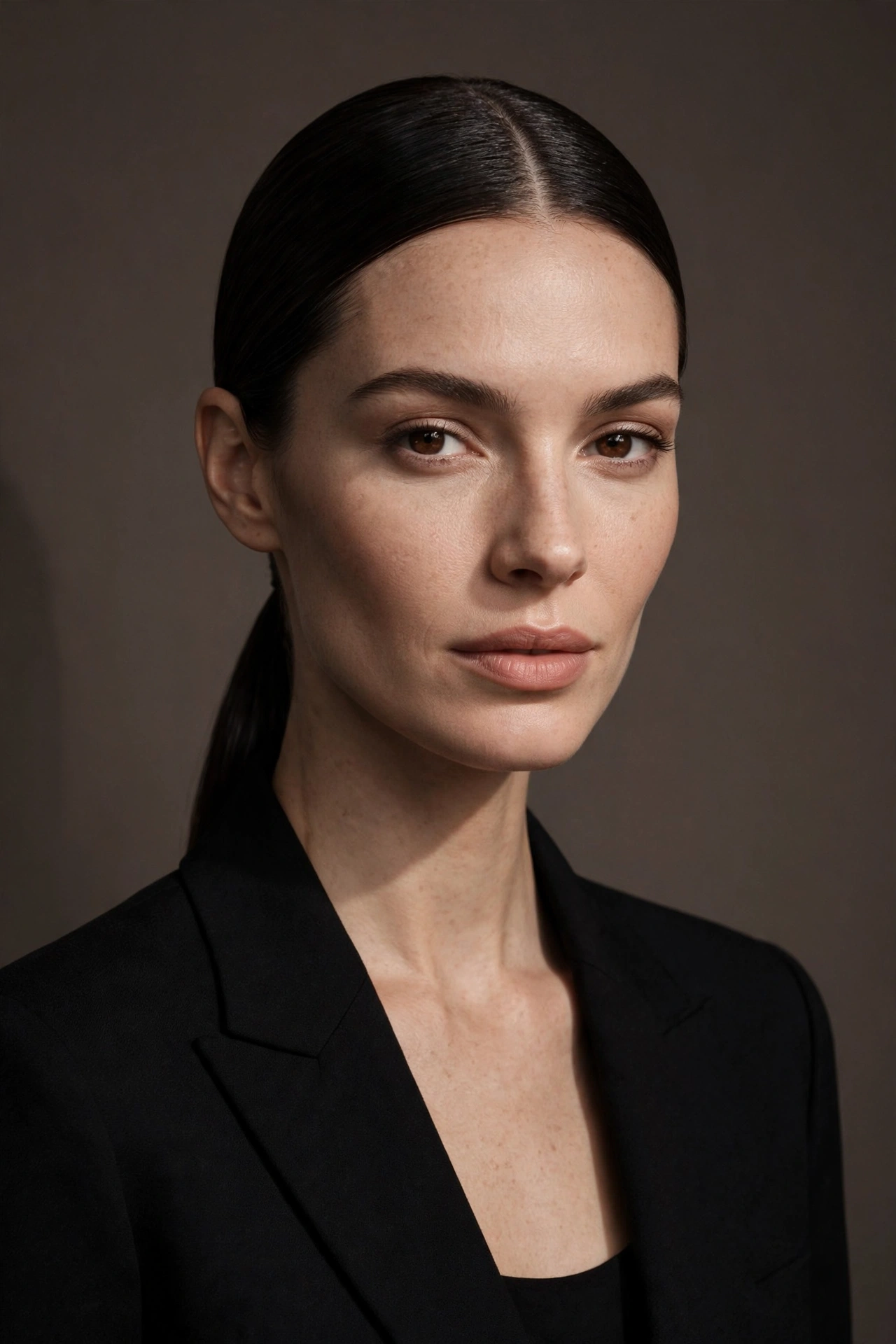
The Classic Sleek Low Pony
Hair smoothed flat from a centre part and secured at the nape creates a clean, elongating line that also happens to hide unwashed roots under the sleek lengths. It suits oval and heart-shaped faces particularly well, and it remains one of the few hairstyles that looks equally correct in a boardroom and at a black-tie dinner. Straight or straightened hair delivers the sharpest result.
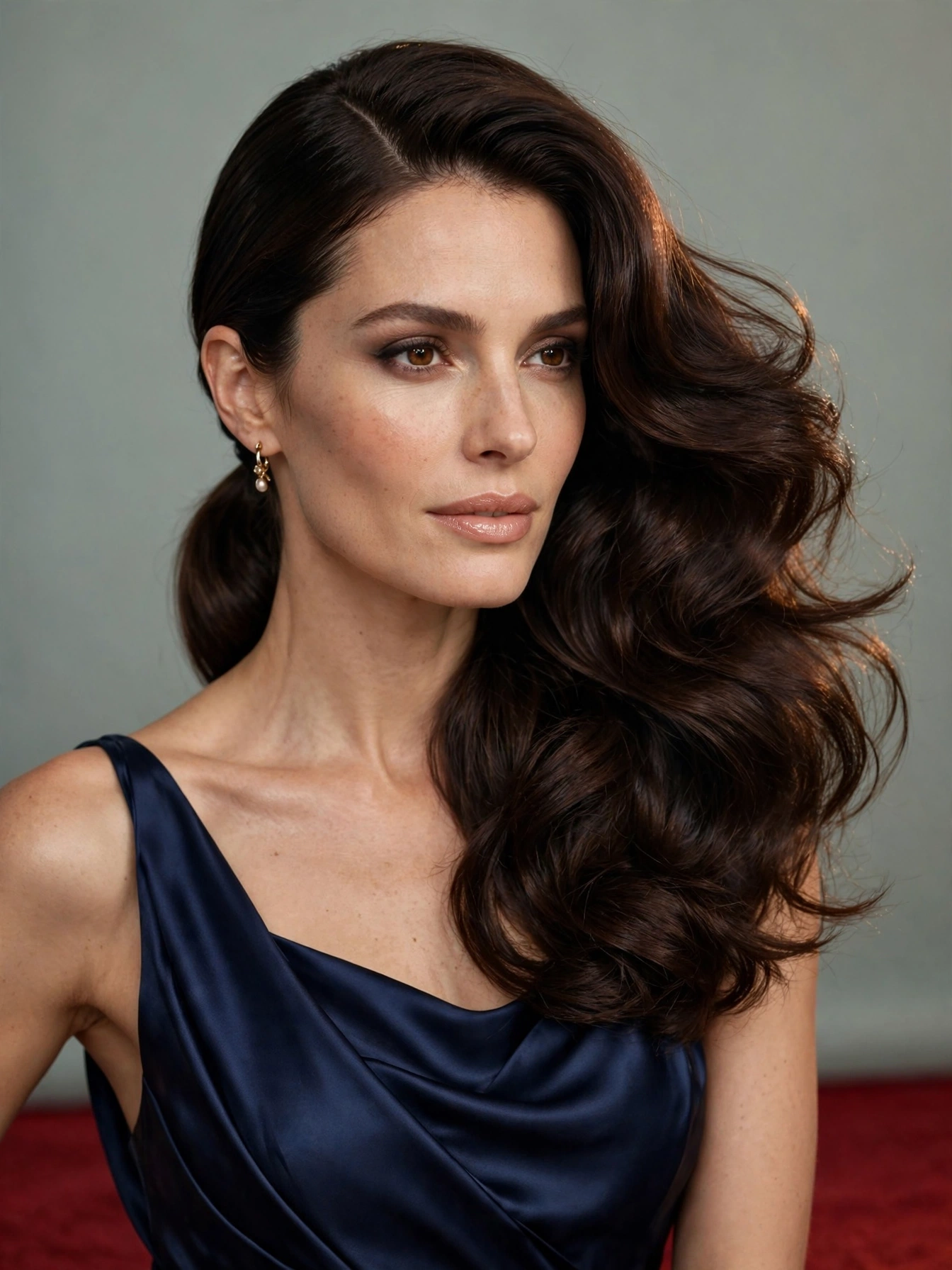
The Deep Side Part Low Pony
Watch any red carpet and you’ll notice the side part quietly took over from the middle part this year. Shifting the part several inches off-centre changes the entire balance of the face, adding softness on one side and lift on the other. Square jaws benefit noticeably. Blow-dry the heavier side away from your face first so it holds volume rather than collapsing flat by the time you reach the elastic.
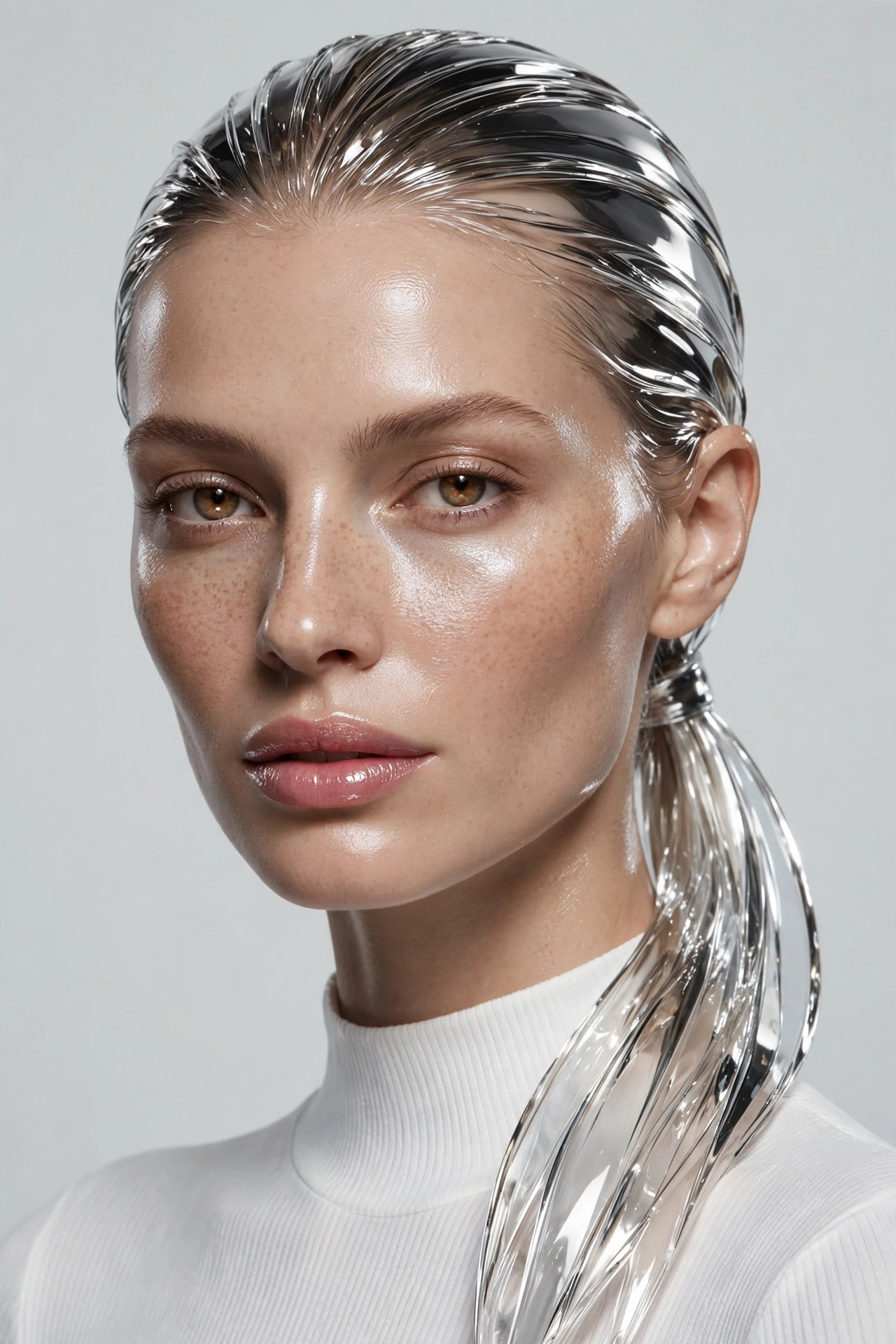
The Glass Hair Low Pony
Ever wondered why some sleek ponytails look expensive while yours looks flat? The answer is shine, not smoothness. Mirror-like gloss comes from treatments and lightweight serums rather than heavy product. Apply a shine serum through the mid-lengths before you gather anything, and finish the ponytail length itself with a few drops rubbed between your palms. High-shine, light-reflective finishes are the defining hair aesthetic of 2026 across every texture.
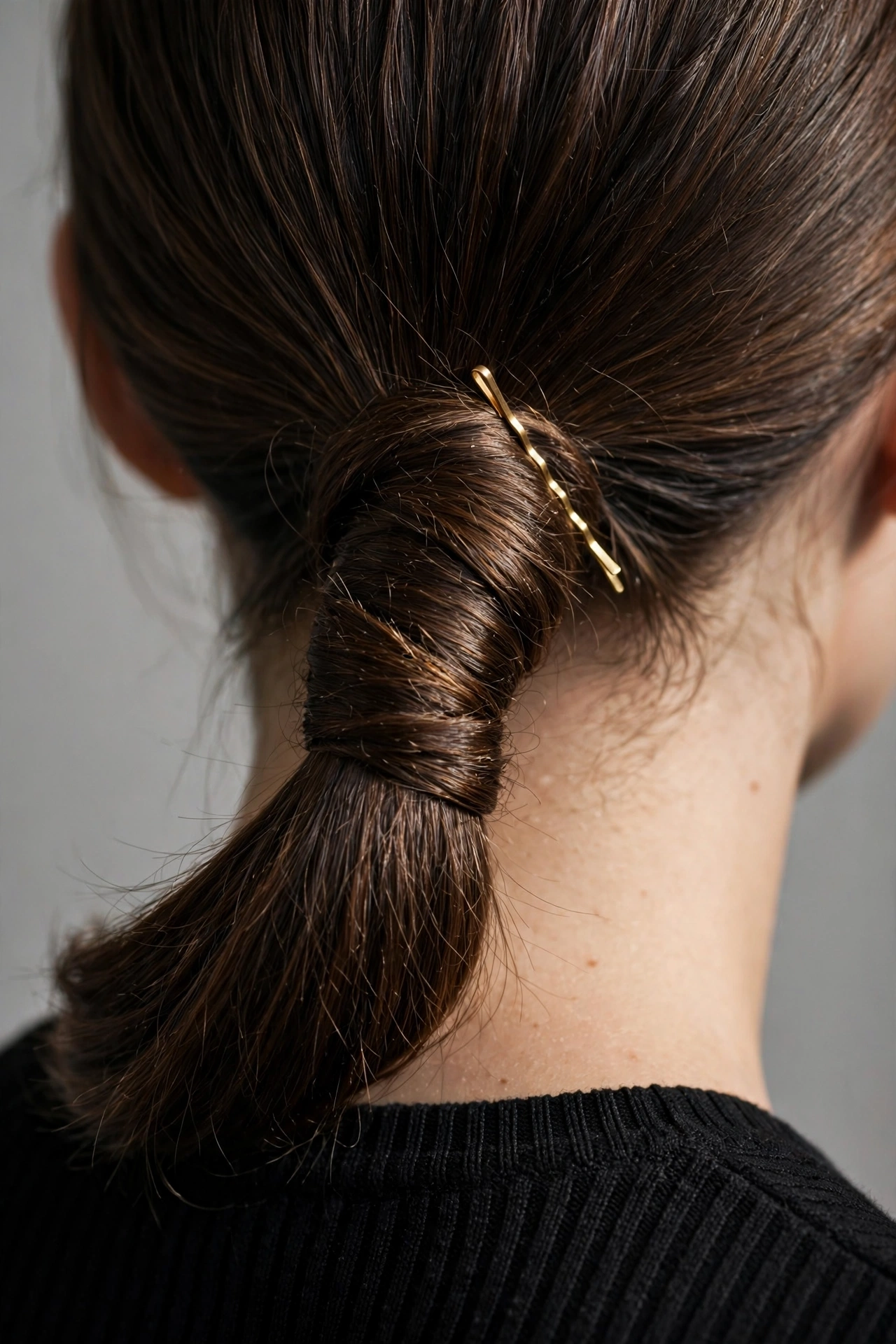
The Wrapped-Strand Low Pony
Thirty seconds. That’s the extra time this detail costs, and it’s the single biggest upgrade available to a basic ponytail. Taking a small section from underneath the ponytail and winding it around the elastic hides the hardware completely, which is precisely what separates a styled ponytail from a functional one. Secure the tail end with a bobby pin pushed upward into the base. Every red carpet ponytail uses this technique, and almost nobody doing their hair at home bothers.
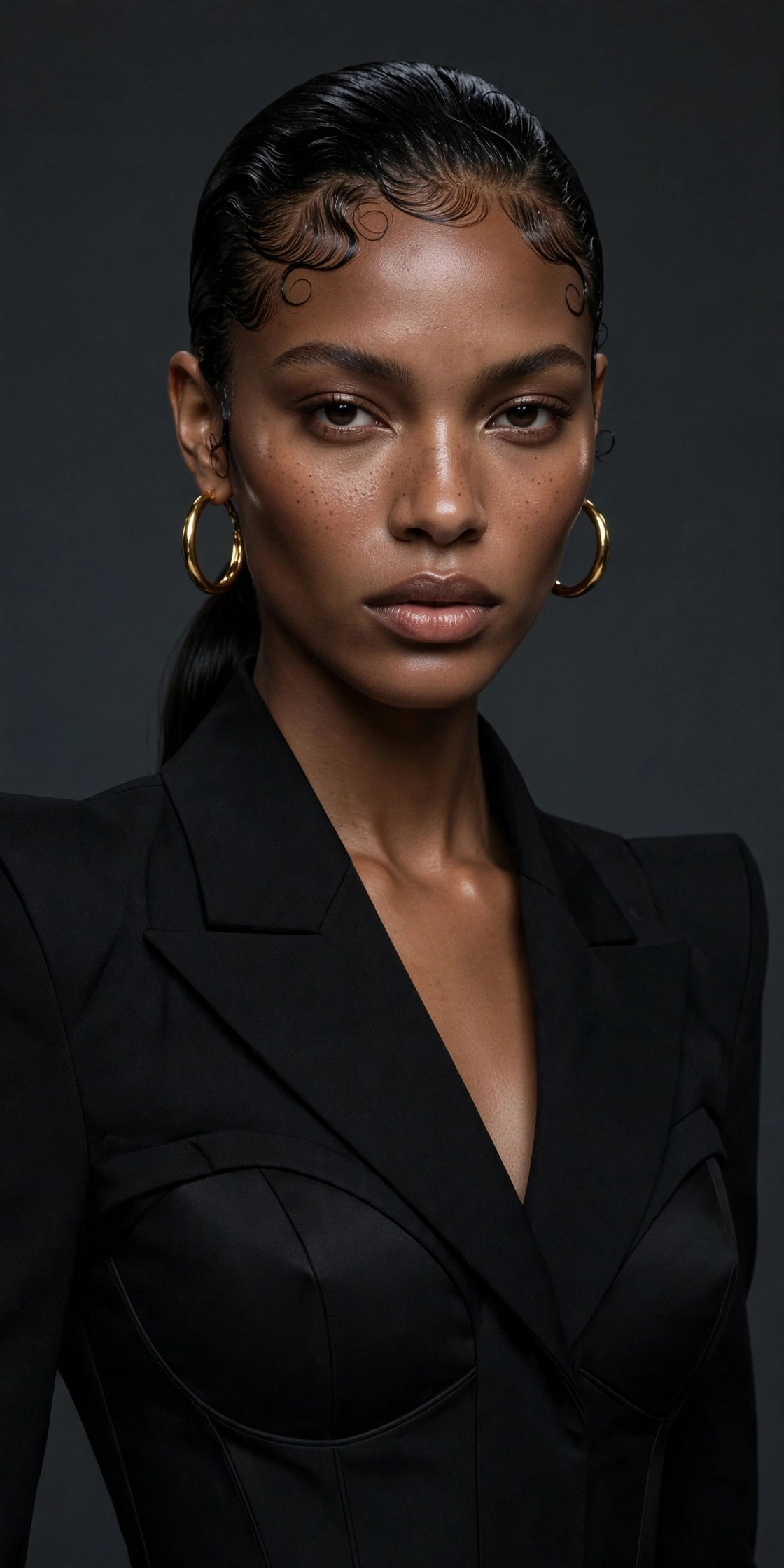
The Slicked Low Pony with Sculpted Edges
Gel or a strong-hold pomade brushed flat against the scalp gives you a genuinely sharp finish, and laid edges around the hairline add a polished frame. Use a soft-bristle brush and a non-flaking product. Tying a silk scarf around the hairline for ten minutes while the product sets makes the difference between smooth and merely damp-looking.
The Low Pony with a Crown Bump
Flat hair on top makes a low ponytail read severe rather than elegant. A little lift fixes it entirely. Gently teasing the crown section before smoothing it over with a paddle brush creates height that balances the weight sitting at your neck. Cos Sakkas of TONI&GUY recommends starting with a volumising mousse through the roots for exactly this kind of prep. Three light passes at the roots is plenty. Overteasing creates a bump that looks dated rather than lifted.
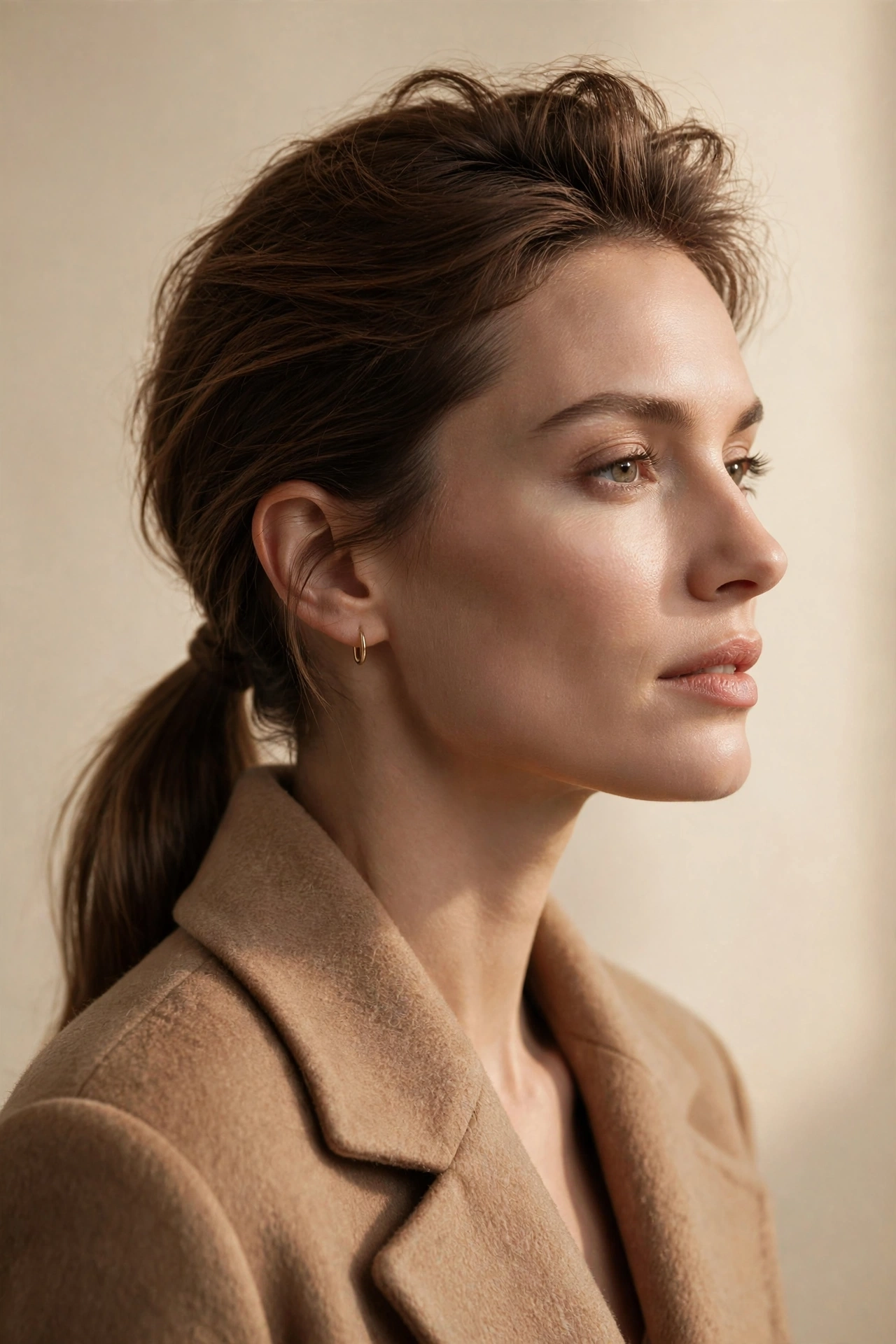
Soft and Undone Low Ponytails
The romantic, deliberately imperfect version is what stylists are reaching for at award shows now. It requires more technique than it appears to.
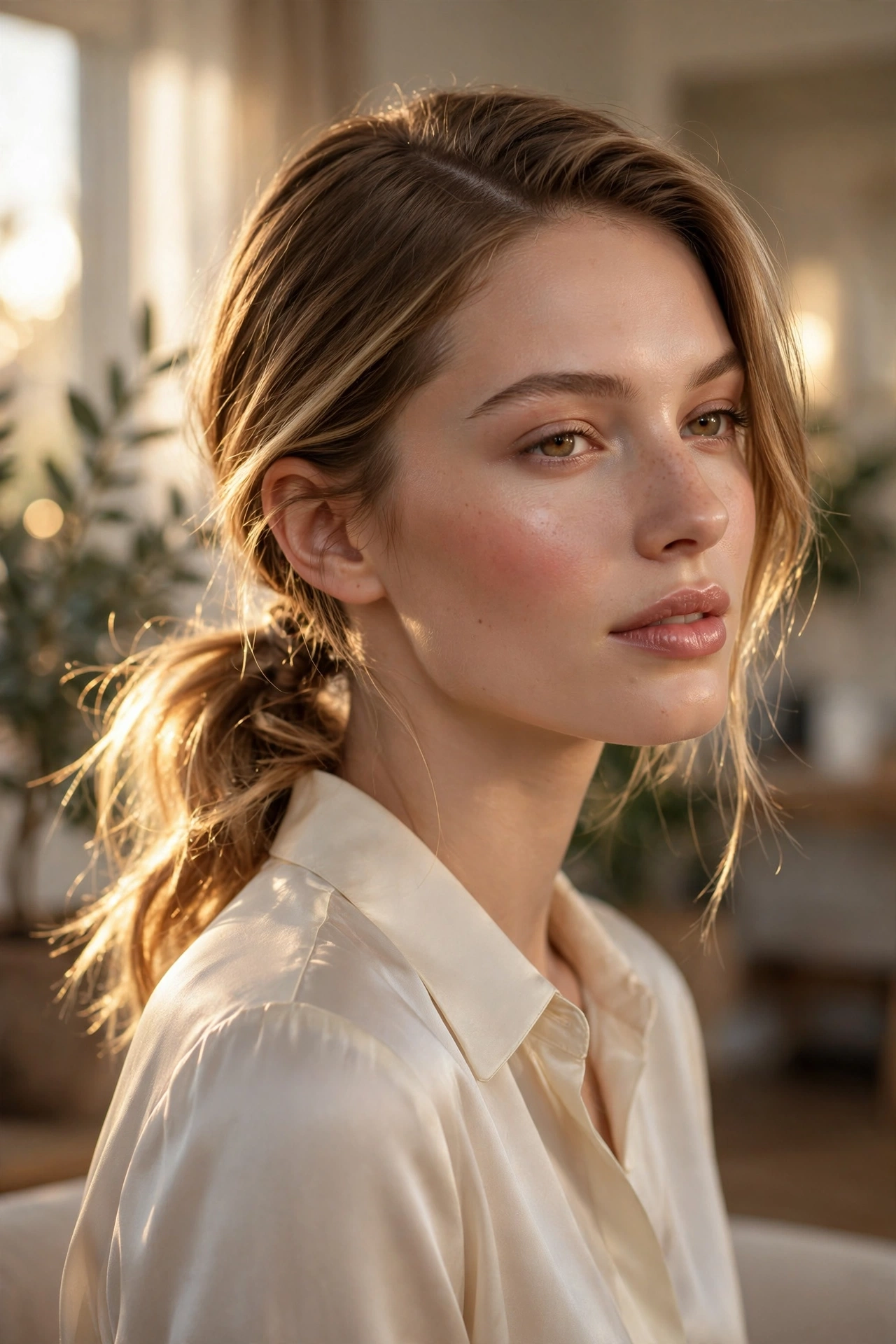
The Tousled Low Pony
Dior’s version this season set the template: an extreme off-centre parting, messy texture, and the tie sitting in the hollow of the neck with the whole thing deliberately blurred.
Texture spray does the work here, not neglect. Roughing up the hair before gathering creates the piecey quality, and pulling a few sections loose afterwards completes it. Silk or fabric elastics are worth using since they cause considerably less breakage than rubber bands on hair worn this loosely.
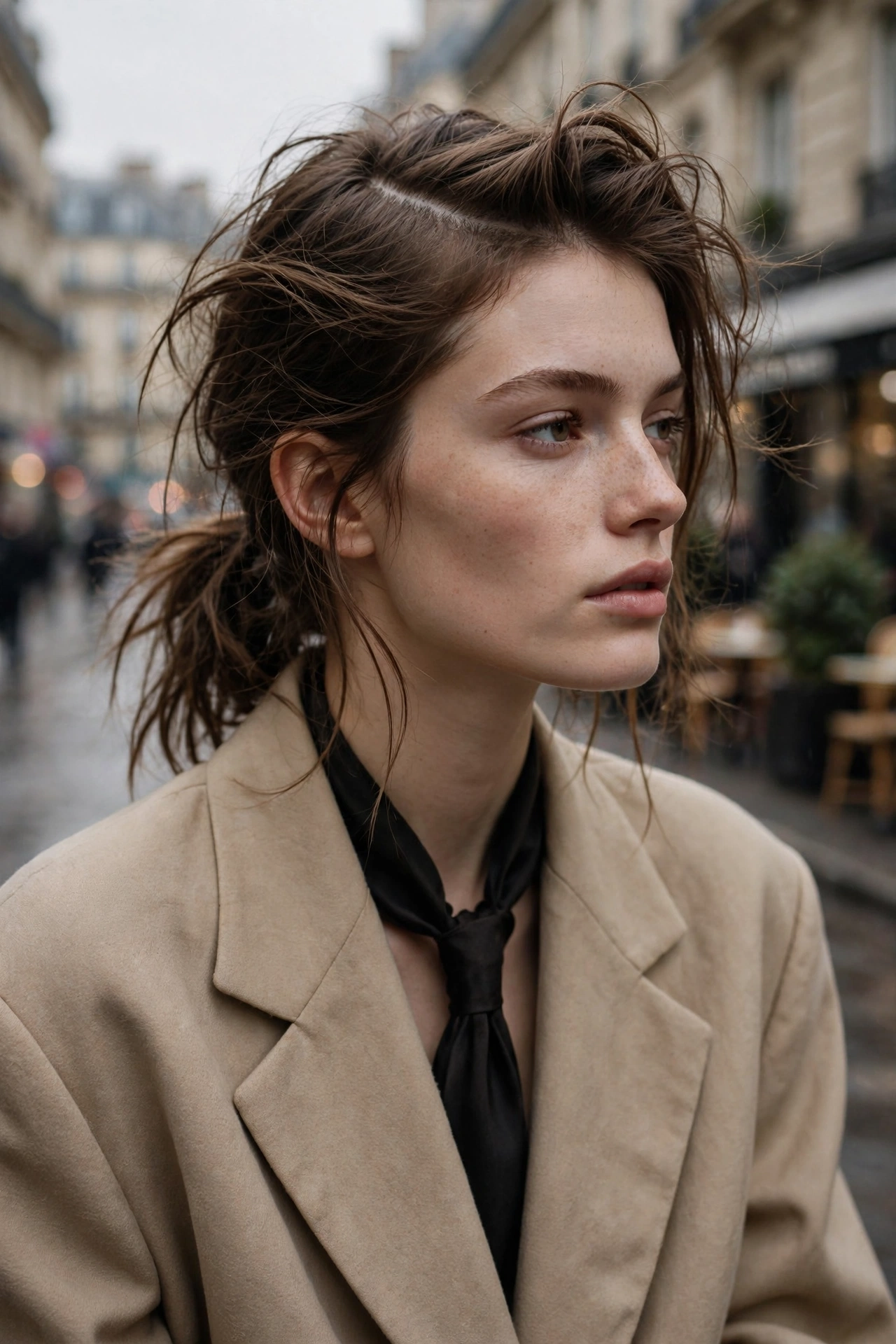
The Loose Nape Pony with Tendrils
Frausto’s approach to Sabrina Carpenter’s Grammys hair was about pieces falling naturally down the back rather than being placed, and that philosophy translates directly to a low ponytail.
How to get it right:
- Pull out two face-framing pieces, not five
- Loosen the crown by gently tugging upward at the roots
- Leave the ponytail length unbrushed
- Curl the tendrils slightly so they read intentional rather than escaped
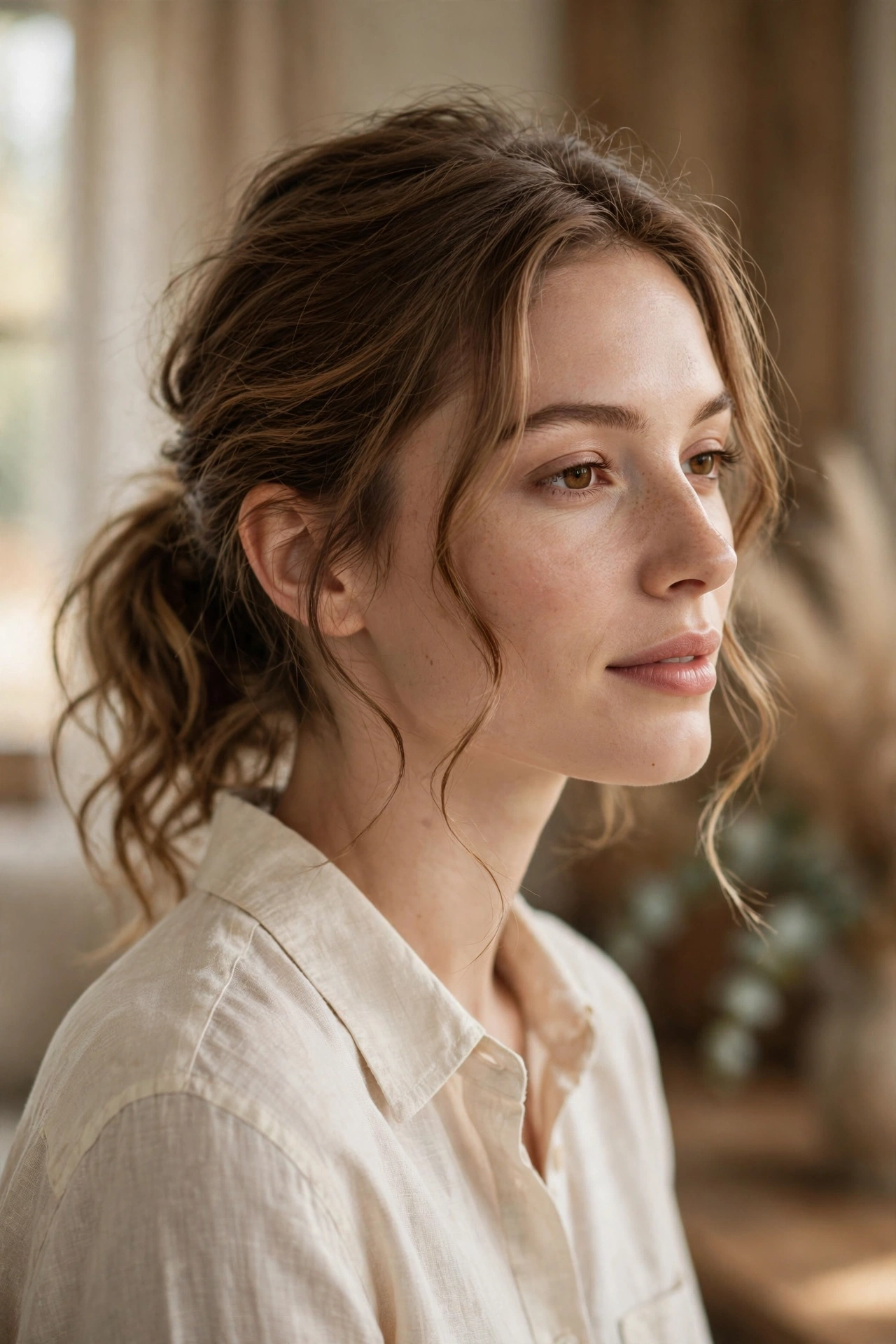
The Second-Day Textured Pony
Freshly washed hair slips out of a loose ponytail within an hour. Two-day-old hair holds all day without a single product. That grip is the entire reason stylists tell clients to plan undone styles around their wash schedule rather than fighting it. Dry texture spray recreates the effect if you must style clean hair.
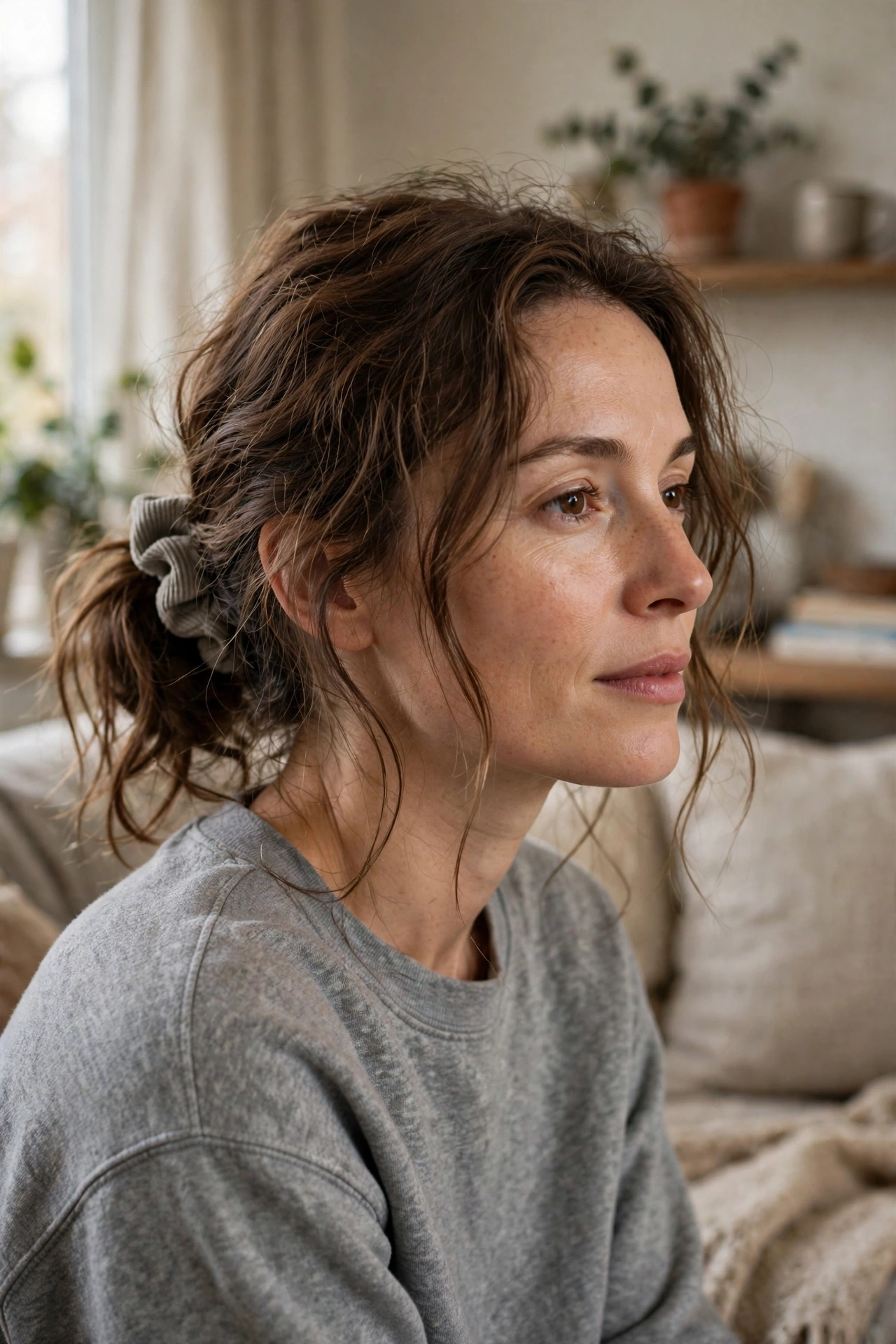
The Low Pony with Curtain Bangs
Bangs change the mood of a low ponytail completely, softening what can otherwise be a very severe pulled-back shape.
Round and longer faces benefit most, since the fringe shortens visual face length while the pulled-back sides add definition. Style the bangs first, before gathering anything, because fixing them afterwards rarely works.
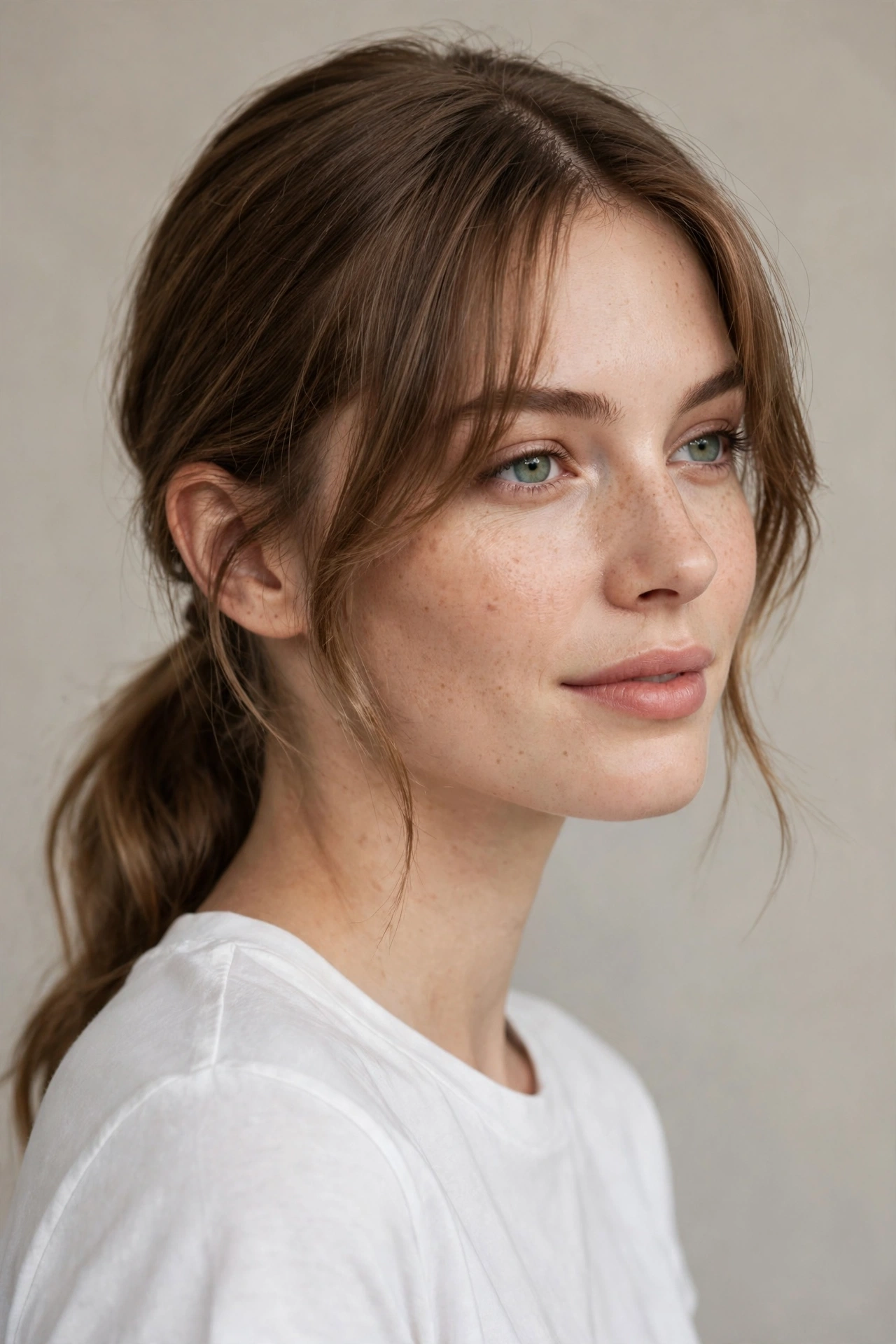
The Wavy Low Pony
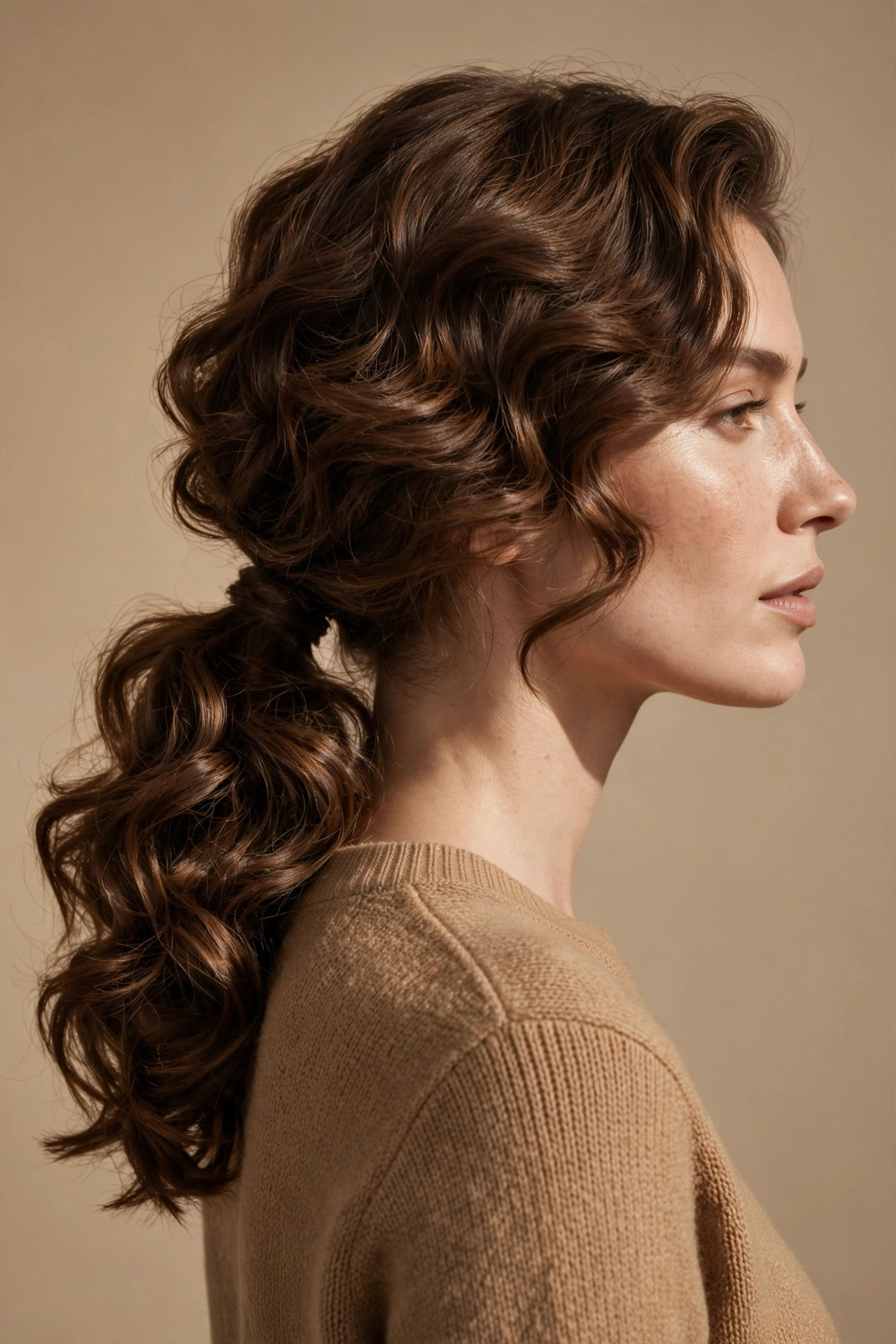
Why does a wavy ponytail look fuller than a straight one of the same thickness? Because the bends create volume that straight hair simply doesn’t have. Curl the length before gathering rather than after, using a large-barrel iron and leaving the ends slightly straight for a modern finish.
Braided and Twisted Low Ponytails
Adding structure before the elastic gives you a style that reads intentional without much extra skill.
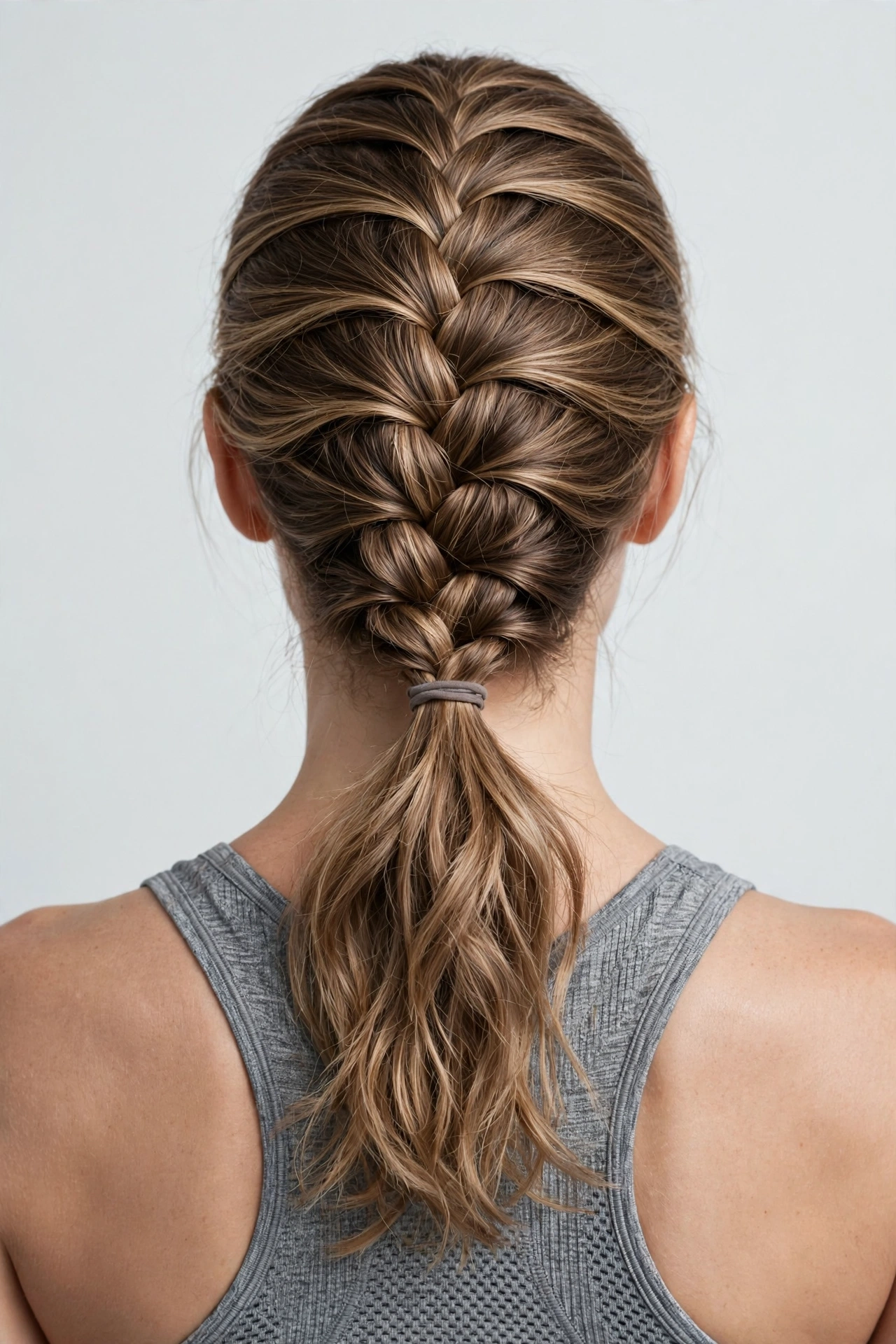
The French Braid into a Low Pony
Beyoncé has worn this shape countless times, and it survives everything from a workout to a wedding. Braiding from the hairline back to the nape before releasing into a ponytail keeps flyaways contained and adds visible texture through the crown. Pancake the braid gently, meaning pull the edges outward, for extra width. Medium to long hair of any texture handles it.
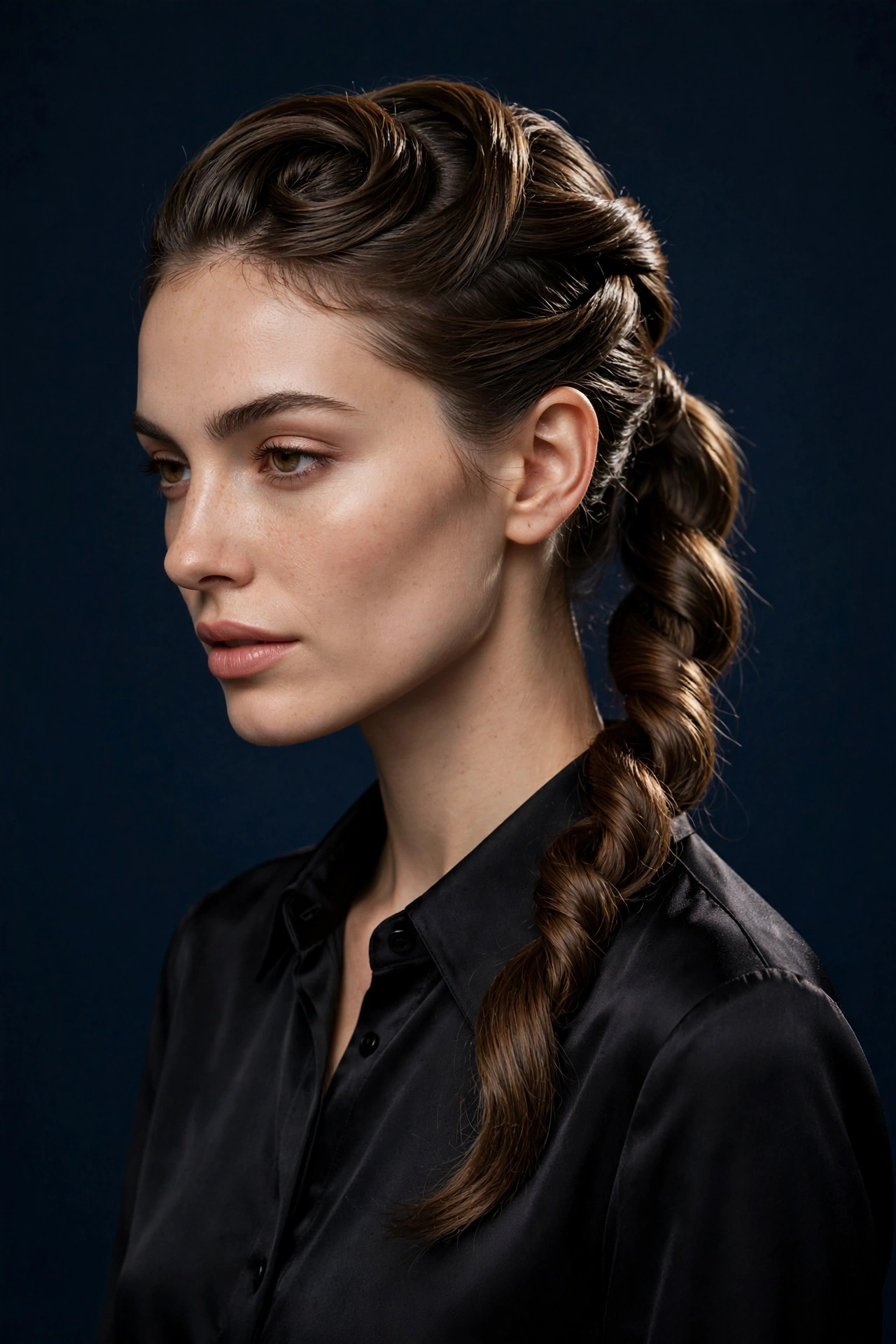
The Rope Twist Low Pony
Two sections, twisted individually in the same direction, then wound around each other the opposite way. That counter-twist is the only thing stopping the whole arrangement unravelling. Zendaya’s red carpet looks feature this technique regularly. It also disguises oily roots effectively, since the spiral pattern breaks up the surface.
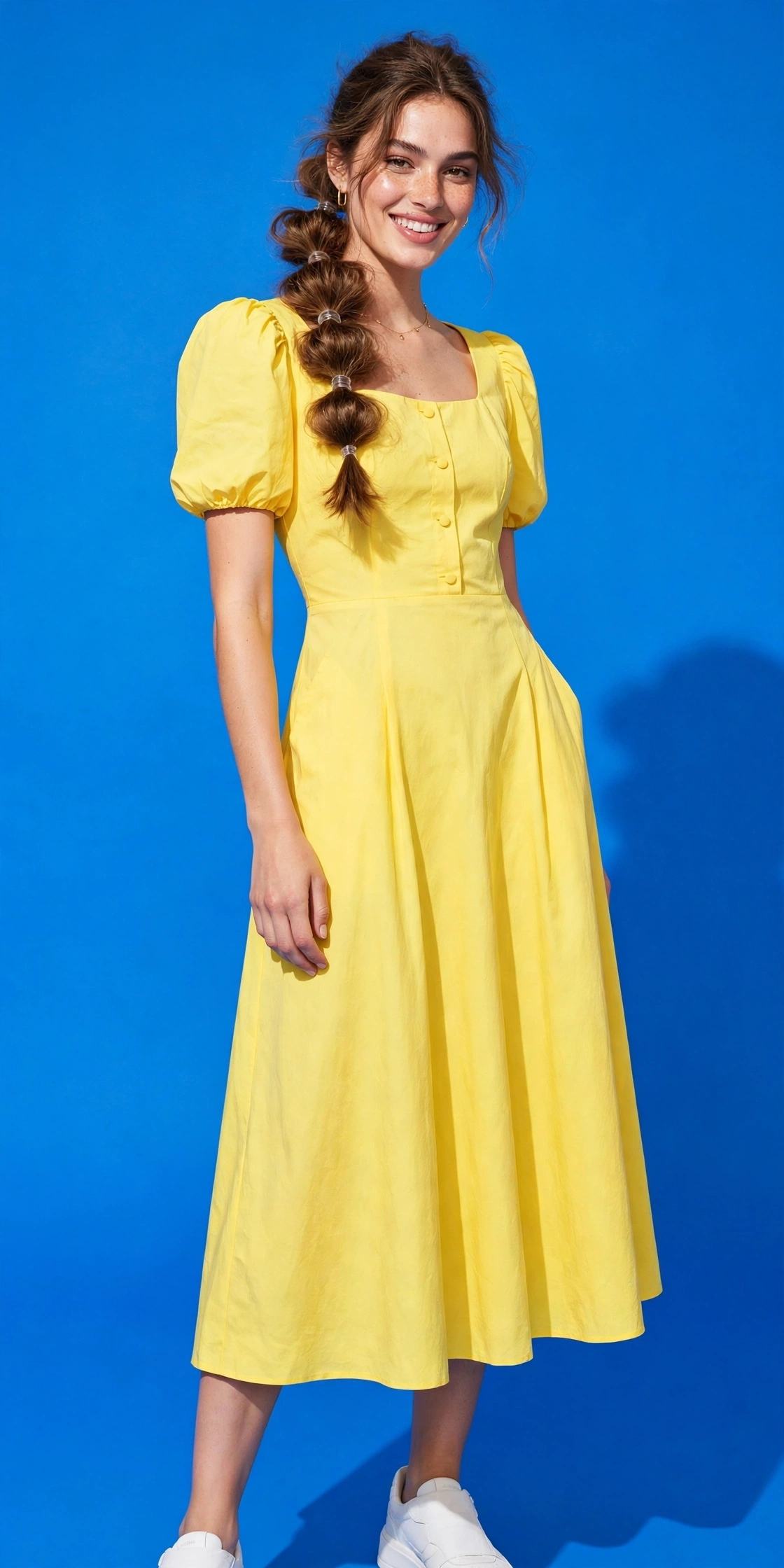
The Bubble Low Pony
Clear elastics spaced evenly down the length create segmented bubbles that look far more complicated than they are. Celebrity stylist Jen Atkin has emphasised even spacing as the critical detail, and she’s right, because uneven bubbles are what make this style look homemade. Tease gently inside each section to keep them full and soft rather than pinched.
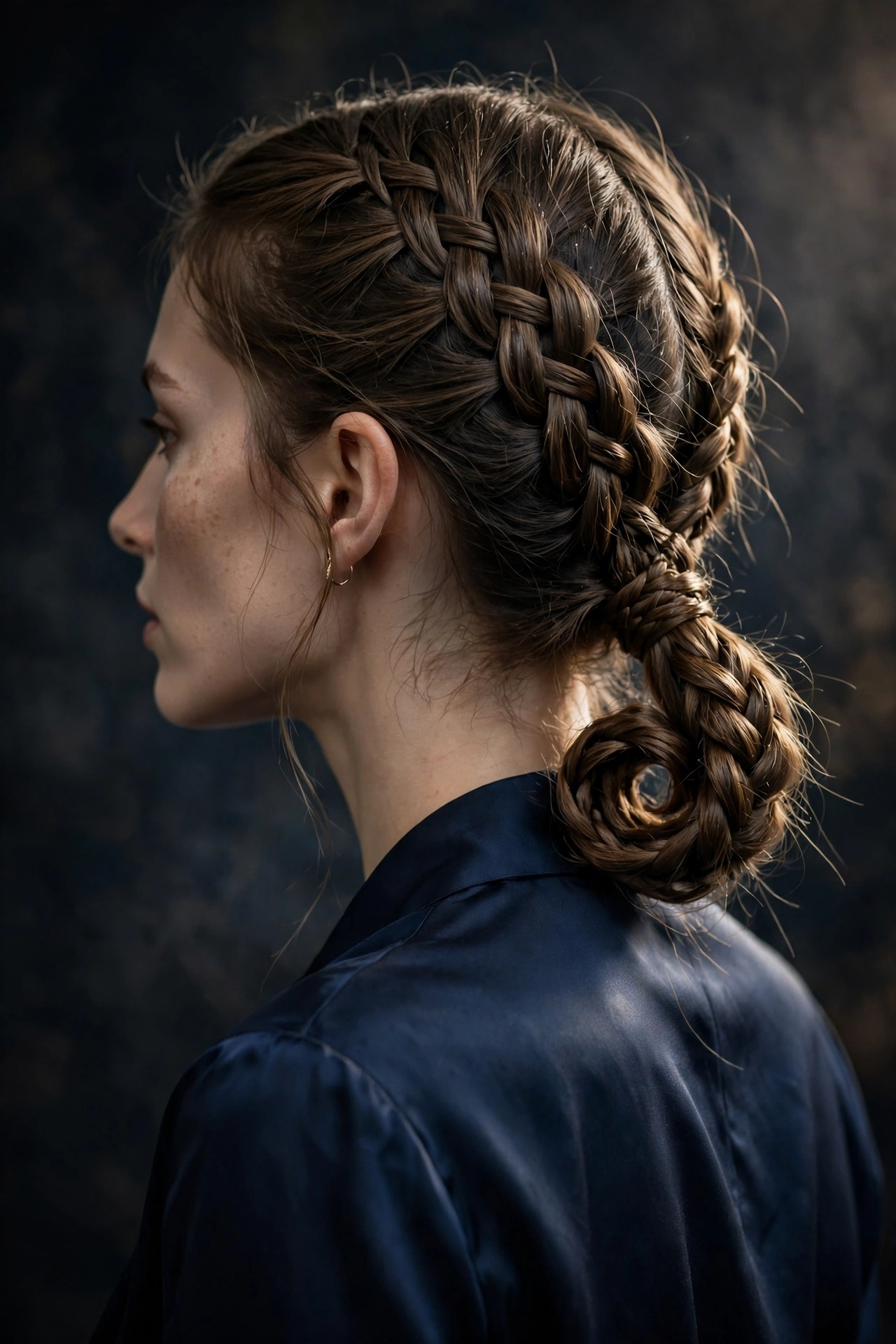
The Fishtail Low Pony
Most people avoid fishtails assuming they’re difficult. The technique is actually simpler than a three-strand braid, just slower. Two sections, small pieces crossed alternately from the outside edges to the opposite side. That’s the whole method. Expect twenty minutes the first time and ten by the third. Coiled into a low ponytail it reads genuinely couture, which makes it worth the practice for events.
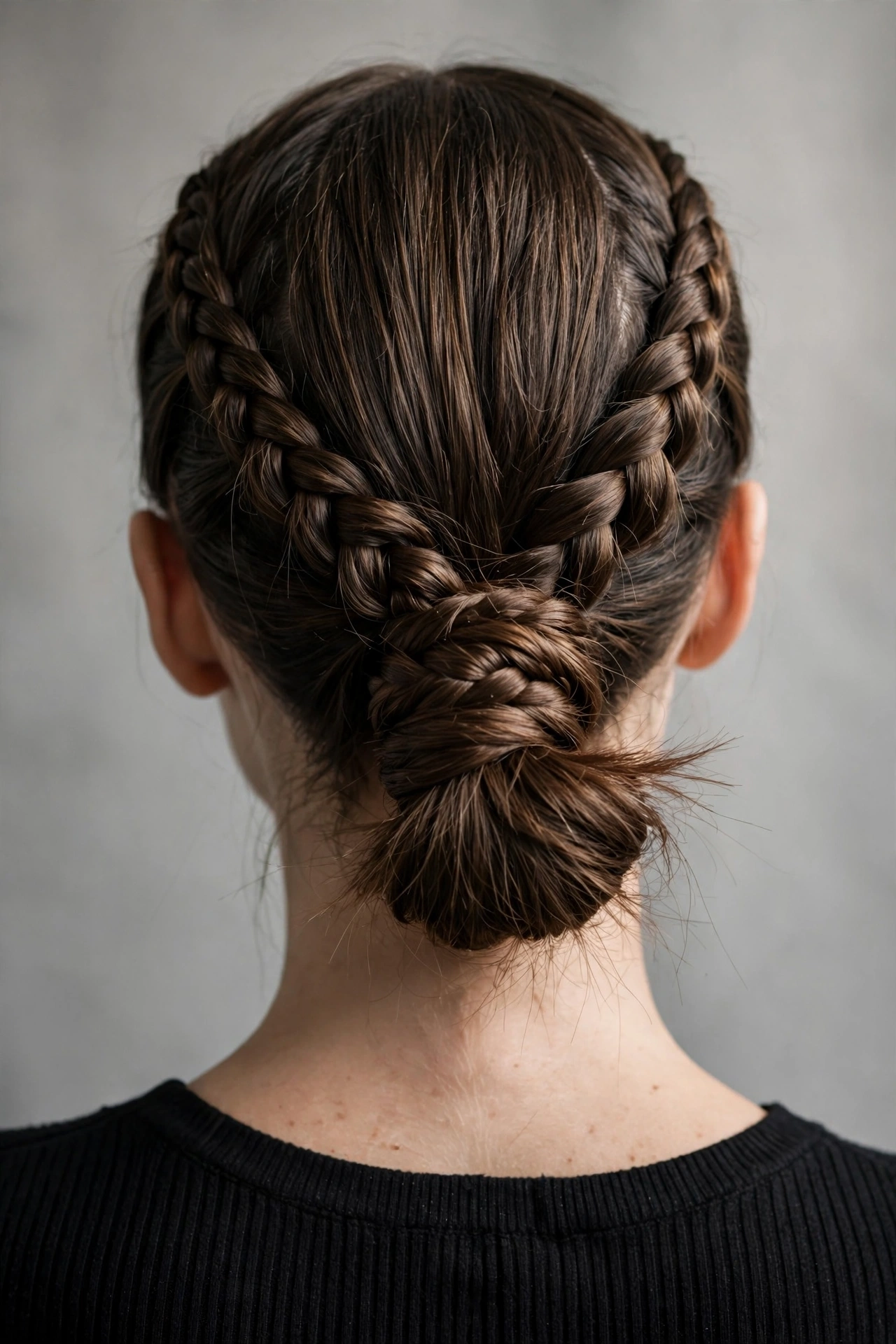
The Double Braid Wrapped Pony
Two braids running along each side of the head, gathered together at the nape with the rest of the hair. Structure at the front, softness at the back. It’s the easiest way to make a low ponytail look styled without doing anything complicated to the length itself.
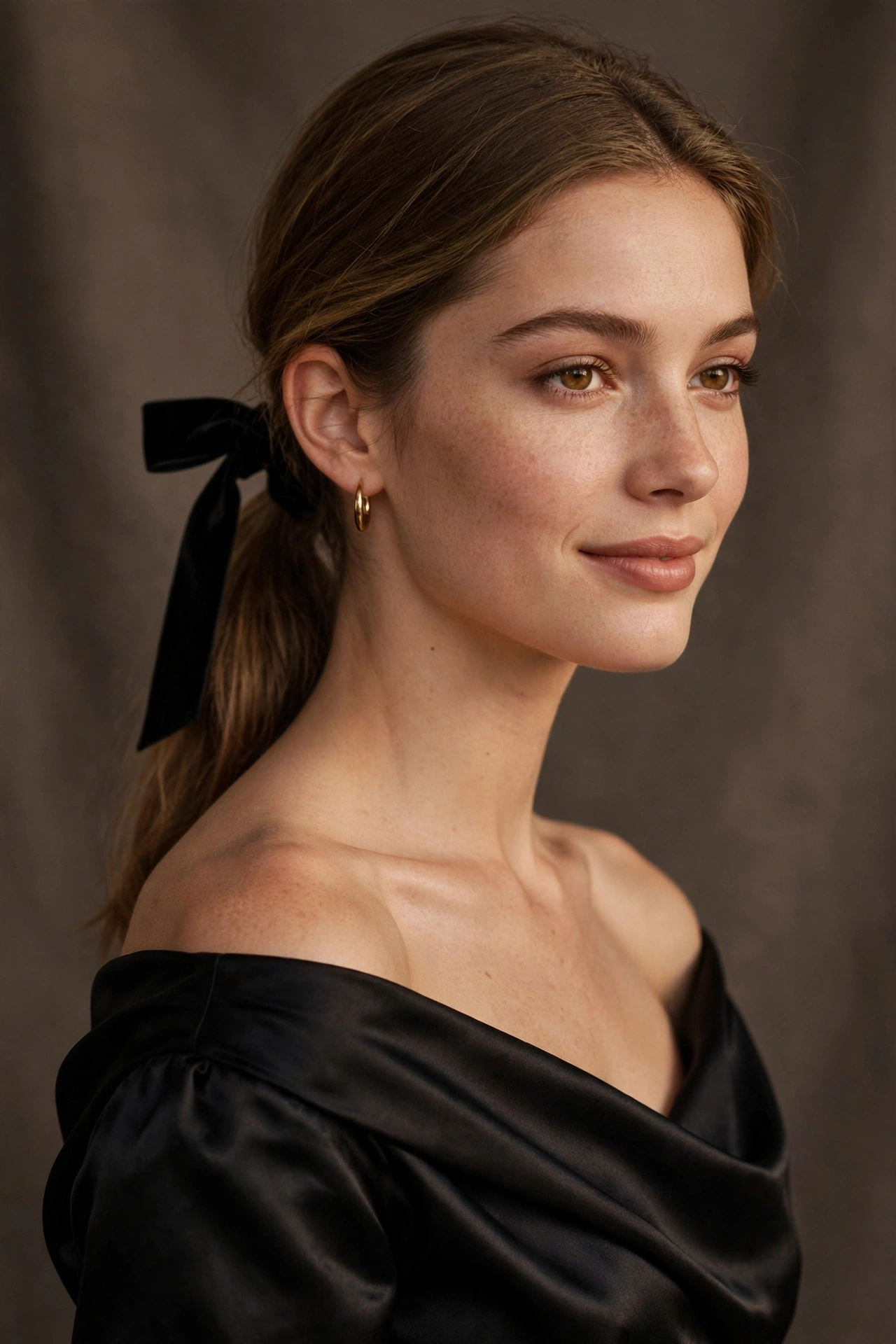
The Ribbon Low Pony
Ribbons and bows have carried straight through from the last two years into 2026, and Tory Burch put them on ponytails on the runway. Material choices worth knowing:
- Black velvet reads formal and slightly nineties
- Cream silk reads bridal and soft
- Thin satin in a colour from your outfit reads considered
- Grosgrain reads preppy and daytime
Tie it over the elastic rather than instead of it, since ribbon alone will slide out within the hour.
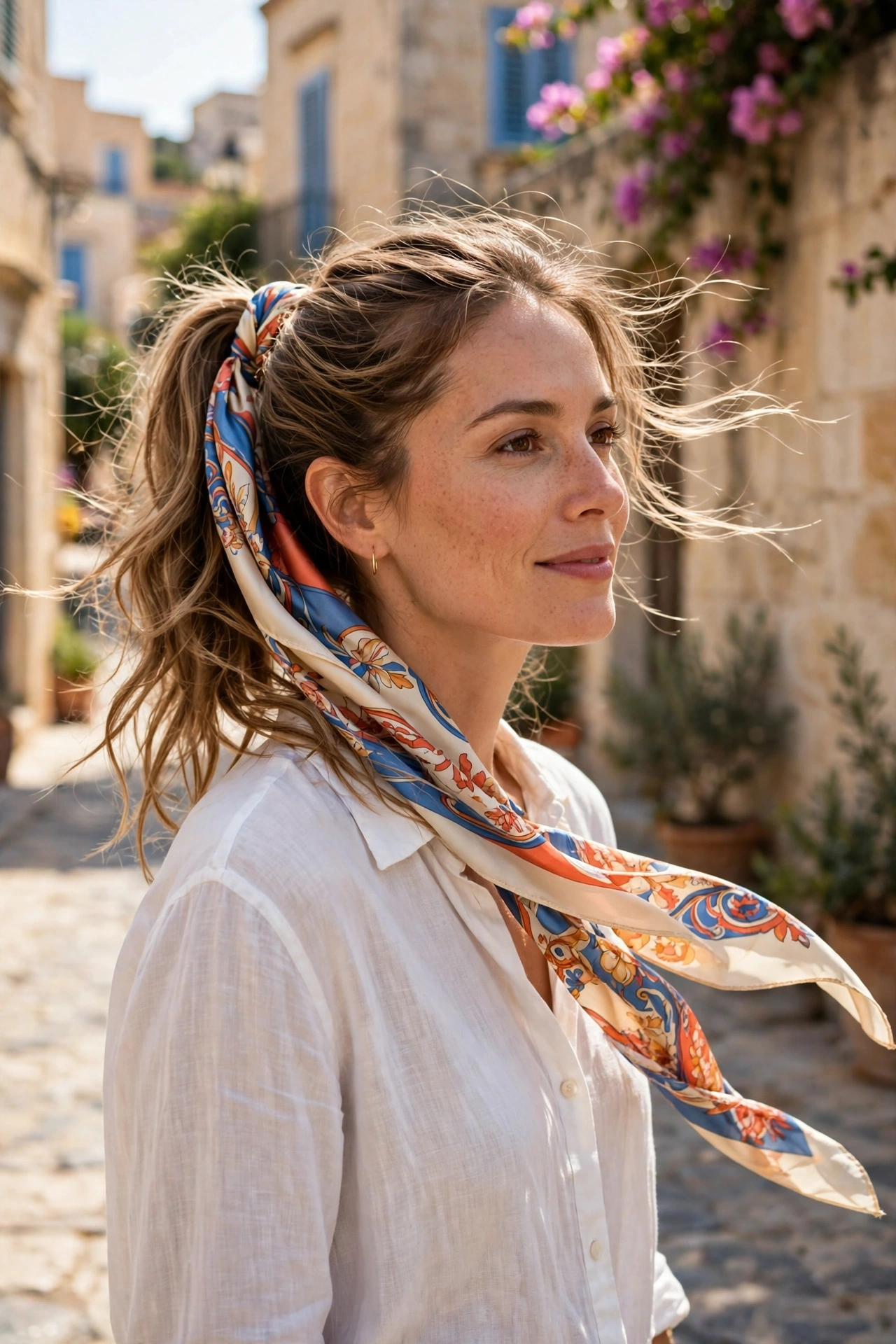
The Silk Scarf Pony
Wrapping a patterned silk scarf around the base and letting the ends trail alongside your hair adds colour and movement for essentially zero effort. Silk also protects the hair at the tie point far better than elastic does, which matters if you wear ponytails daily.
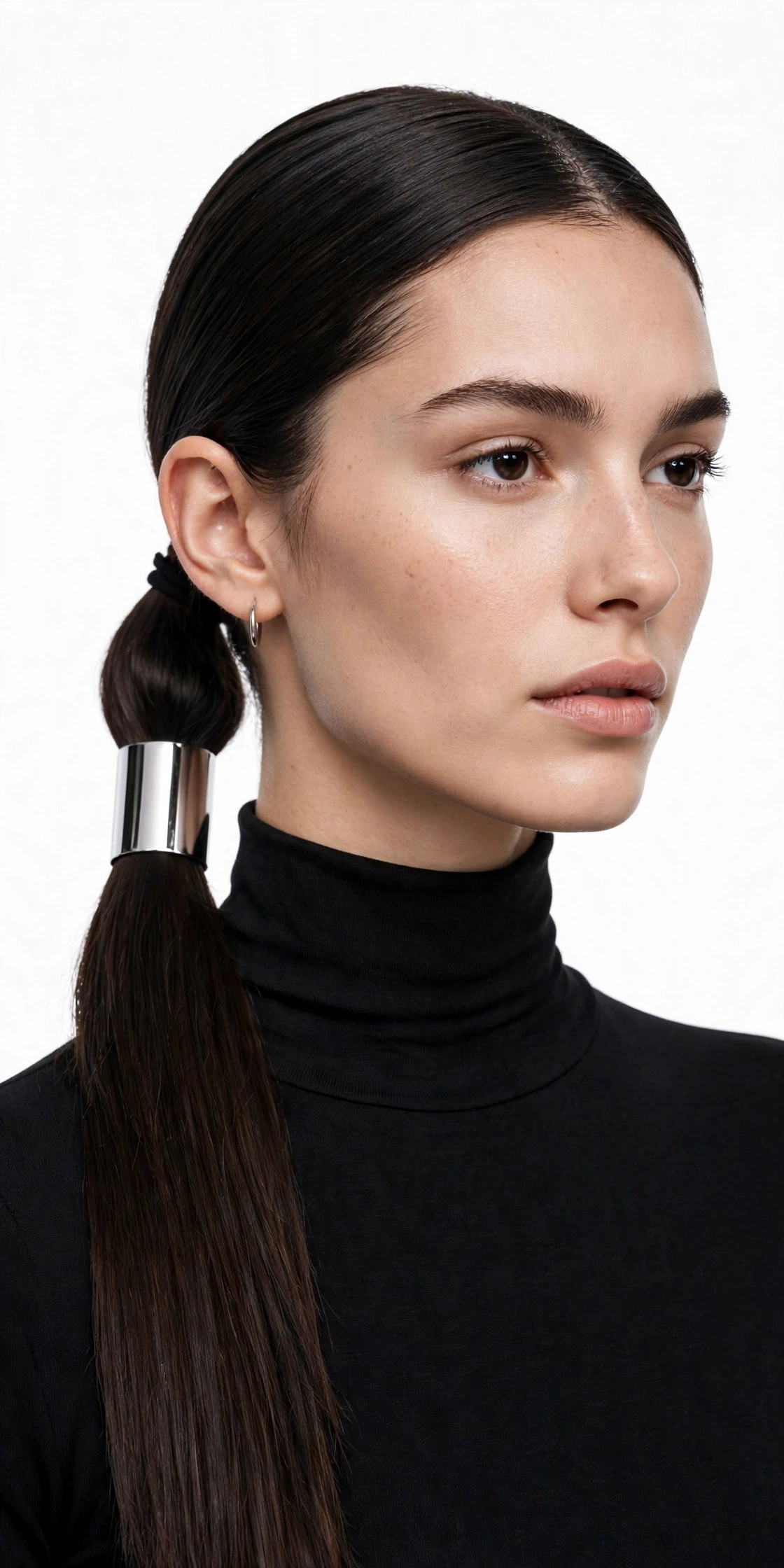
The Hair Cuff Pony
Metal cuffs positioned two to three inches below the elastic function like jewellery for hair, and chrome, brushed gold and matte black are all having a moment. Placement is what makes it work. Too close to the elastic and it looks like a mistake, too far down and it disappears into the length.
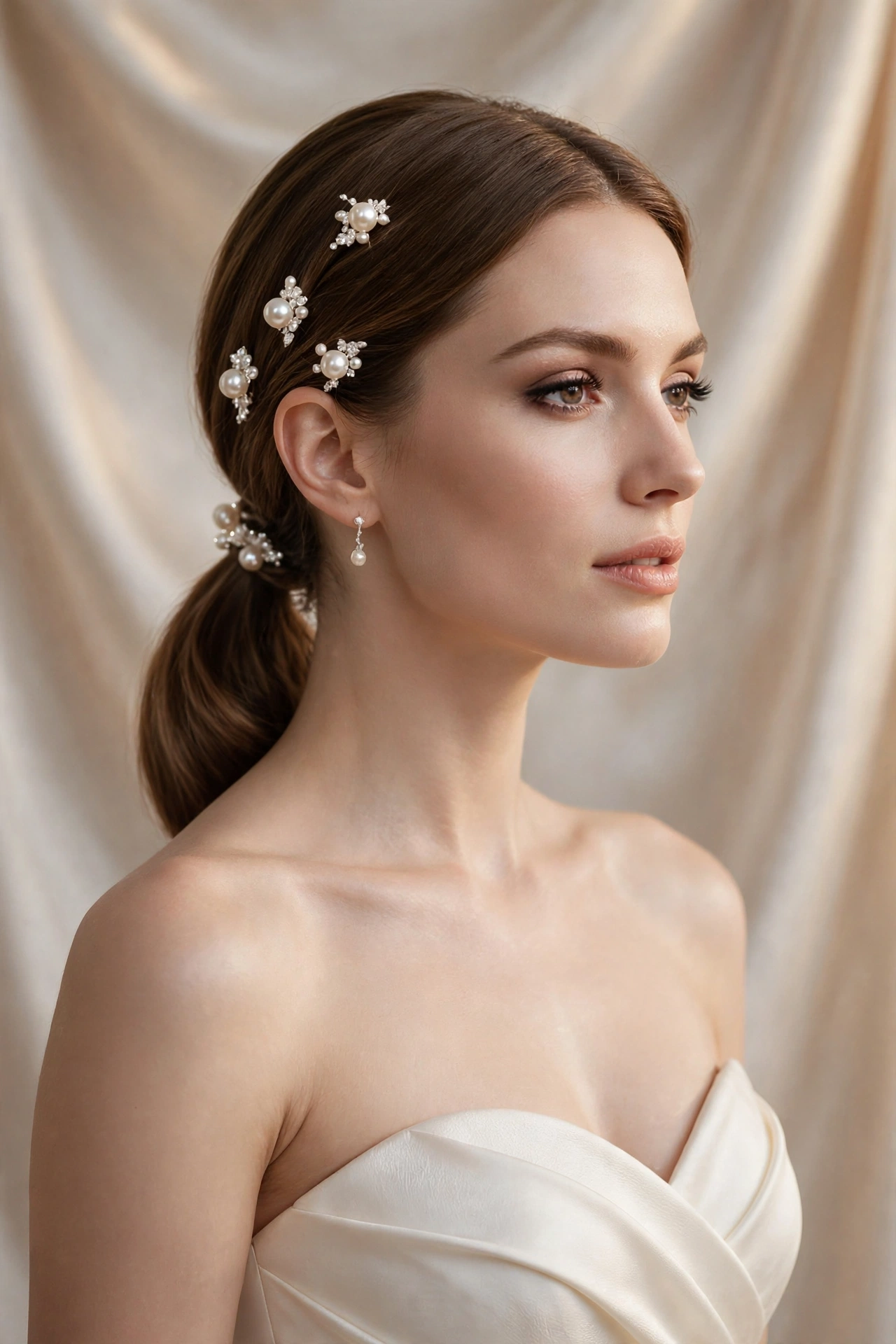
The Pearl Pin Low Pony
Simple ponytails often feel under-dressed for an evening event. Pins solve that without changing the style at all. Scattering three or four decorative pearl pins along the smoothed side sections adds enough sparkle to read formal. Place them asymmetrically rather than in a neat row, which looks considerably more expensive.
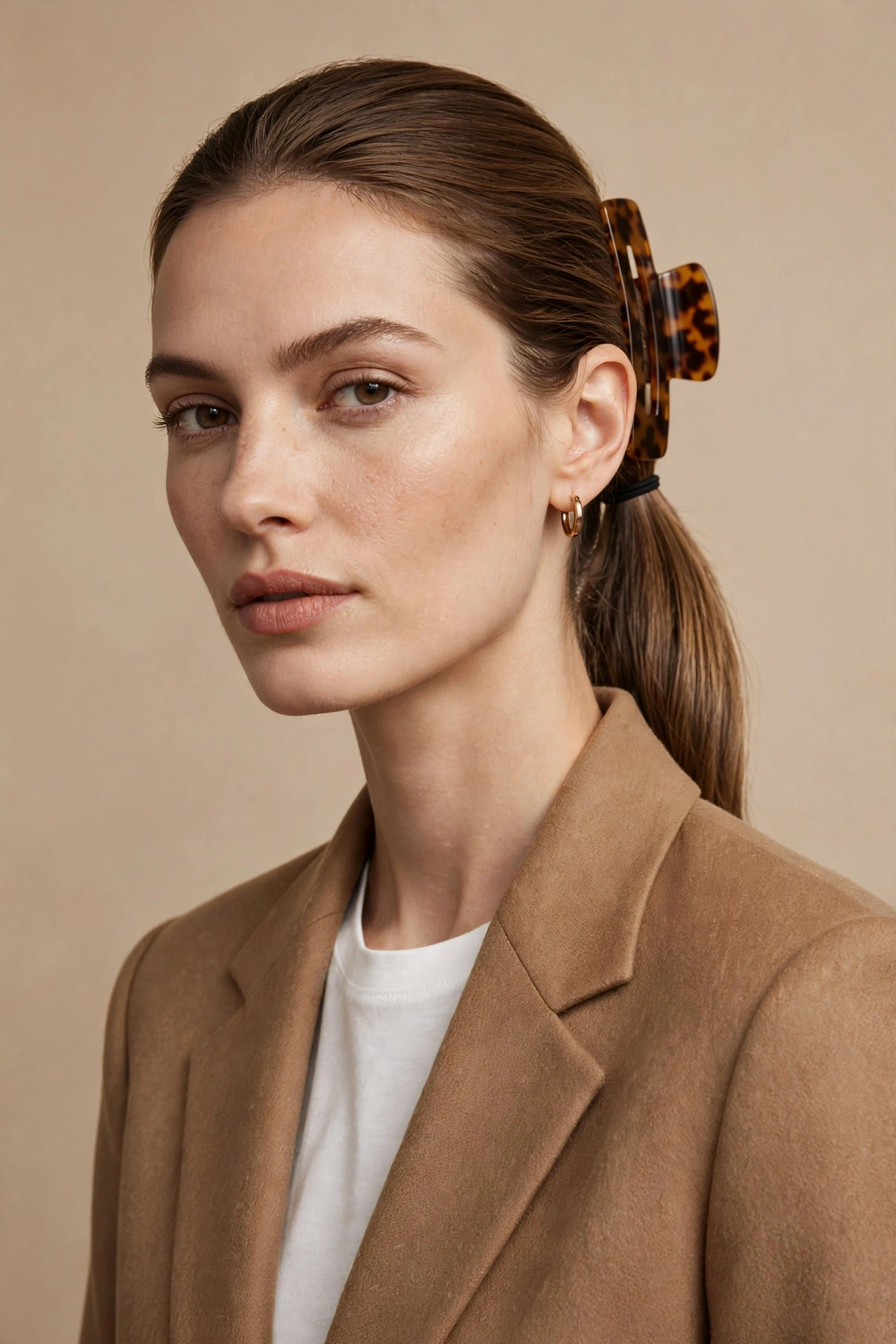
The Barrette-Anchored Pony
One oversized barrette placed just above the elastic hides the hardware while adding a focal point. Tortoiseshell, gold and pearl versions all work. This is the single fastest way to dress up a low ponytail when you have about ten seconds and no patience.
Low Ponytails for Every Hair Type and Occasion
Texture determines the prep far more than the style determines the result.
The Curly Low Pony
Should you brush curly hair before gathering it? No, and doing so is the most common mistake. Gather curls loosely with your fingers rather than a brush, which preserves definition and prevents the frizz halo that brushing creates. A silk scrunchie rather than an elastic protects the ponytail line, where curly hair breaks most often. Leave a few curls loose at the front to soften the pulled-back effect.
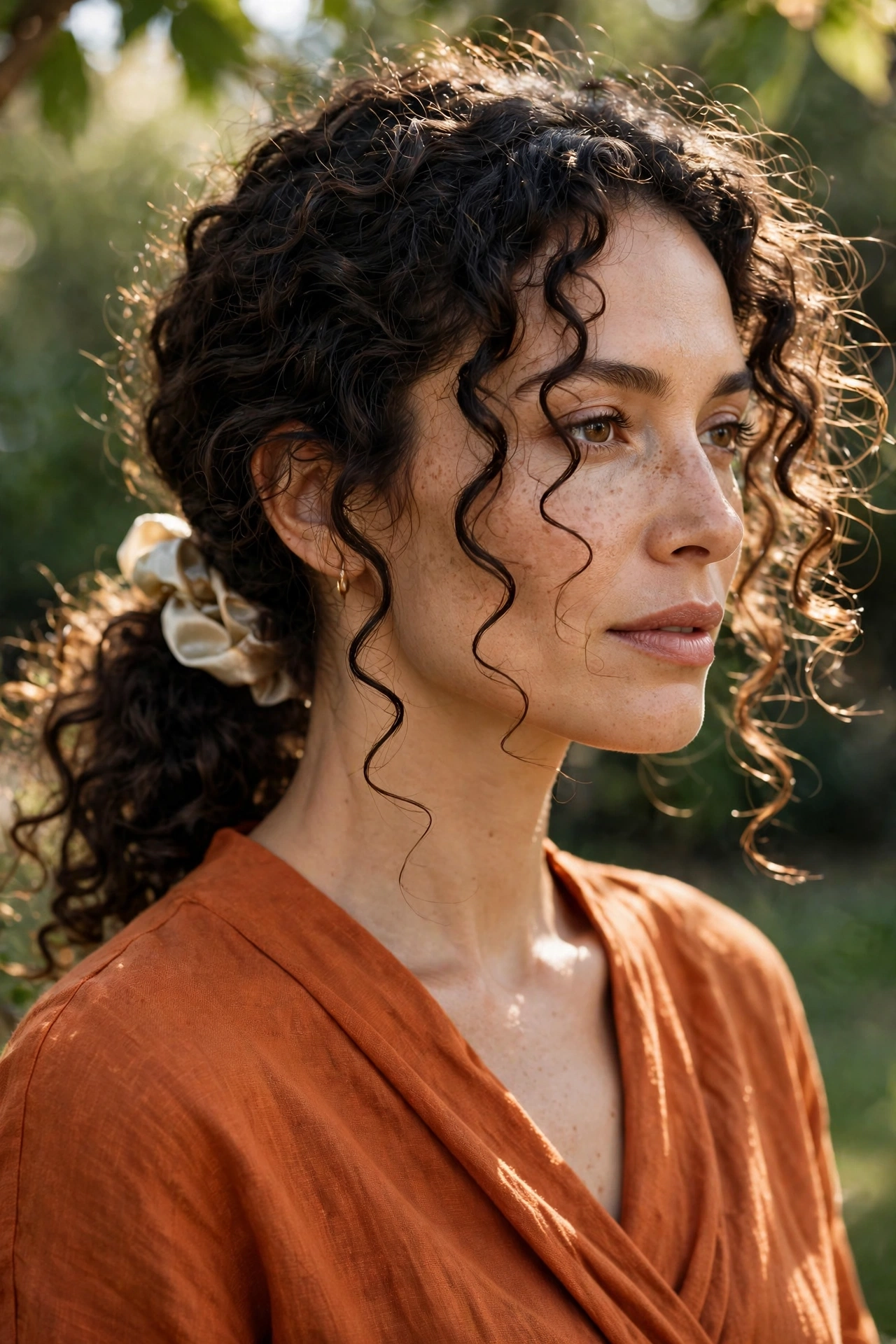
The Low Puff Pony on Natural Hair
Coily and type 4 textures create a rounded, full ponytail shape naturally, with no teasing needed. Smooth the sides with a soft brush and a light edge control, then secure with a fabric-covered band rather than anything with metal. Avoid pulling tight at the temples, since that area is where thinning shows first among people who wear pulled-back styles regularly.
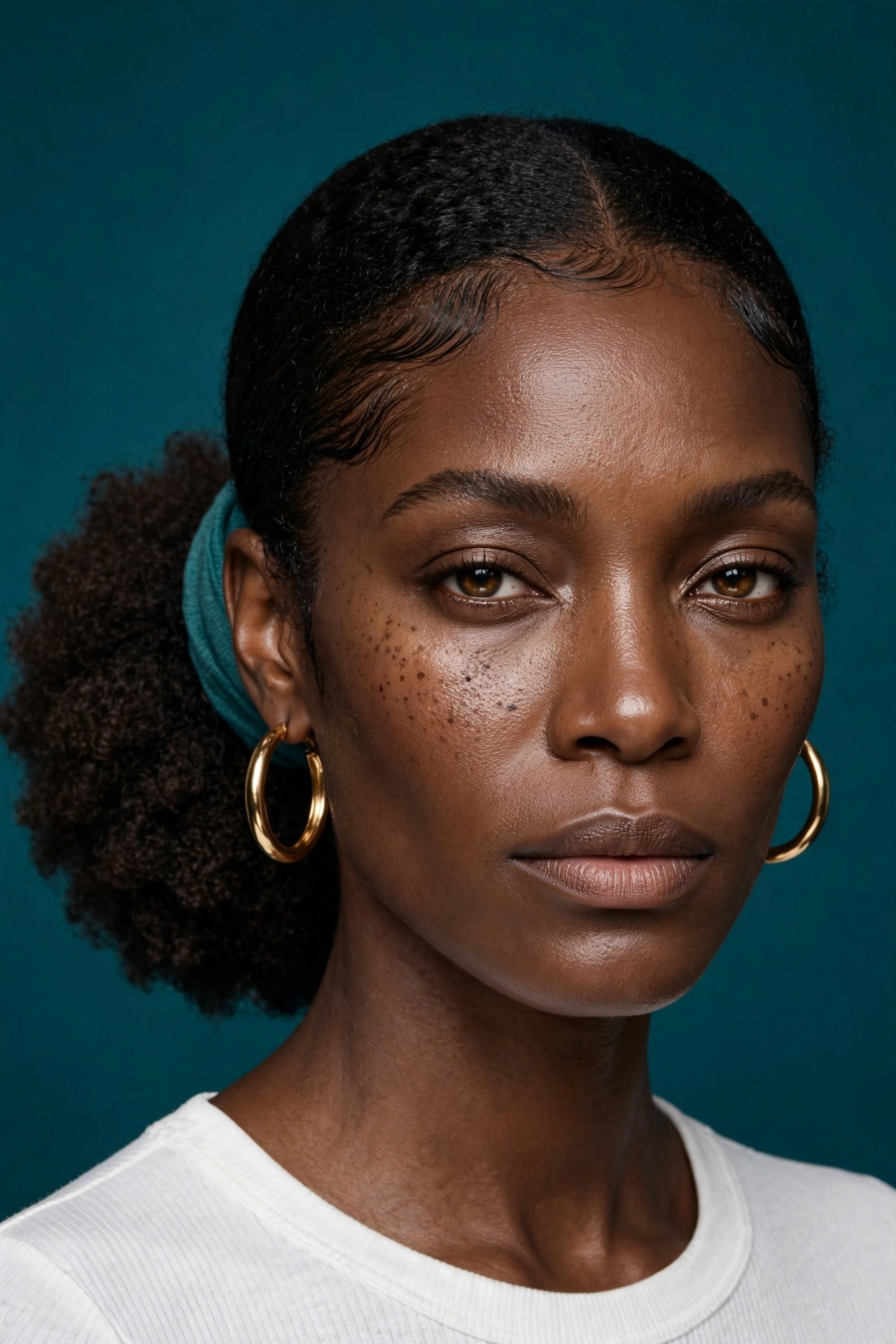
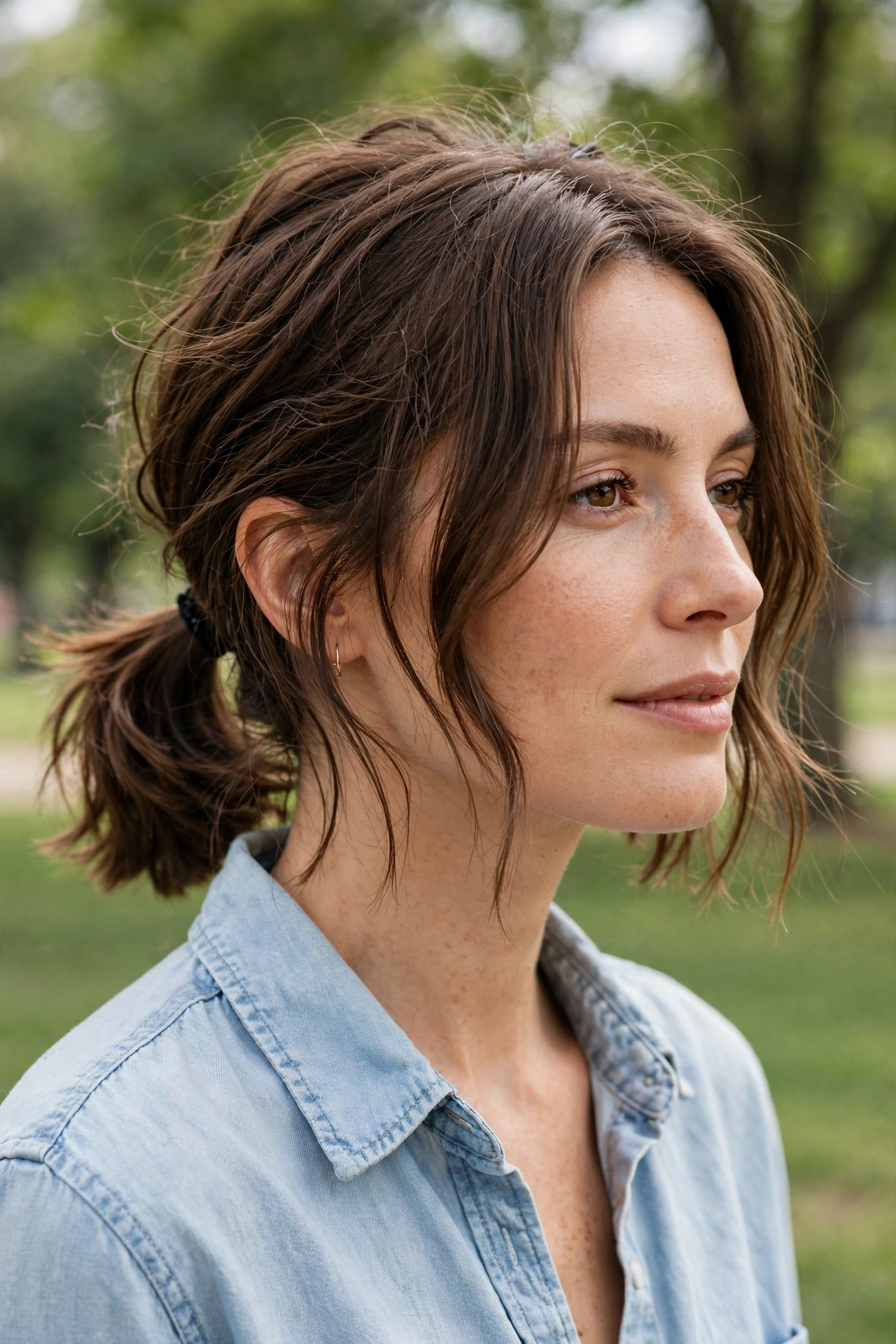
The Low Pony for Short Hair and Bobs
Shoulder-length hair and even a long bob can hold a low ponytail, provided you adjust expectations about size. Making it work:
- Secure lower and further back than you would on long hair
- Use a small elastic that grips rather than a thick scrunchie
- Grit pomade on the shorter pieces that want to escape
- Leave front sections out deliberately so it reads intentional
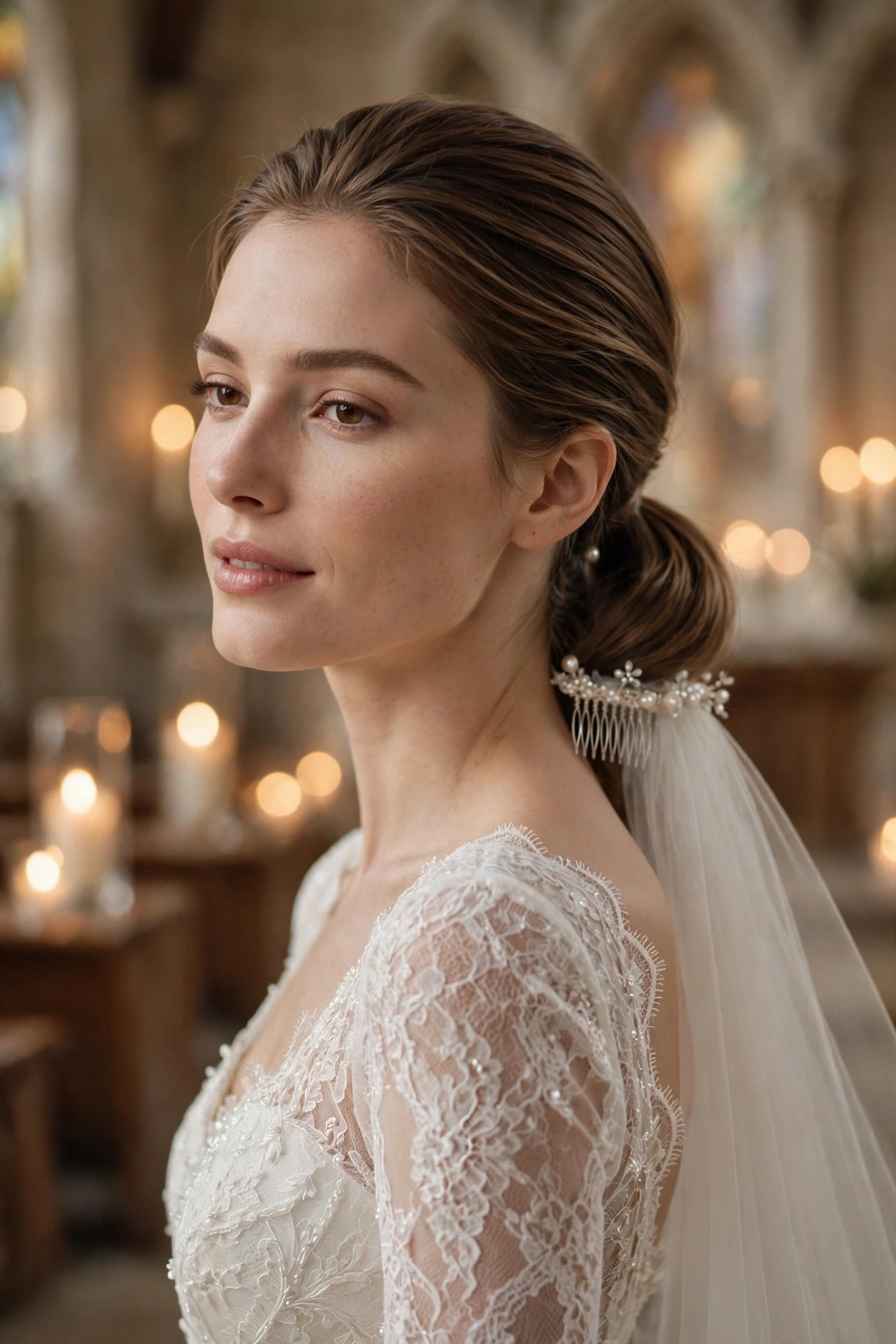
The Bridal Low Pony
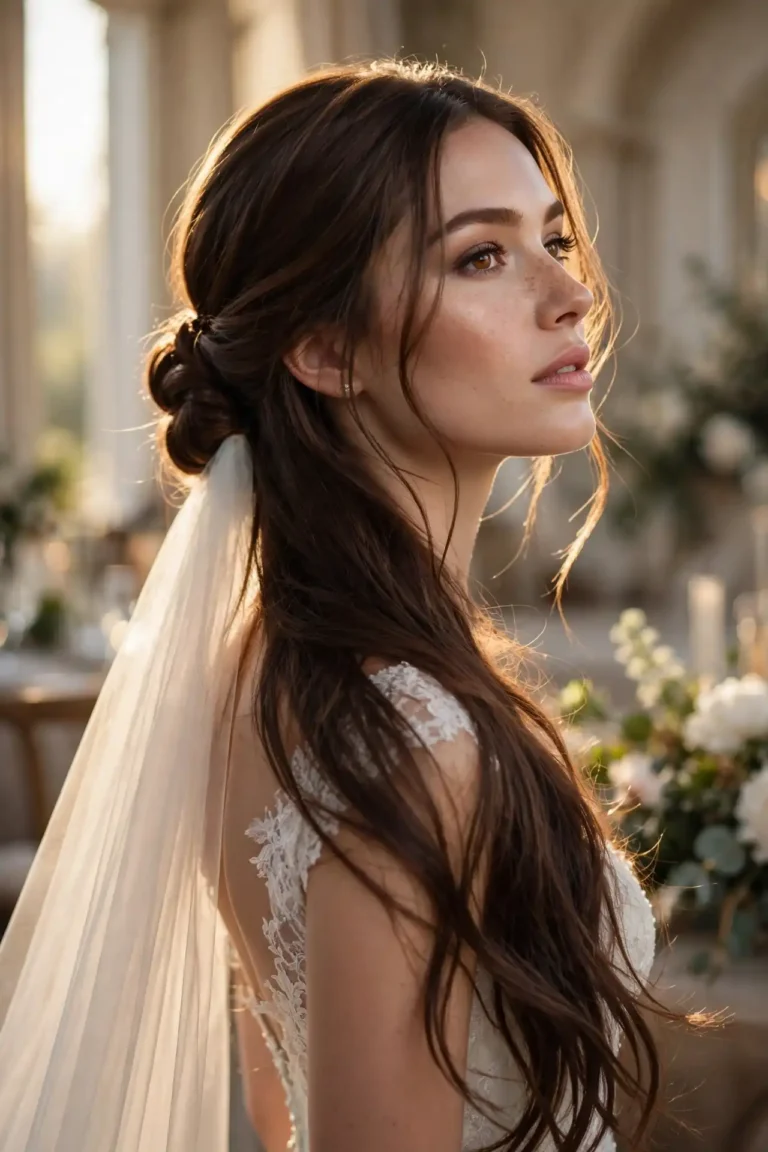
Sleek bridal ponytails have become a genuine alternative to the traditional updo, and they photograph beautifully from behind, which matters more than most brides realise. Anchor the veil comb underneath the ponytail base rather than through it. Book a trial, because a ponytail that holds at 2pm and one that holds at 11pm are built differently. Layered hairspray, applied in thin passes with drying time between, outperforms one heavy coat every time.
The Extended Low Pony
Clip-in extensions added before gathering give you the dramatic length that makes a low ponytail look editorial rather than practical. Two or three wefts positioned below the crown are enough. Match the texture as well as the colour, since a straight extension in wavy hair announces itself immediately. Wrapping a strand around the base is essential here, because it hides both the elastic and the clip line in one move.
What Nobody Tells You About Wearing Low Ponytails
Most roundups stop at the photos. These are the details that determine whether your ponytail helps or slowly damages your hair.
The Tension Problem Is Real
Wearing a tight ponytail in the same position every day causes cumulative, eventually permanent damage.
Traction alopecia develops from repeated pulling at the follicle, and ponytails are the most common cause because the tension concentrates in exactly the same spot day after day. It shows up first as thinning at the temples and along the hairline. Three habits reduce the risk substantially: vary the height and position through the week, switch to silk or fabric-covered elastics instead of rubber bands, and take it down in the evenings rather than sleeping in it. A headache after two hours in a ponytail is not normal, it’s a warning.
Choosing Placement for Your Face and Neck
| Feature | Best Approach | What to Avoid |
|---|---|---|
| Round face | Deep side part, height at crown | Flat centre part |
| Long face | Curtain bangs, low soft placement | Extreme sleekness |
| Square jaw | Side part, loose tendrils | Severe centre part |
| Short neck | Slightly higher placement, no bulk at nape | Very low, heavy ponytail |
| Long neck | Low nape placement | High placement |
| Fine hair | Wavy or braided variation | Tight sleek pony |
Prep by Hair Type
| Hair Type | Prep Product | Best Variation |
|---|---|---|
| Fine and straight | Volumising mousse at roots | Bubble pony, braided pony, wavy pony |
| Thick and coarse | Smoothing cream, then serum | Sleek classic, glass hair, wrapped strand |
| Wavy | Light texture spray | Tousled pony, loose nape pony |
| Curly | Curl cream, no brushing | Curly low pony, scarf pony |
| Coily | Light edge control, fabric band | Low puff pony |
| Short or bob | Grit pomade | Short hair pony, barrette pony |
The Sleek Ponytail Method That Actually Works
Sakkas describes the high-gloss supermodel ponytail as sleek, bump-free and luxurious, with preparation being the key to all of it. His approach starts with volumising mousse through the roots, then hair gel worked through the ends to keep everything smooth.
That order matters more than the products. Volume first at the roots stops the style reading flat, gel afterwards on the lengths controls the surface. Working in the opposite order gives you a ponytail that’s slick at the crown and frizzy at the tail, which is the most common home-styling failure.
Dealing With the Dent
Every ponytail leaves a crease when you take it down, and there’s no product that prevents it entirely.
What helps: position the elastic slightly differently each day so the same spot isn’t creased repeatedly, use a spiral or coil-style hair tie which distributes pressure more evenly, and take it down while your hair is completely dry rather than damp. If you need to wear it down later, a quick pass with a flat iron over the crease section fixes it in about ten seconds.
Final Thoughts
Low ponytails last because they solve the problem every other quick style eventually fails at. They take under two minutes, they suit almost every face shape when the part and placement are adjusted properly, and they scale from a gym session to a wedding without changing the fundamental technique. The 2026 versions lean softer and more romantic than the mirror-slick ponytails of a few years ago, but both approaches remain entirely wearable.
Start with the version that matches your hair type rather than the photo you liked most, because a sleek pony on fine hair and a sleek pony on thick hair require completely different preparation. Switch to fabric or silk elastics today, not eventually. Vary your placement across the week so your hairline stays healthy.
Save the styles that caught your eye and try one tomorrow morning. Most of them will take you less time than deciding which to try.
Frequently Asked Questions
How do I make a low ponytail look less flat?
Add lift at the crown before gathering. Gently tease the top section, smooth it over with a paddle brush, and use a volumising mousse at the roots beforehand. Curling the length or wrapping a strand around the elastic also adds visual fullness without changing the shape.
Are low ponytails bad for your hair?
Worn tightly in the same position daily, yes. Repeated tension at the same follicles causes traction alopecia, which shows first at the temples. Vary the placement across the week, use silk or fabric-covered elastics rather than rubber bands, and take it down at night.
Which face shape suits a low ponytail?
Nearly all of them, with adjustments. Oval and heart-shaped faces suit the classic sleek centre-part version. Round faces look better with a deep side part and crown height, while longer faces benefit from curtain bangs and a softer, less severe finish.
Can short hair be styled into a low ponytail?
Yes, down to roughly a long bob. Secure it lower and further back than you would on long hair, use a small gripping elastic rather than a bulky scrunchie, and apply grit pomade to short pieces. Leaving front sections out makes it look deliberate.