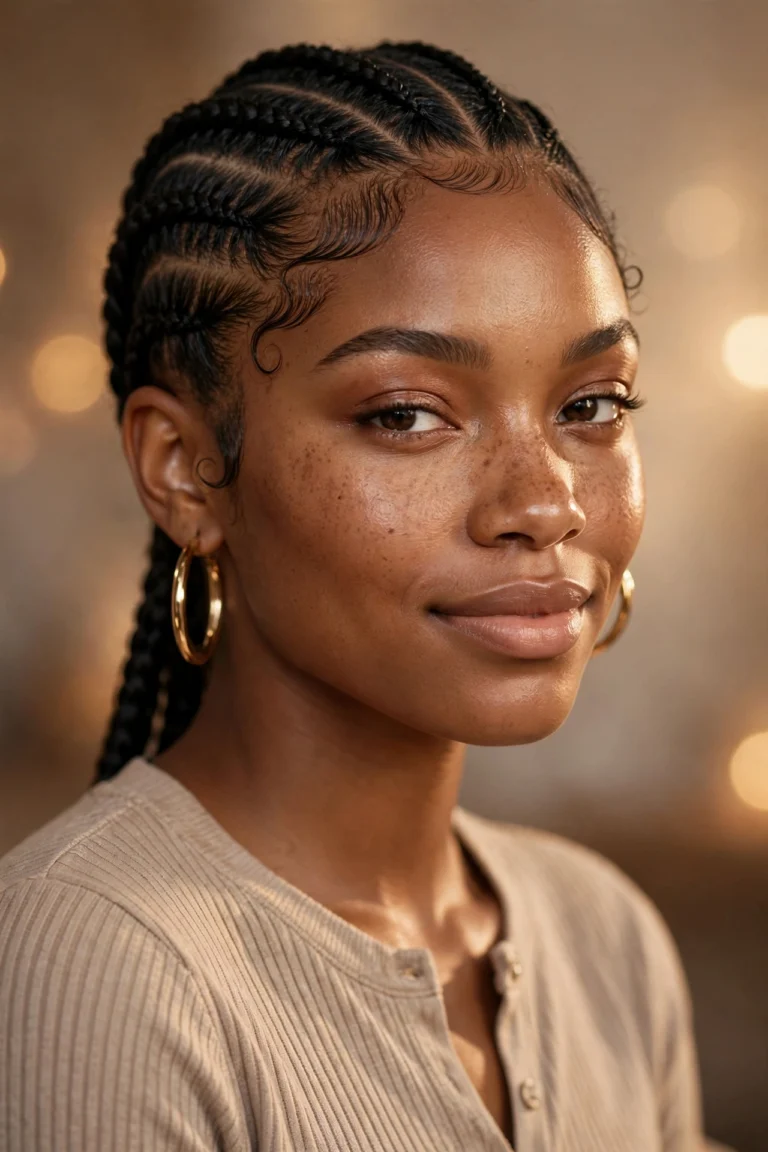
24 Short Haircuts with Bangs Ideas That Are Cute and Timeless
Cutting your hair short and adding a fringe are two decisions that people usually make separately, then regret making separately. The best short haircuts with bangs are designed as one shape, where the fringe belongs to the cut rather than sitting on top of it. Get that relationship right and the whole thing reads intentional. Get it wrong and you have two haircuts on one head.
The direction for 2026 is worth knowing before you book. Celebrity hairstylist Sky Kim describes the year as being about strong shapes with softness, keeping density and avoiding over-texturising so that every cut feels intentional. That’s a genuine shift, because the previous few years pushed texture hard. Meanwhile celebrity hairstylist Dimitris Giannetos reports that bangs of every type are back, from wispy fringes to curtain bangs to short French bangs, and that the momentum is continuing.
Twenty-four combinations follow, organised by the cut underneath rather than by face shape, so you can find the pairing that suits the length you already want.
Bobs with Bangs
The bob remains the most requested short cut in the world, and the fringe is what stops it looking generic.
1. The French Bob with Baby Bangs
A French bob sits at or just above the chin, and paired with a short blunt fringe it becomes one of the most photographed short cuts of the year. Precision is the aesthetic. Andreas Wild, London stylist and John Frieda UK’s creative stylist adviser, suggests baby bangs specifically for a fuller, more rock and roll effect on this shape. Straight and slightly wavy hair handle it best.
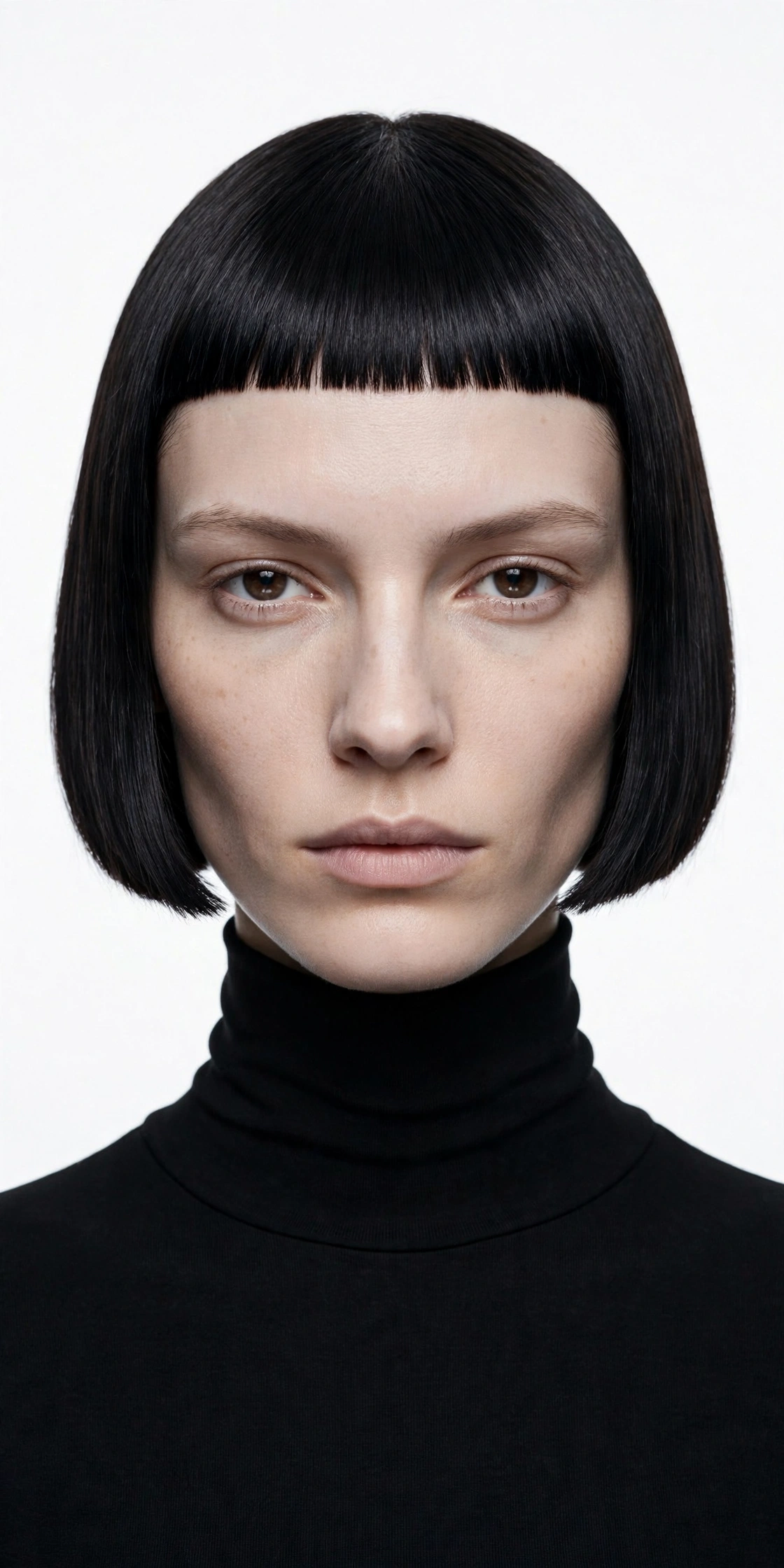
The Sculpted French Bob with a Soft Fringe
Ask a stylist which short cut defines 2026 and the French bob comes up more than anything else. Celebrity stylist Rogerio Cavalcante describes the sculpted version as sitting between the chin and the lips, slightly rounded at the ends with soft internal structure. His read on why it’s everywhere is that trends are leaning polished again, aligning with fashion’s return to tailoring. Pair it with a soft, blended fringe rather than a blunt one and the whole thing softens without losing shape.
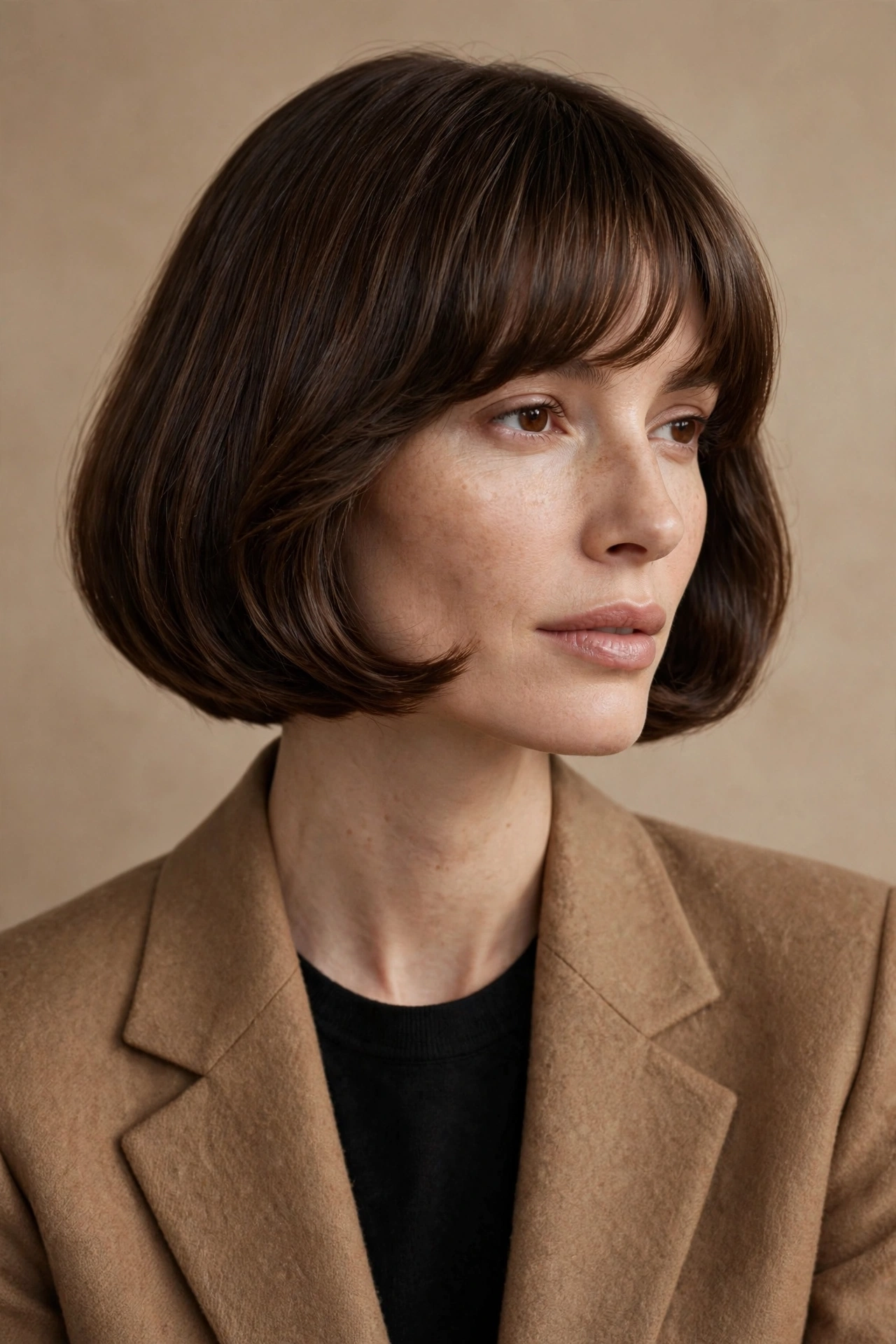
The Micro Bob with a Blunt Fringe
Why does this combination look so striking? Because two strong horizontal lines sitting close together create genuine graphic impact. The bob ends above the jaw, the fringe sits straight across the brow, and nothing about it is accidental. Neale Rodger, style director at STIL salon in London, makes the case for the blunt approach simply: a strong, even line gives you instant structure. It suits straight or slightly wavy, finer hair particularly well.
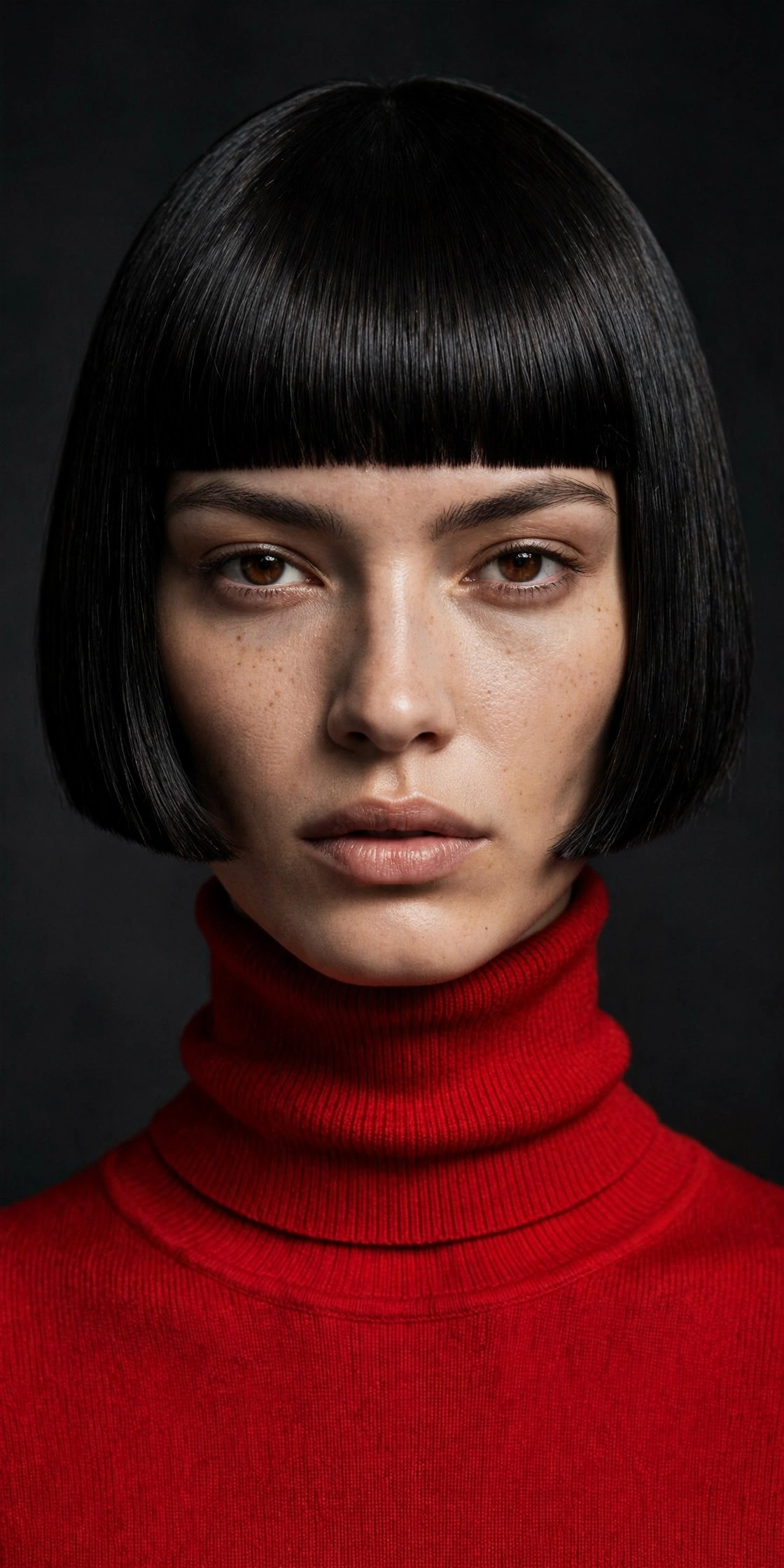
The Graduated Bob with Curtain Bangs
Six to eight weeks for the cut, two to three for the fringe. Those are two different appointments, and most people only budget for one. Graduated shapes build volume at the back while the front stays longer, and curtain bangs echo that same longer-at-the-front logic. The combination works because both elements move in the same direction. Air-drying gives you the lived-in finish this cut was designed for.
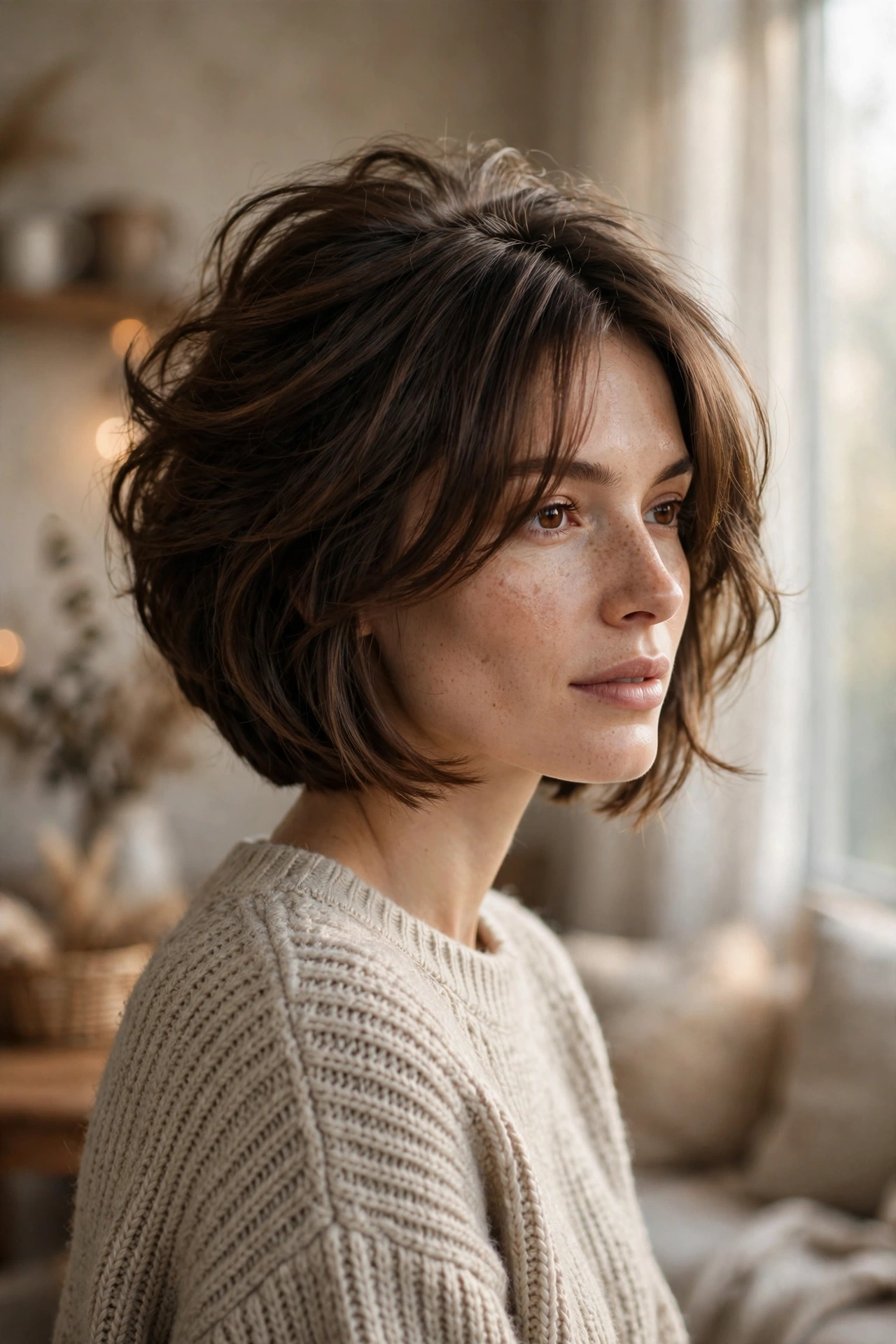
The Inverted Bob with Side-Swept Bangs
Curled under at the ends with a fringe swept diagonally across the forehead, this pairing delivers bounce and body in equal measure. The diagonal is the point. It cuts across the horizontal line of the bob and stops the whole silhouette reading as a rectangle. Karlie Kloss’s sleek version remains the reference most people bring in years later.
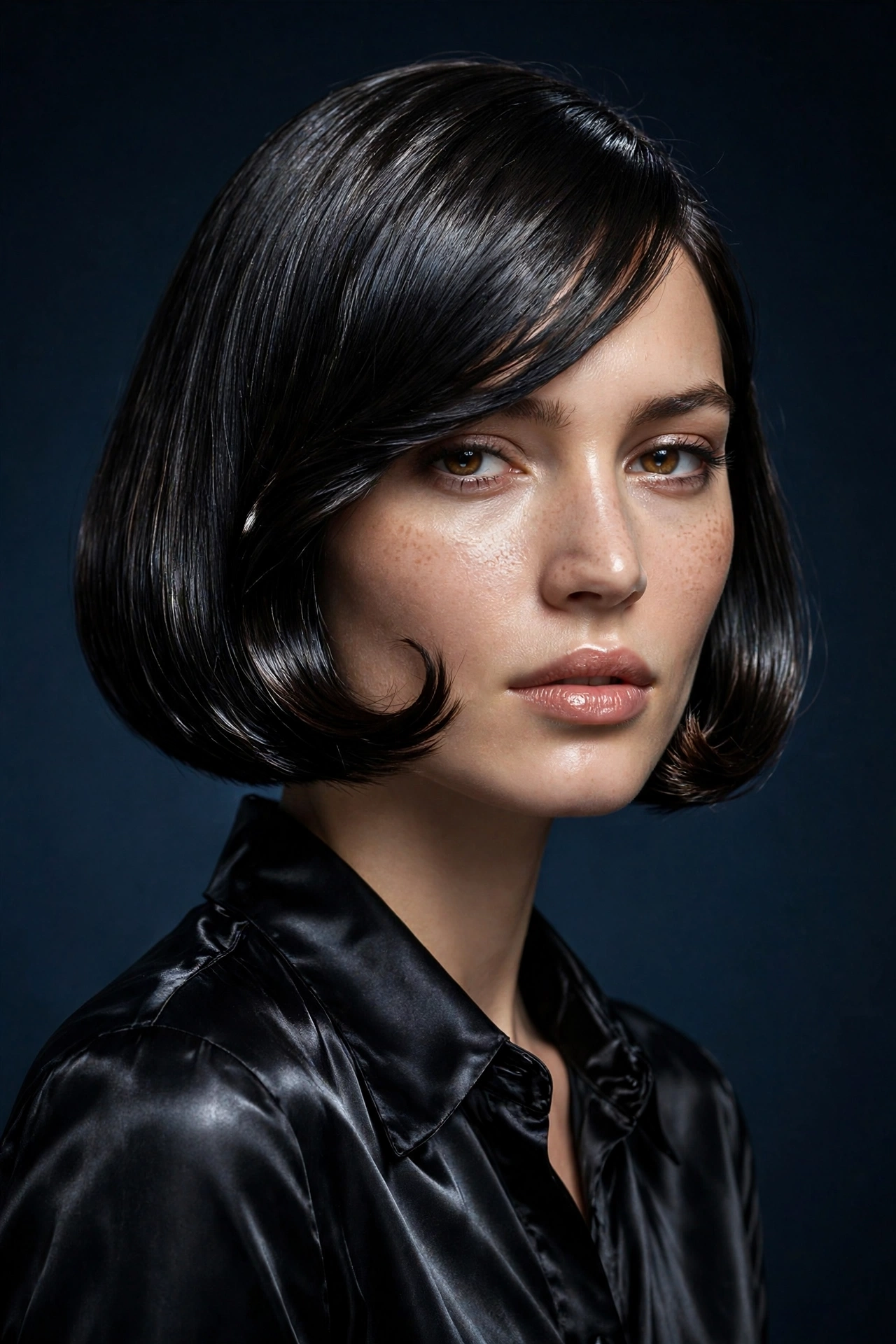
The Italian Bob with a Wispy Fringe
Most people assume a fringe adds weight. A wispy one does the opposite. Rounder and softer than the French bob, the Italian bob carries natural volume and a slightly undone quality. Sheila Guillermo, stylist at NYC The Team, describes the wispy fringe well: delicate, airy bangs that softly frame the eyes and melt into the shape rather than sitting apart from it. Fine hair benefits most, since a light fringe borrows very little from the hairline.

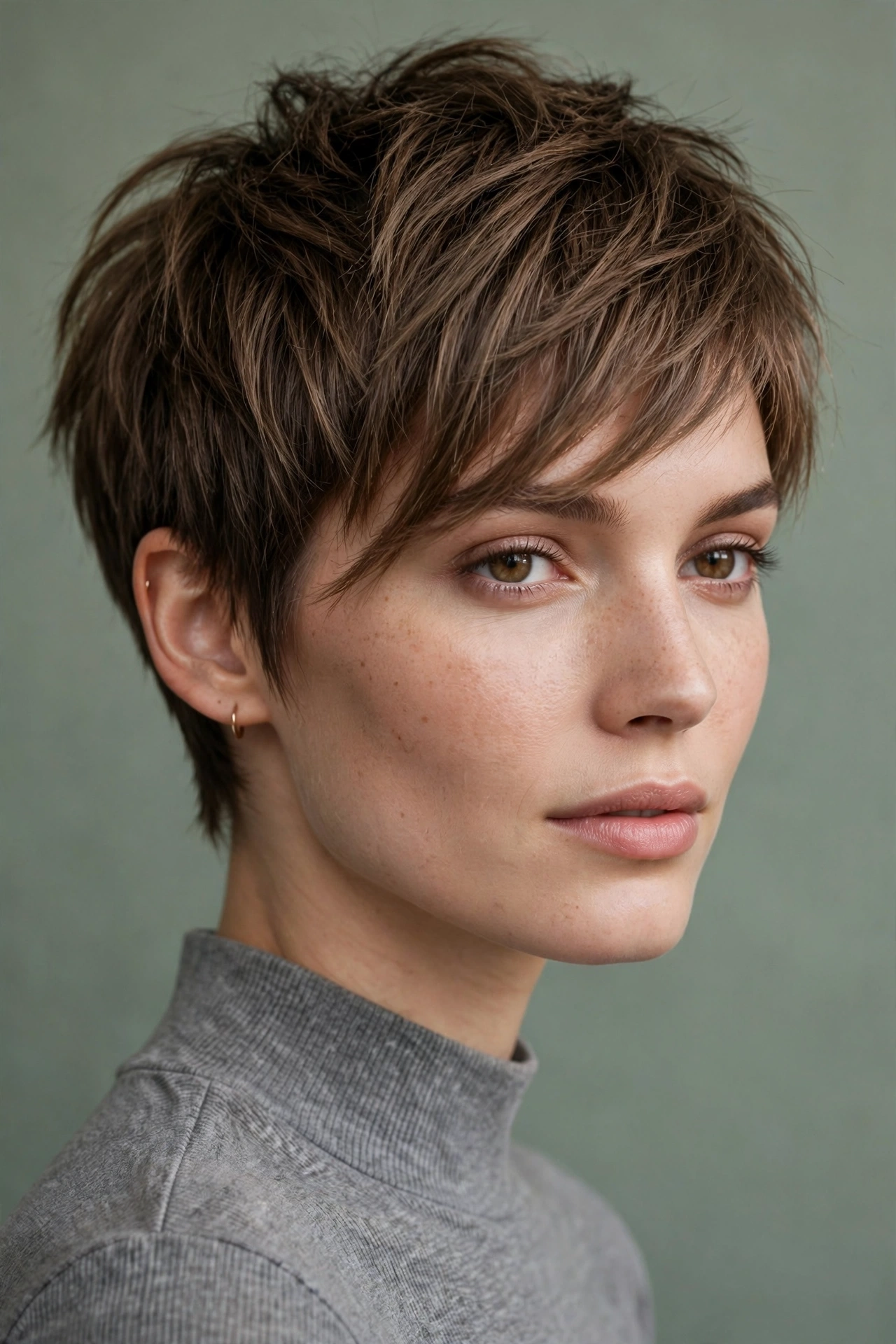
The Textured Pixie with a Side-Swept Fringe
Sweeping the fringe diagonally across the forehead softens what could otherwise read as severe.
Where this pairing earns its place:
- The diagonal breaks up the symmetry of a very short cut
- It keeps hair out of your eyes without needing pins
- Growing it out is easy, since it becomes a face-framing piece
- It suits nearly every face shape
- Flipping the ends with a straightener sets it in seconds
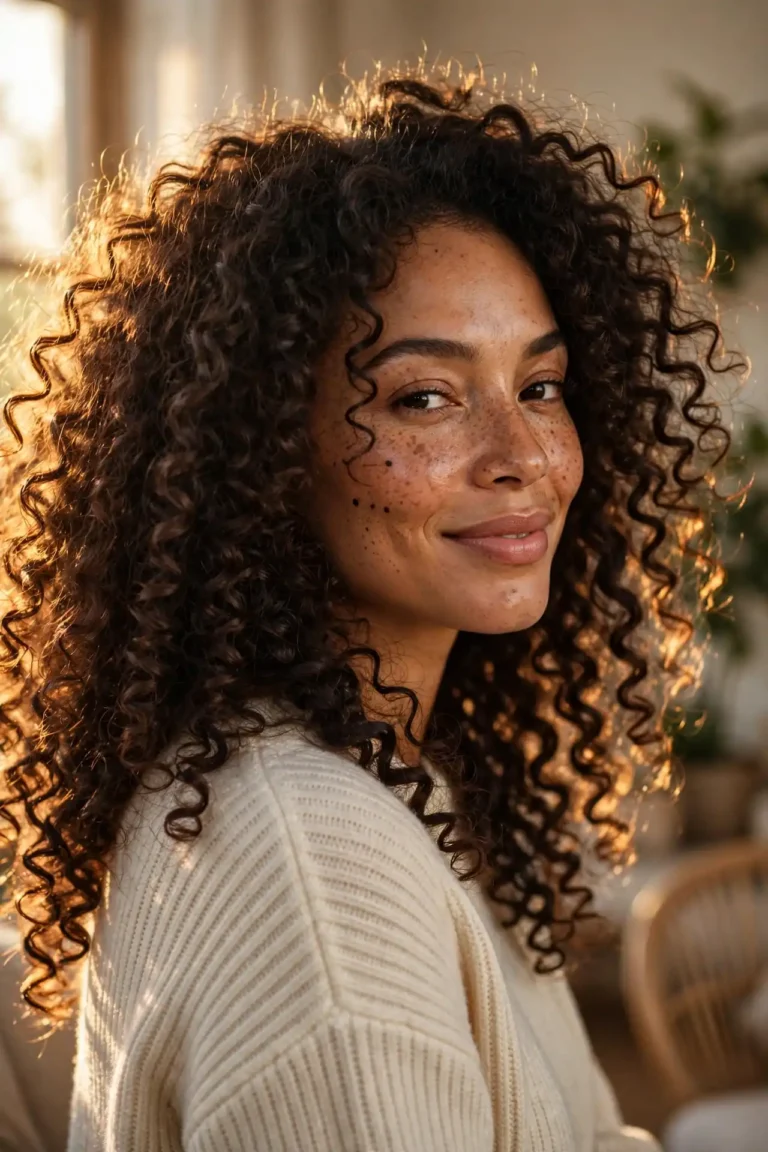
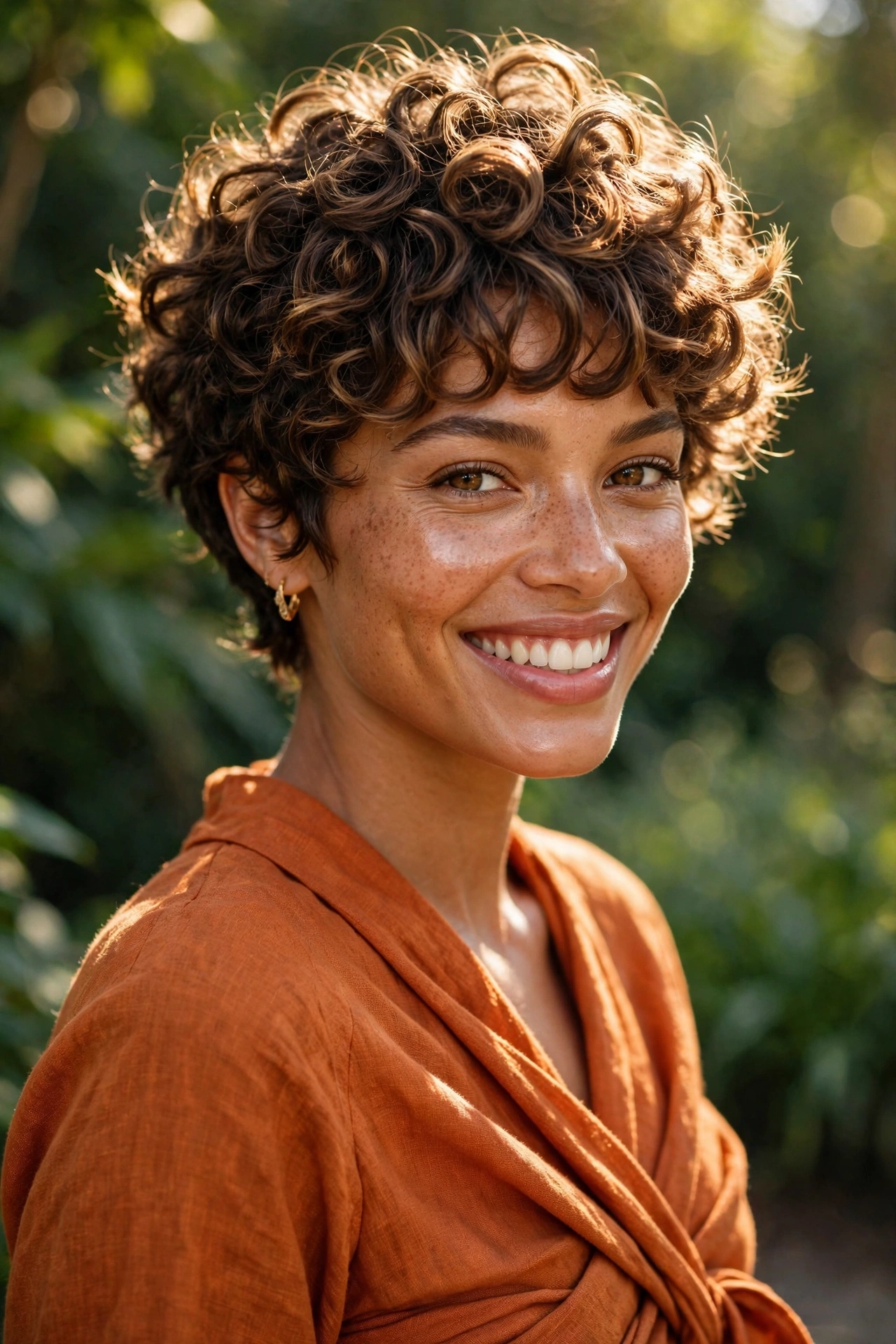
The Sculpted Curly Pixie with a Soft Fringe
Celebrity hairstylist Marcos Diaz has been clear that short hair is no longer synonymous with straight or sleek, describing the sculpted curly pixie as embracing natural texture and enhancing the curl pattern with softness at the temples and crown.
The fringe here must be cut dry. Curls shrink significantly as they dry, and a curly fringe cut wet will finish two inches shorter than you asked for. Longer is always the safer instruction.
The Pixie with Baby Bangs
Micro bangs sitting high on the forehead against a cropped cut make an unambiguous statement. Bold, graphic, and not for a hesitant week. The very short fringe creates a defined frame around the face, and paired with crown height it reads deliberately editorial. Budget a fringe trim every two weeks, because at this length even a few millimetres of growth changes the shape.
The Long Pixie with Curtain Bangs
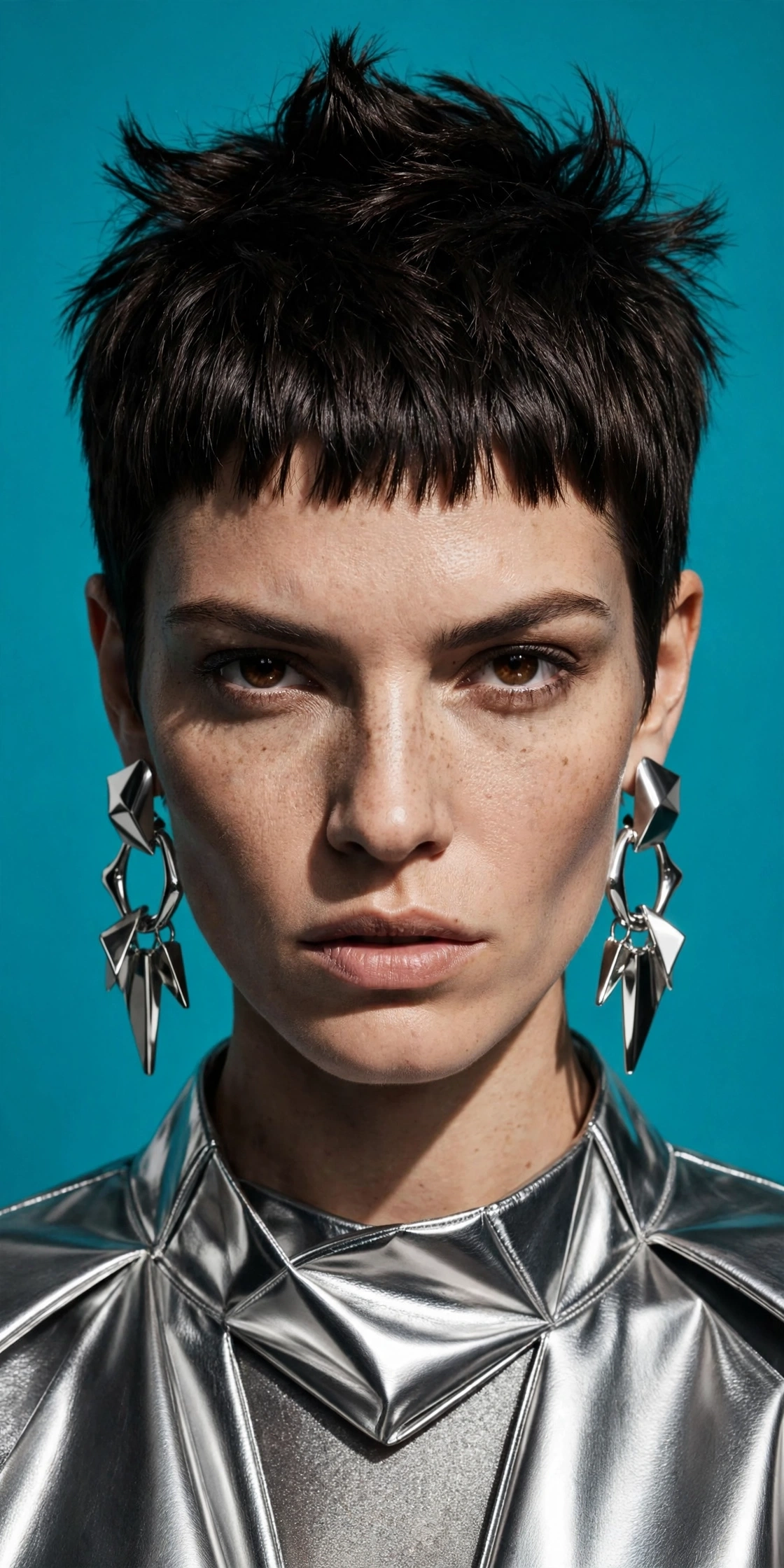
Two things happen here at once. The extra length on top gives you styling options, and the curtain fringe softens the front so the cut doesn’t feel like a commitment. It’s the version to choose if you’re testing whether short hair suits you. The centre-parted fringe blends into the front layers, which means it grows out invisibly rather than leaving you in an awkward stage.

The Sliced Pixie with a Wispy Fringe
Slicing removes weight without removing the outline, producing texture that sits close to the head. Delicate rather than choppy. It suits fine hair well and pairs naturally with an airy fringe, since neither element demands much hair to work.
The Classic Bixie with a Blended Fringe
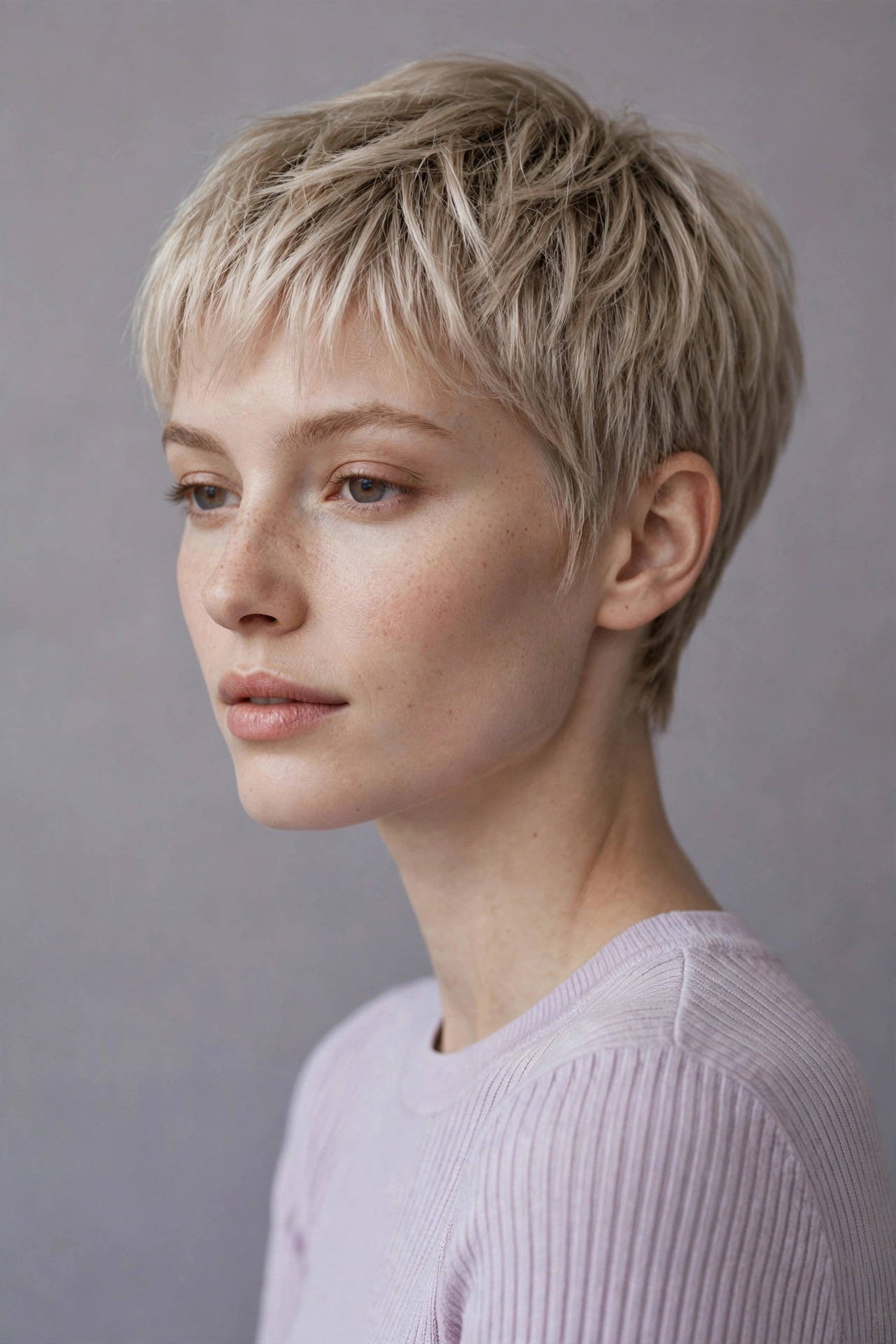
Jerome Lordet, owner of Jerome Lordet Salon in NYC, defines it neatly: the bixie is lighter and more textured than a bob but longer and softer than a pixie. Rodger’s advice for asking is worth quoting almost verbatim: think chin length or slightly above, with light choppy layers and a soft airy finish. A fringe blended into those layers rather than cut as a separate block completes it. Fine to medium hair benefits most.
The Shaggy Bixie with a Choppy Fringe
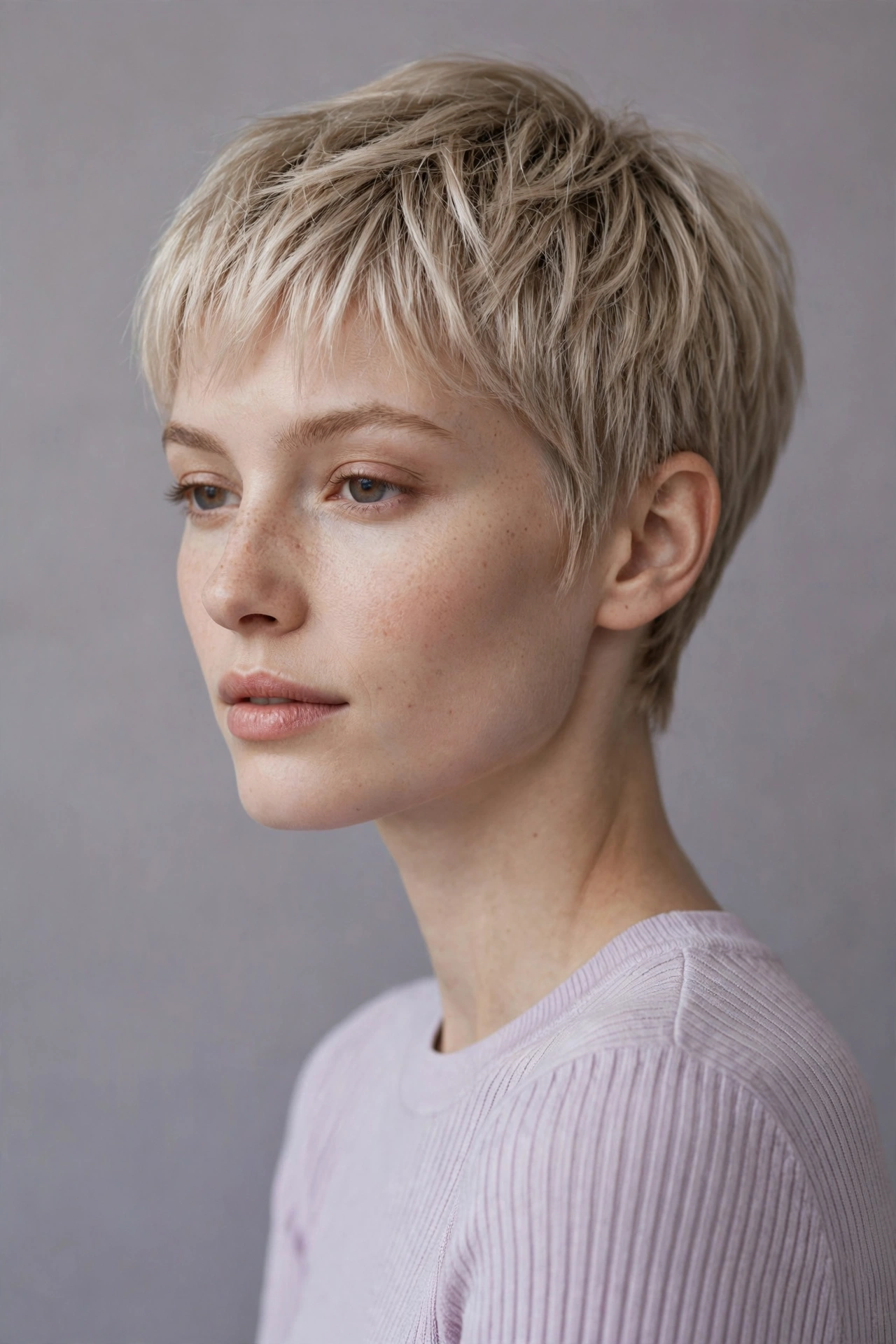
Five weeks. That’s the refresh schedule this shape needs, and the disconnection blurs first. Choppier, more disconnected layers with extra texture through the crown give you a lived-in, undone result. The fringe follows the same logic, cut roughly rather than precisely. Texturising spray scrunched into damp ends is the whole styling routine.

The Side-Parted Bixie
A deep side part introduces asymmetry to a short cut, and asymmetry is what stops short hair looking like a helmet. The fringe becomes part of the sweep rather than a separate feature. Wild recommends playing with parting specifically, noting that deep side parts and sleek middle parts both elevate the shape in different directions.
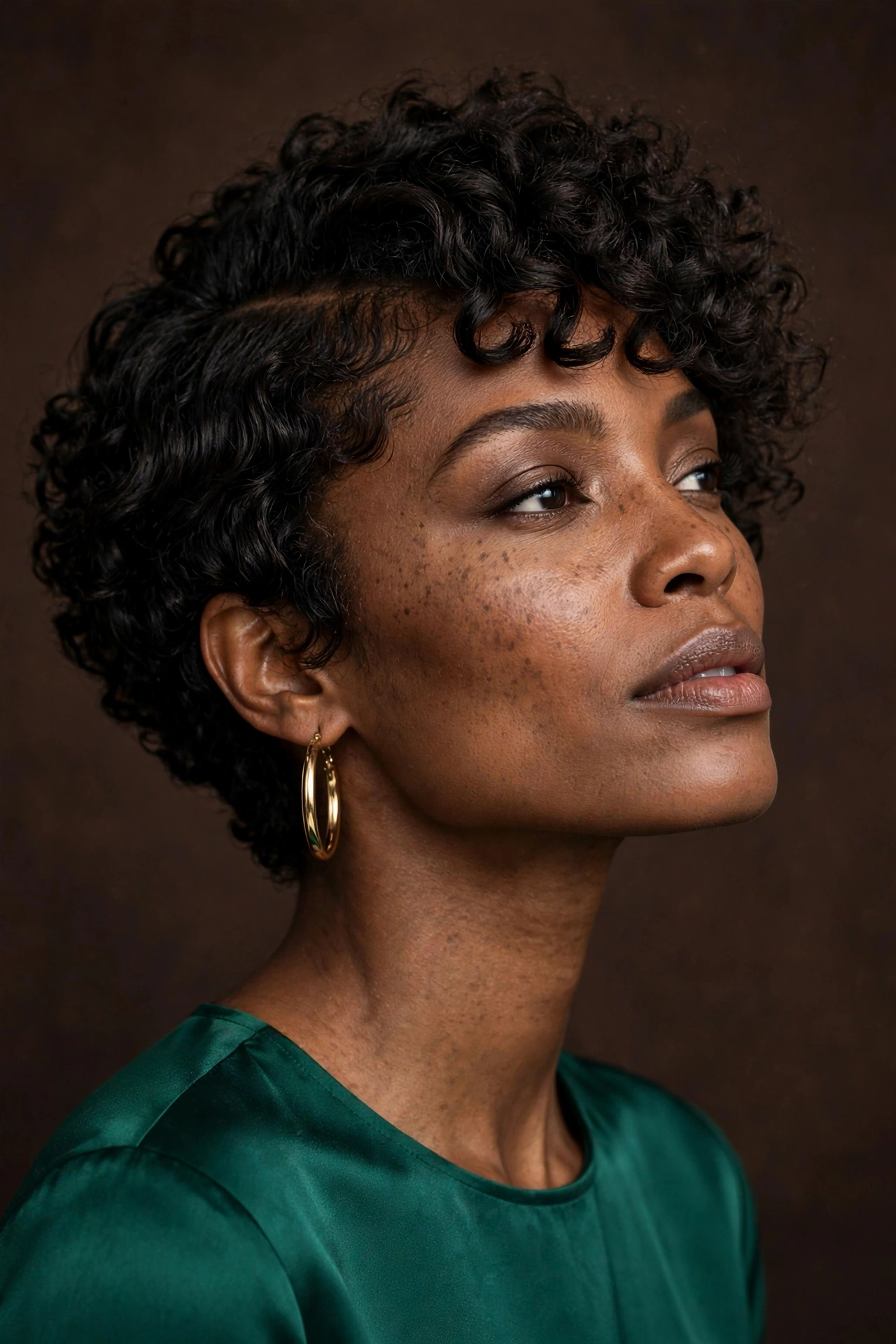
The Curly Bixie with Soft Bangs
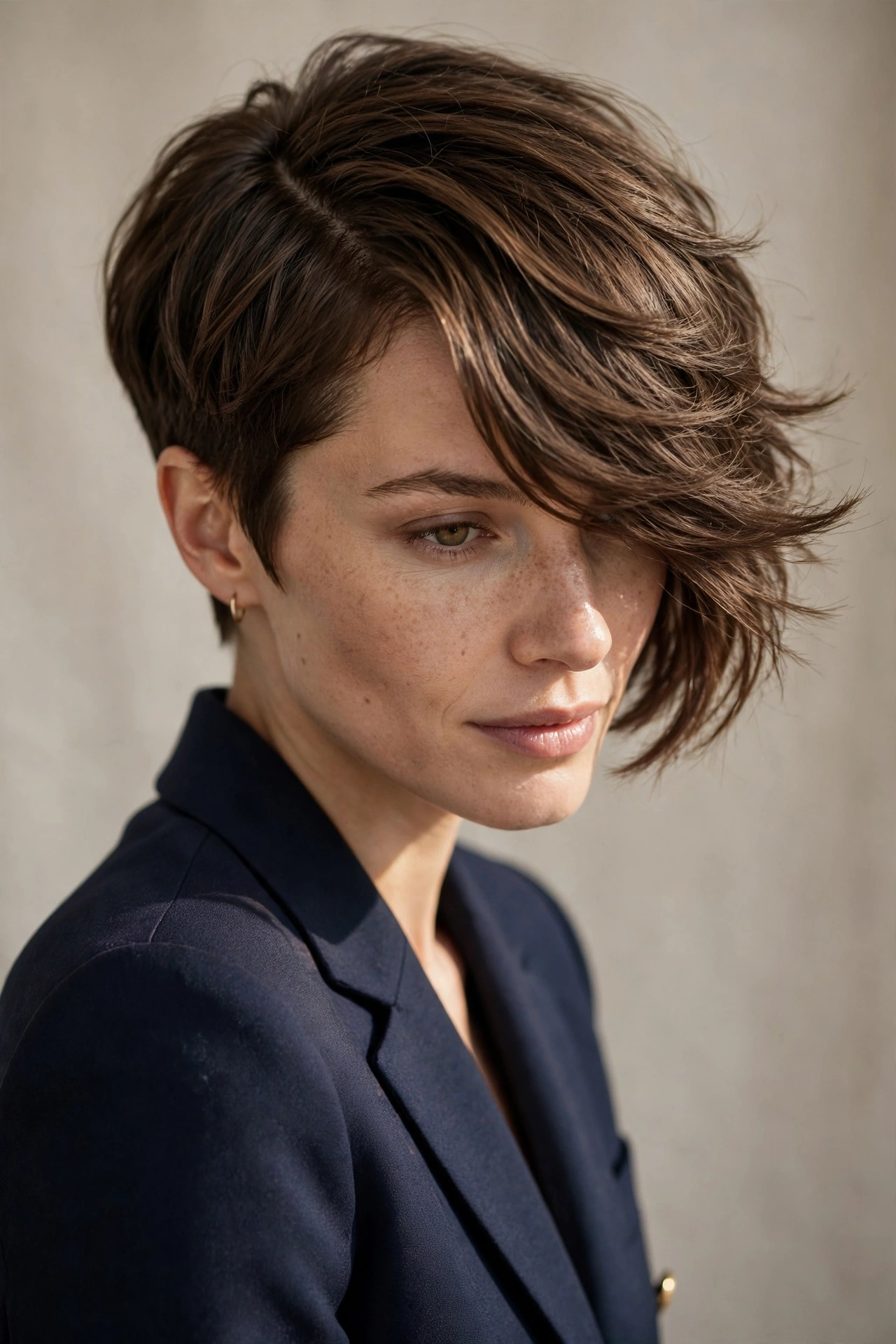
Curls add a layer of interest to any short cut, and the bixie’s layering gives them somewhere to sit. Deep side parting works particularly well here, since it lets voluminous texture take the spotlight without the shape widening. Taraji P. Henson’s curly bixie is the reference worth searching. Cut dry, always, and ask for the fringe to be shaped curl by curl rather than in a straight line.
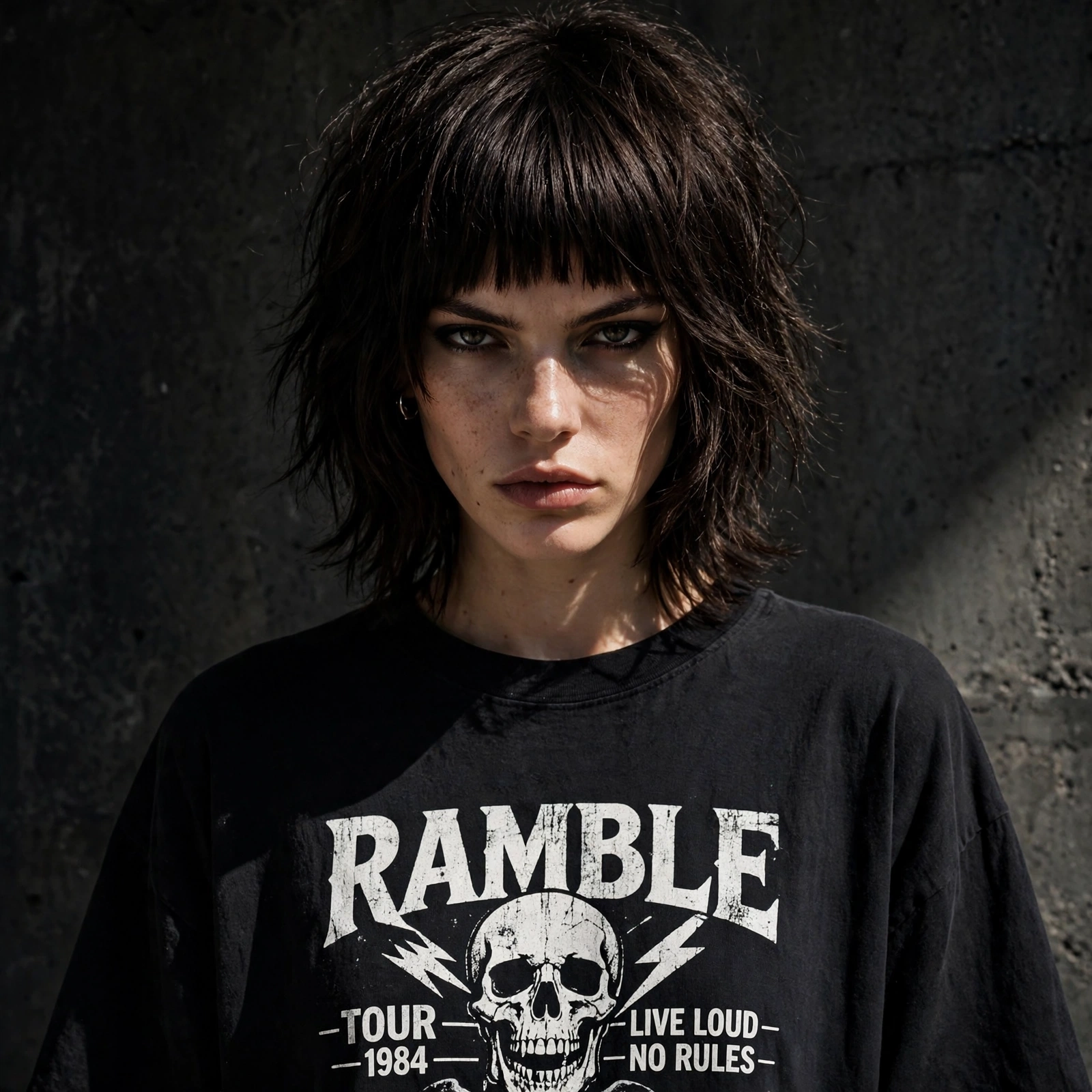
The Short Shag with a Heavy Blunt Fringe
Celebrity hairstylist Tommy Buckett describes this combination as merging the layered, effortless look of the shag with a bold, heavy fringe.
His specification is precise: hair short, around the ear or cheekbone, with plenty of face-framing texture, while the bangs stay dense and straight across. The contrast between soft layers and a hard fringe line is the entire appeal. It reads dramatic without reading costume.
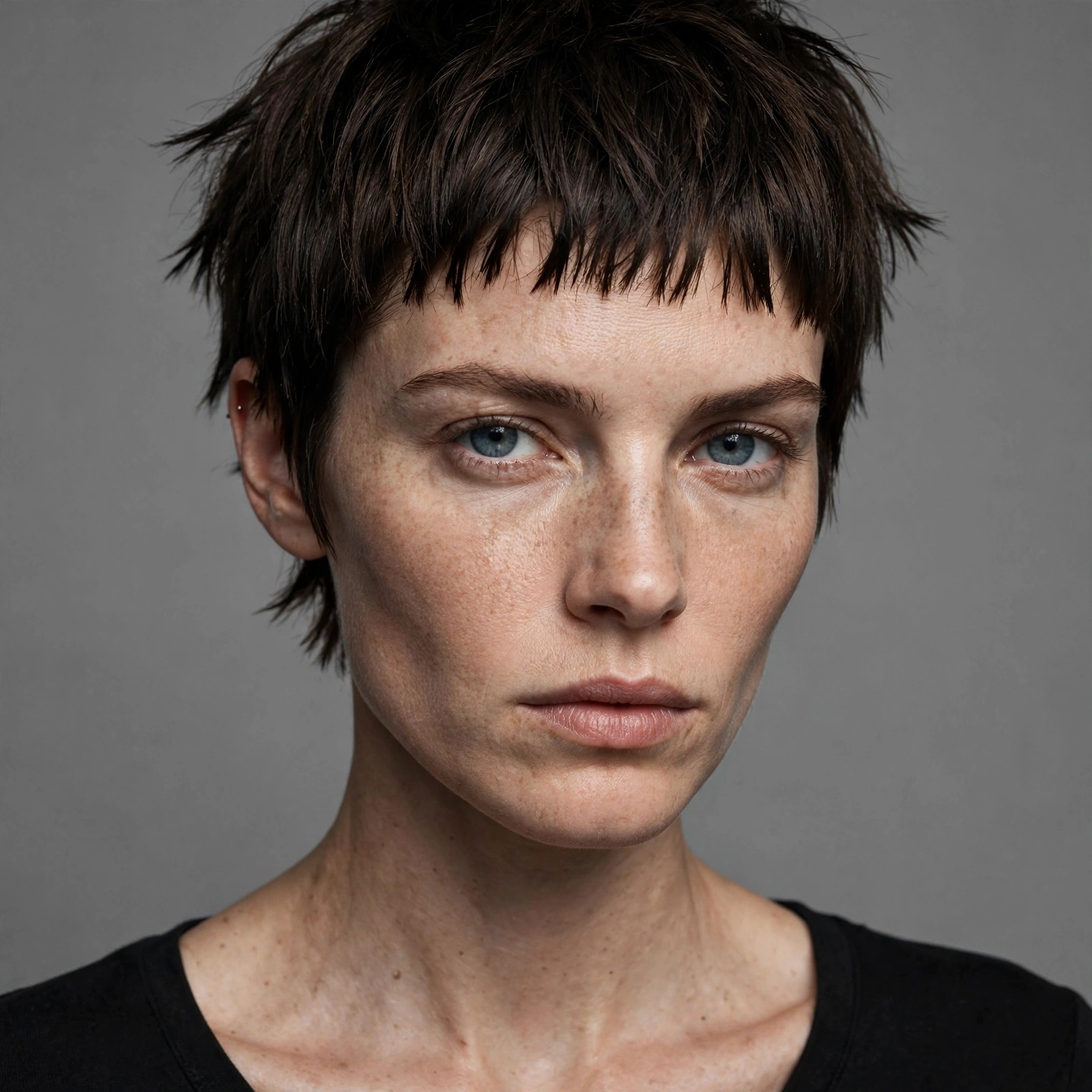
The Textured Crop with a Micro Fringe
Choppy, close-cropped and finished with a fringe barely reaching the forehead.
What makes it work:
- Point-cut layers through the top for movement
- A fringe cut with visible texture rather than a straight edge
- Matte paste rather than anything with shine
- Enough crown height to balance the short fringe
- Fortnightly fringe trims, non-negotiable
Thick, straight hair holds this best.
The Bixie-Shag Hybrid with Curtain Bangs
Softer bixie shaping merged with shag texture and a curtain fringe has become one of the most requested consultations in salons this year.
It gives you the cool, effortless quality without sacrificing fullness, which is the complaint people usually have about going very short. Medium to thick hair with some natural wave gets the best result.

The Wavy Crop with a Butterfly Fringe
Butterfly fringe is the softer, lighter counterpart to the curtain bang, shaped with delicate cascading layers rather than blunt structured pieces.
Those wispy feathered ends melt into a wavy crop more naturally than any other fringe type. Sea salt spray, scrunch, and you’re done. It suits nearly every face shape, which is rare.

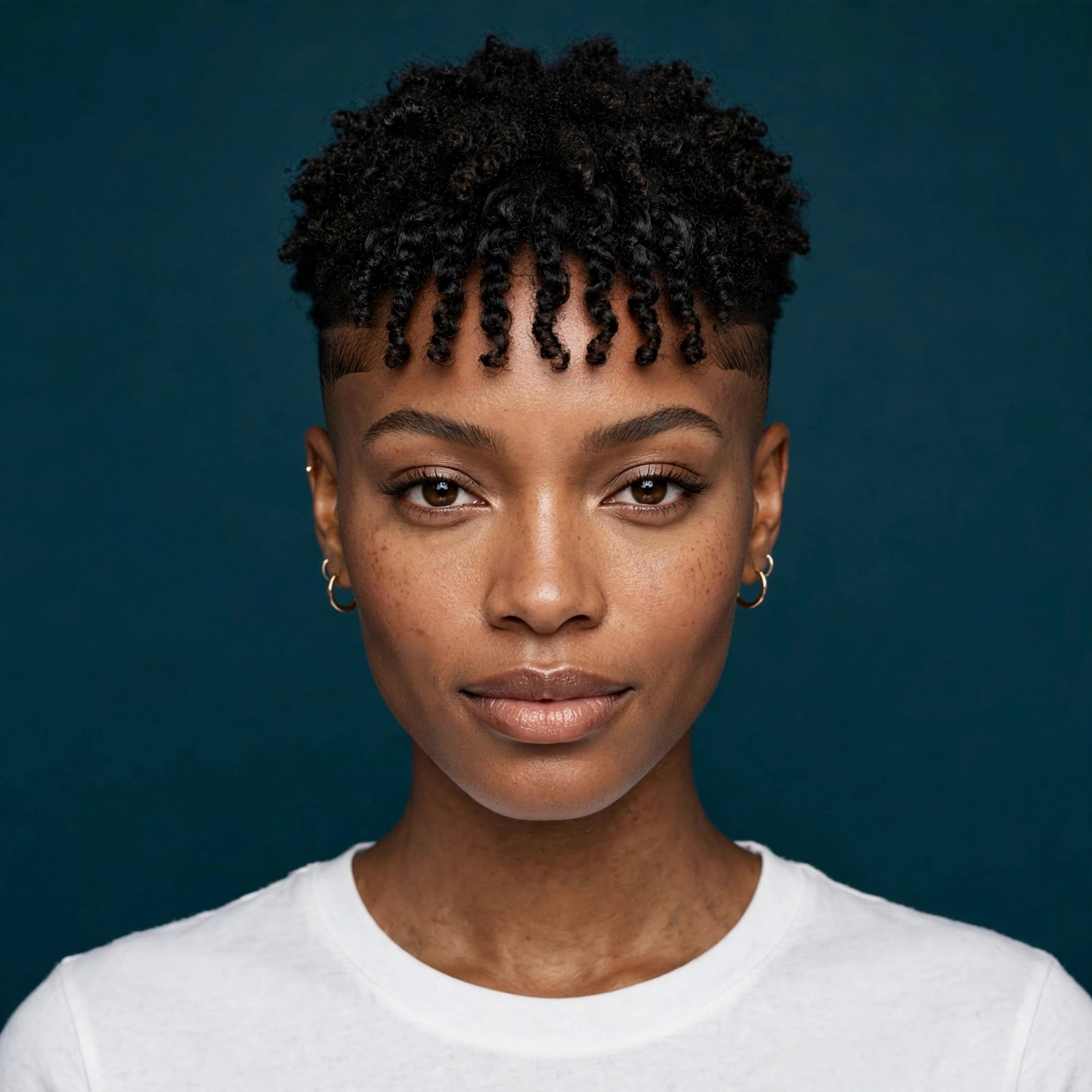
The Coily Crop with a Lineup and Short Fringe
Type 4 texture forms its own fringe shape naturally, which most short-hair guides overlook entirely. Keeping the top long enough for coils to fall forward across the forehead, with a crisp lineup and tapered sides, produces a defined, sculpted result. Refresh the lineup every two to three weeks. A light leave-in and gentle picking keeps the shape full without frizz.
Fringe-Led Statement Versions
Sometimes the fringe is the haircut and the length is just supporting it.
The Arched Fringe
Cutting the fringe with a slight upward curve at the outer edges rather than straight across softens the whole face.
The arch opens up the eye area and prevents the closed-in feeling a heavy straight fringe can create. It’s a small technical difference that changes the result considerably, and it’s worth asking for by name.

The Indie Textured Fringe
Is the wispy curtain bang era ending? Stylists are predicting a shift. With indie sleaze influencing fashion again, the forecast is toward fuller, more textured fringes with genuine presence and weight, rather than the soft wispy versions that have dominated. Still lived-in and slightly undone, but noticeably denser. If you’ve found curtain bangs too subtle, this is where the trend is heading.

Birkin Bangs on Short Hair
Long, softly separated bangs skimming the eyelashes, borrowed directly from Jane Birkin. On short hair the contrast between a long fringe and a cropped length is what makes it interesting. The fringe becomes the longest section of the cut, which inverts the usual proportion. It also happens to be forgiving, since the length gives you room before a trim becomes urgent.
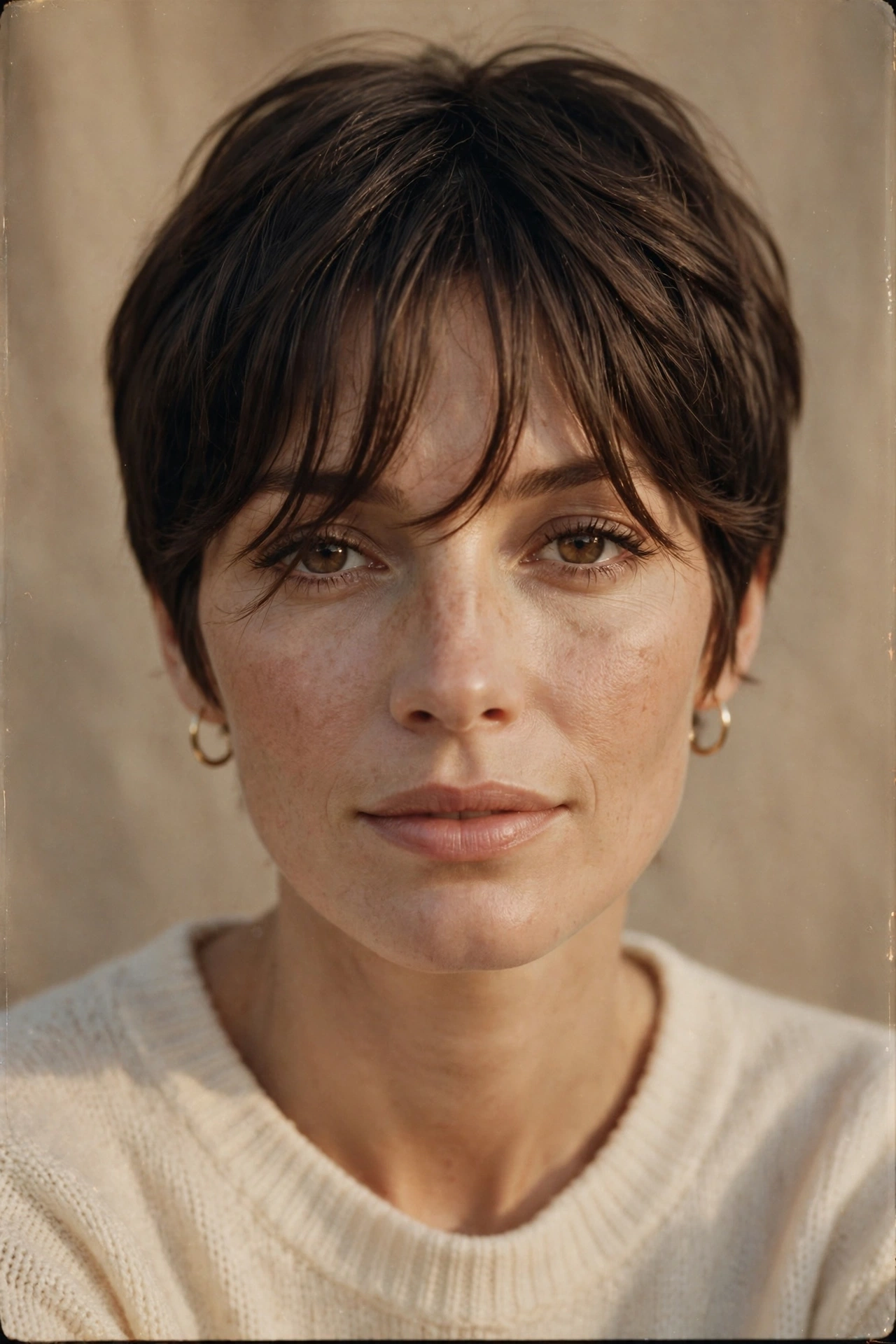
The Grown-Out Fringe
Not every fringe needs maintaining, and the grown-out version has become a look in its own right.
Why it works:
- The fringe becomes face-framing layers as it lengthens
- No awkward stage if the original cut was blended
- Trims drop to every eight weeks or longer
- It softens a short cut without any styling effort
- You can always cut it back in
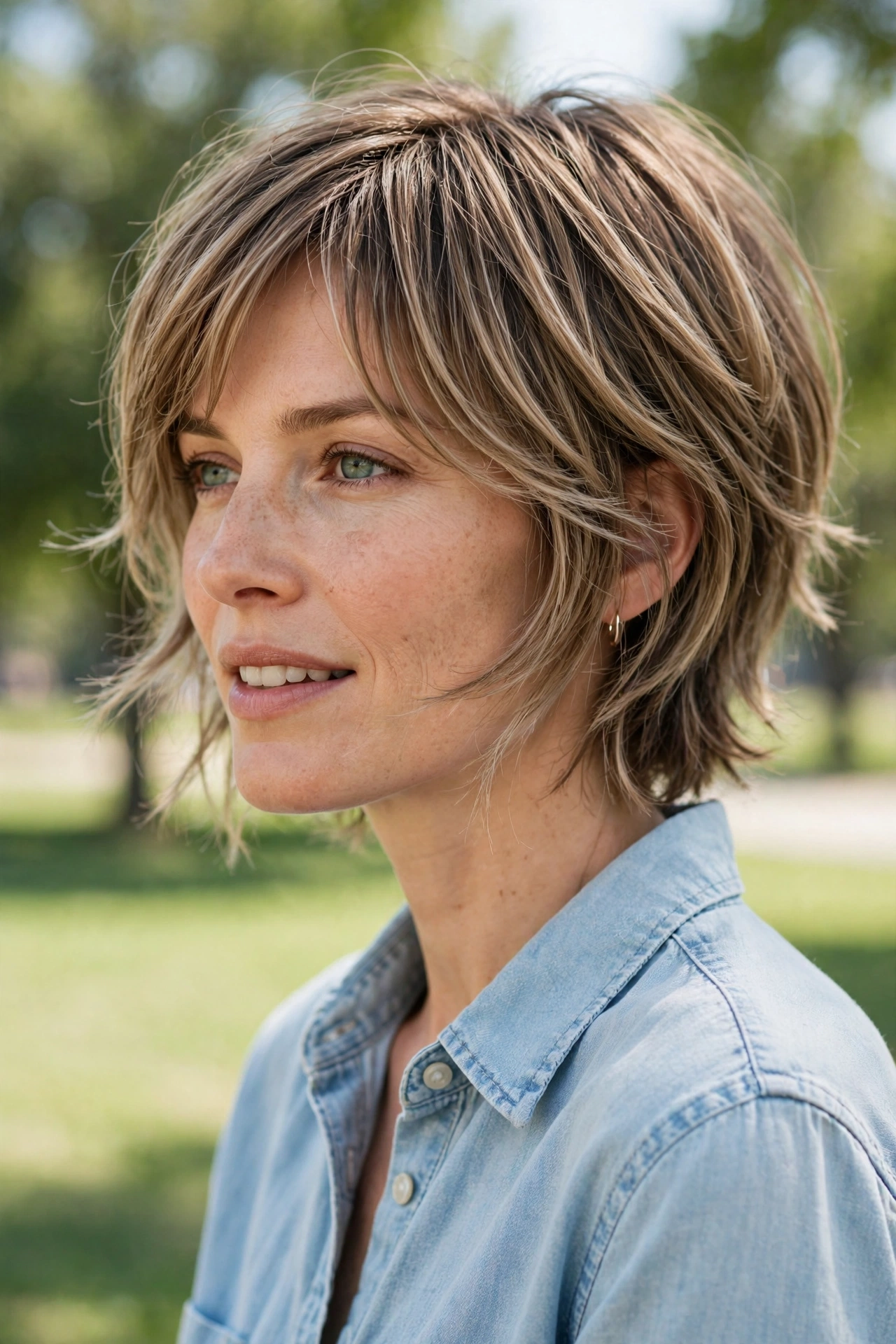
Marcos Diaz describes this quality of effortlessness as quiet luxury, chic without trying too hard, and the grown-out fringe is exactly that.
What Nobody Tells You Before Cutting a Fringe
Most roundups show photos and stop. These are the details that decide whether you keep the fringe past month two.
The Fringe Is a Separate Appointment
Your cut needs trimming every five to eight weeks. Your fringe needs it every two to three.
That’s the hidden cost, and it’s the single most common reason people abandon bangs. A fringe that grows a centimetre stops sitting where it was designed to sit, and on short cuts the effect is immediate rather than gradual. Many salons offer free or low-cost fringe trims between appointments, so ask when you book. Budget the time as much as the money, because that’s a visit roughly every fortnight for micro and blunt versions.
Check Your Cowlick Before You Commit
A cowlick at your hairline will fight a fringe every single day, and no product fully wins that argument.
Run your fingers back through your dry hairline and watch which direction the roots naturally want to travel. If there’s a strong swirl at the front, a blunt straight fringe will separate and lift no matter how it’s cut. The workarounds are real though: cutting the fringe longer gives the weight to hold it down, and a side-swept or curtain shape can be built to work with the growth direction rather than against it. Tell your stylist before they start, because a good one will adjust the shape rather than fighting your hairline.
The Over-Texturising Warning
Kim’s point about keeping density and avoiding over-texturising is worth taking seriously, since it contradicts most of the last five years of advice.
Thinning shears and heavy texturising remove weight permanently, and on a fringe that’s where the trouble starts. Over-thinned bangs go stringy, separate into pieces that won’t sit together, and grow back in with an uneven line. On fine hair especially, ask for point cutting rather than thinning shears, and ask for less texture than you think you want. You can always take more out at the next appointment.
Fringe Type by Cut and Trim Schedule
| Fringe Type | Pairs Best With | Trim Frequency |
|---|---|---|
| Baby or micro bangs | French bob, pixie, textured crop | Every 2 weeks |
| Blunt straight fringe | Micro bob, short shag, blunt bob | Every 2 to 3 weeks |
| Wispy see-through fringe | Italian bob, sliced pixie, bixie | Every 3 to 4 weeks |
| Curtain bangs | Graduated bob, long pixie, bixie-shag | Every 4 to 6 weeks |
| Side-swept fringe | Textured pixie, inverted bob | Every 4 to 6 weeks |
| Butterfly fringe | Wavy crop, soft bixie | Every 4 to 6 weeks |
| Birkin bangs | Any short cut, as a contrast | Every 5 to 6 weeks |
Choosing by Hair Type
| Hair Type | Best Fringe Choice | Avoid |
|---|---|---|
| Fine and straight | Wispy, see-through, blunt on a micro bob | Heavy dense fringes that thin the crown |
| Thick and coarse | Blunt, heavy, arched | Micro bangs, which can look bulky |
| Wavy | Butterfly, curtain, side-swept | Very short blunt, which lifts unpredictably |
| Curly | Rounded fringe cut dry, longer than target | Straight blunt lines, wet cutting |
| Coily | Short shaped fringe with a lineup | Anything requiring daily straightening |
| Fine with a cowlick | Longer side-swept or curtain | Blunt straight-across at any length |
Final Thoughts
Short haircuts with bangs endure because they solve two problems at once: the cut gives you shape, and the fringe gives you softness where a very short silhouette could otherwise feel severe. The pairings that last are the ones where the fringe was cut as part of the haircut rather than added afterwards.
Bring reference photos and point out specifically which element you’re responding to in each one. Check your cowlick before committing to anything blunt. Ask for less texturising than you think you need, since you can always remove more later but you cannot put it back. Budget the fringe trims honestly, because that schedule is what determines whether you still love this in three months.
Save the combinations that stopped your scroll and take three of them to your consultation. The fringe conversation is the one worth having in detail, since it’s the part that changes most between the photo and your face.
Frequently Asked Questions
How often do bangs need trimming on short hair?
Every two to three weeks for micro and blunt fringes, and four to six for curtain, side-swept and butterfly styles. That’s separate from your main cut, which needs attention every five to eight weeks. Many salons offer free fringe trims between appointments, so ask when booking.
Can I get bangs if I have a cowlick?
Yes, with adjustments. A blunt straight fringe will separate and lift over a strong cowlick, but cutting it longer adds weight that holds it down, and a side-swept or curtain shape can be built to work with the growth direction. Tell your stylist before they start cutting.
Which short haircut with bangs suits fine hair?
A French bob or micro bob with a blunt fringe, since the strong even line creates the appearance of density. Wispy see-through bangs also work well because they borrow very little hair from the hairline. Avoid heavy dense fringes, which thin the crown noticeably.
Should curly bangs be cut wet or dry?
Dry, always. Curls shrink significantly as they dry, so a fringe cut wet at your target length finishes far shorter than intended. Ask your stylist to shape it curl by curl rather than in a straight line, and to leave it longer than you think you need.