24 Men’s Haircuts and Styles That Barbers Recommend Most
Ask a barber what they actually recommend, as opposed to what’s trending on social media, and the answer is usually some version of the same thing: a cut that suits your hair type, fits your morning routine, and still looks intentional at week four. The men’s haircuts dominating barbershop requests right now all pass that test, which is precisely why they’re dominating.
The single biggest shift in 2026 is toward softer execution. Low taper fades have overtaken high skin fades, matte finishes have replaced glossy pomades almost entirely, and barbers are blending lower and gentler so cuts grow out gracefully rather than looking unkempt after a fortnight. The textured crop with a fade has held the top spot in salon and barbershop requests for three consecutive years according to the Professional Beauty Association’s trend reporting, and the reason given is always the same: it works on nearly every face shape and hair type.
Twenty-four cuts follow, each with what to say at the chair, realistic upkeep, and who it genuinely suits.
The Short Cuts Barbers Recommend Most
These six account for the majority of chair time in most shops, and there’s a reason each one keeps getting requested.
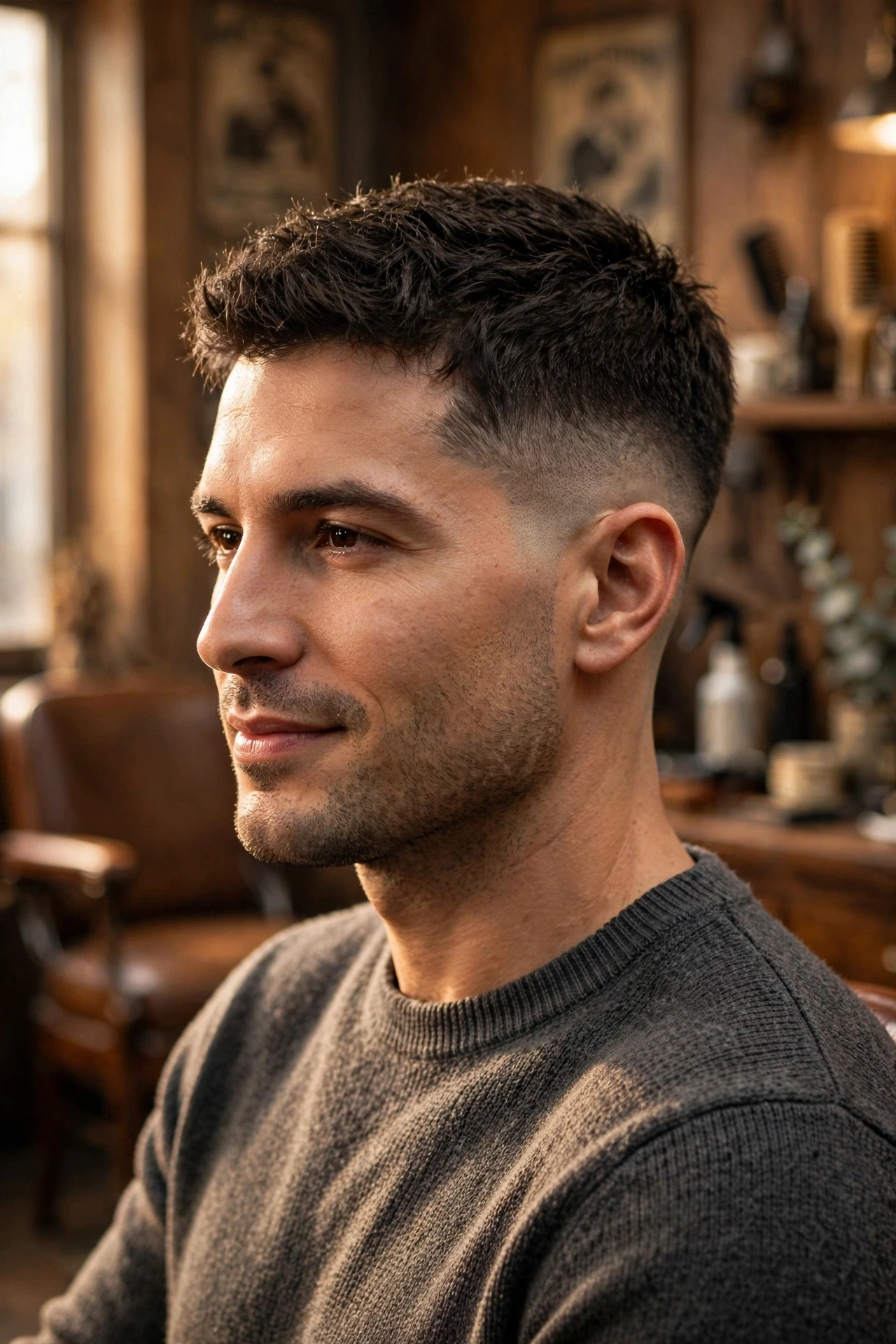
The Textured Crop with a Low Taper Fade
The most requested men’s haircut in the world right now, and it earns the position. The top stays roughly one and a half to three inches with deliberate choppy texture created through point cutting or razor work, while the sides taper into a clean fade sitting lower than in previous years.
That lower fade placement is the 2026 update. Rather than a high skin fade that announces a fresh haircut and looks overgrown within two weeks, barbers are blending softer so the cut ages better between visits.
What to ask for: a textured crop, short on the sides with a low taper fade, choppy texture on top and a matte finish. Styling takes two to five minutes with a matte clay worked through dry hair from back to front, separating pieces with your fingertips. Straight and wavy hair give the cleanest result, though it adapts to almost anything.
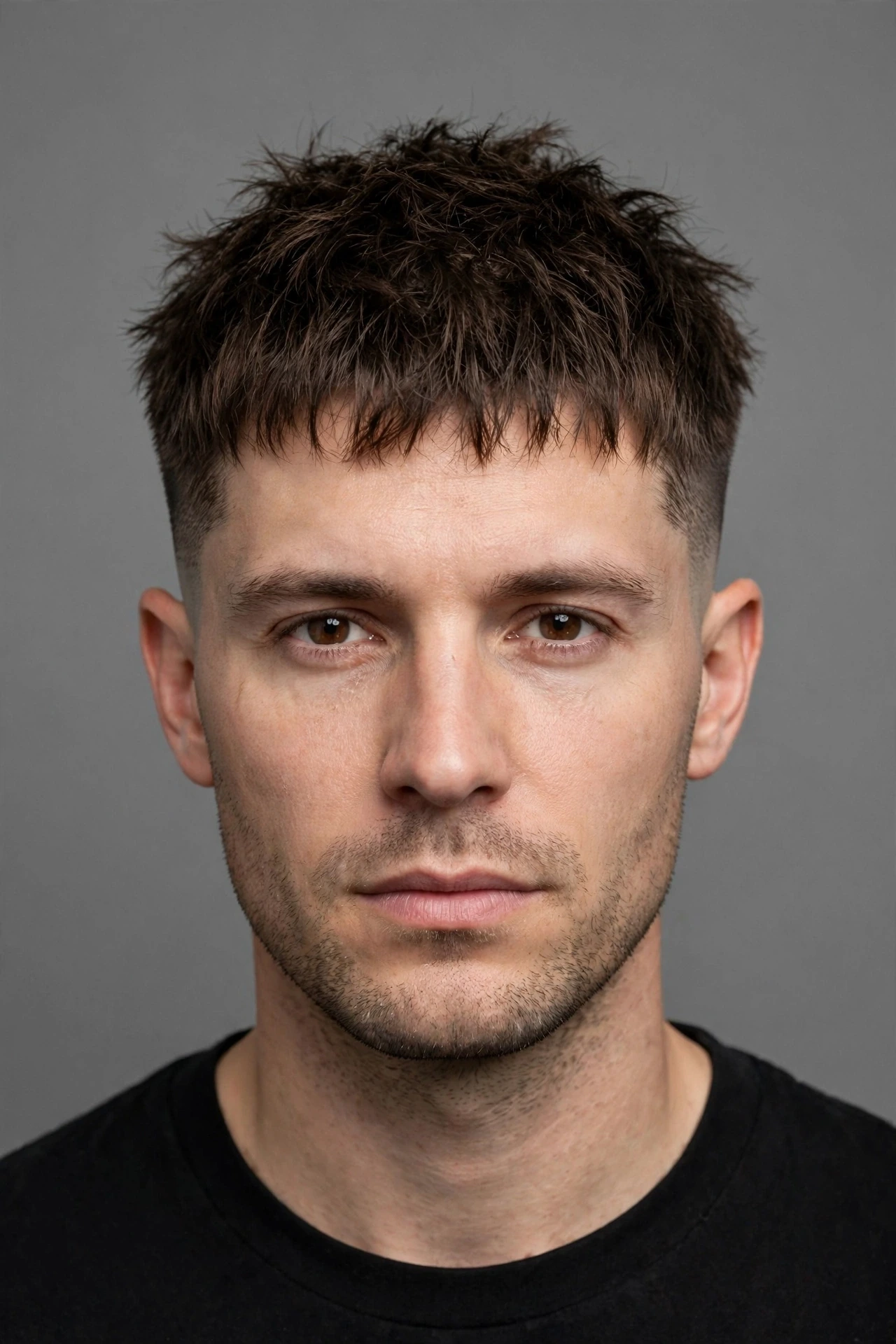
The French Crop
Fringe placement makes or breaks this cut, and most guys get it wrong by half an inch. The defining feature is a blunt fringe falling across the forehead, short enough to look deliberate and long enough to have character. Mid-forehead is the sweet spot barbers consistently recommend. Cut too short and it reads as a bowl cut mistake, too long and it looks like you’re covering something.
The sides are faded or tapered, the top sits forward rather than up. It’s one of the most conservative options here, which makes it a reliable choice for corporate environments where a mullet or a hard part might raise eyebrows. Style it with texture powder dusted into dry roots at the front and crown, then push everything forward with your fingers and pinch the fringe into separated sections so it looks textured rather than blunt.
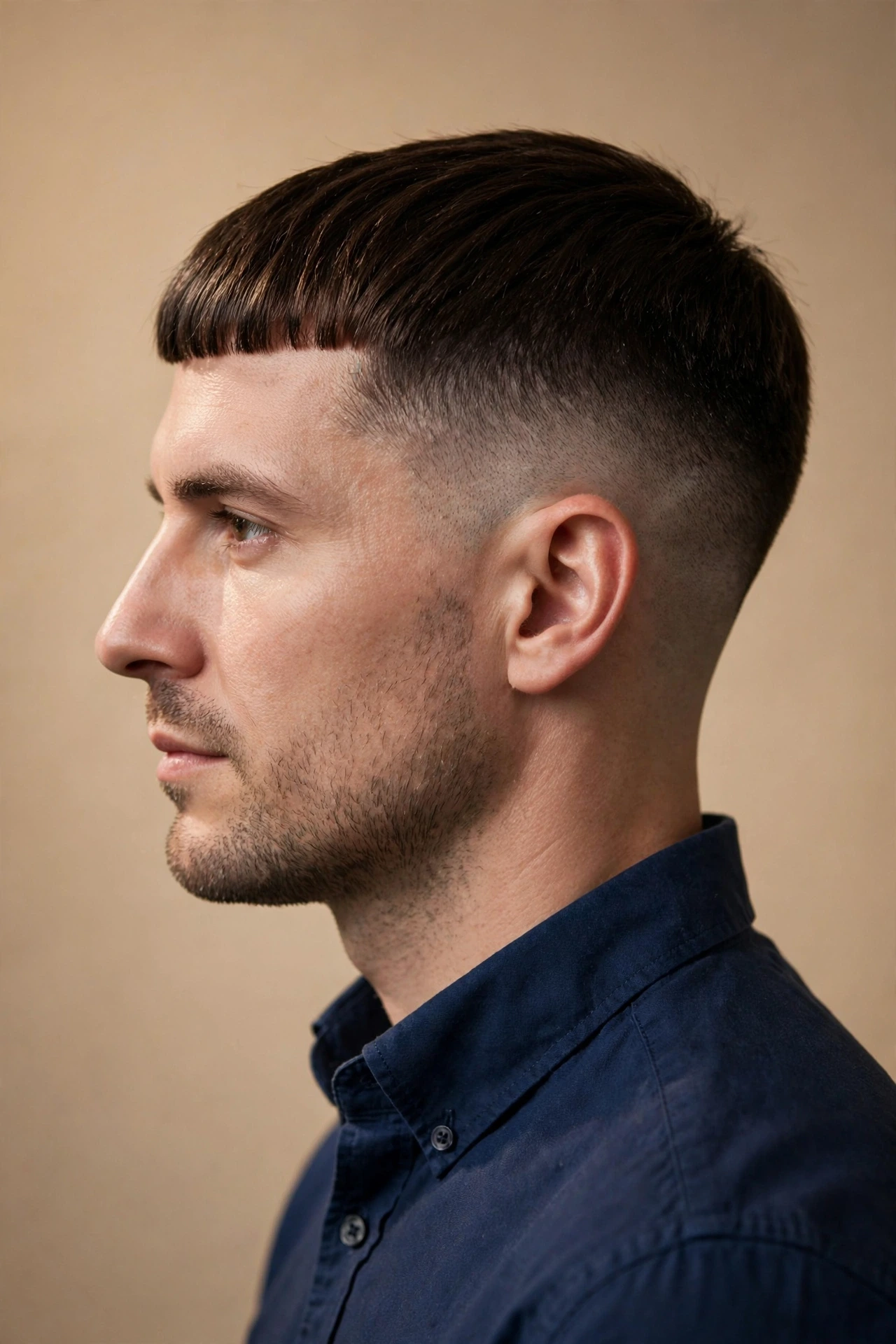
The Crew Cut
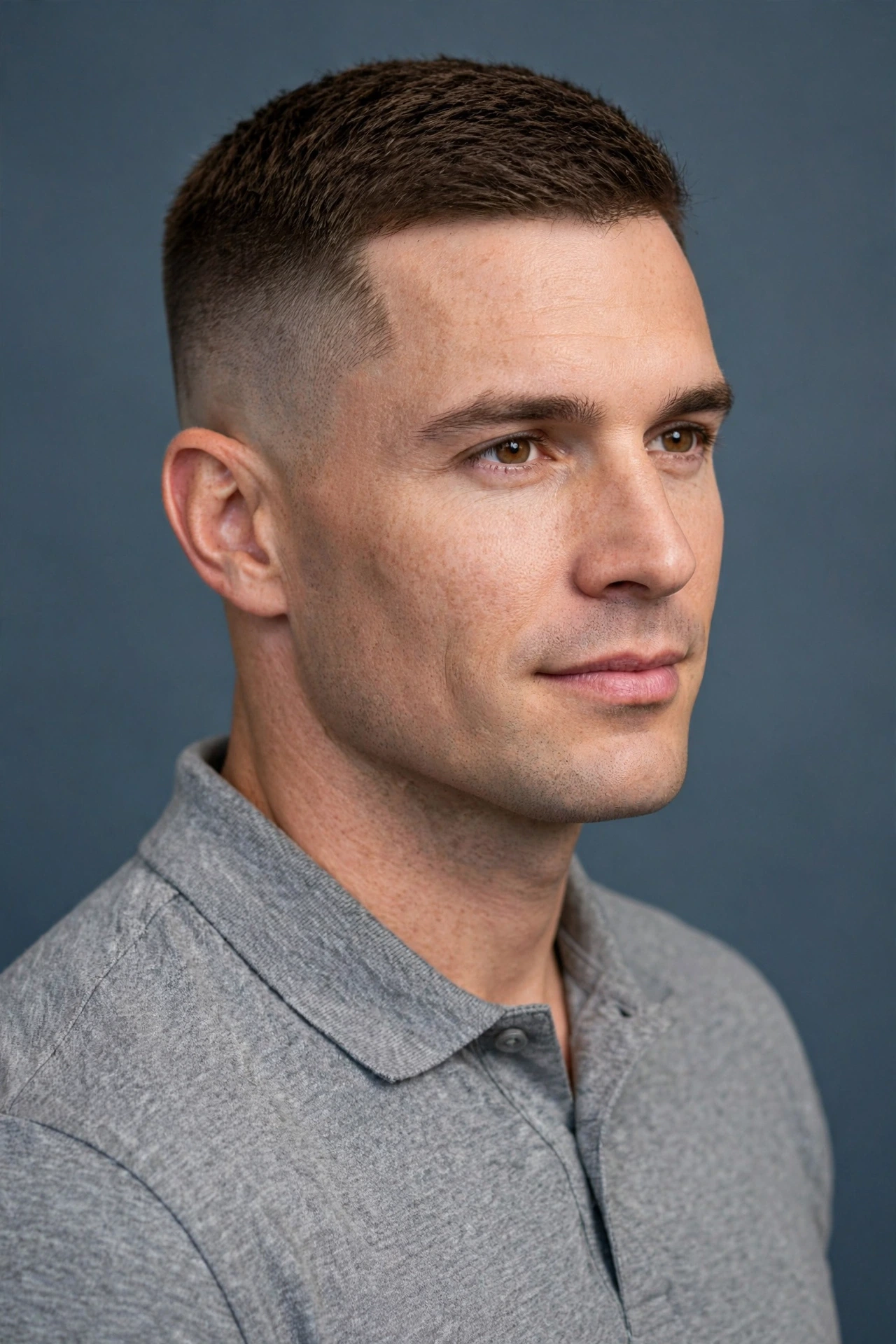
Why has this cut survived seventy years of changing fashion? Because it does the single most useful thing a haircut can do: look tidy without asking anything of you.
Short and tapered with slightly more length on top than a buzz, the crew cut offers shape and definition where an all-over buzz offers neither. David Beckham has worn versions of it for two decades. It suits nearly every face shape, works in every professional setting, and takes under a minute to style.
The 2026 version gets a sharper edge by pairing it with a skin fade or low taper rather than a traditional scissor taper. Ask for a crew cut with a low fade if you want it modern, or a classic taper if you want it timeless. Both are correct.
The Modern Buzz Cut
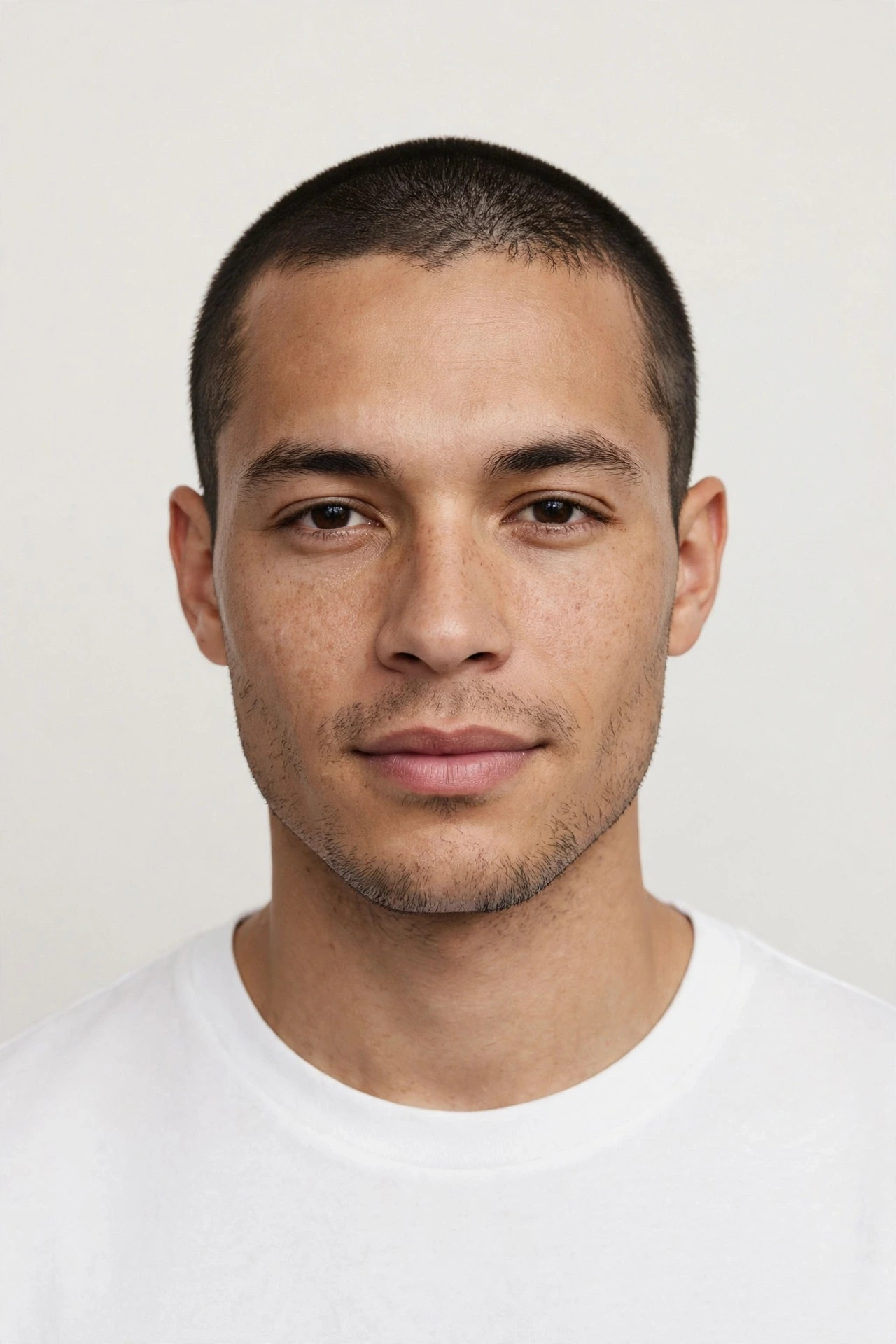
Under a minute. That’s the entire daily styling commitment, and no product is required at all. A modern buzz uses a number three or four guard on top rather than going uniformly short, paired with a subtle taper or low fade on the sides for contrast. Ask for a natural line up rather than an overly boxed one, since a hard squared-off hairline reads dated and draws attention to a receding temple if you have one.
The balance point matters. Going too tight and too high on the sides makes the head look narrower than it is, which is the most common mistake with this cut. A volumising shampoo keeps buzzed hair looking fuller and more intentional rather than flat and scalp-shiny, which is a small detail that makes a visible difference.
The Classic Taper
Neat, blended, and appropriate absolutely everywhere. The classic taper keeps length on top while the sides and neckline graduate gradually without ever reaching skin.
It suits almost every face shape and hair type, which is why barbers reach for it when a client isn’t sure what they want. It also grows out more gracefully than any fade, holding a tidy appearance for five or six weeks rather than two or three.
For anyone in a conservative industry, or anyone who simply cannot get to a barber every fortnight, this is the honest recommendation. The taper does the work of looking sharp without the maintenance schedule a fade demands.

The Caesar Cut
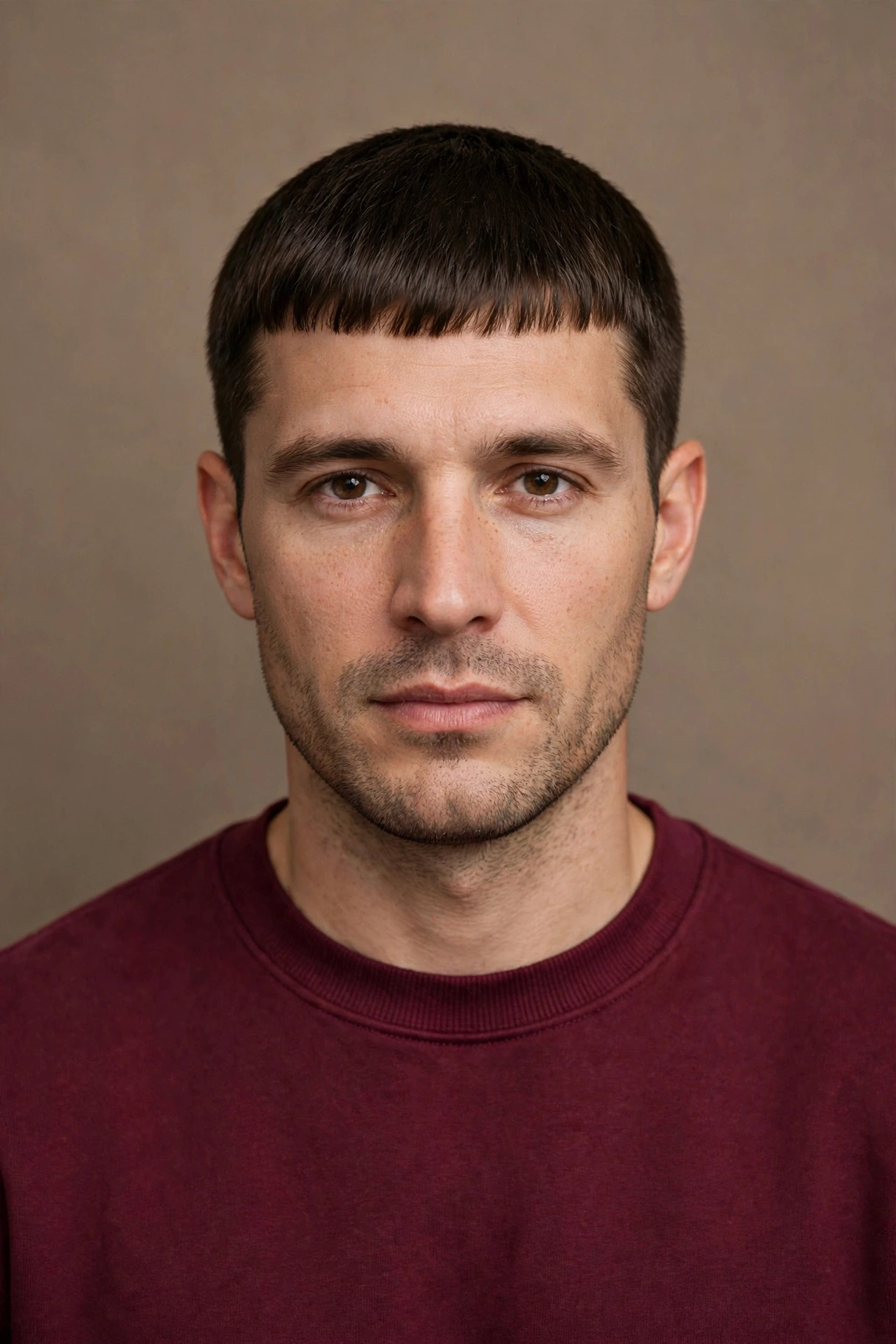
Short, horizontally straight fringe with even layers all round and a fade or taper on the sides. Large foreheads are the specific problem this cut solves, since the forward-lying fringe covers ground that other styles expose. It also suits receding hairlines reasonably well for the same reason, though it needs a barber who can blend the fringe rather than cutting it as a hard line.
Styling is minimal, usually a small amount of matte cream pushed forward with fingers. The main caution is length: a Caesar cut that grows even half an inch too long starts drifting toward bowl-cut territory, so keep the trims at four weeks rather than six.
Medium-Length Styles
More length on top means more styling time, but also more versatility. These five give you something to actually work with.
The Textured Quiff with a Drop Fade
Volume at the front swept up and back, with the fade dipping behind the ear rather than running in a straight horizontal line.
The drop fade is what modernises this. A straight fade line with a quiff reads slightly dated now, whereas the curved drop follows the natural shape of the head and looks considerably more current. Ask for a drop fade specifically rather than just a fade.
Building the quiff takes about two minutes with a blow-dryer, brushing upward and back while drying, then a matte clay to hold it. Skip pomade entirely. Glossy finishes on a quiff are one of the clearest dated signals in men’s hair right now.
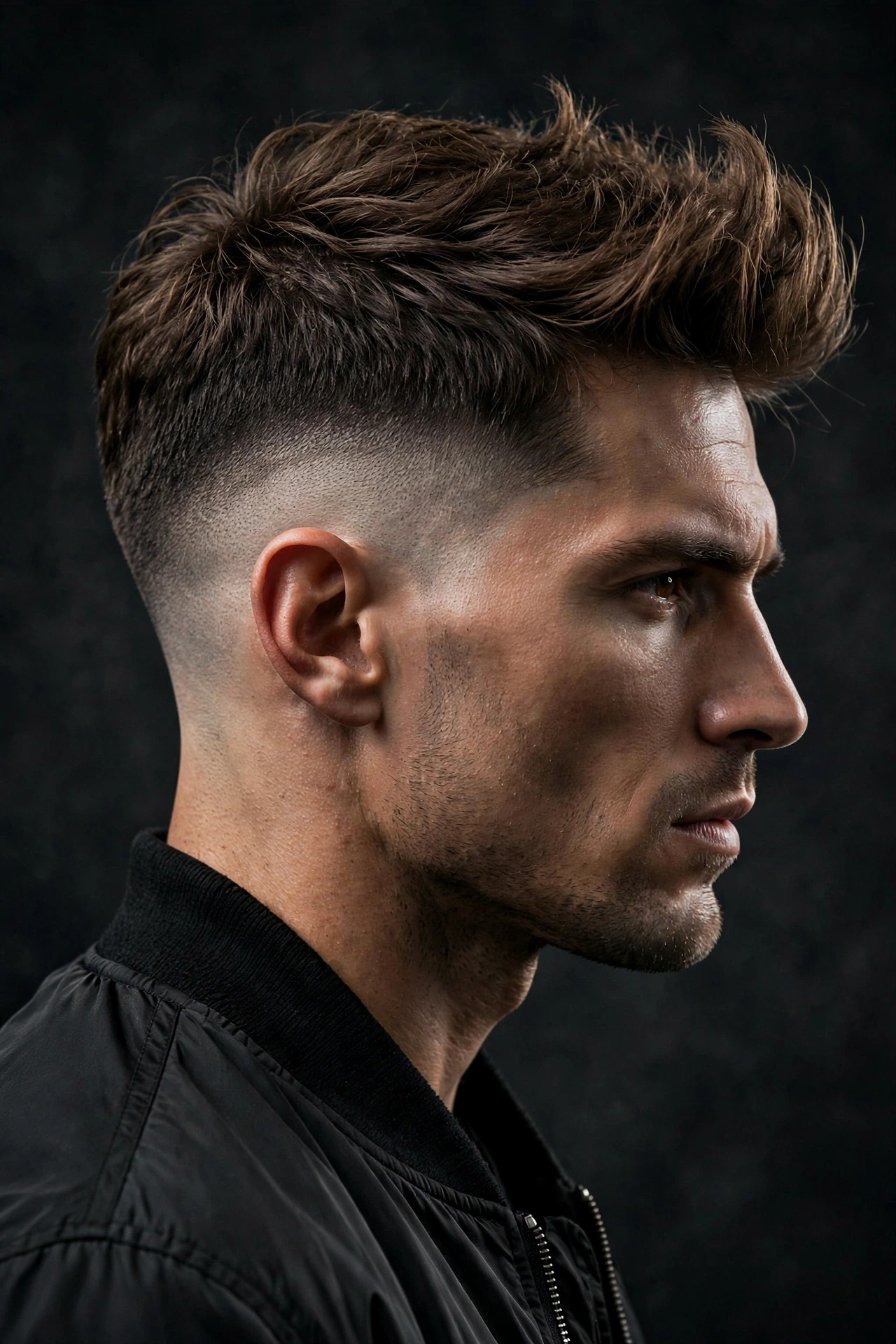
The Modern Pompadour
Less Elvis, more polished gentleman. The 2026 pompadour combines close-cropped or faded sides with a voluminous top swept back, but the finish is matte rather than lacquered.
What separates the modern version:
- Matte clay or paste instead of high-shine pomade
- Softer, more natural volume rather than a rigid wall of hair
- A fade rather than a hard side part
- Slightly shorter length on top than the traditional version
- Visible texture rather than a smooth uniform surface
Thick straight hair holds it best. It’s the highest-effort cut on this list, needing a blow-dry every morning, so be honest with yourself about whether that happens.
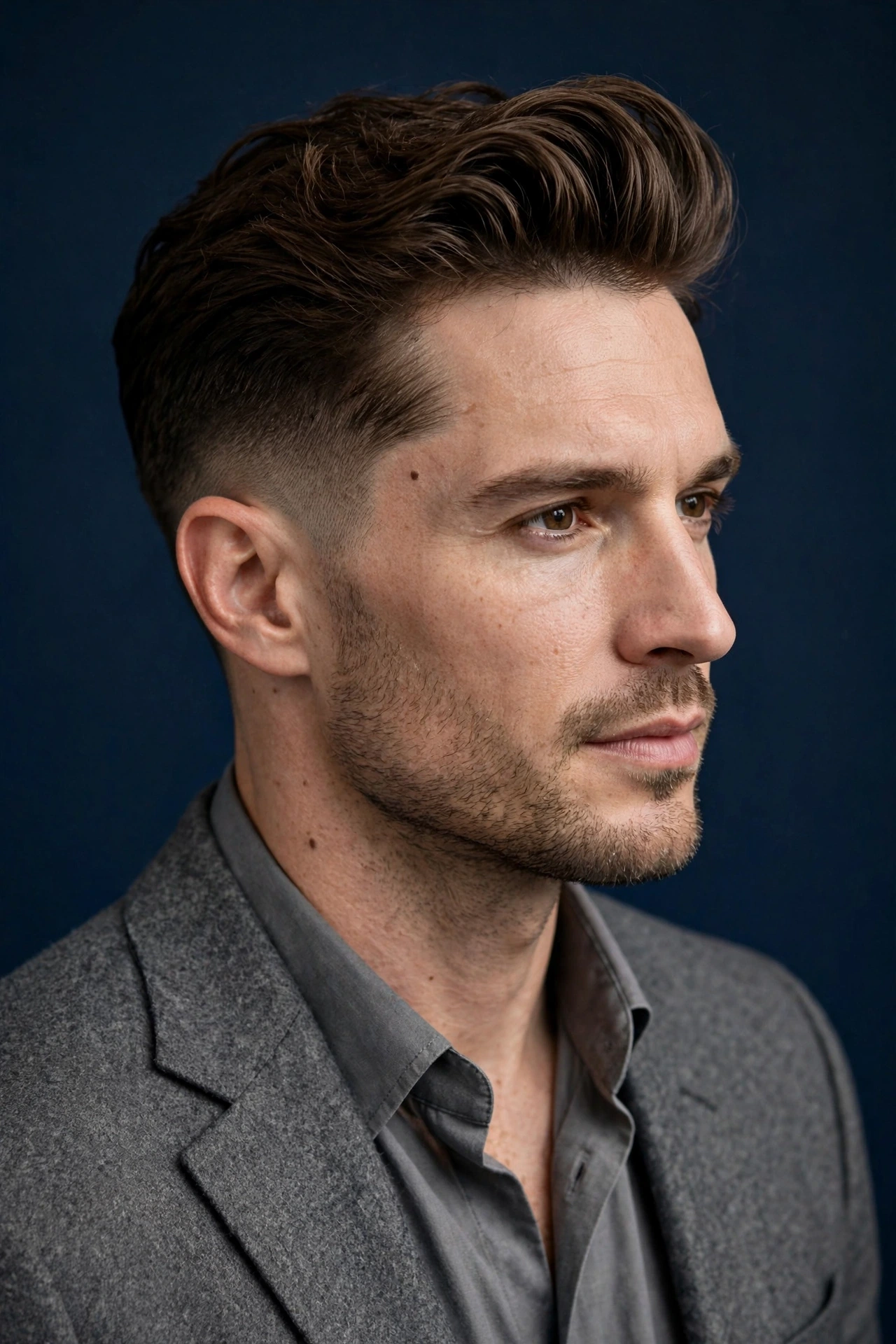
The Textured Slick Back
The slick back has returned in a relaxed form, and the change is entirely in the finish. Instead of the wet, high-shine look of a decade ago, the 2026 version uses texture and a natural matte finish. Hair is swept back but individual pieces remain visible rather than being glued into a single sheet. It reads sophisticated rather than trying too hard, which is the whole distinction.
Medium length on top, four inches or more, with tapered or faded sides. Apply a light matte cream to damp hair, comb back, then rough it up slightly with your fingers once dry. That last step is what keeps it from looking like a 2015 haircut.
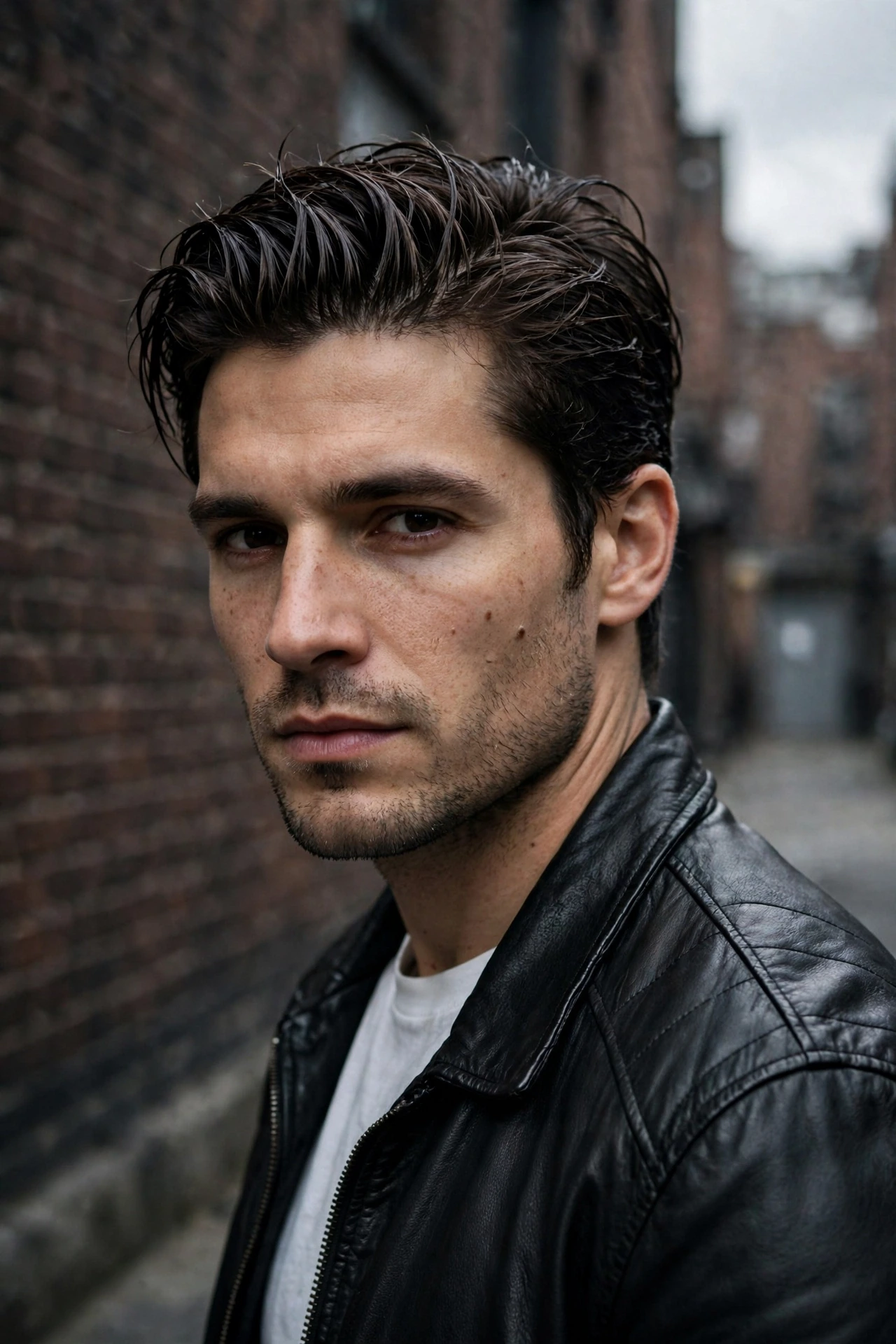
The Side Part
Timeless and quietly effective, particularly for men whose hair naturally wants to part on one side anyway. The modern version uses softer lines and natural volume rather than a razored hard part and a rigid comb. Working with your natural part rather than forcing a new one is the entire trick, and any barber worth visiting will find it by combing your dry hair back and watching where it falls.
It suits square and oval faces particularly well, and it’s one of the few cuts that genuinely reads younger rather than older, provided you skip the shine. A flat, heavily gelled side part is what ages a face. A textured one with volume does the opposite.

The Comb Over Fade
Longer hair on top combed to one side over faded sides, and one of the most requested cuts in barbershops after the textured crop.
It’s more forgiving of thinning hair than most styles here, since the length on top can be directed to provide coverage without looking like an obvious comb-over in the old sense. The fade underneath keeps the whole thing sharp and modern.
Ask for a mid fade with enough length on top to comb across, and mention if you want it to sit softly rather than looking too precise. A light styling cream applied to damp hair, combed over, then air-dried gives a natural finish that holds without stiffness.
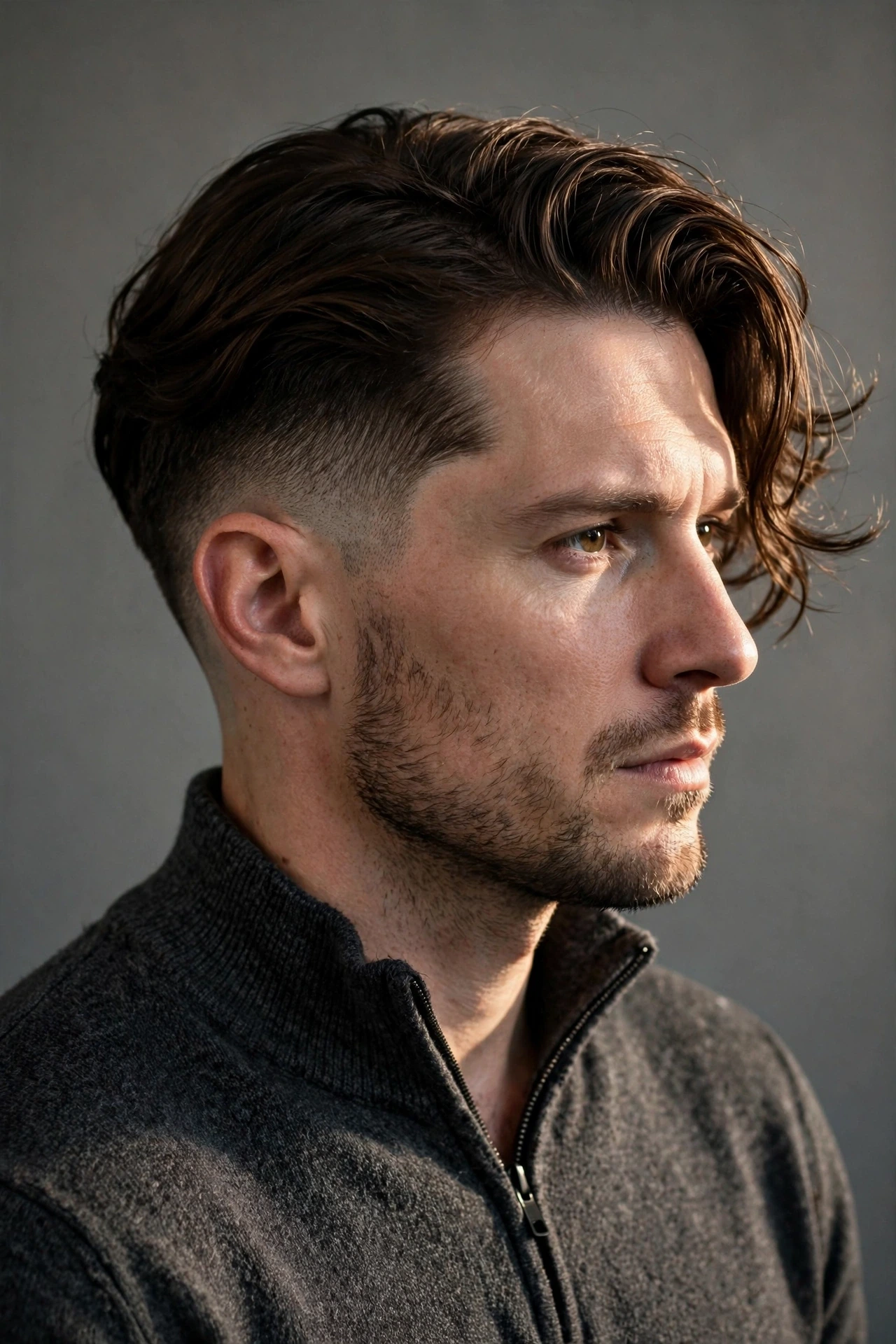
Longer and Textured Styles
The Flow Cut
Medium to long hair grown out and swept back away from the face, tapering naturally at the neckline. Athletes and outdoors types have kept this alive for years, and it’s the cheapest cut on this list to maintain because almost nothing is being cut. The barber shapes the neckline and removes weight, and that’s largely it. Eight to ten weeks between visits is realistic.
Natural wave helps enormously. Straight hair can wear a flow cut but tends to sit flat, so a sea salt spray applied to damp hair with thirty to sixty seconds of blow-drying builds the movement the cut needs. Wavy hair mostly just needs to be left alone.

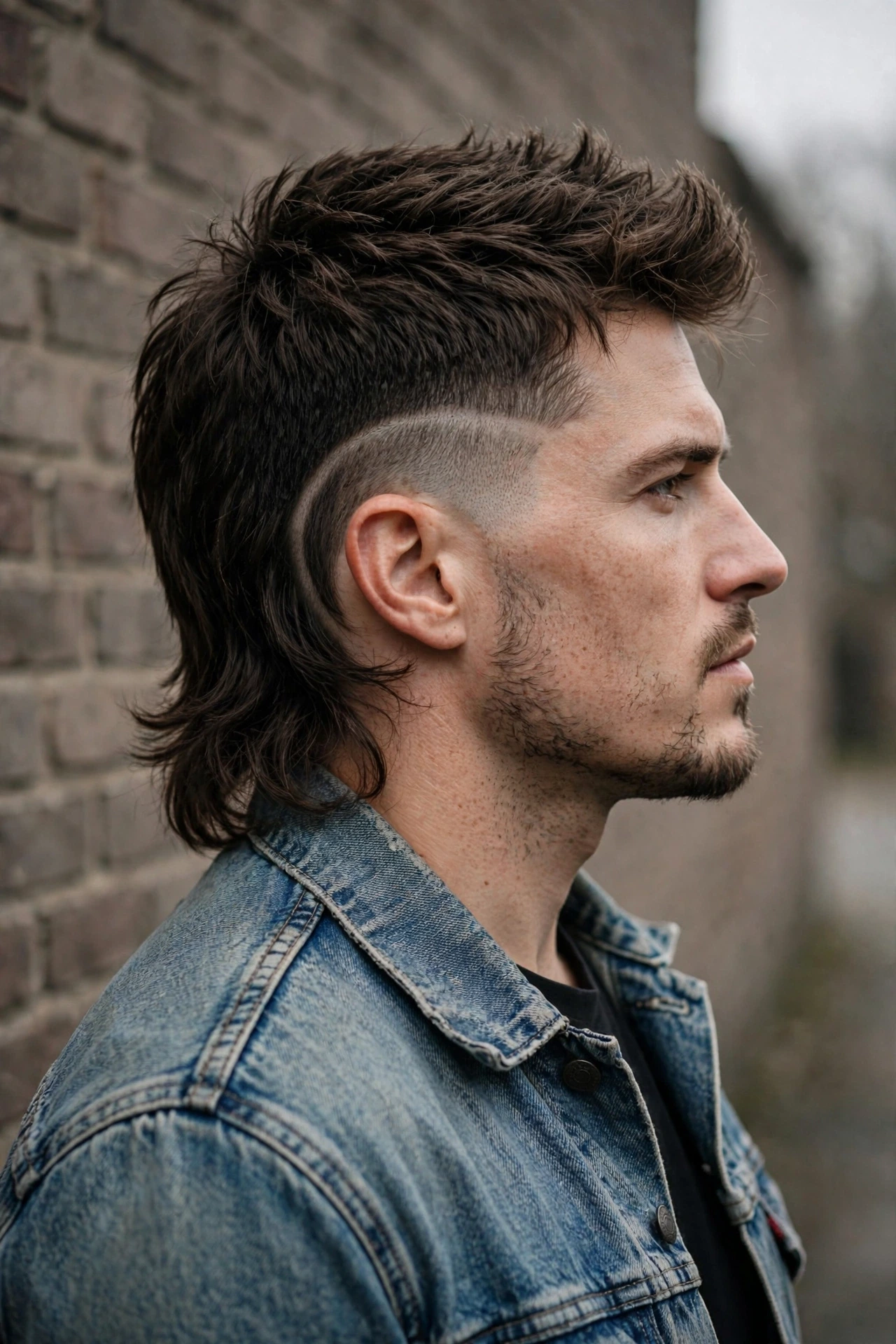
The Modern Mullet with a Burst Fade
Yes, it’s back. Before you dismiss it, understand that this isn’t a 1987 haircut. The modern version features a clean fade on the sides, structured texture on top, and a slightly longer back that’s shaped and intentional rather than simply left long. The burst fade, curving around the ear in a semicircle, is the pairing barbers reach for most often because it follows the natural shape of the head and leaves weight in the centre.
Wavy or slightly textured hair suits it best, as do oval and longer face shapes. Style with texturising paste and air-dry, since the slightly undone finish is what makes it work. This is the boldest cut here and it does require some conviction, but a skilled barber makes it genuinely stylish rather than ironic.
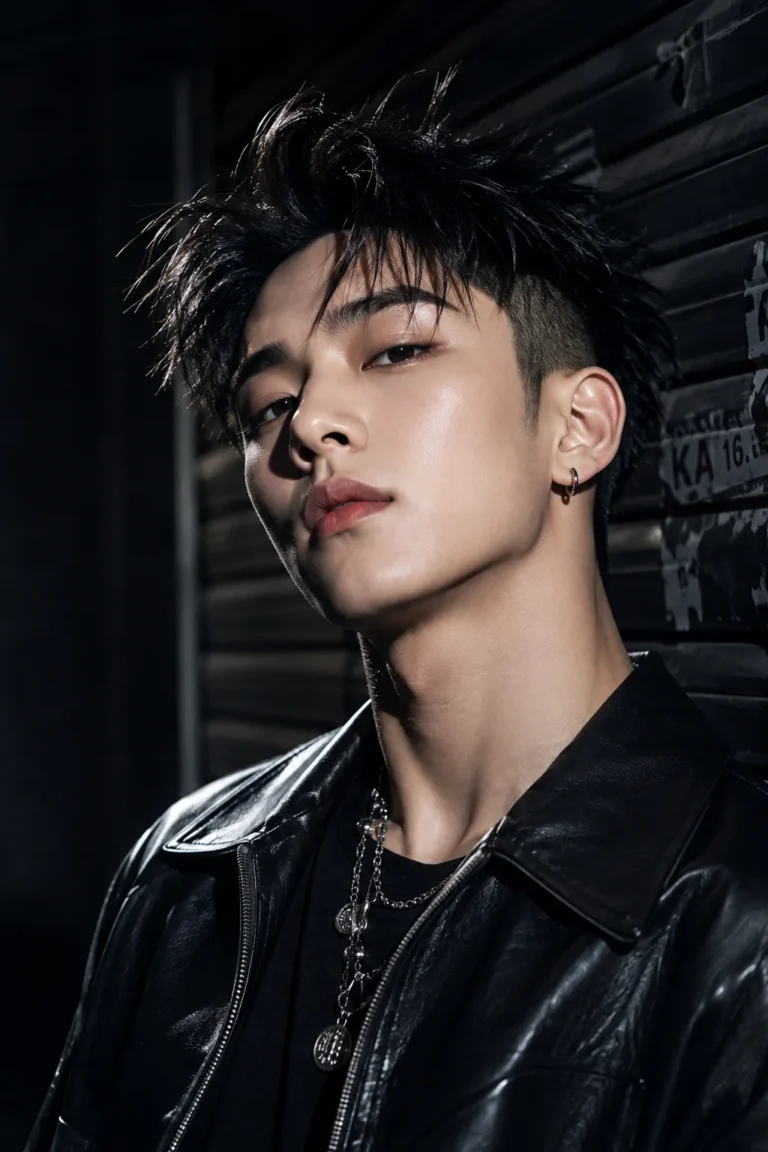
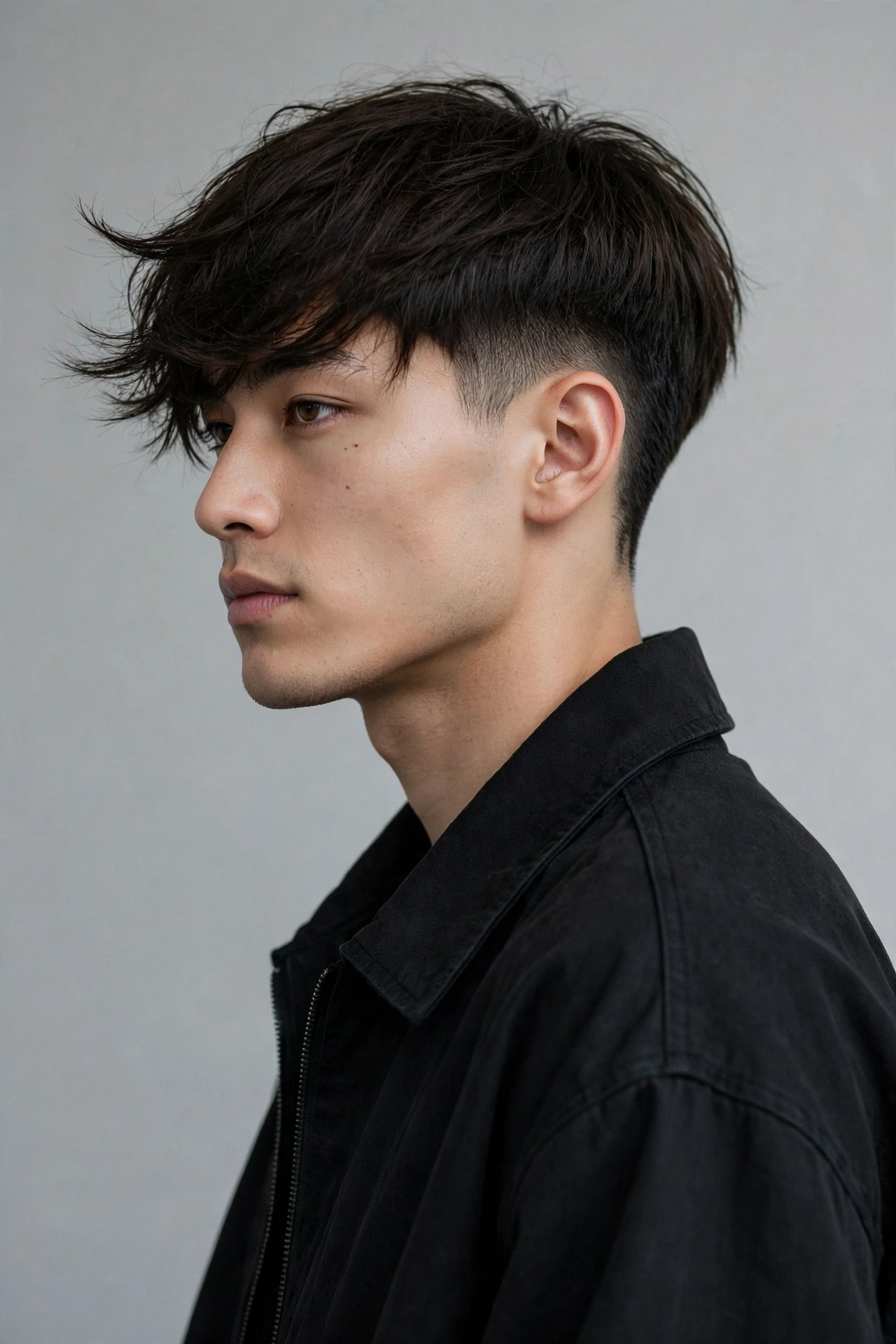
The Two Block
Two clearly separated lengths: the under-section clipped short around the sides and back while the top layer stays long enough to fall over it.
Popular through K-pop and gaming culture, it has moved firmly into the mainstream. The practical benefit is real, since the hidden short section removes bulk and keeps the head cooler without sacrificing any visible length.
Straight to slightly wavy hair works best. The disconnection between the two lengths should be soft rather than harsh, so ask your barber to blend the transition slightly unless you specifically want the hard contrast.
The Mod Cut
A nod to Brit-pop, refreshed. Medium length with a heavier fringe, softer sides and plenty of movement through the top.
Where it lands well:
- Men with naturally wavy or thick hair
- Anyone wanting length without a full flow cut
- Prominent foreheads that benefit from forward coverage
- Creative industries where a fade might feel generic
Layering prevents the mushroom effect that catches people out with this shape. Your barber should create texture throughout rather than cutting everything to one uniform length, otherwise it sits flat and looks heavy.
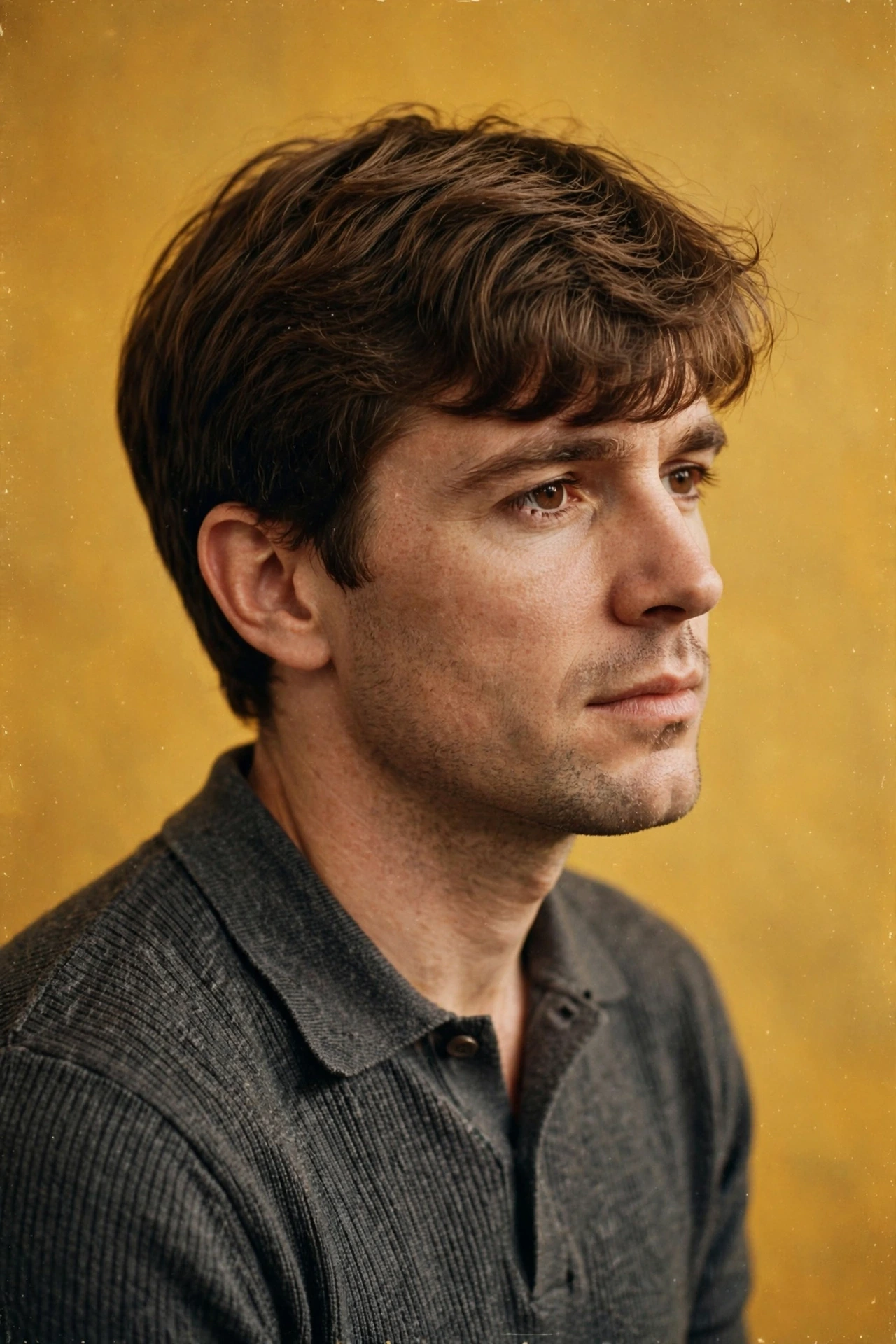
The Warrior Cut
One of the newer additions to barbershop menus, drawing on Brad Pitt’s shoulder-length shaggy look. Longer through the length with heavy internal texture and a lot of natural movement, it reads rugged rather than styled. It suits wavy hair and angular faces particularly well, since the softness balances a strong jaw.
Realistically, this needs the right hair to work. Fine or straight hair will hang flat rather than falling with the intended shape, and thinning at the crown becomes more visible at longer lengths rather than less. A good barber will tell you honestly whether your hair can carry it.

Cuts for Curly and Coily Hair
Generic fade advice often makes textured hair worse. These four are built around the hair rather than applied to it.
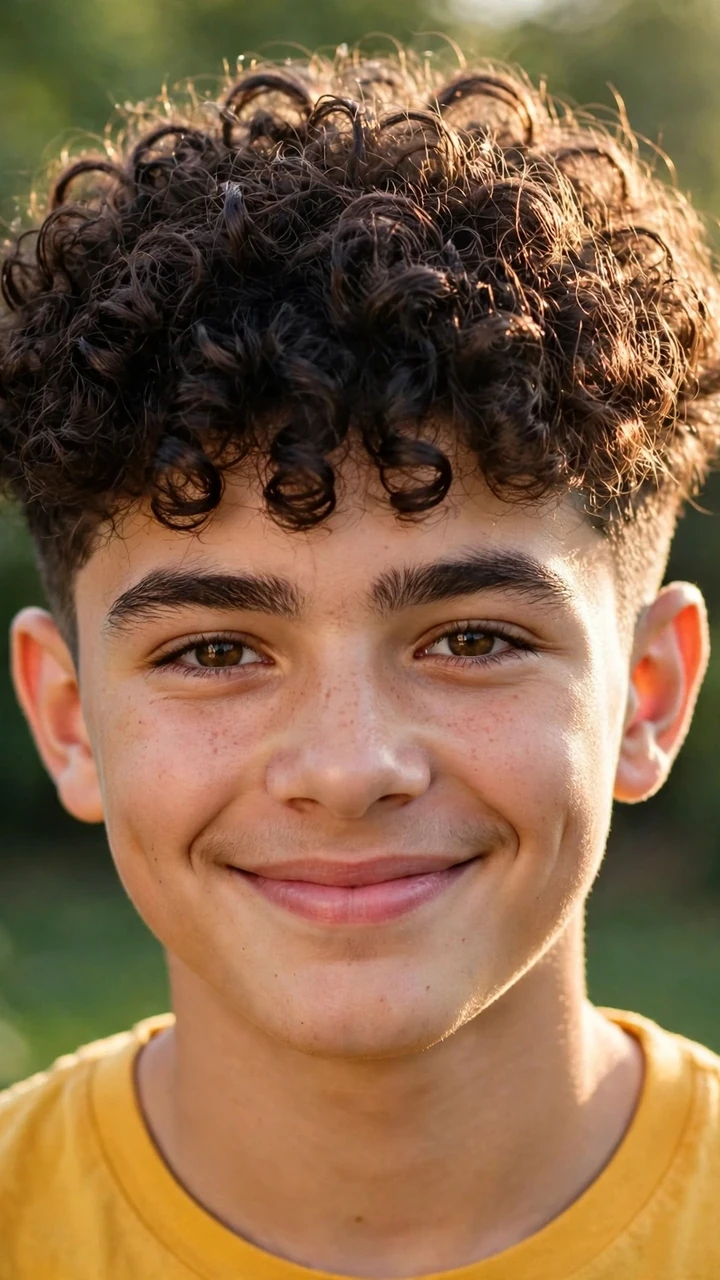
The Curly Textured Crop
Curly hair suits this cut better than straight hair does, provided the barber understands two things. First, it must be cut dry. Curls shrink significantly as they dry, and a crop cut wet finishes considerably shorter than intended. Second, the product should be a styling cream rather than a clay, since clay creates the crunch and separation that ruins curl definition.
Bulk removal at the sides is the technical priority. Without it, curly hair grows outward instead of upward and the whole shape goes wide. A low taper suits most curl patterns better than a skin fade, because the softer blend lets the curls transition naturally into the shorter section. Find a barber whose portfolio actually shows curly clients.

The Curly High Top Fade
Height concentrated on top with tight faded sides, and one of the most striking cuts available on coily hair. Type 4 texture builds this shape naturally, which is a genuine advantage. The barber’s job is carving and shaping the existing volume rather than trying to create it. A crisp lineup at the forehead is what makes the whole thing look deliberate rather than overgrown.
Maintenance is the honest cost. The lineup needs refreshing every two to three weeks, and the fade blurs at a similar rate. A light leave-in and a pick used gently keeps the top full without frizz.
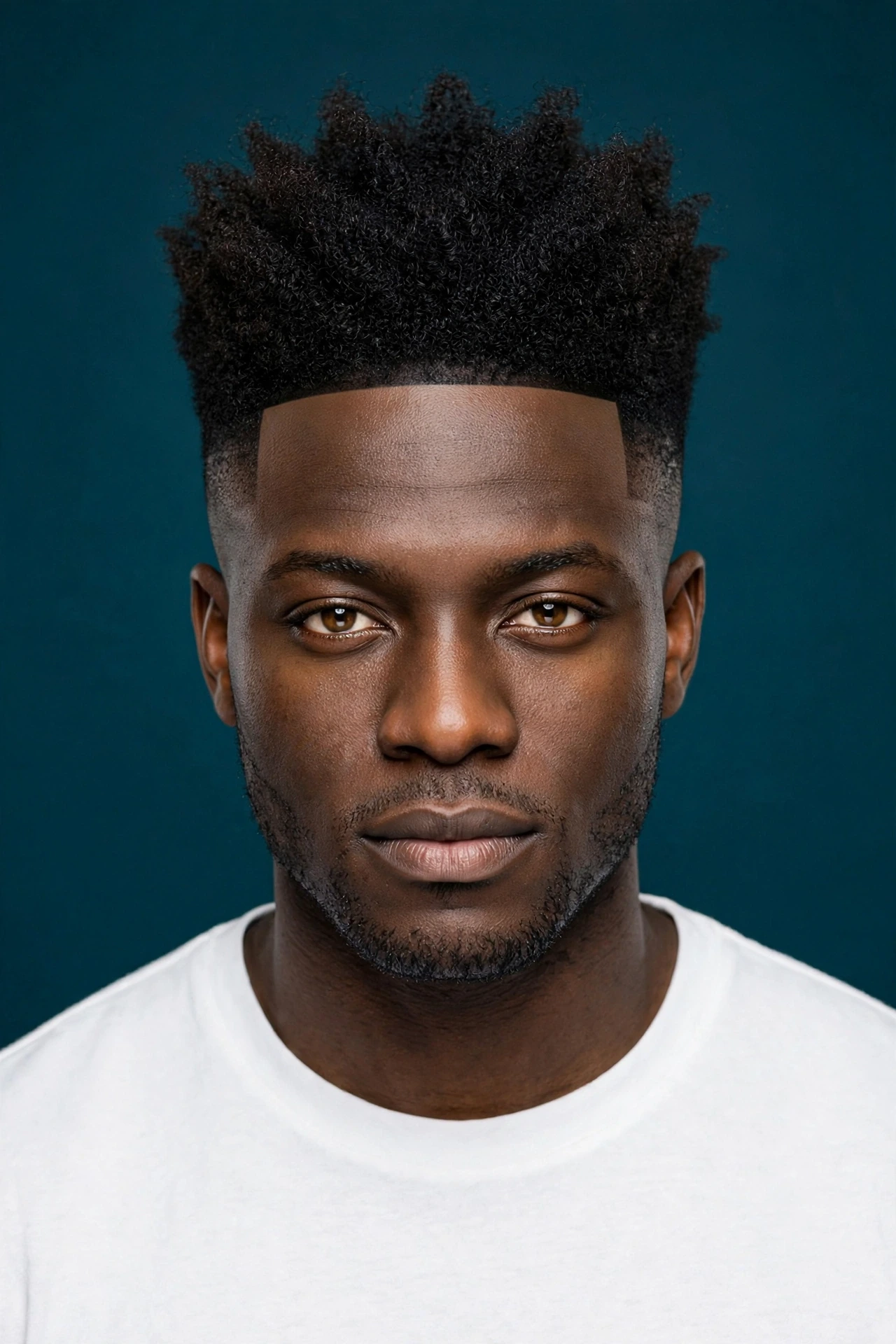
The Curly Flow with a Taper
Longer curls left to fall naturally with tapered sides to keep the outline clean. It’s the lowest-maintenance option for curly hair by a wide margin, needing shaping only every eight to ten weeks. The taper prevents the width that longer curly hair develops at the sides, which is the specific problem that makes many men cut their curls off entirely.
Curl cream applied to soaking wet hair, scrunched upward, then left alone. Diffusing on low speed cuts drying time roughly in half if you’re in a hurry, but air-drying gives a slightly better result.

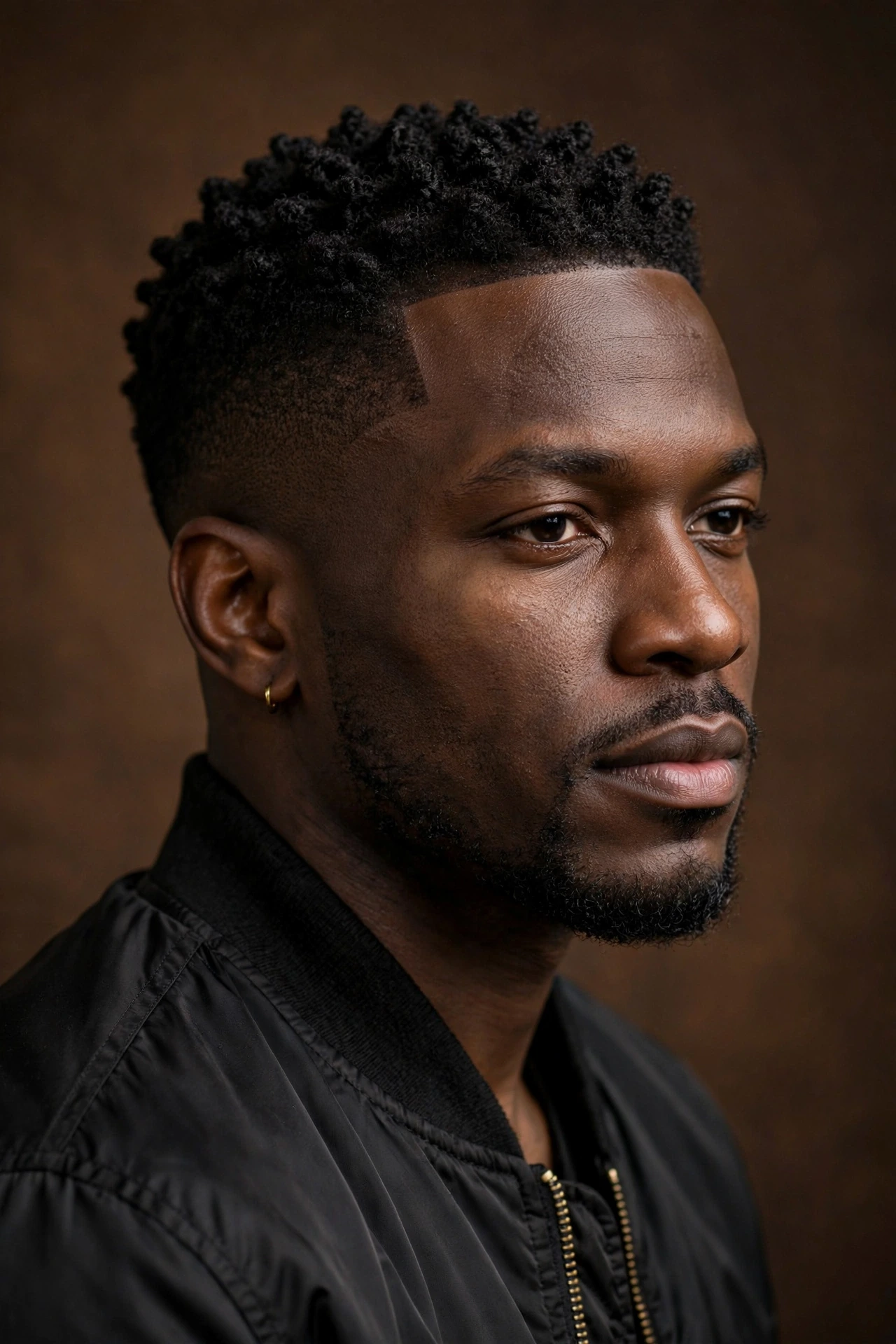
Sponge Twists with a Taper
Two-strand or sponge twists across the top with tapered or faded sides give you defined texture inside a clean structured outline.
The sponge version is genuinely fast, taking about five minutes with a twist sponge moved in small circular motions across damp hair with a leave-in applied. Light pressure only, since pressing hard tangles the coils together and makes takedown miserable.
Retwist every week or two. The tapered sides are what keep this reading sharp rather than casual, and a lineup at the forehead completes it. It costs around eight dollars to set up, which is the best value on this entire list.
Low-Effort and Detail Options
The Partially Grown-Out Buzz
Esquire’s trend reporting has flagged this specifically, noting that 2026 is less about the all-over buzz and more about the grown-out version.
Actor Drew Starkey wears the archetype: a buzz that’s been left alone for a few weeks, developing enough length to have texture and shape without any styling. The effort required is zero, which is exactly the appeal.
It works because it looks nonchalant rather than maintained. Get a buzz, let it grow for four to six weeks, then get it shaped rather than reset. The trick is asking your barber to tidy the neckline and edges while leaving the length alone.

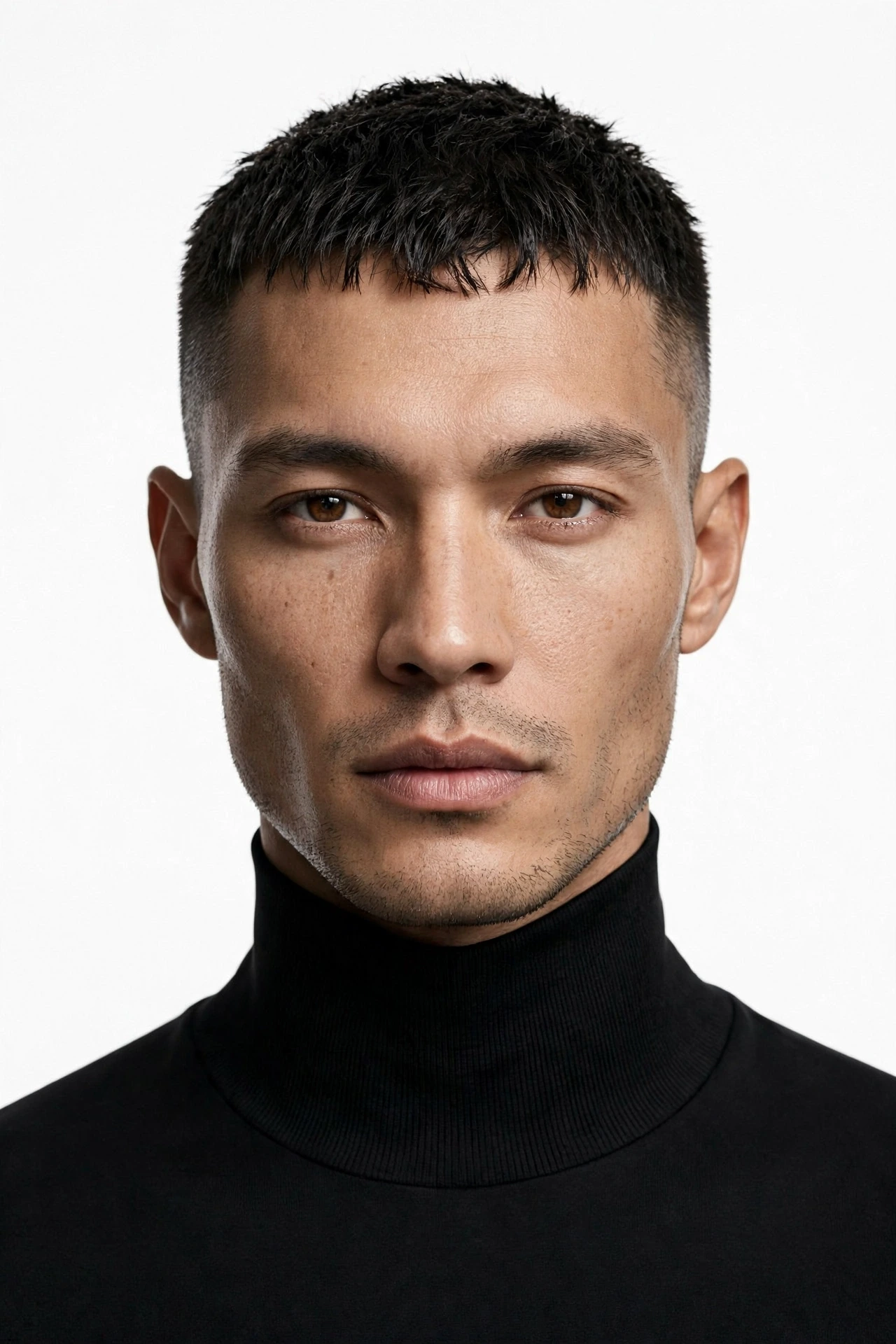
The Micro Fringe
Sometimes called the upgraded crop, this keeps the hair short all around with a tiny textured fringe at the front. Clean, bold and distinctly fashion-forward, it shows up on models and in editorial shoots more than in everyday barbershops. That’s part of the appeal for some people and a reason to hesitate for others.
Straight, thick hair holds it best. The fringe needs enough density to read as deliberate rather than accidental. Fortnightly trims are non-negotiable, since a micro fringe changes character with even a few millimetres of growth.
The Beard-Fade Combo
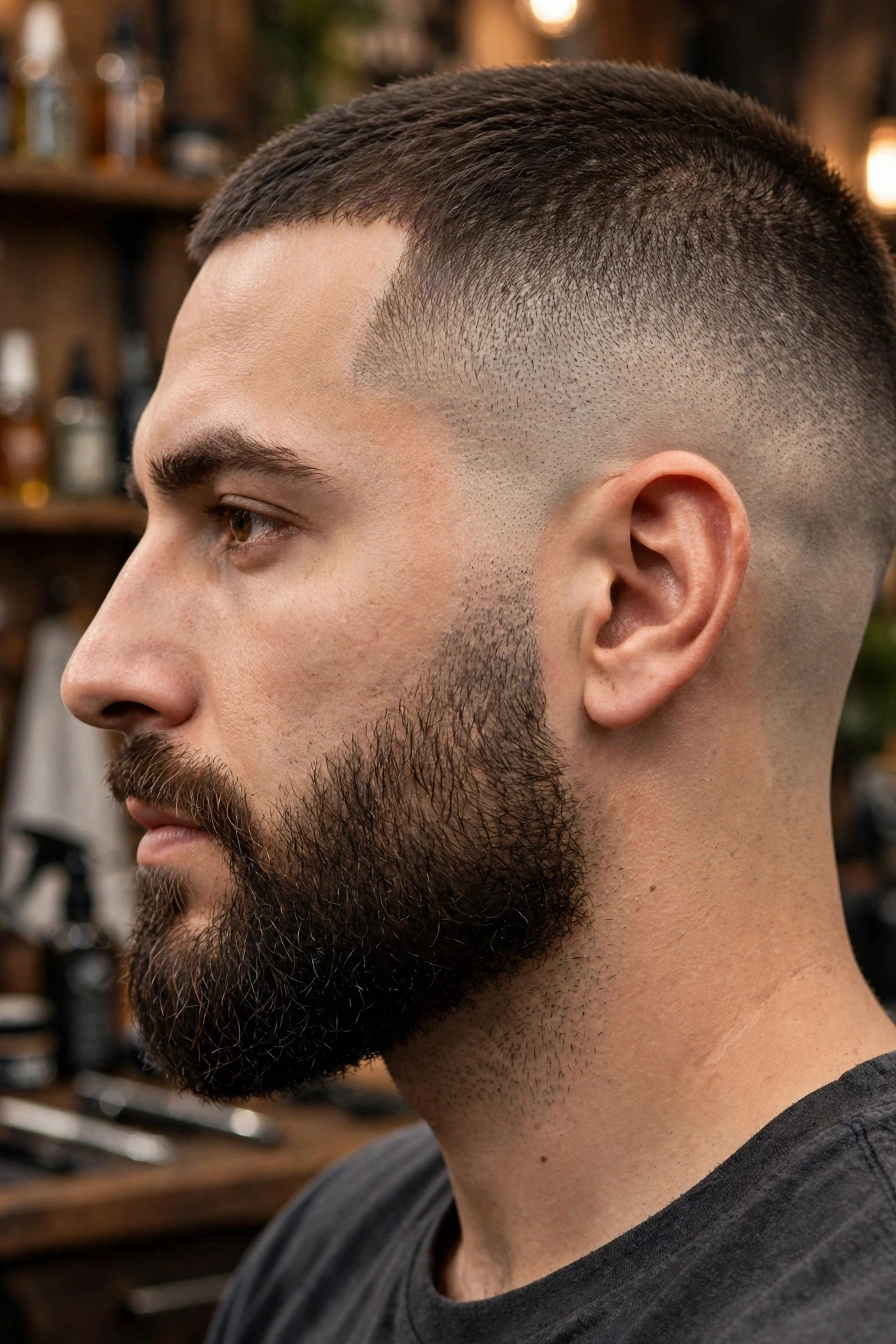
This isn’t a haircut so much as a finish, and it’s the detail that separates a good barber from a great one. The technique blends the fade on the sides of your head seamlessly into your beard line, creating a single continuous gradient from skin through to full beard density. There’s no visible transition point where hair ends and beard begins.
It’s genuine precision work, requiring your barber to read your hairline and your beard growth pattern simultaneously. Not every shop offers it, and it’s absolutely not a DIY job. Ask before booking, and expect to pay more. When it’s done well it makes an otherwise ordinary cut look considerably more expensive.
The Ivy League
Essentially a longer crew cut with enough length on top to part and comb, and one of the seven foundational cuts every barber knows.
Conservative, polished and appropriate in any professional setting, it’s the cut to choose when you want something sharp that will never read as a trend. The sides are tapered rather than faded, the top is long enough to style with a side part but short enough to look tidy if you don’t. Six weeks between trims is realistic. A light cream, combed through damp hair, is the entire routine.

The Maintenance Math Nobody Does
Your fresh barbershop cut lasts about a week before growth starts changing the proportions. By week four, most cuts look noticeably overgrown.
That matters financially more than people realise. A skin fade needing visits every two to three weeks costs roughly twice as much per year as a low taper at five weeks, before you count the time. At $35 a visit, that’s the difference between about $600 and about $360 annually.
Choose your fade height based on how often you’ll genuinely sit in a chair, not on which photo you liked most. A well-maintained low taper looks considerably better than a neglected skin fade.
Matte Has Replaced Shine
Overly styled, product-heavy looks feel dated in 2026, and the test barbers use is straightforward.
If someone’s first thought looking at your hair is “that’s a lot of product,” you’ve overdone it. The aesthetic has shifted toward looking put together without appearing to have spent an hour on it.
Practically: matte clay for texture and hold on crops, quiffs and fringes. Styling cream for softer control and curls. Texture powder for root lift, used sparingly since a heavy hand makes hair feel gritty. Pomade and gel have largely fallen out of favour, and the hard crunchy finish gel produces is one of the clearest dated signals in men’s hair.
Start with an amount the size of a pea, rub it fully between your palms, and apply to damp rather than dry hair for better distribution.
Matching the Cut to Your Hair Type
| Hair Type | Best Cuts | Product |
|---|---|---|
| Straight and fine | Textured crop, crew cut, buzz, Caesar | Texture powder, light matte clay |
| Straight and thick | Pompadour, side part, slick back, two block | Matte clay, styling cream |
| Wavy | Flow cut, mod cut, modern mullet, warrior cut | Sea salt spray, texture paste |
| Curly | Curly textured crop, curly flow with taper | Styling cream, never clay |
| Coily | High top fade, sponge twists with taper | Leave-in, light oil |
| Thinning | Buzz, crew cut, comb over fade, Caesar | Volumising shampoo, matte powder |
Face Shape, Briefly
| Face Shape | What Works | What to Avoid |
|---|---|---|
| Oval | Almost anything | Very little restriction |
| Round | Height on top, low to mid fade | Wide sides, uniform length |
| Square | Textured crop, soft flow, mod cut | Hard geometric lines |
| Long | Fringe styles, fuller sides | Tall quiffs and pompadours |
| Heart | Mid fade with fringe, flow cut | Excessive height at the crown |
| Diamond | Soft texture, mid-length tops | Sharp contrast at the temples |
How to Actually Ask for What You Want
Vague words cause most bad haircuts. “Fade” and “taper” mean different things to different barbers, and “short on the sides” covers about eight possible outcomes.
Describe height and length instead. Say where you want the fade to start, how much length you want left on top in inches, whether you want the fringe above or below your eyebrows. Bring a photo of someone with hair texture similar to yours, since a picture of straight hair on a curly head sets everyone up to fail.
Then say the most useful sentence available: how much time you’re willing to spend styling it each morning. A good barber will adjust the cut around that answer rather than giving you something that only works with a blow-dryer you’ll never use.
What Reads Dated Right Now
A few honest signals worth knowing: high-shine gel finishes, hard razored parts, overly boxed hairlines, uniform high fades with no texture on top, and anything requiring constant bleaching. Damaged, over-processed hair always looks worse than healthy hair in a natural colour.
None of these are rules exactly. But if you’ve worn the same cut for a decade and it feels slightly off in photographs, it’s usually one of those.
Final Thoughts
The cuts barbers recommend most are the ones that keep working after you leave the shop. A textured crop with a low taper, a crew cut, a classic taper, a curly crop cut dry by someone who knows curls. None of these are exciting on paper, and all of them look good four weeks in, which is the standard that actually matters.
Book with a barber whose portfolio shows hair like yours rather than whoever has the earliest slot. Ask for a low taper unless you have a specific reason to want something sharper. Buy one good matte clay instead of three cheap products. Tell your barber how much time you’ll really spend in the morning, and let them cut around that honestly.
Save two or three references and bring them in. The consultation is where the haircut is actually decided, and most guys skip it entirely.
Frequently Asked Questions
What is the most popular men’s haircut right now?
The textured crop with a low taper fade, which has led barbershop requests for three consecutive years. Short choppy texture on top with softly faded sides works on nearly every face shape and hair type, takes two to five minutes to style, and grows out without looking unkempt.
How often should men get a haircut?
Every four to five weeks for most cuts. Skin fades need visits every two to three weeks to stay crisp, while classic tapers and longer styles stretch to six or eight. Most cuts start looking noticeably overgrown around week four regardless of type.
Which men’s haircut is best for thinning hair?
A buzz cut, crew cut, Caesar cut or comb over fade. All four work with reduced density rather than drawing attention to it. Avoid long styles, which make thinning at the crown more visible, and skip shiny products, which separate hair and expose the scalp.
What should I ask my barber for?
Describe height and length rather than using vague terms. Say where the fade should start, how many inches to leave on top, and where you want the fringe to sit. Bring a photo of someone with similar hair texture, and say honestly how long you’ll spend styling each morning.