30 Beautiful Long Hair Color Ideas for Your Dream Hair
Long hair changes the entire colour conversation. More length means more surface area for a gradient to develop, more room for dimension to actually read, and more of your hair sitting in direct daylight where every tone shows. It also means your ends might be four or five years old, which is the detail almost nobody mentions before booking. The best long hair color ideas work with that reality instead of against it.
Where is colour heading right now? Toward warmth and gloss. Celebrity colourist Cass Kaeding, a Revlon Color Silk ambassador, has observed clients moving toward reds, coppers, cherry reds and warm auburns over blonde, driven partly by hair health and lower maintenance.
Brittany Byrd, owner of Blondify Salon, describes the current split neatly: one direction is ultra-refined high-shine colour that embraces your natural base and reads quietly expensive, while the other is deliberate contrast with dimension woven through. Thirty ideas follow, grouped by colour family and technique, with the maintenance truth attached to each.
Brunette Shades That Look Expensive on Long Hair
Depth and shine are doing the heavy lifting here. Flat, single-tone brown is the one thing colourists are actively steering clients away from.
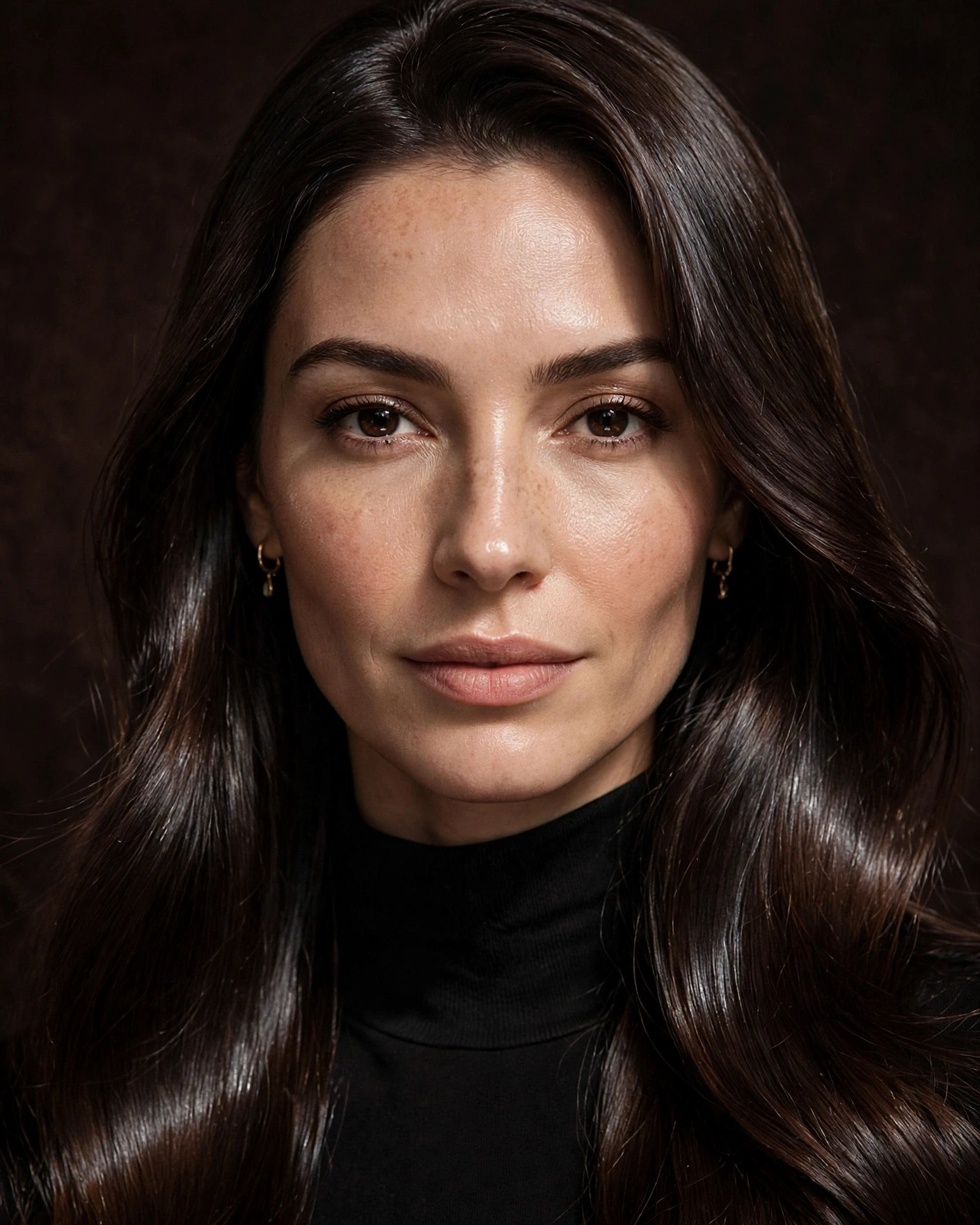
Velvet Espresso
Velvet espresso is a rich, sumptuous brown with a glass-like finish and subtle tonal dimension, and it has become one of the defining shades of the year. Matt Rez, celebrity colourist and Paul Mitchell Professional global colour artist, describes the effect as glossy and reflective rather than flat or overly dark. On long hair the payoff is significant, because that mirror shine travels the full length and catches light with every movement.
Dimensional Cocoa Brunette
Sit in any colourist’s chair and ask for “brown” and this is roughly what a good one will build for you. Kaeding’s version combines a medium to deep brunette base with subtle ribbons of lighter browns woven through, including mocha, caramel and soft chestnut. Her point is that it should never read as a flat brunette. Long hair suits this better than any other length, since the ribbons need room to travel before the eye registers them as movement.
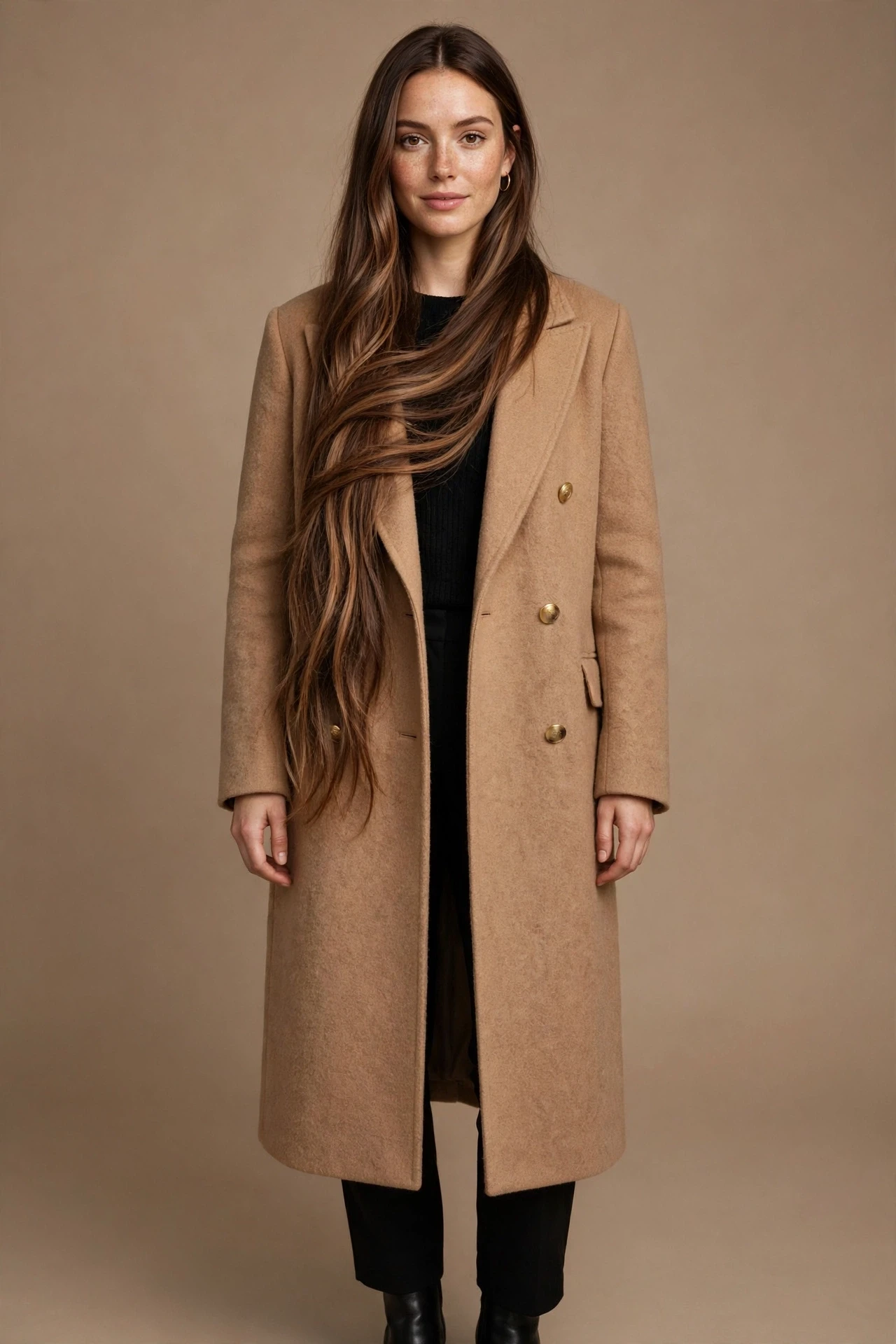
Mocha Brown
Why does mocha look so much richer than a standard medium brown? Because it carries soft warmth underneath the depth rather than sitting cool and one-dimensional. Colourists build it with a mocha balayage plus fine baby lights concentrated around the face. Medium to dark natural bases take it easily, which keeps both the cost and the damage low.
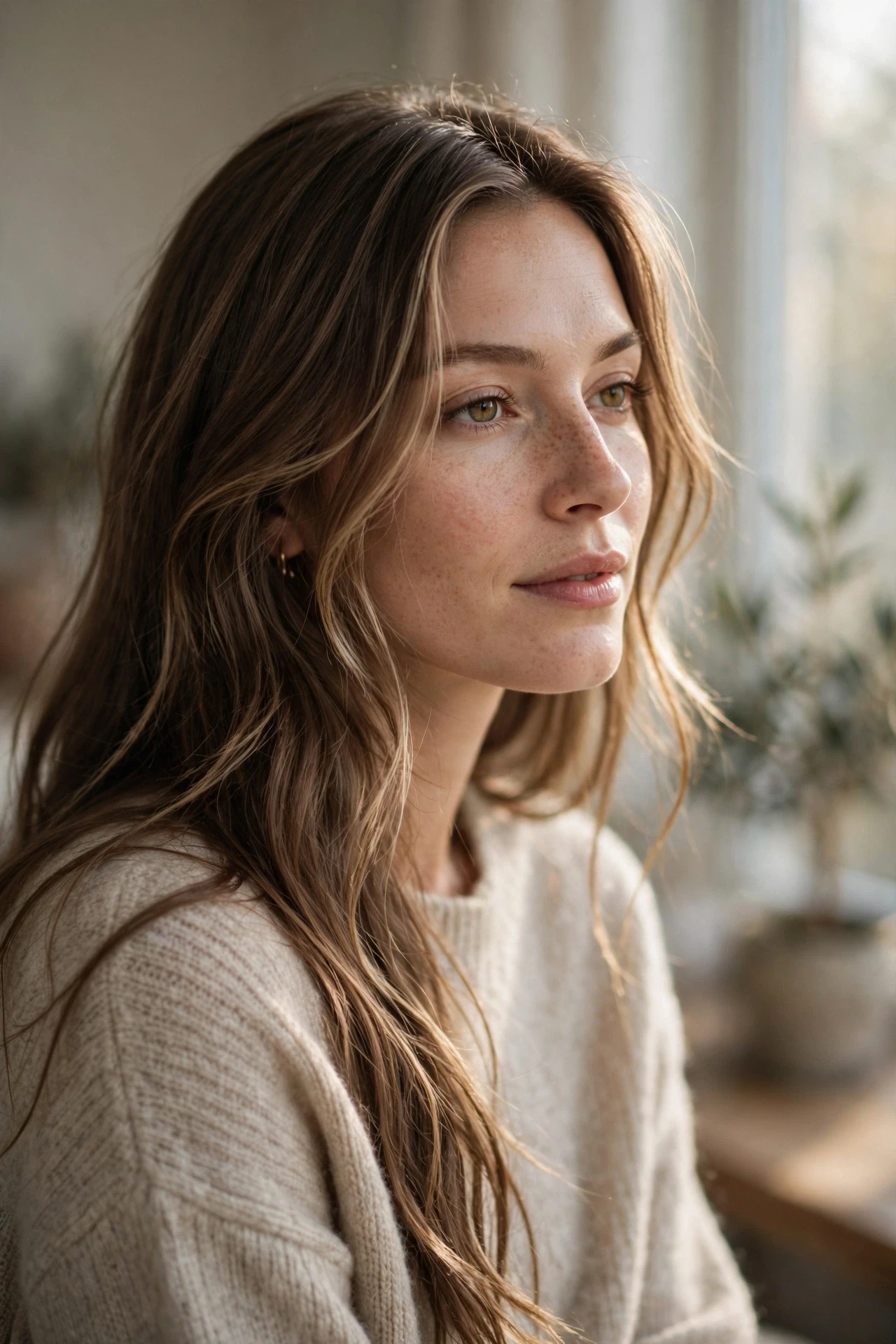
Chestnut Brown
Eight to ten weeks. That’s a realistic touch-up window for chestnut on long hair, which makes it one of the more forgiving shades on this list.
Golden and reddish tones sit inside a brunette base to create warmth without tipping into obvious red. Face-framing balayage is the usual pairing. Anyone whose natural colour falls somewhere between light and medium brown will find the regrowth almost invisible, which is the entire appeal for people who resent salon schedules.
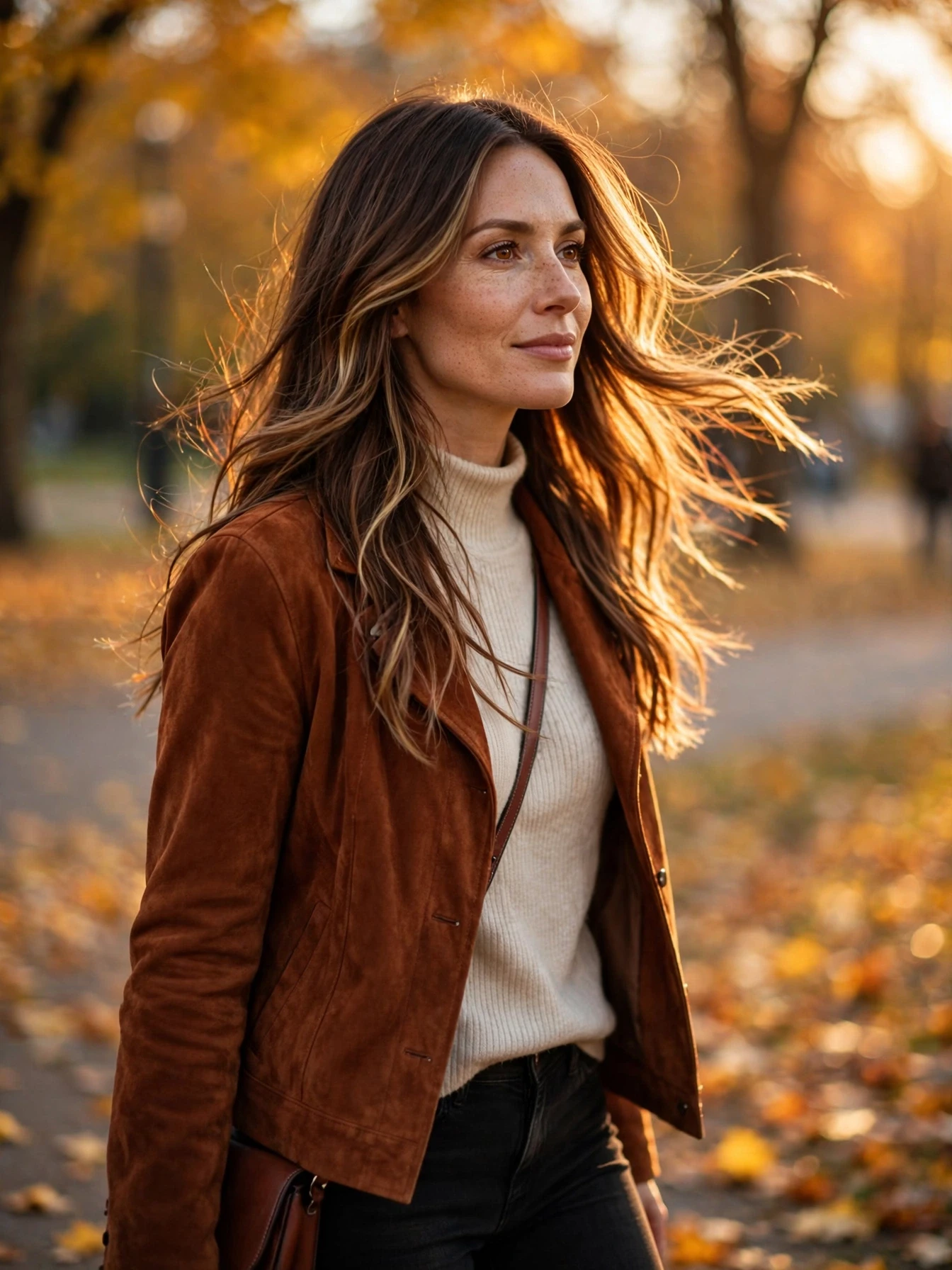
Cool Charcoal Brunette
Charcoal calls for uniformity rather than dimension. No highlights, no two-tone effect, just a crisp cool brown running top to bottom with ash tones countering any warmth. Cool and neutral skin tones wear it best. Keeping the depth balanced, not too dark and not too light, is what stops it reading harsh.
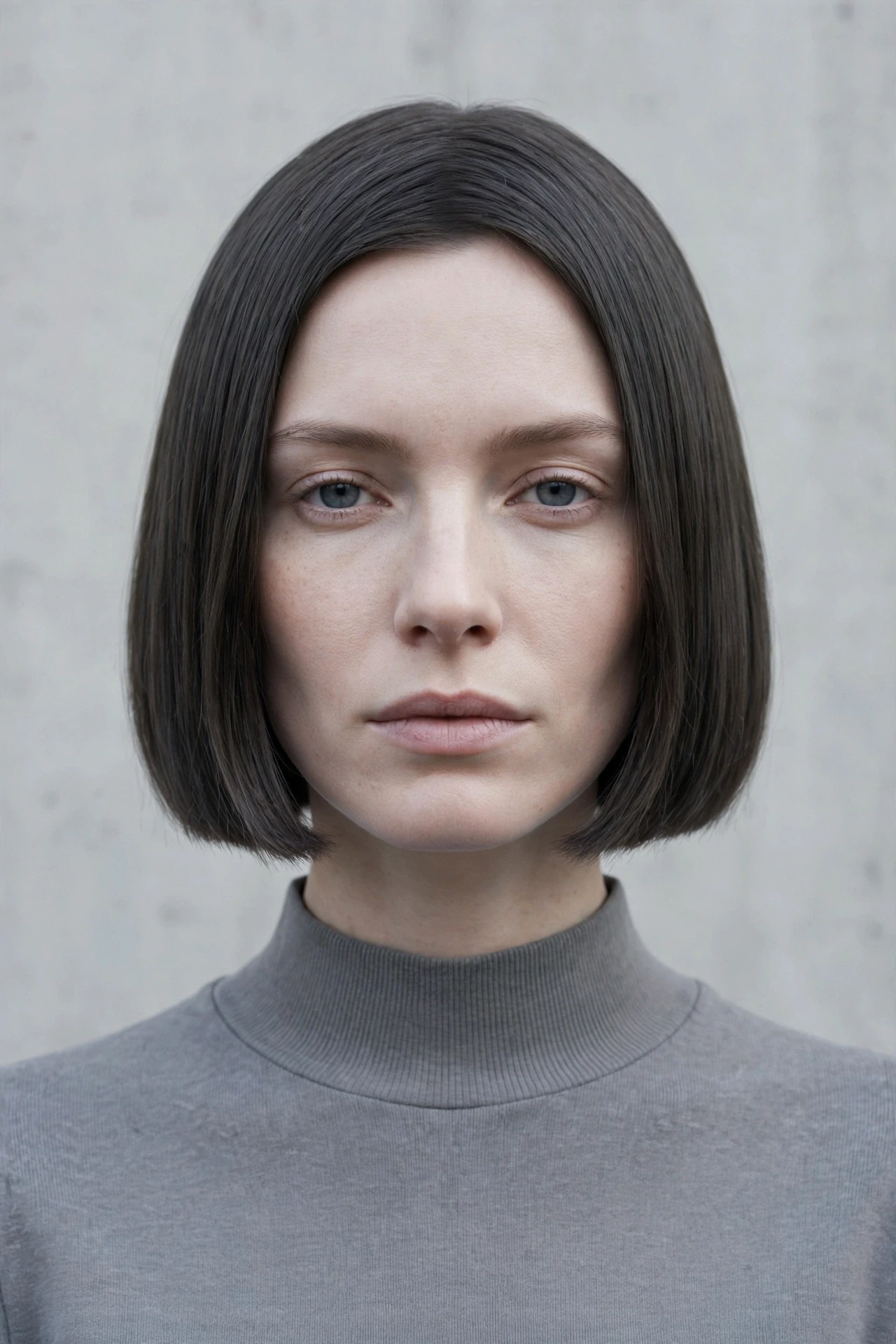
Midnight Brunette
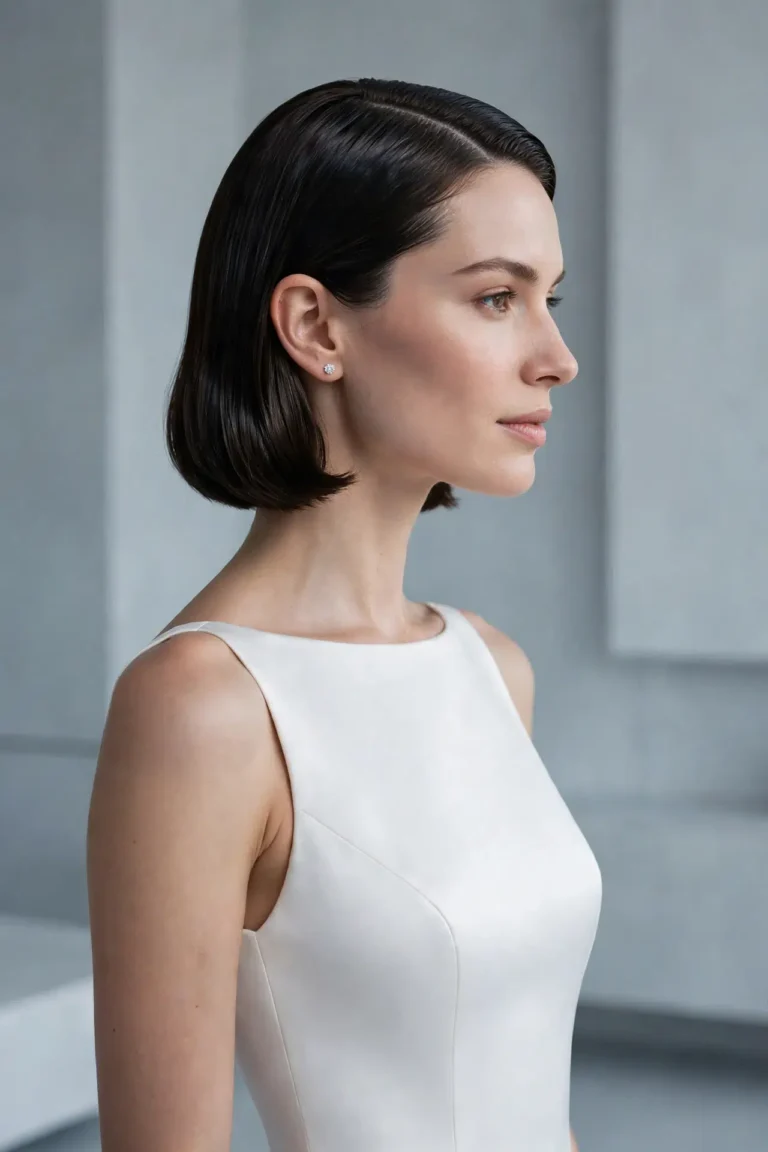
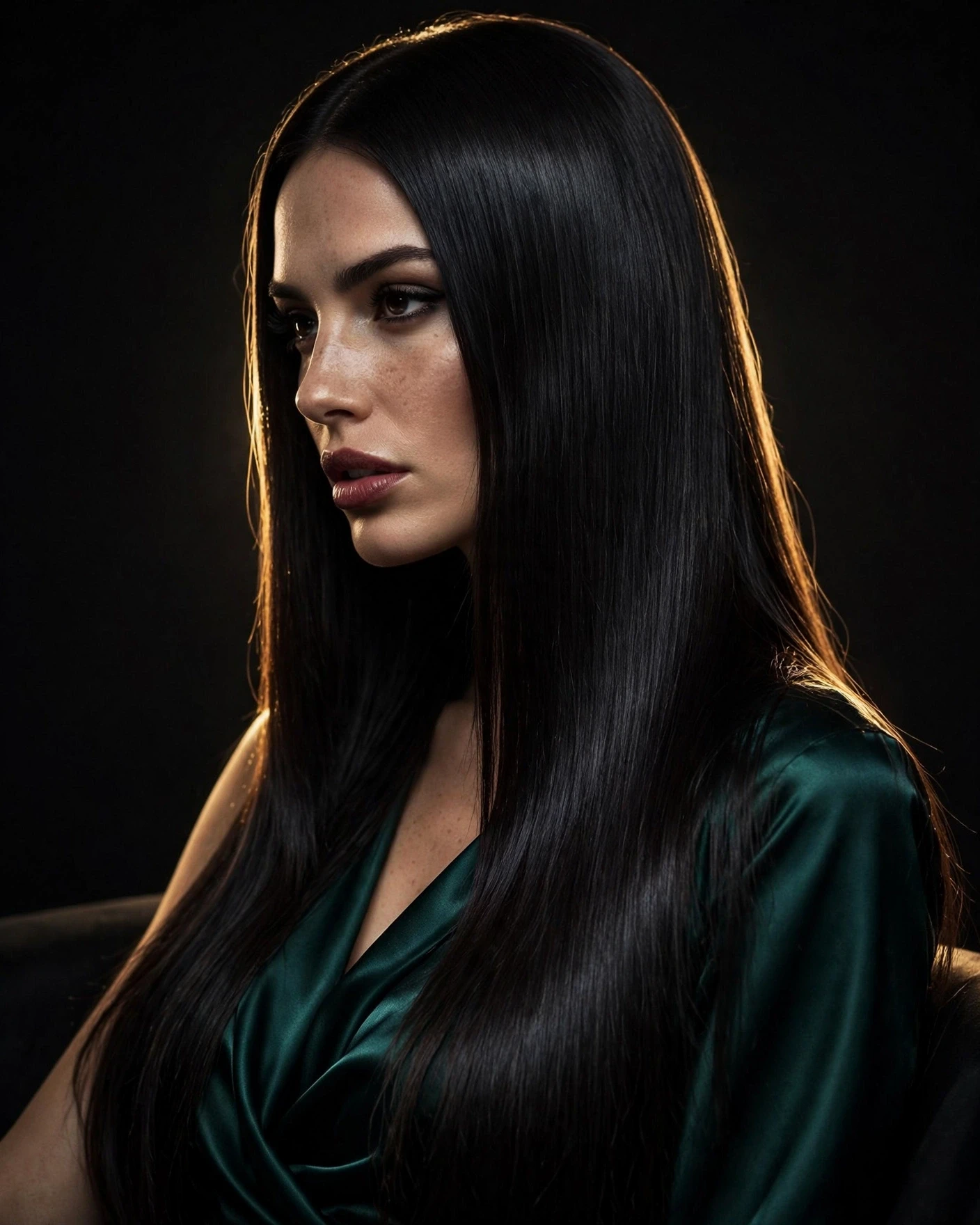
Most people assume near-black hair looks flat. Done properly it does the opposite. Midnight brunette sits right on the edge of black without crossing into it, blending deep brown with soft black for a mirror-shine finish. The gloss is what separates it from a boxed black dye. On long hair the effect is genuinely striking, and it’s also one of the lowest-maintenance options available since regrowth is nearly invisible on dark natural bases.
Blonde Ideas for Long Hair
Long blonde hair carries the highest maintenance burden of anything in this article. Choose based on your tolerance for salon visits, not just the photo.
Butter Blonde
Warmer and softer than icy platinum, butter blonde has a creamy golden glow that reflects light and makes long hair look glossy and healthy. A soft root shadow paired with a finishing gloss keeps it dimensional and lets it grow out gracefully. That combination is what turns a six-week appointment into a ten-week one.
Honey Blonde
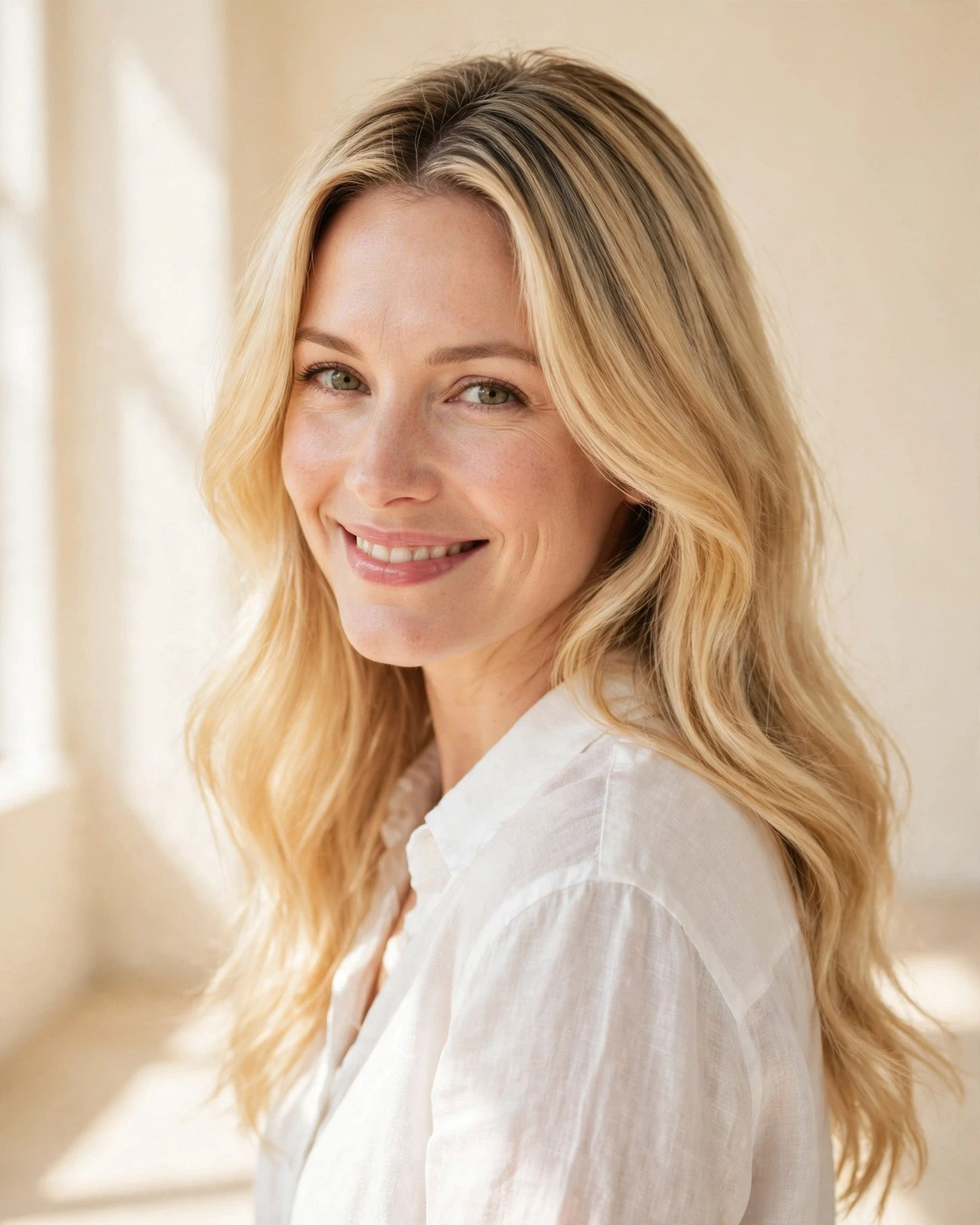
Hershesons Belgravia colourist Hannah G has called honey blonde the perfect blend between warmer, richer shades and something lighter, and consultant colourist James Samuel describes it as an intense golden blonde rather than scattered golden highlights.
What makes it work on long hair:
- Warmth prevents the brassiness that plain blonde develops as it fades
- Richness stops long lengths looking thin at the ends
- It suits warm and neutral undertones without much adjustment
- Regrowth blends softly on light to medium brown bases
Barn Girl Blonde
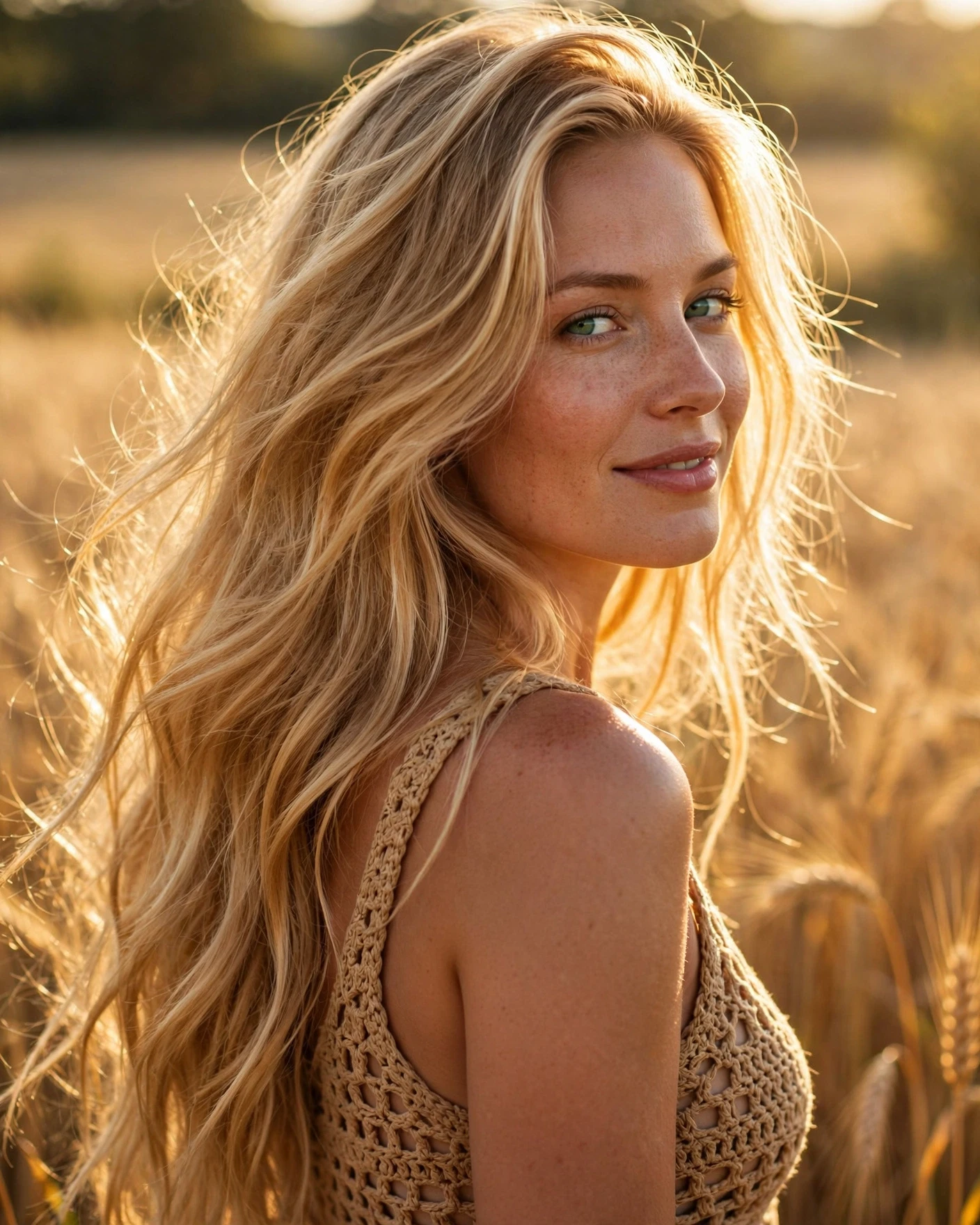
Charley Henery, international artistic director at TONI&GUY, has reported a clear shift away from high-maintenance highlights toward something more lived-in, and this is where barn girl blonde comes in. She describes it as a muted, sandy tone with soft root depth and beautifully blended lengths, polished in an understated way. Long hair benefits enormously, because the root depth removes the harsh line that usually forces early appointments.
Creamy Vanilla
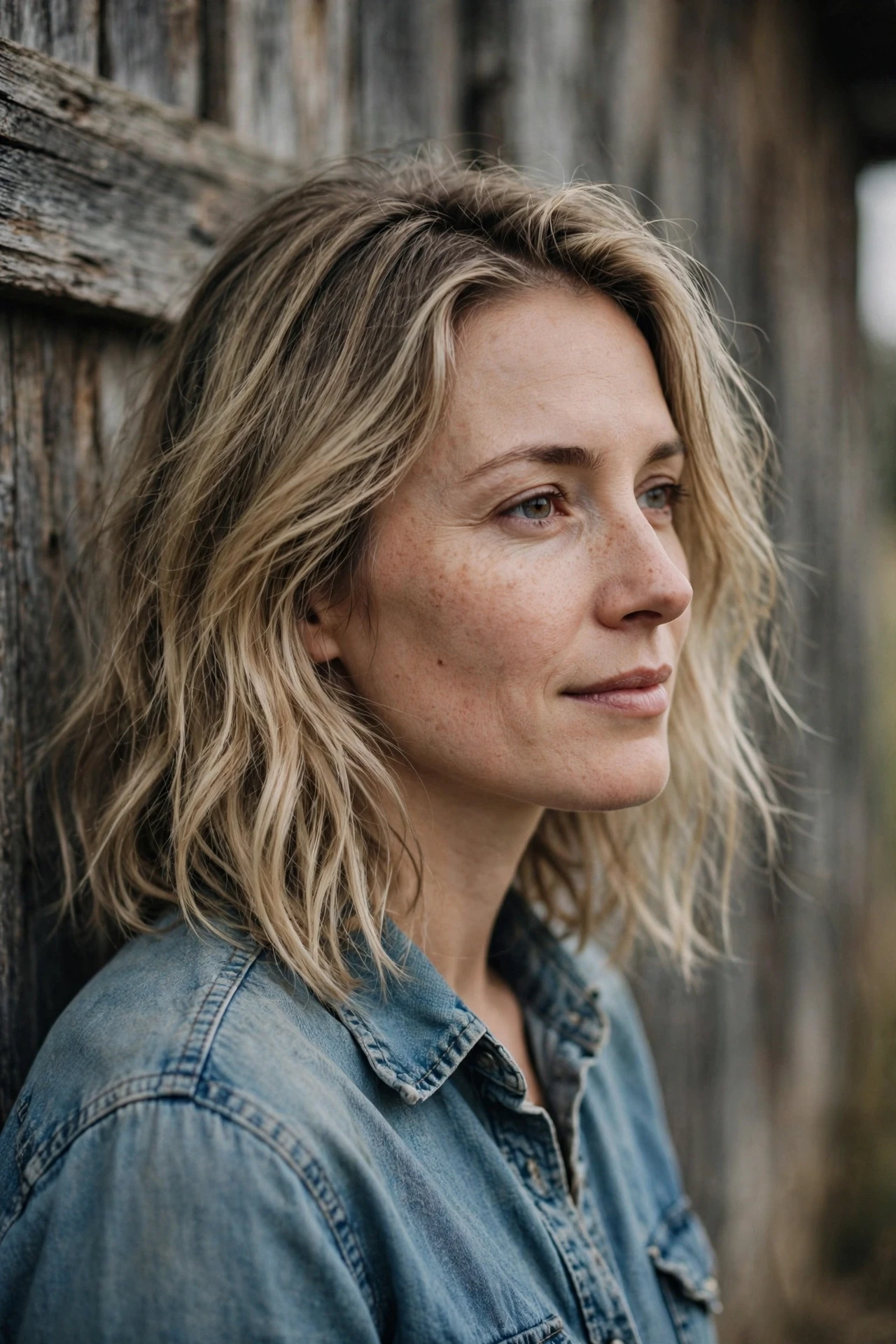
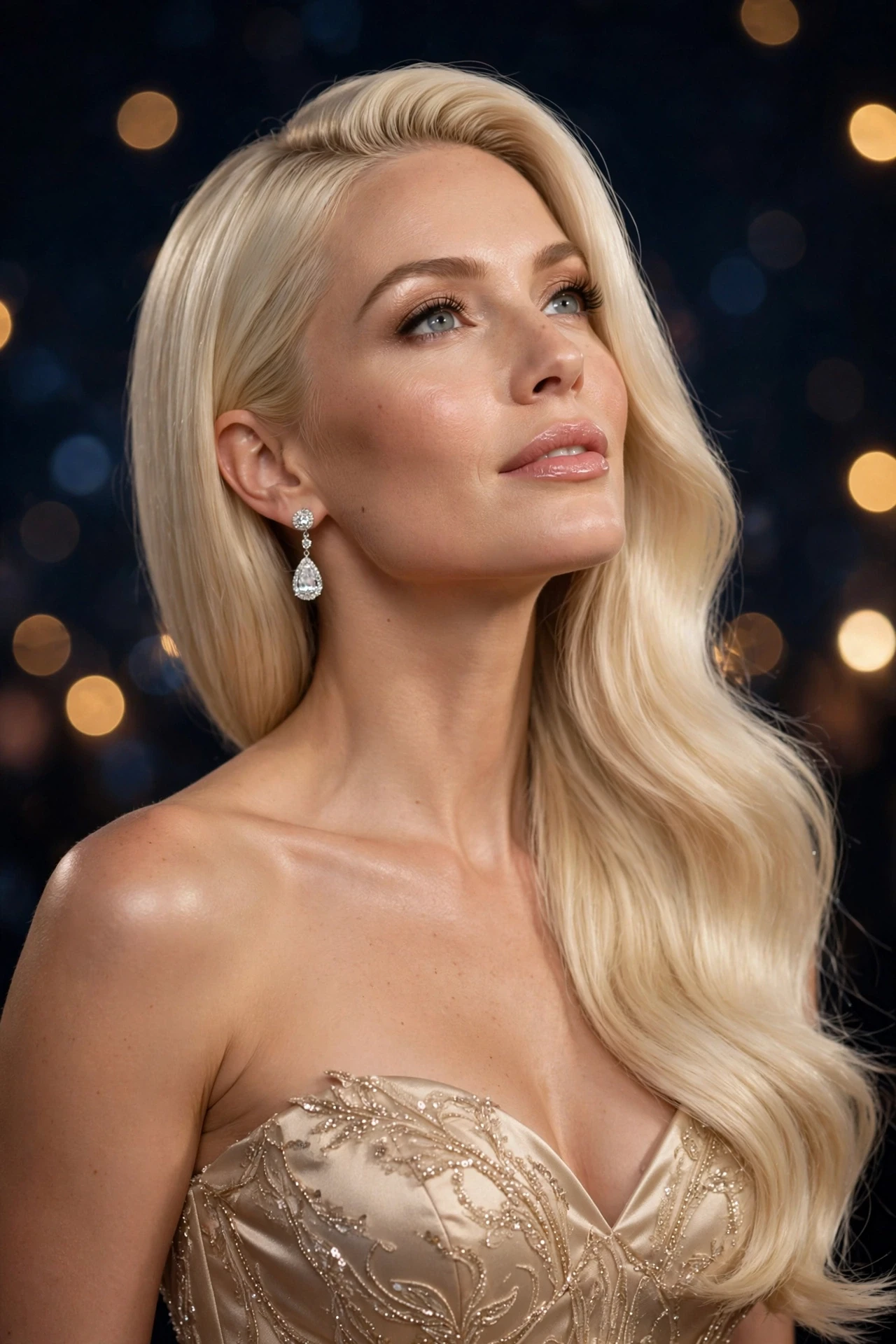
Red carpets have been full of this one. Celebrity hairstylist Cindy Duplantis, an Olaplex Pro Collective member, has flagged creamy vanilla as part of a broader move toward low-effort, high-gloss colour.
Soft, warm and creamy rather than icy, it sits well on fair to medium complexions. Long hair does need a bond-building treatment built into every appointment here, since reaching vanilla usually involves lifting.
Ethereal Platinum
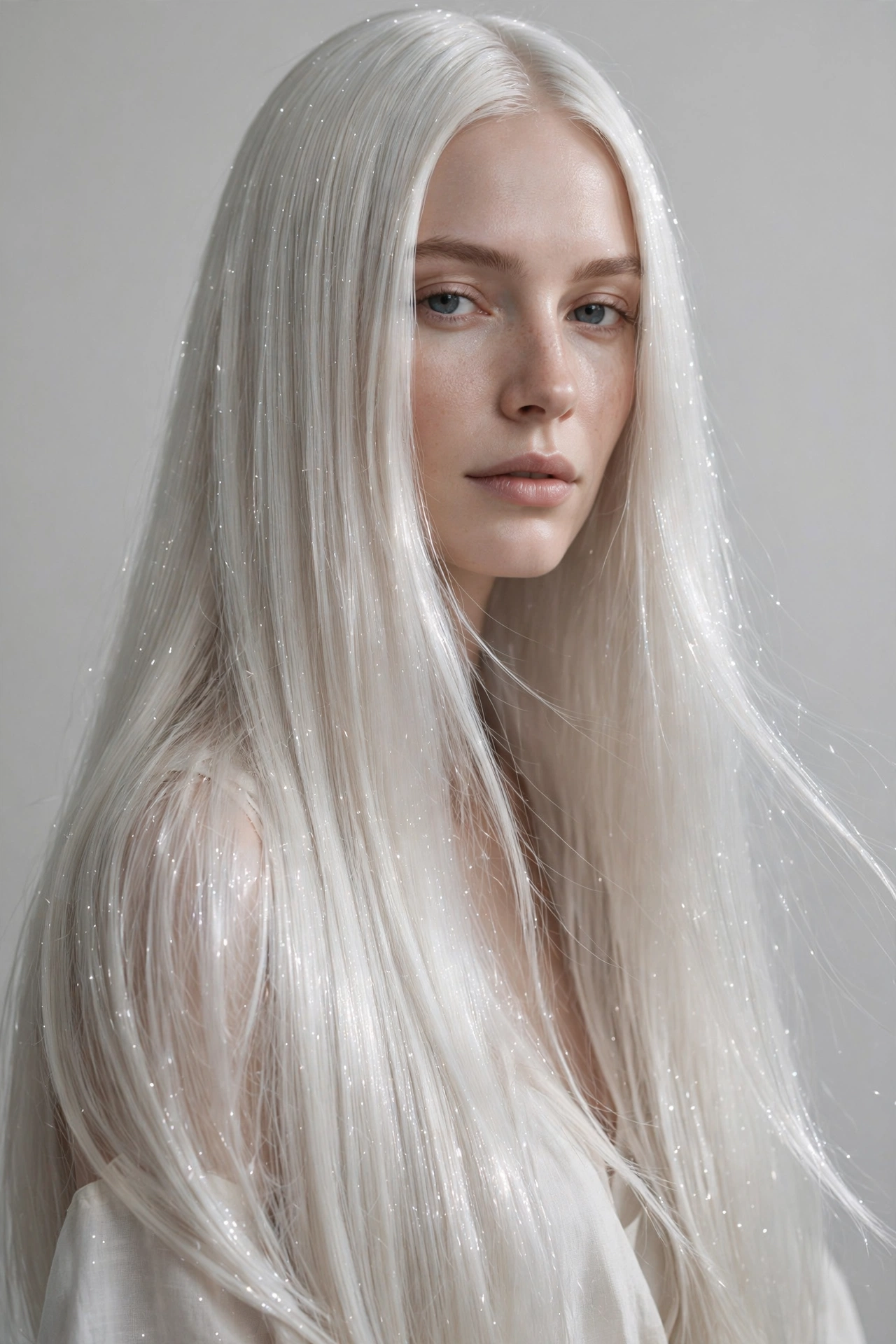
Ready for monthly appointments? That’s the honest entry requirement. Master colourist Louise Rusk, founder of Jes + Lou Beauty, has described the platinum shift toward a pale, almost ethereal white with a little sparkle, while flagging it as high maintenance with touch-ups and toning required monthly. On waist-length hair that commitment multiplies, and so does the damage risk at the oldest sections.
Golden Blonde
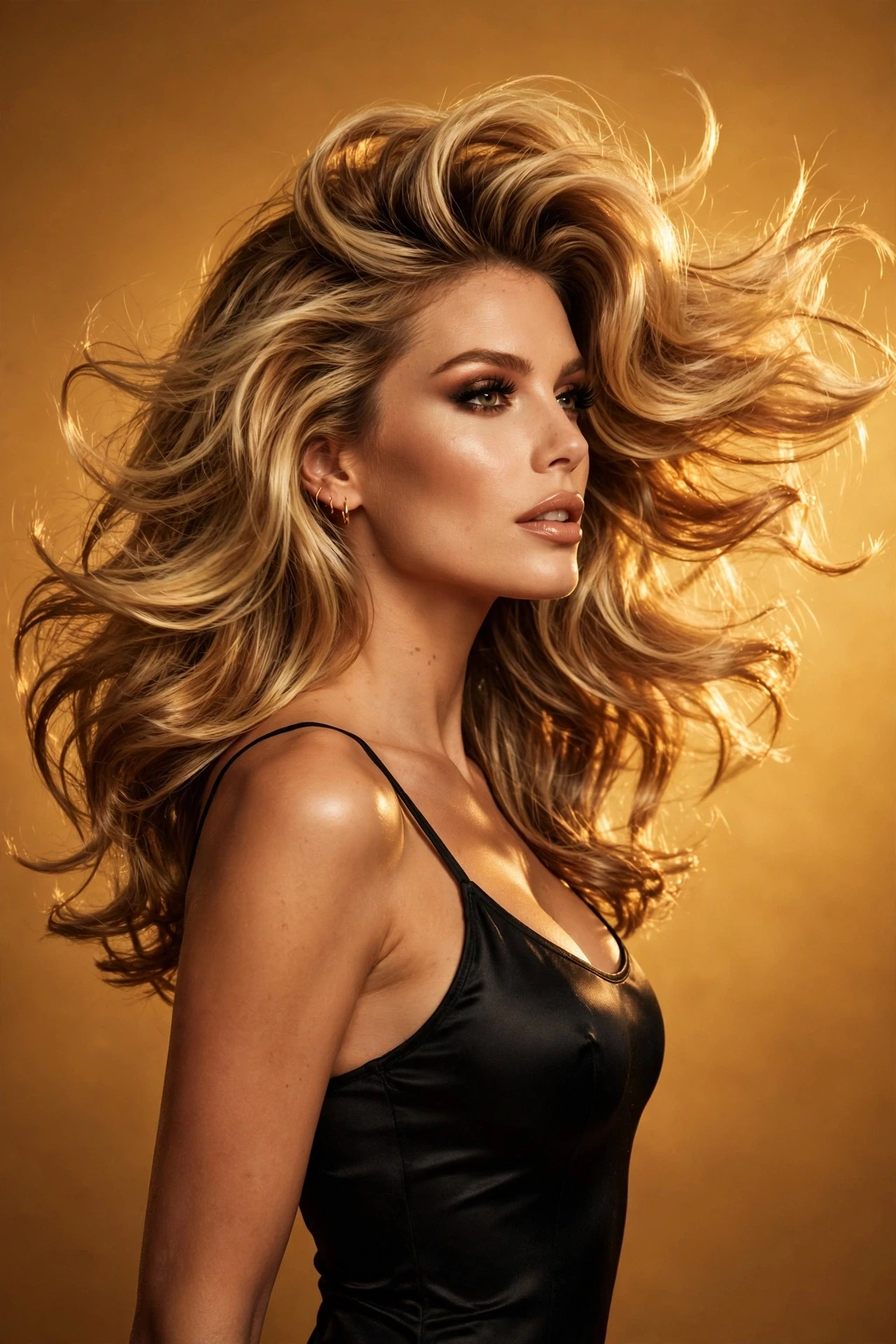
Bright blonde blended with caramel creates a light-reflecting gold finish that reads warm and expensive rather than brassy. Bella Hadid’s version from the last Victoria’s Secret show is the reference most clients bring in. Long hair holds the dimension particularly well, since the caramel has distance to melt into the brighter pieces.
Red, Copper and Auburn Long Hair Colors
Red is the clear winner of the current cycle, and Kaeding has confirmed clients are choosing it over blonde specifically.
Cowboy Copper
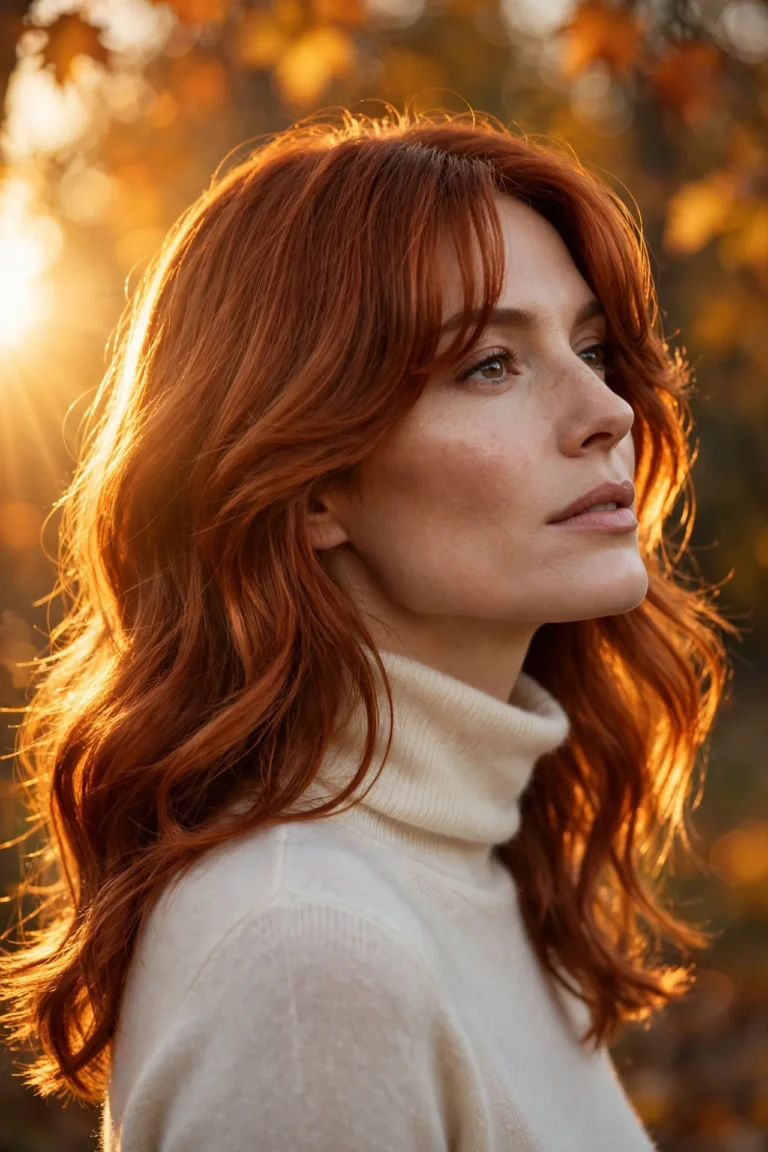
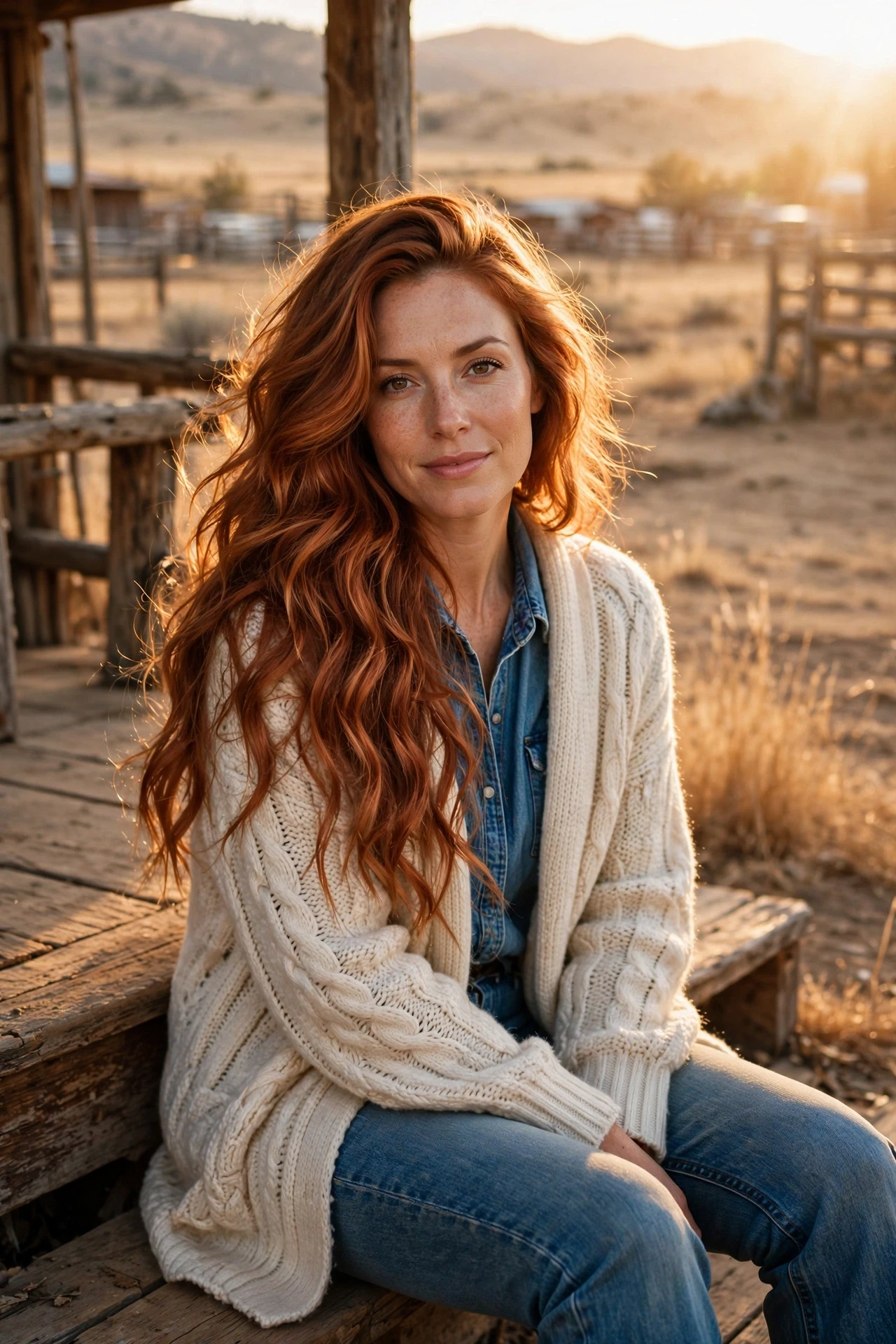
Four seasons running. Cowboy copper refuses to leave, and colourists keep expanding it rather than replacing it. Warm, cosy and understated, it softens brazen copper by blending it with natural tones while keeping dark blonde depth underneath. That makes it the friendliest entry point for anyone trying red for the first time. Warm and neutral skin tones suit it best.
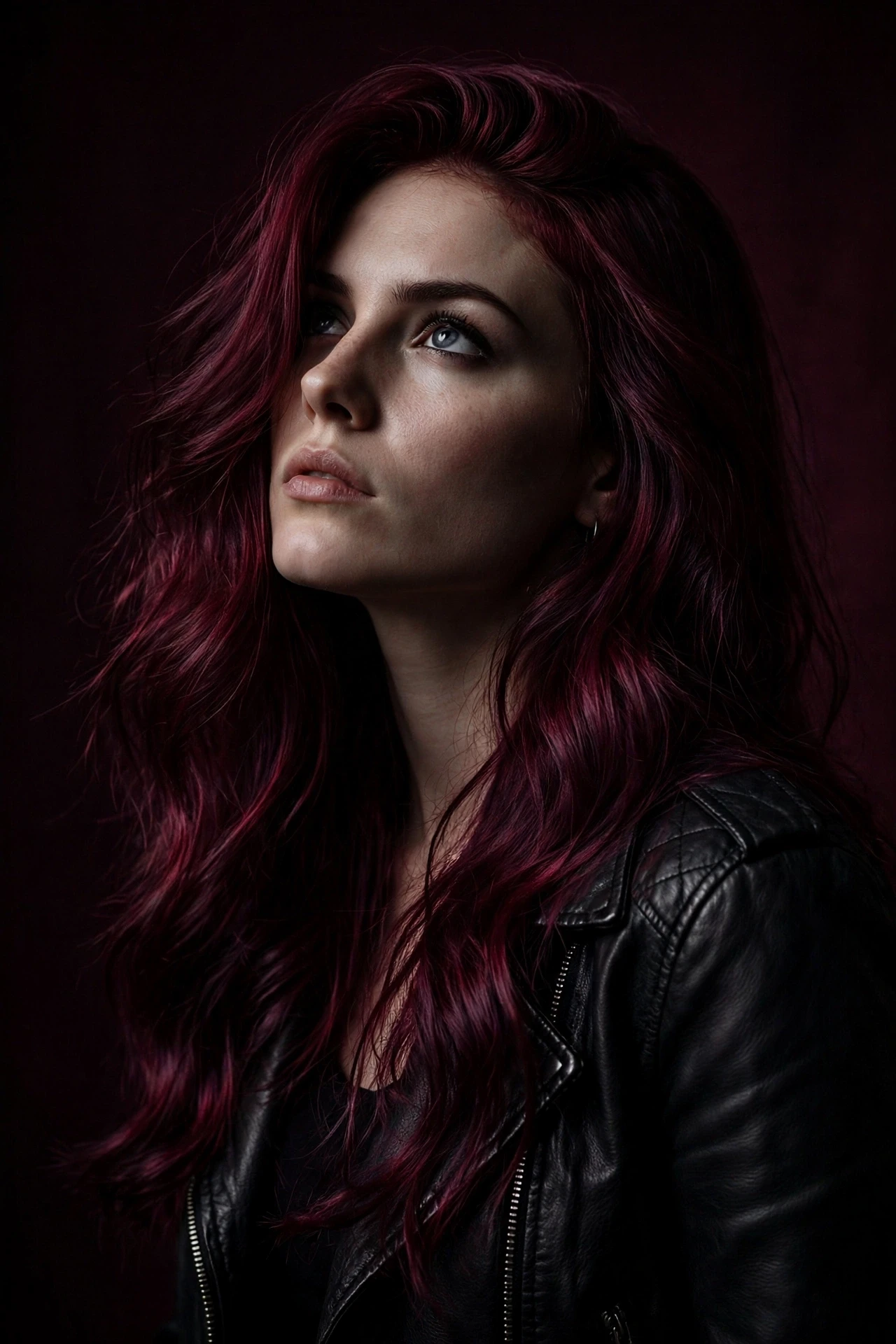
Cherry Cola
Deep red with visible cool undertones, cherry cola sits somewhere between burgundy and true red and looks especially rich on long hair where the depth has room to shift under different lighting. Red pigment fades faster than any other family, so a colour-depositing conditioner is genuinely necessary rather than optional.
Auburn Spice
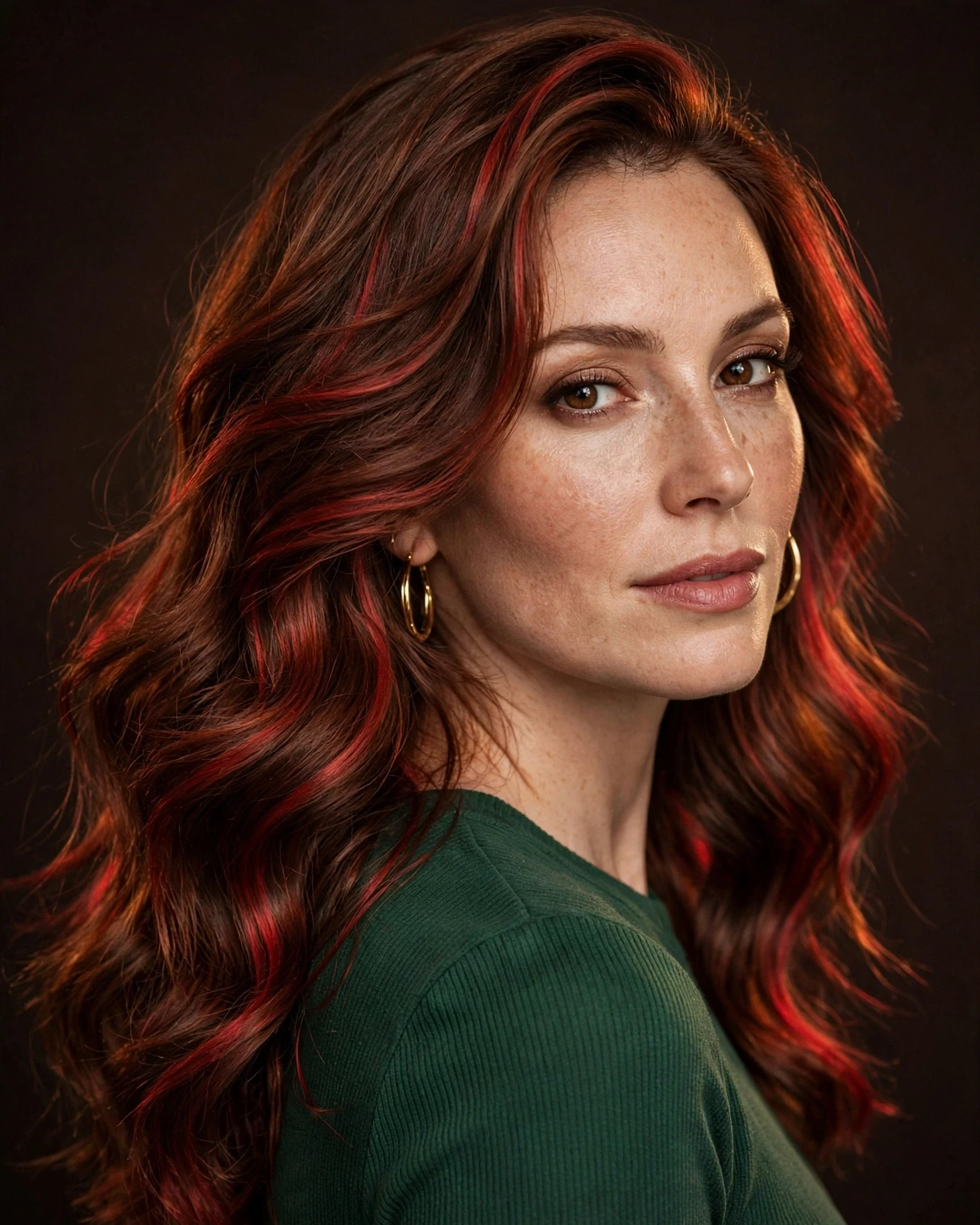
Auburn suits more people than almost any other red, and the reason is structural rather than aesthetic. Because auburn keeps a brown base with red woven through, your natural regrowth blends instead of announcing itself at week three. Medium to deep skin tones look extraordinary in it. This is also the red that ages best across a long install, since the darker foundation holds pigment considerably longer than a bright copper.
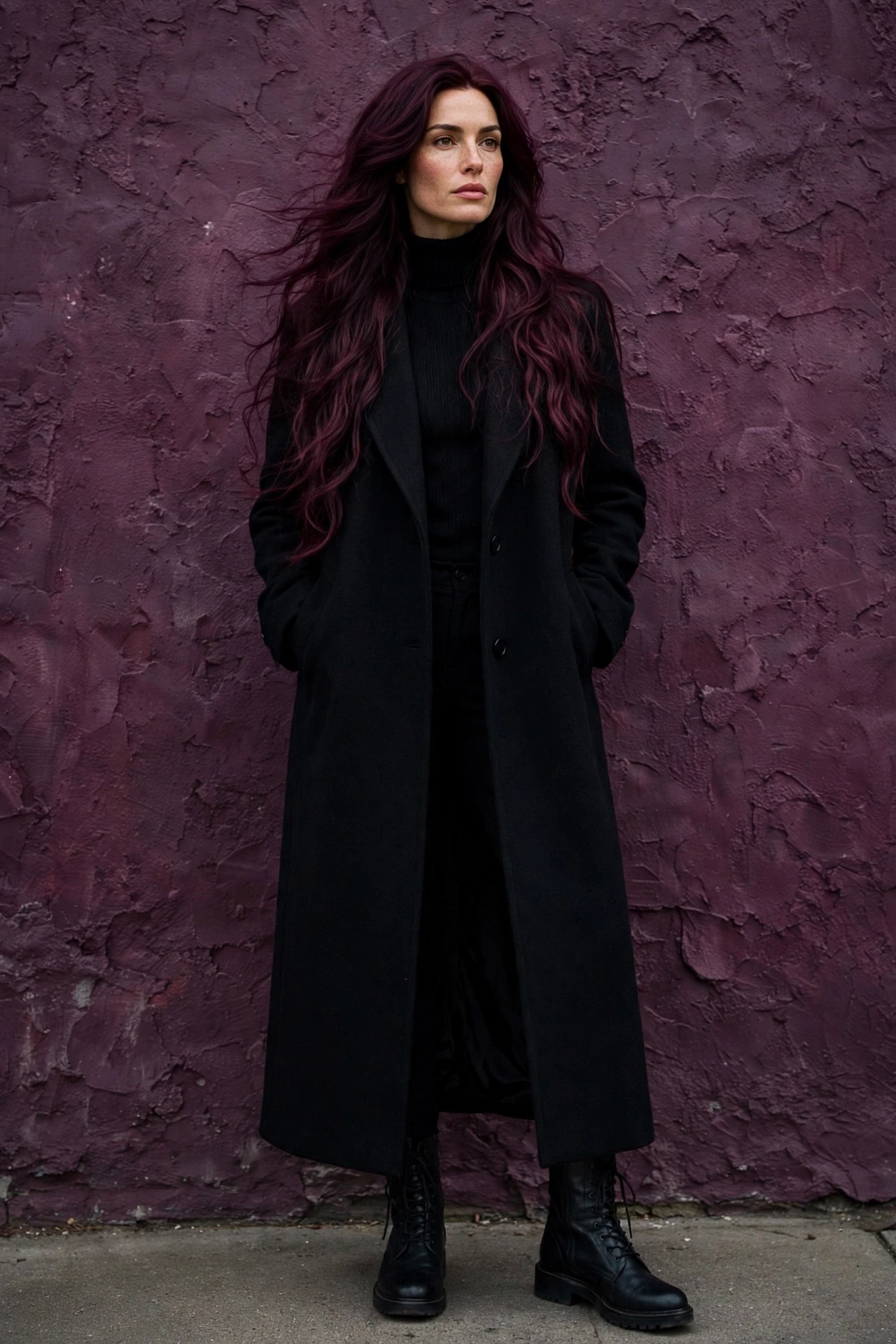
Mulled Wine
Burgundy has grown up. Mulled wine is the edgier, more sophisticated take, deeper and less purple than the burgundies of a few years ago. Autumn and winter are the obvious seasons. New burgundy extensions and freshly coloured hair can both transfer onto pale clothing, so a cool rinse after the first few washes saves your white shirts.
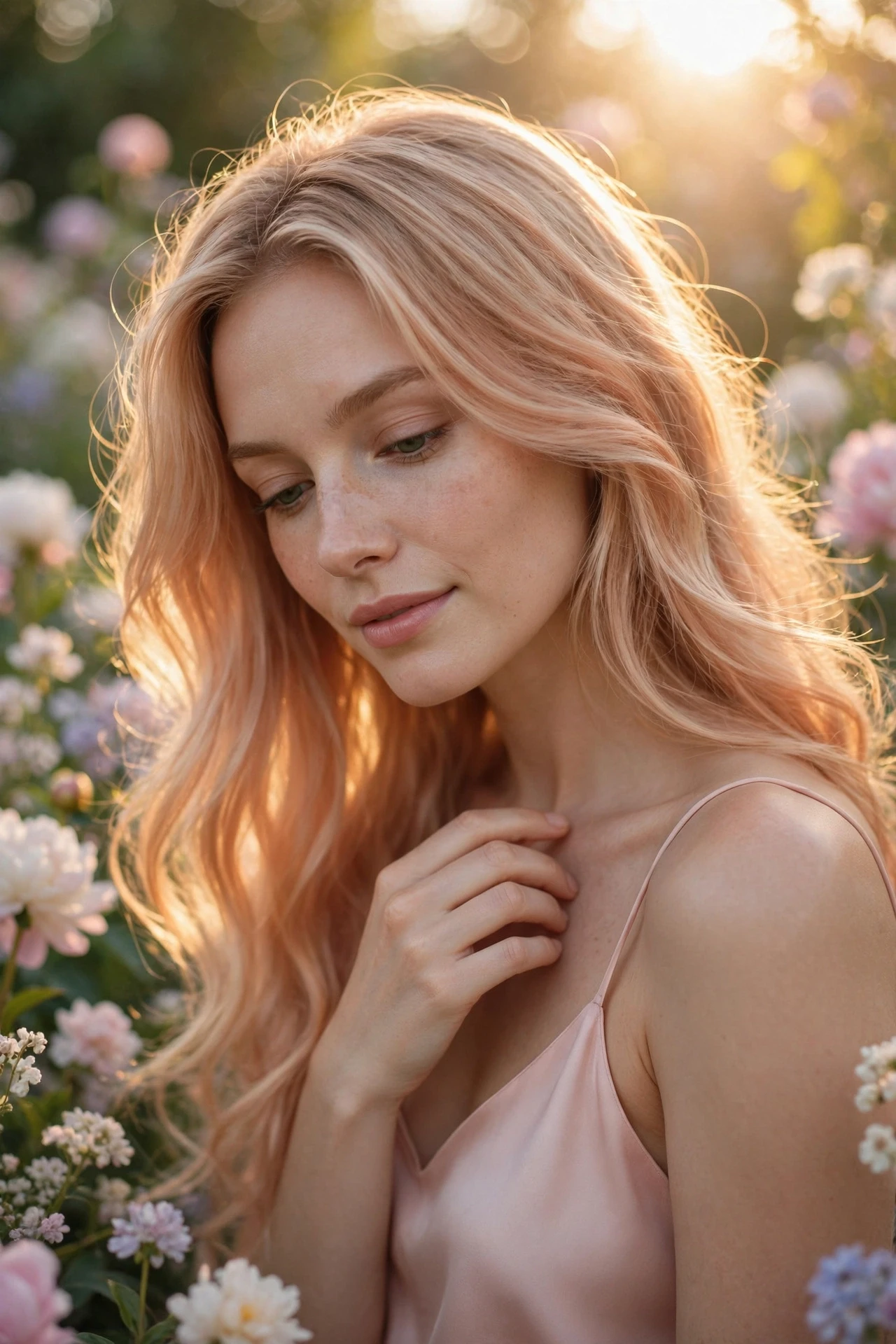
Apricot Blonde
Sean Michael, owner of Salon Beau, characterises apricot blonde as a warm blonde with a subtle peach undertone, occupying the space between copper, strawberry blonde and golden blonde.
Where it lands well:
- Fair to medium complexions with warm or neutral undertones
- Anyone who found copper too intense
- Clients wanting brightness without full platinum commitment
- Long hair with existing highlights, since it tones beautifully over them
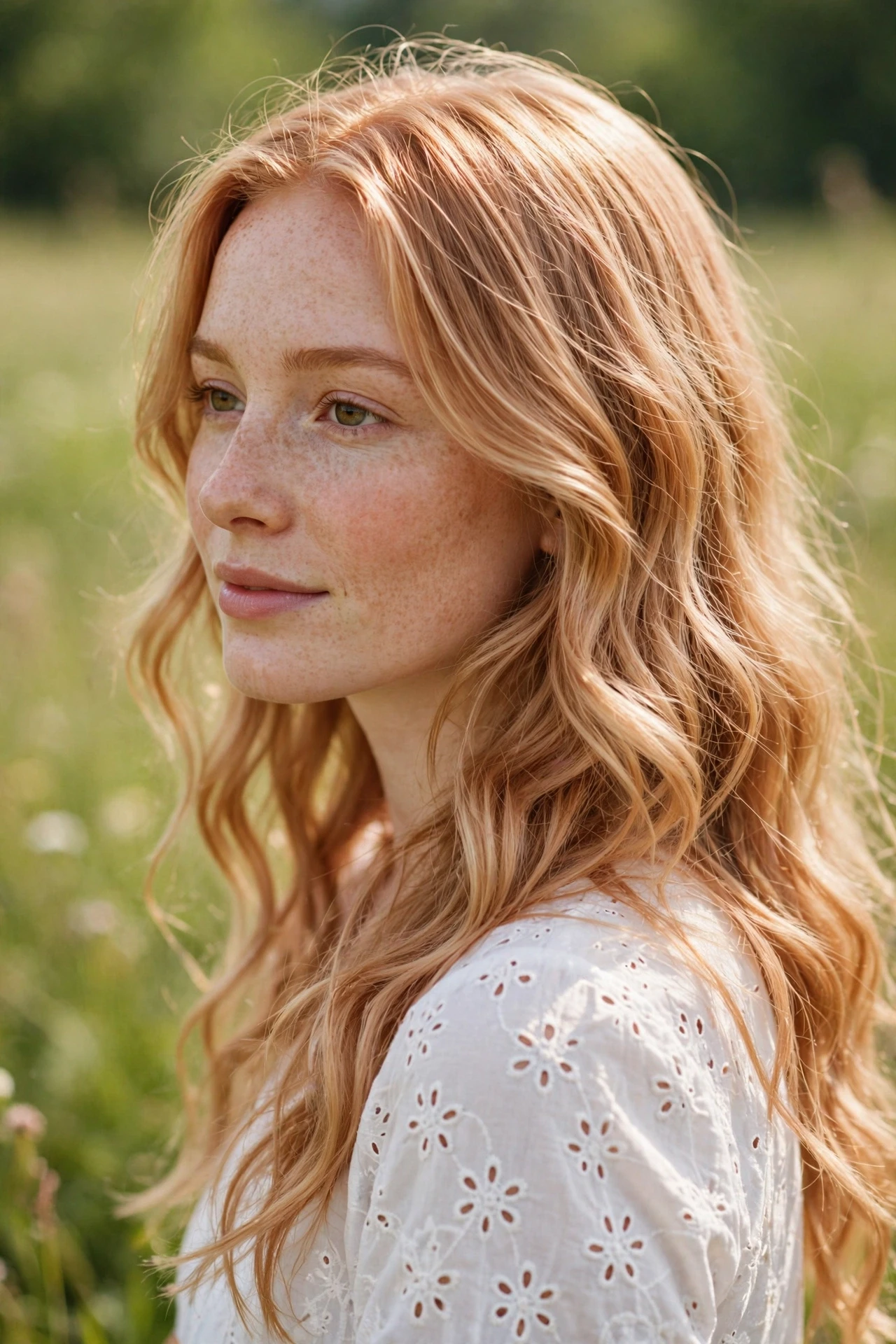
Strawberry Blonde
Tired of brassiness and the upkeep bleach demands? Strawberry blonde is the softer answer, with rosy undertones creating a warm, sunlit take on blonde that fades far more gracefully than a cooler shade.
Bronde and In-Between Shades
Neither blonde nor brunette, and considerably easier to maintain than either.
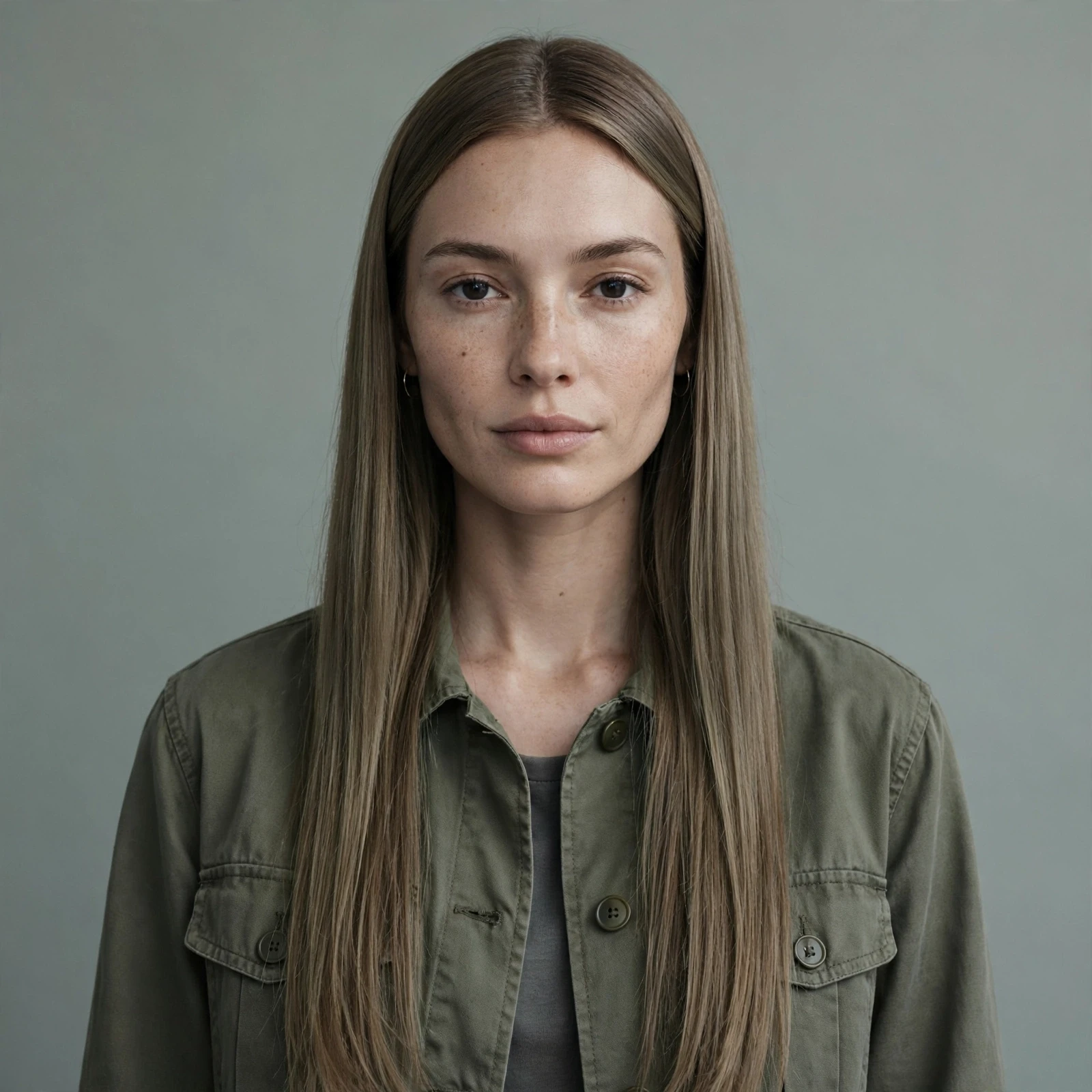
Khaki Bronde
Bronde is evolving toward fashion neutrals, and Pravana colour expert Jess Gonzalez has specifically predicted khaki-inspired tones driving that shift. The result is muted, slightly cool and modern, avoiding the golden brassiness that older bronde formulas developed. It reads best on long hair where the tonal subtlety has space to show.
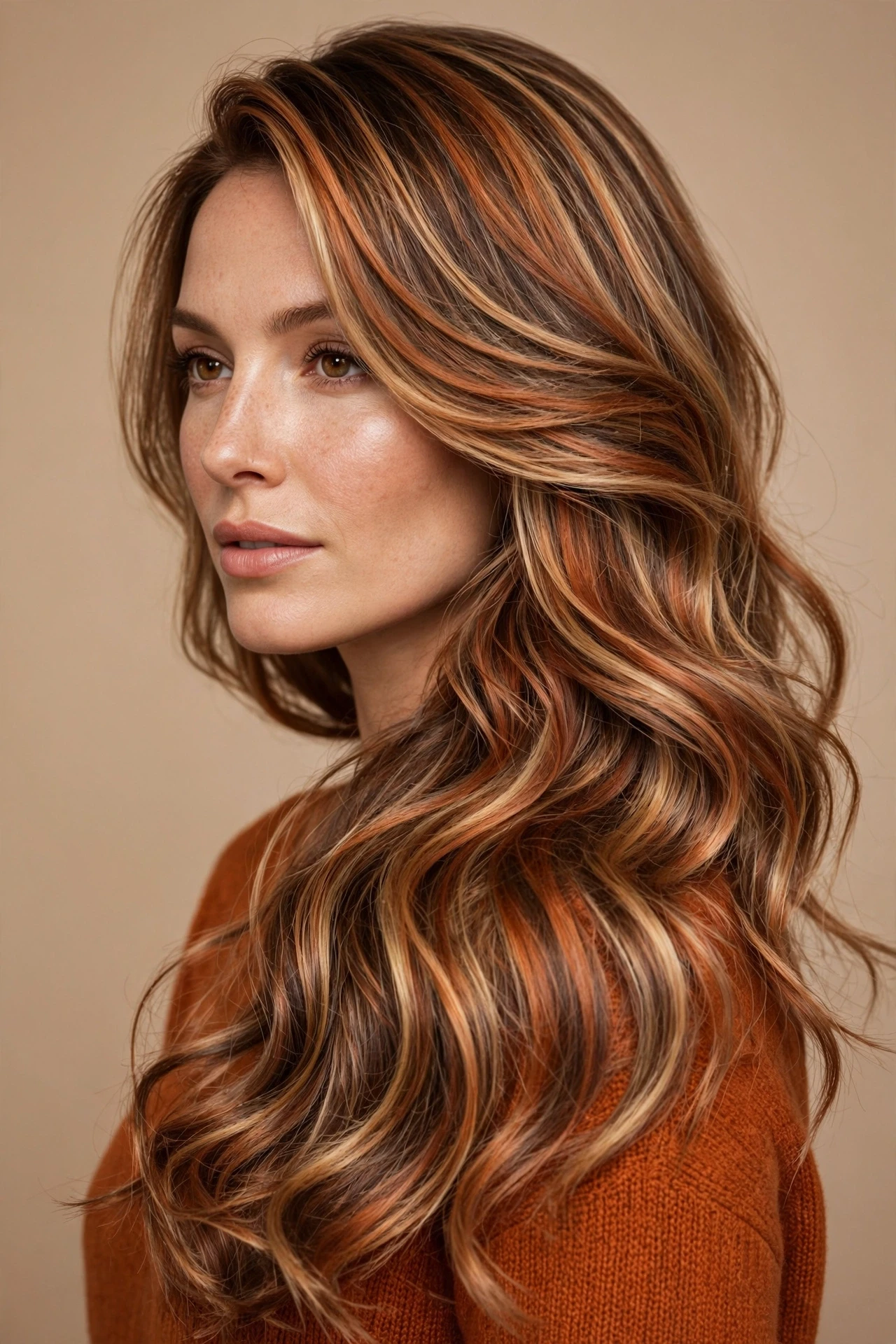
Copper Bronde
Copper and bronde separately are both popular. Together they solve a problem neither fixes alone. Weaving soft copper through blonde and brown gives you the warmth of red without committing your whole head to it, and the multi-tonal base means fading is barely noticeable. Anyone nervous about going fully copper should ask for this as a stepping stone.
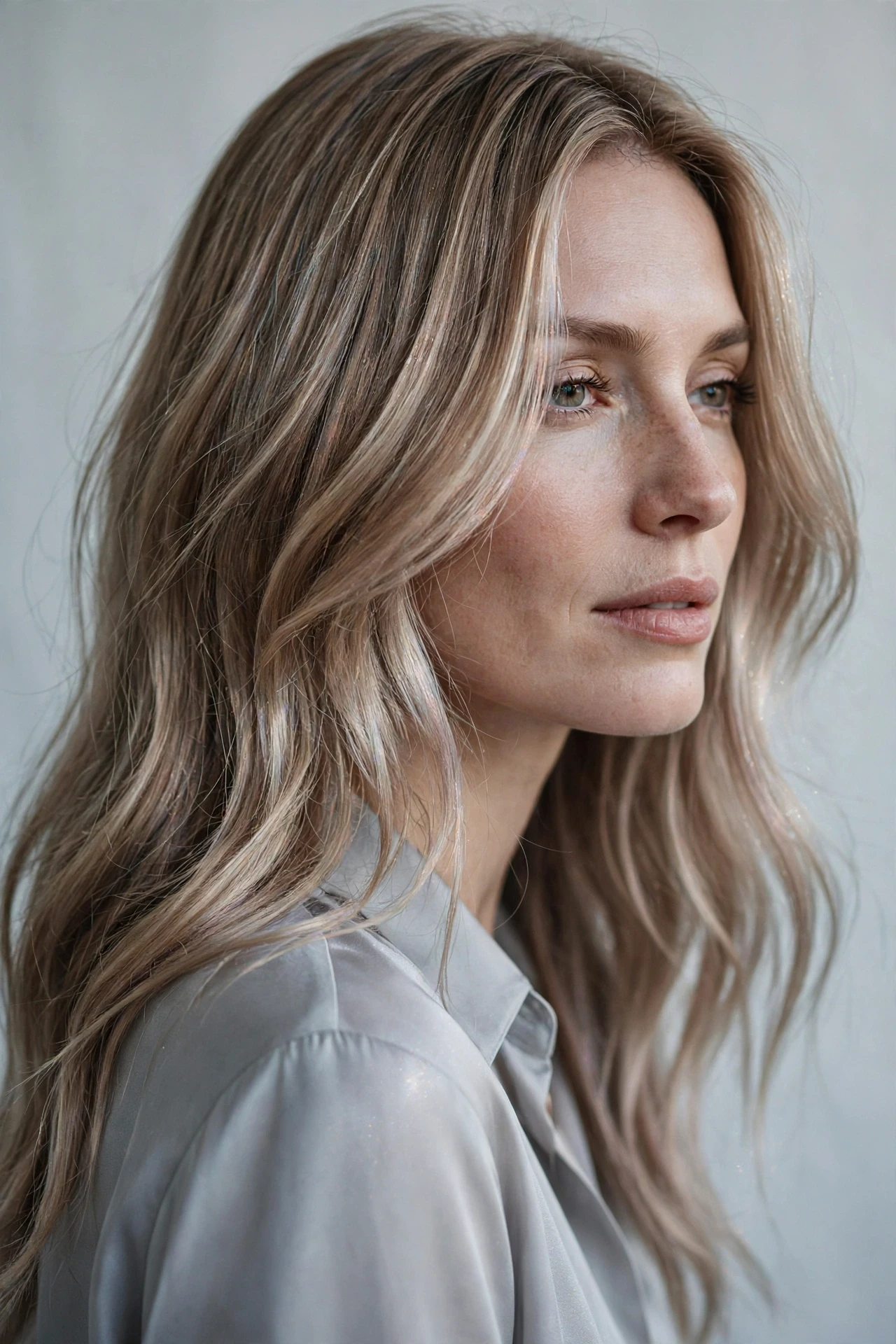
Sandy Iridescent Bronze
Somewhere between sand and bronze, with a subtle iridescent shift depending on the light. Lily-Rose Depp popularised this direction, and it works as the natural replacement for bleach blonde for anyone whose hair has had enough lightening.
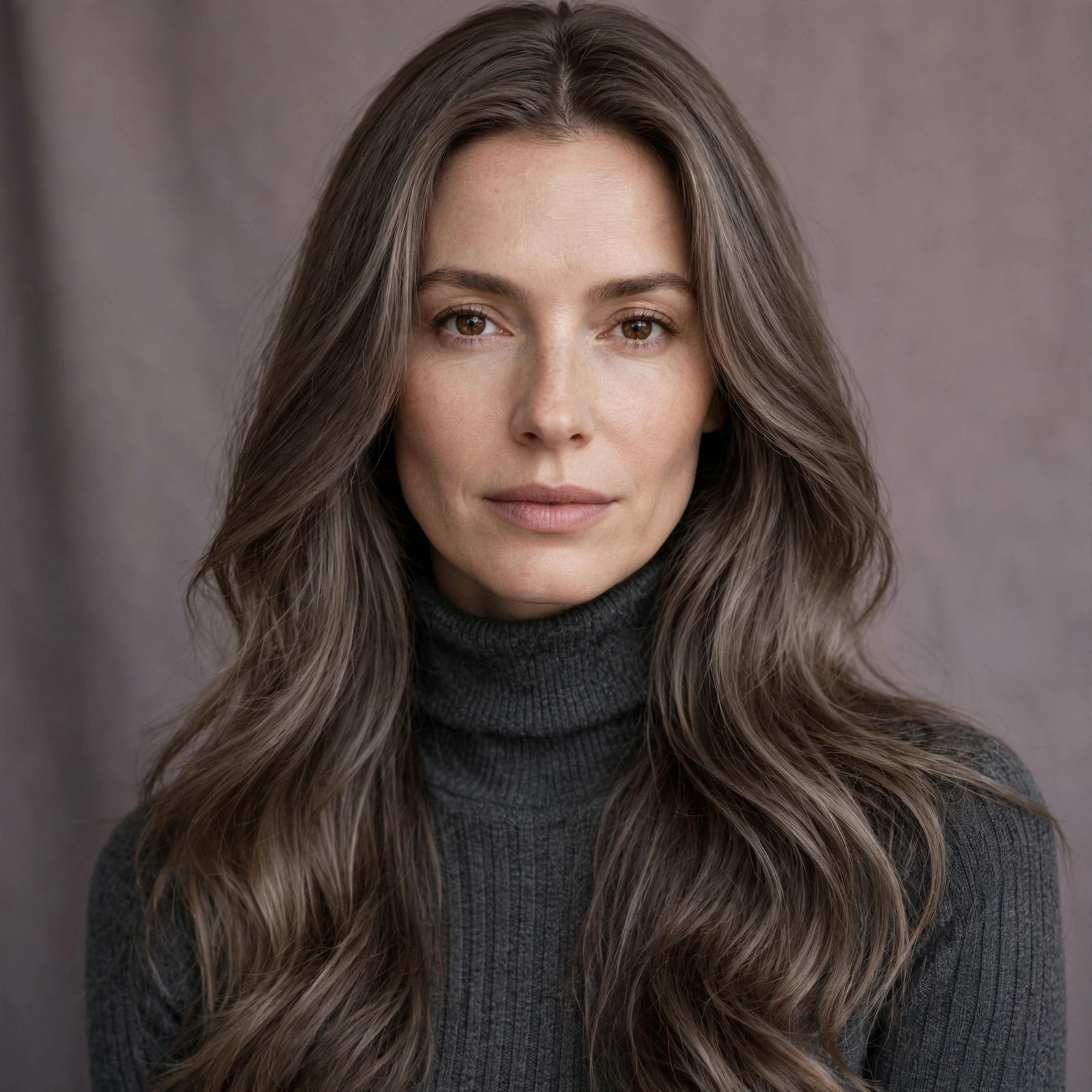
Mushroom Brown
Why does mushroom brown look so expensive in photographs? Because the ash and taupe blend absorbs light unevenly, creating depth without any obvious highlight pattern.
Cool and neutral undertones wear it best. It also disguises grey particularly well, which makes it a quiet favourite among colourists working with clients in their forties and fifties.
Techniques Built Specifically for Long Hair
Placement matters more than shade once your hair passes the shoulders. These five techniques exist because long hair behaves differently.
Balayage
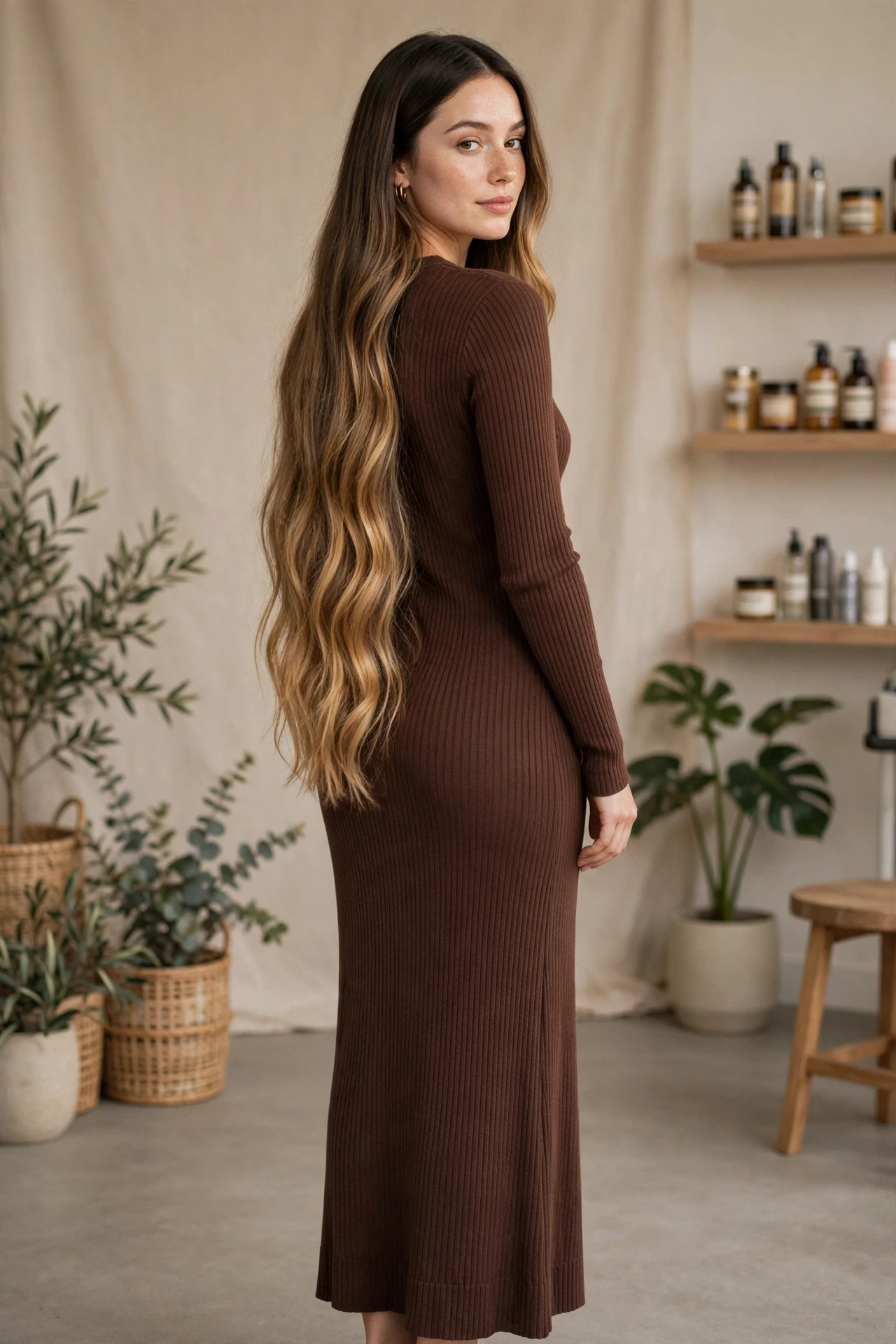
Hand-painted colour starting at the mid-lengths and building toward the ends remains the single best technique for long hair, because it puts brightness exactly where daylight hits and leaves your roots alone. Touch-ups stretch to twelve weeks comfortably. Damage stays concentrated in a controlled section rather than spread across your whole head.
The Money Piece
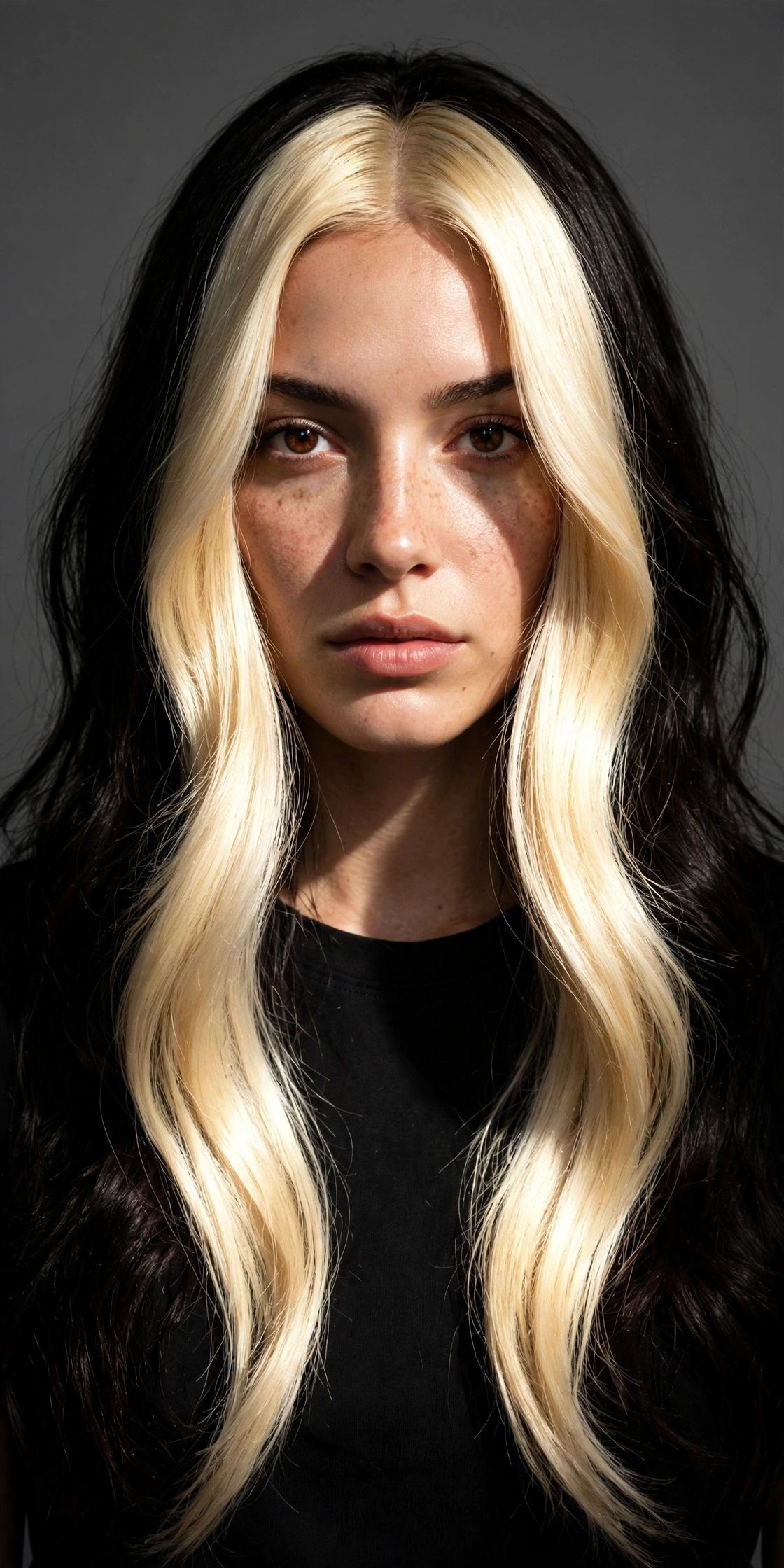
Two brightened sections at the front, nothing else touched.
Why it works so well on long hair:
- Costs a fraction of full-head colour
- Brings brightness to your face without lightening length
- Grows out with zero awkward line
- Reversible in one gloss appointment if you hate it
Anyone testing a new tone should start here before committing.
Colour Melt and Ombré
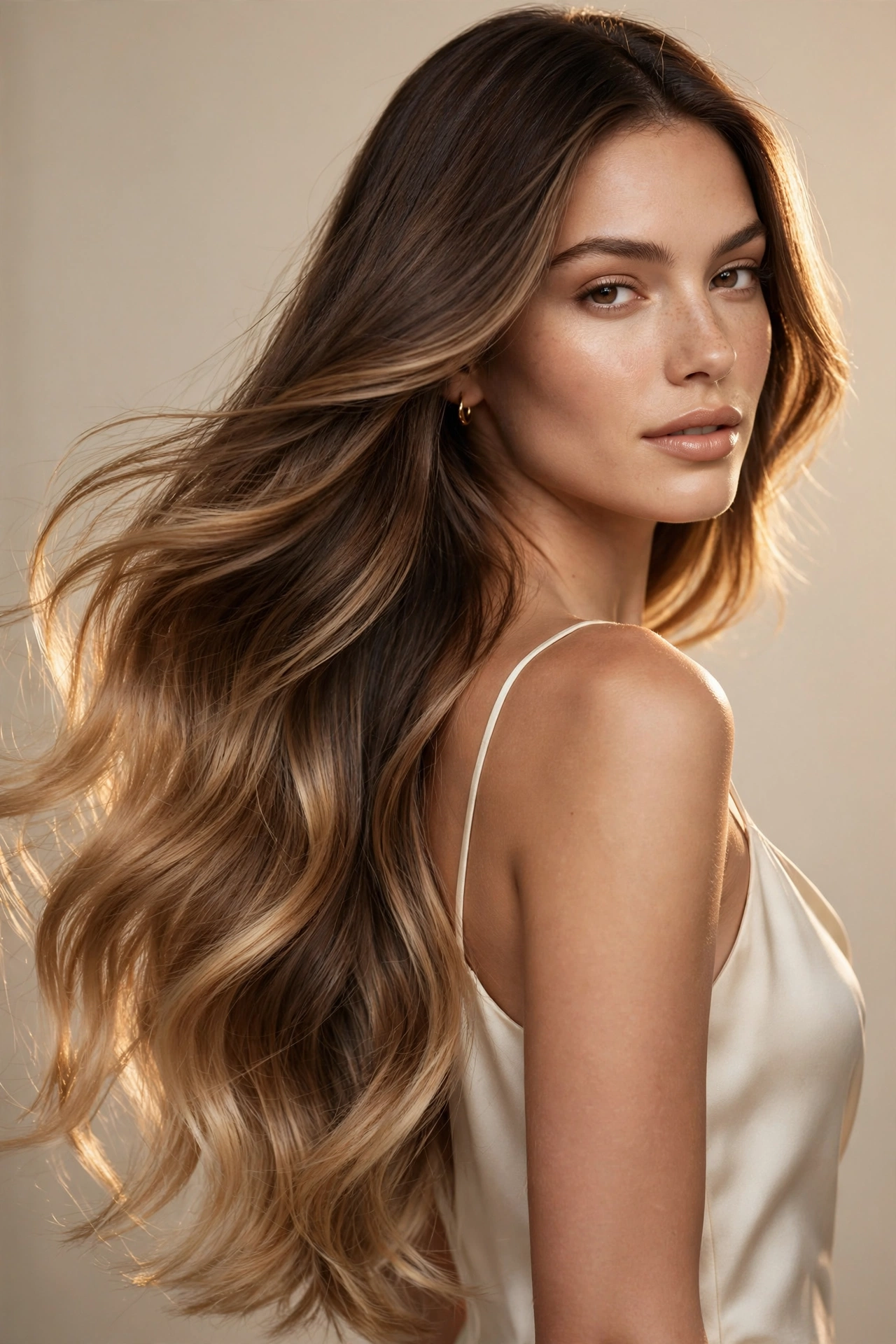
Long hair is the only length where a proper gradient has room to develop, which is why melts look so much better past the shoulders than on a bob. A melt blends two or three tones with no visible transition line anywhere, running deep at the root through mid tones and into brightness at the ends. Ombré keeps a slightly more visible shift. Both stretch appointments dramatically since your natural root is part of the design.
Lived-In Highlights and Baby lights
Chunky streaks are firmly out. Fine, blended baby lights woven throughout while keeping depth near the root are what clients are actually asking for, producing brightness that looks like sun exposure rather than foils. Blondes, brunettes and coppers all take this treatment, which is why it has become the most versatile request in salons this year.
Shadow Root
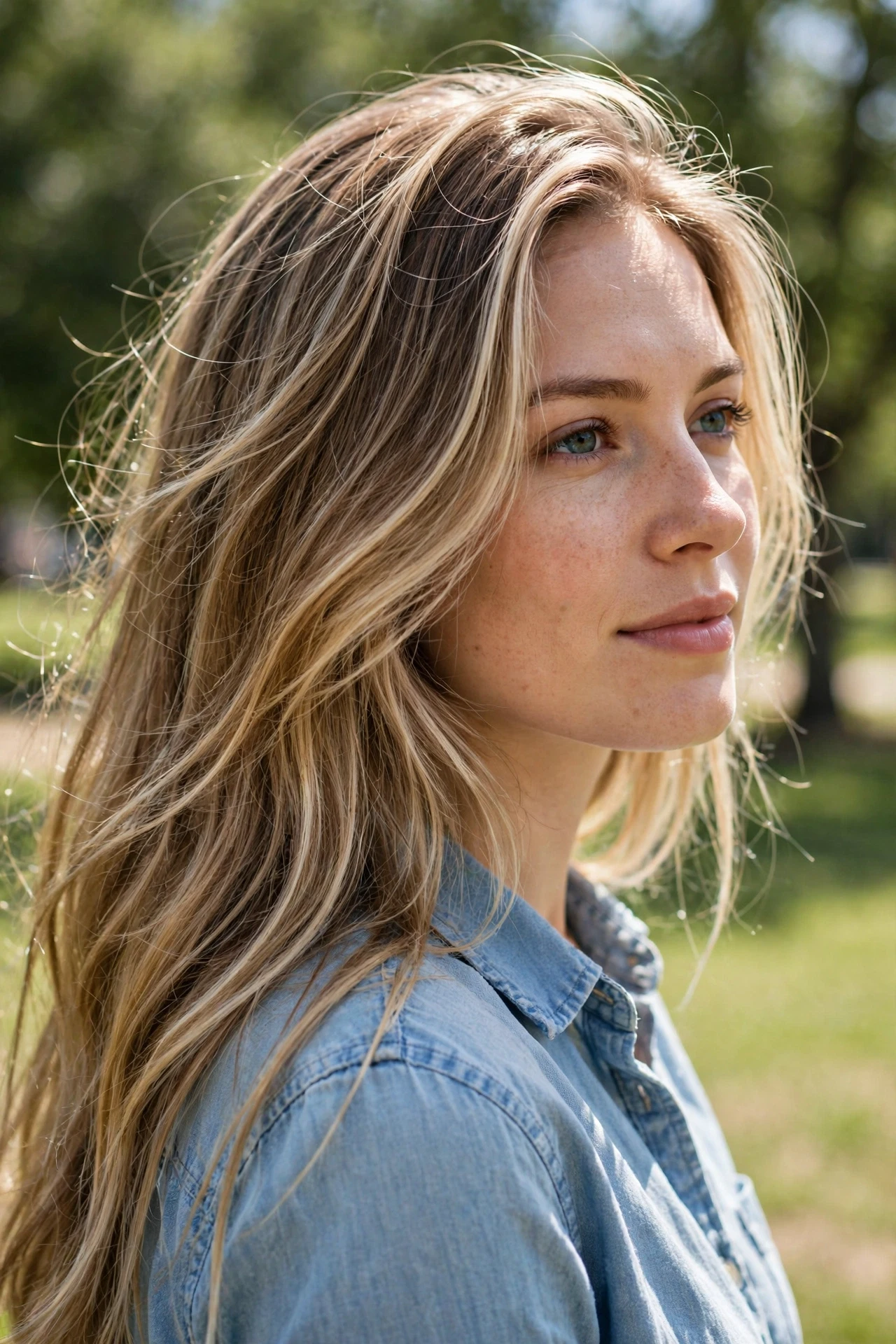
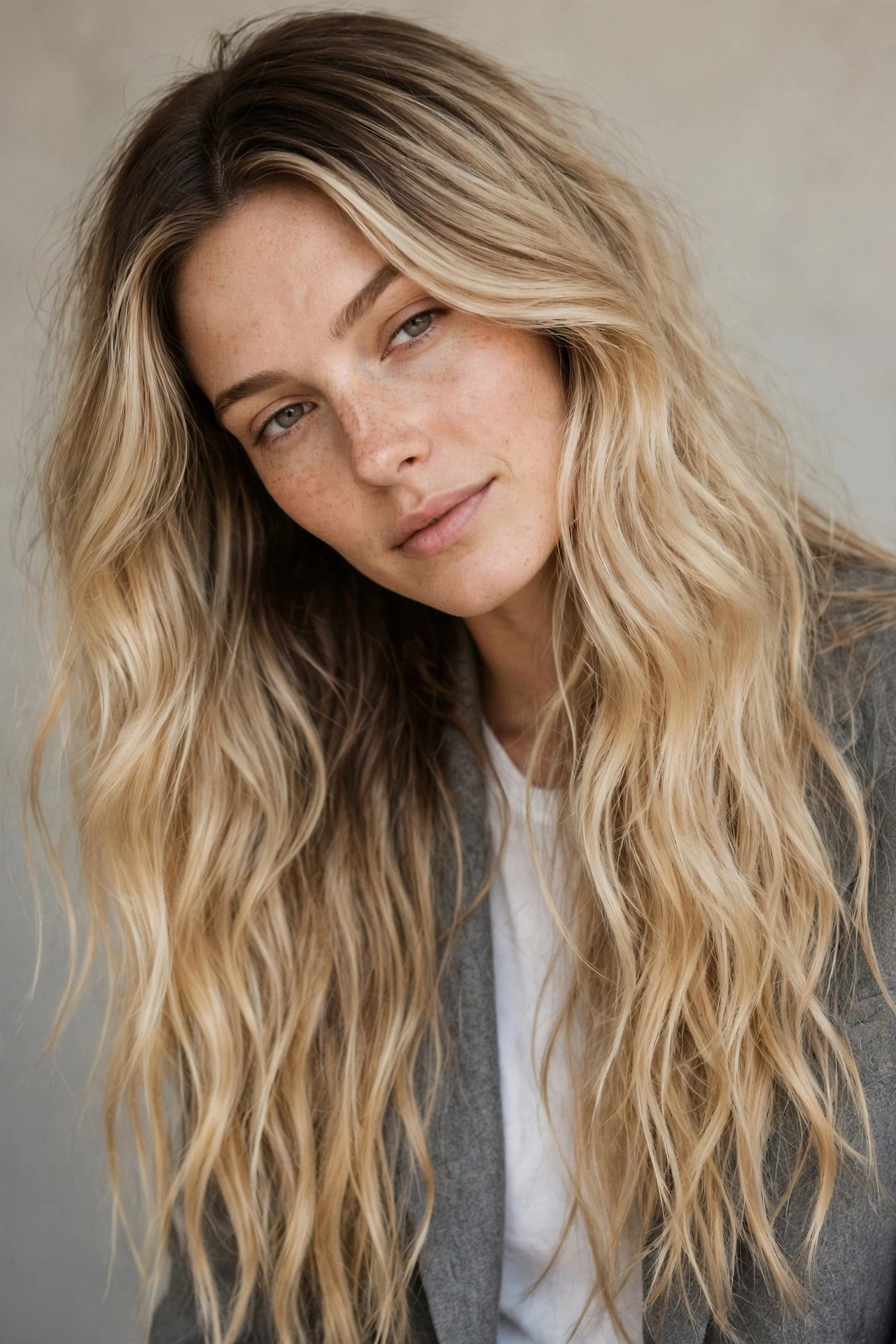
Twelve weeks between appointments instead of five. That’s what a deliberate root shadow buys you. Leaving the roots intentionally deeper before melting into your chosen colour removes the harsh regrowth line entirely. On long hair the added depth also creates the illusion of thickness at the crown, which matters because long hair often looks thinnest exactly there.
Bold and Playful Long Hair Colours
Peekaboo Panels
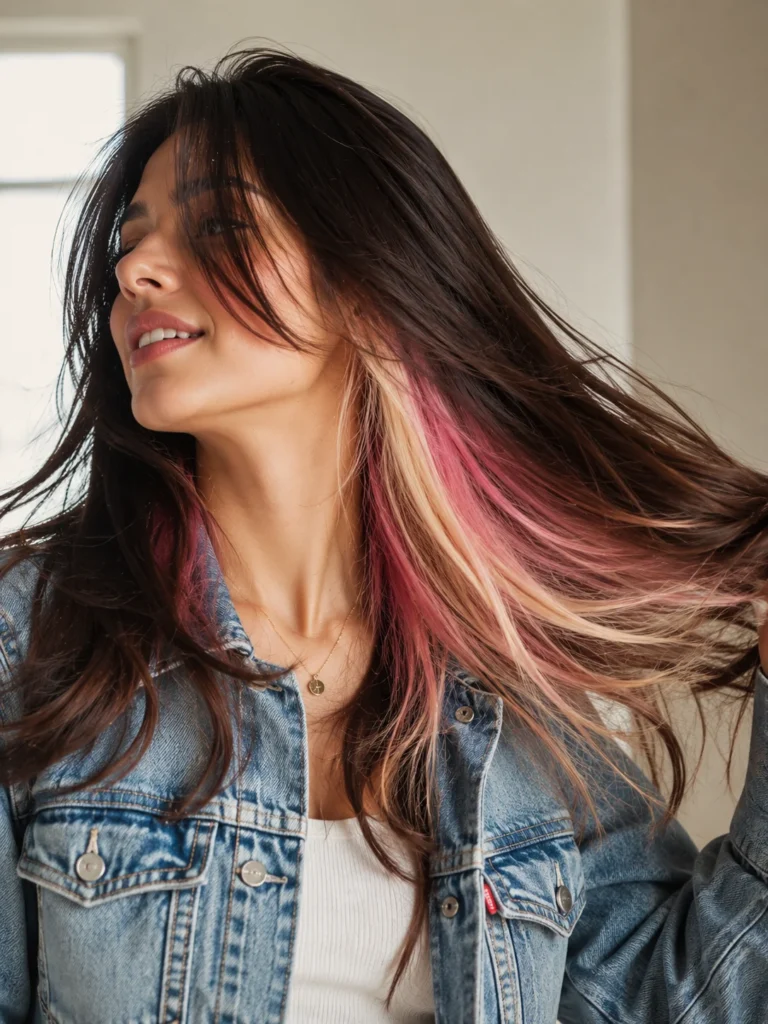
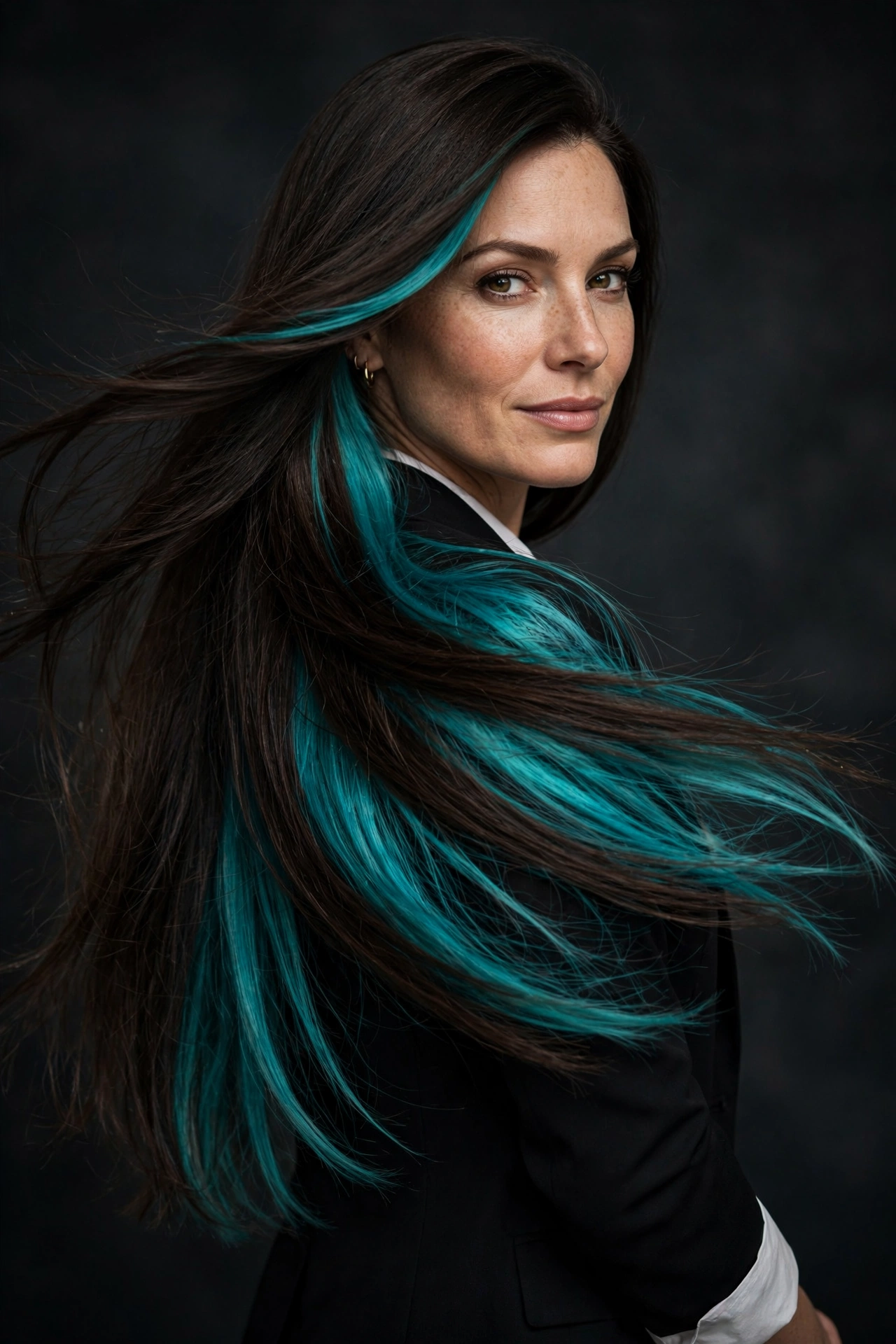
Want colour without your workplace noticing? Hide it underneath. Teal, pink, copper or platinum placed in the under-layer appears only when you move or tie your hair up. Long hair is ideal for this, since there’s enough length for the hidden section to actually reveal itself properly rather than flashing briefly.
Jewel Tones
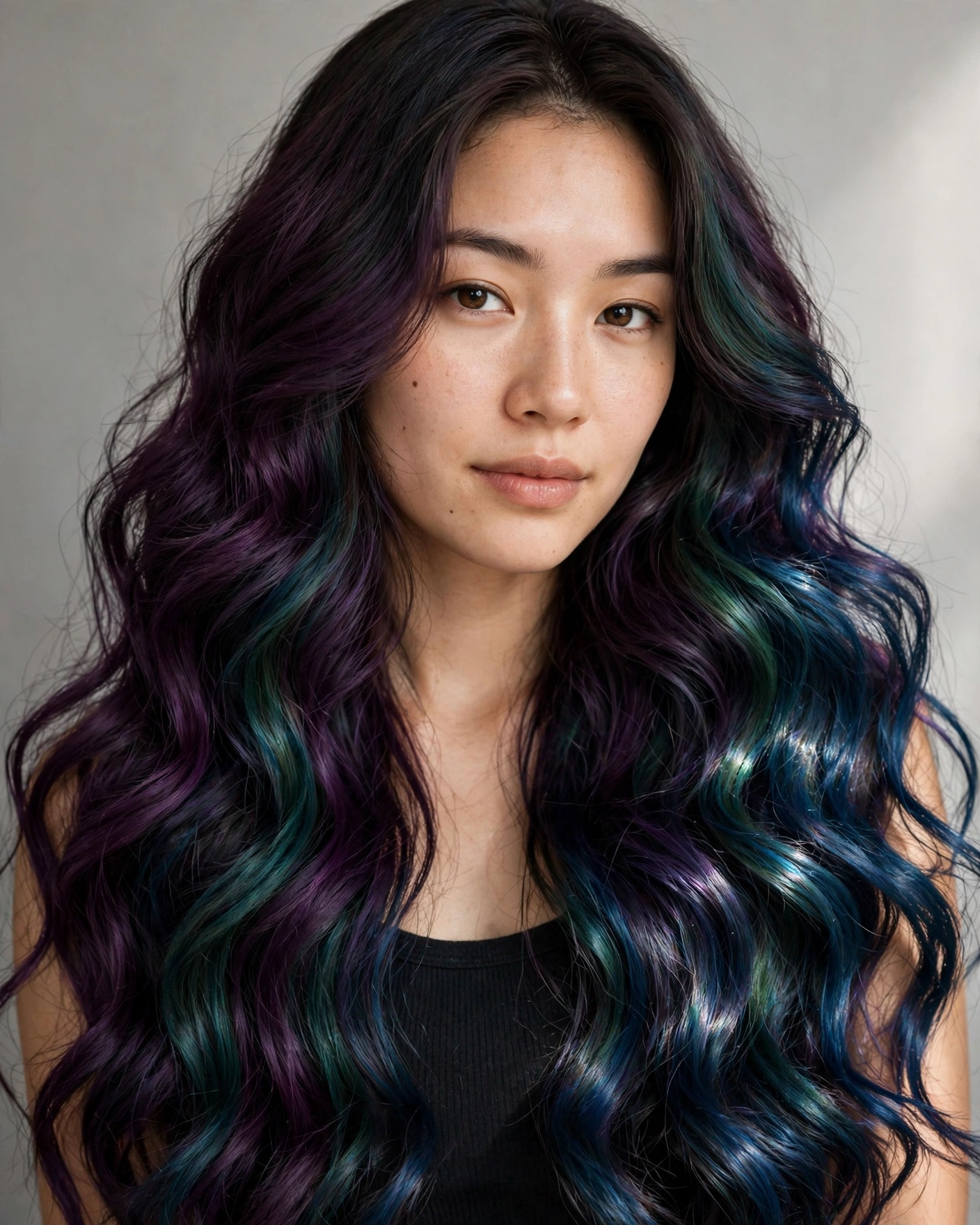
Plum, emerald and sapphire read richer on long hair than short, because the saturated pigment has enough length to shift between dark and luminous depending on the light. Dark natural bases take plum and burgundy with minimal lifting, which keeps the damage manageable. Brighter jewel shades like emerald need a pre-lightened base, so factor in bond protection.
Blended Natural Silver
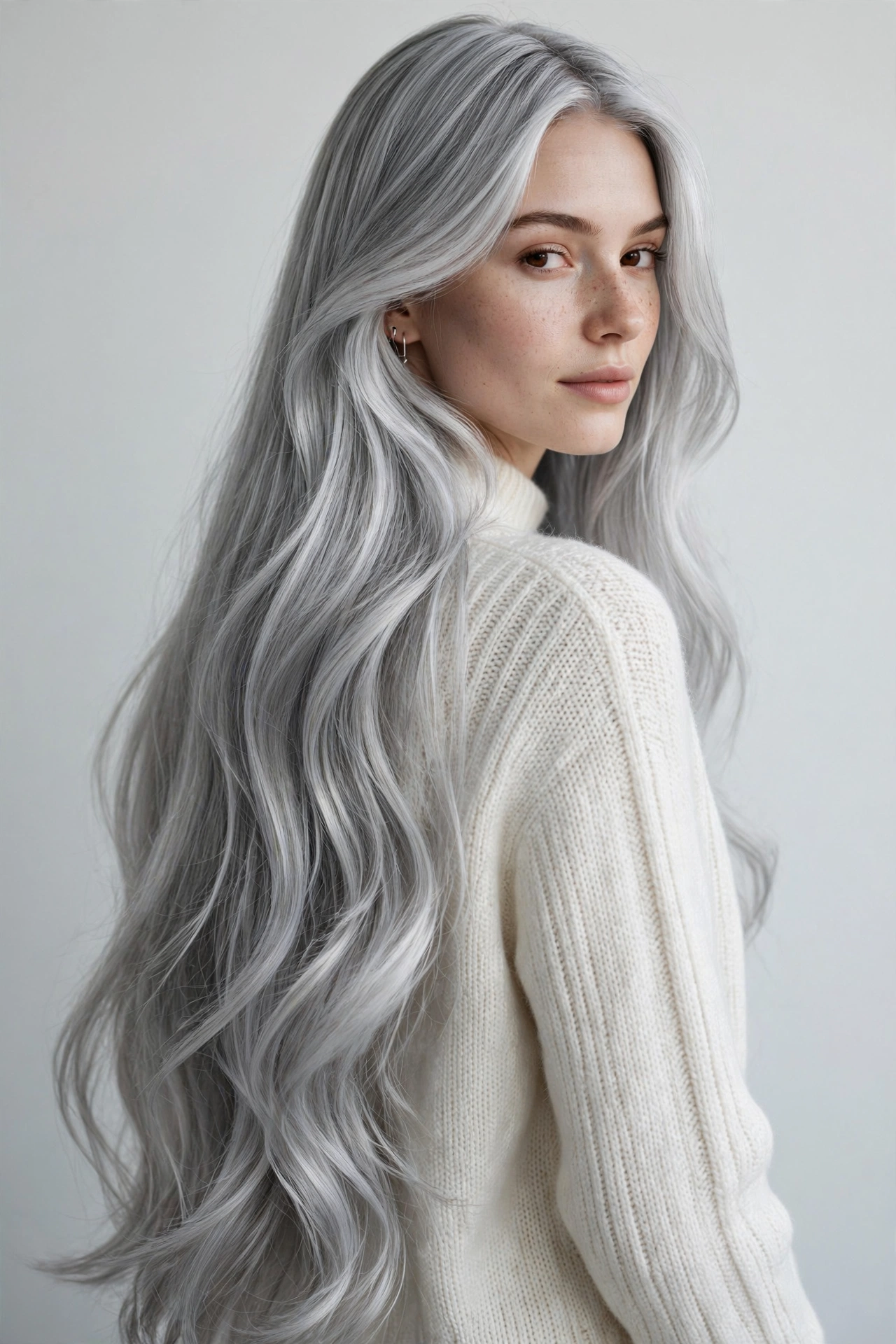
Fighting grey with permanent colour every four weeks is exhausting. Blending is the alternative most colourists now recommend. Rather than covering, silver and grey sections are woven together with cool-toned lowlights and highlights so the regrowth reads as dimension instead of roots. Long silver hair is genuinely striking when the tone is kept clean with a purple or blue gloss. It also ends the cycle of chasing your own hairline permanently.
What Long Hair Changes About Colouring
Most colour guides ignore length entirely. These are the factors that only apply once your hair is past your shoulders.
Your Ends Are Older Than You Think
Hair grows roughly half an inch monthly. Waist-length hair therefore has ends that are four to six years old, and those ends have survived every wash, brush, straightener pass and previous colour you’ve put them through.
Porosity is the practical consequence. Older ends are more porous, meaning they absorb colour faster and release it faster too. That’s why the ends of long hair often turn darker or muddier than the mid-lengths on the same head. A skilled colourist accounts for this by adjusting the formula along the length rather than applying one mixture everywhere. If your colourist doesn’t mention porosity during consultation, ask about it directly.
Trim First, Colour Second
Colouring split ends is money spent on hair you’re about to remove.
Book the trim in the same appointment but ask for it before the colour service, or in the week beforehand. Damaged ends also absorb pigment unevenly, so removing them genuinely improves the final result rather than just saving product.
Matching Shade to Skin Tone
| Colour Family | Best Undertone Match | Maintenance |
|---|---|---|
| Velvet espresso, midnight brunette | Cool and neutral | Low |
| Cocoa, mocha, chestnut | Warm and neutral | Low to medium |
| Mushroom brown, charcoal | Cool | Medium |
| Honey, butter, golden blonde | Warm | Medium to high |
| Platinum, creamy vanilla | Cool and neutral | Very high |
| Cowboy copper, auburn spice | Warm | Medium |
| Cherry cola, mulled wine | Cool and deep | High |
| Bronde and sandy bronze | Almost universal | Low |
Final Thoughts
Long hair gives colour something no other length can: distance for the eye to travel. A gradient develops properly, dimension actually reads, and techniques like balayage and colour melting look the way they do in the reference photos. What long hair also demands is honesty about condition, because those ends have been with you for years and they will behave differently from the hair at your scalp.
Pick your shade by undertone rather than by whichever photograph you saved. Ask about porosity and about the length surcharge before the mixing bowl comes out. Trim before you colour. Choose a technique that matches how often you’re genuinely willing to sit in a salon chair, not how often you wish you could.
Save the shades that stopped your scroll and take three or four of them to your consultation. A colourist working from clear references will get you far closer to your dream hair than one working from the word “warm”.
FAQs
Which hair colour is best for very long hair?
Balayage, colour melts and shadow-rooted shades suit long hair best, because the gradient has room to develop and regrowth stays soft. Rich brunettes and lived-in blondes are the most forgiving. Very high-maintenance shades like platinum become expensive and damaging across significant length.
Why do the ends of my long hair look darker after colouring?
Older ends are more porous, so they absorb pigment faster and hold it differently from newer hair near the scalp. Waist-length hair has ends that are four to six years old. A skilled colourist adjusts the formula along the length instead of applying one mixture everywhere.
How much does colouring long hair cost?
Expect the base price plus a length surcharge of roughly $30 to $100, which many salons don’t advertise. Full balayage on waist-length hair can exceed $400 in major cities. Ask for a written quote at consultation. A money piece or gloss costs considerably less.
How often should long coloured hair be refreshed?
Balayage and melts stretch to ten or fourteen weeks. Single-process colour and grey coverage need four to six. Booking a gloss halfway between full appointments refreshes tone and shine without additional lightening, which is the most cost-effective way to keep long colour looking new.