24 Gorgeous Butterfly Layered Haircuts for Effortless Volume
Some haircuts promise volume and deliver a week of frustration with a round brush. Butterfly layered haircuts work differently, because the lift is built into the cut itself rather than something you have to manufacture every morning. Two distinct layer lengths do the work: short pieces framing the face and crown, long pieces underneath keeping your length intact.
Hairstylist Sunnie Brook is credited with coining the term, and the name describes the silhouette exactly. Blow the layers out or let them air-dry and they fan around the face in two sweeping wings. Celebrity hairstylist Clayton Hawkins, whose clients include Olivia Rodrigo and Rachel Zegler, describes the appeal as getting short bouncy layers that frame the face while the longer pieces keep flowing length. LA-based stylist Beau Dieda puts the geometry more precisely: from the front it reads as a shorter, voluminous cut, while the back stays long.
The roots go back further than TikTok. Alyssia Dotson, stylist and creative team member at Alterna Haircare, has traced the cut directly to the evolution of the seventies shag, Farrah Fawcett wings and all. What follows are 24 variations, sorted by length, fringe, texture and styling.
Butterfly Layers by Hair Length
Length changes everything about how the wings sit. These six cover the realistic range.
The Classic Long Butterfly Cut
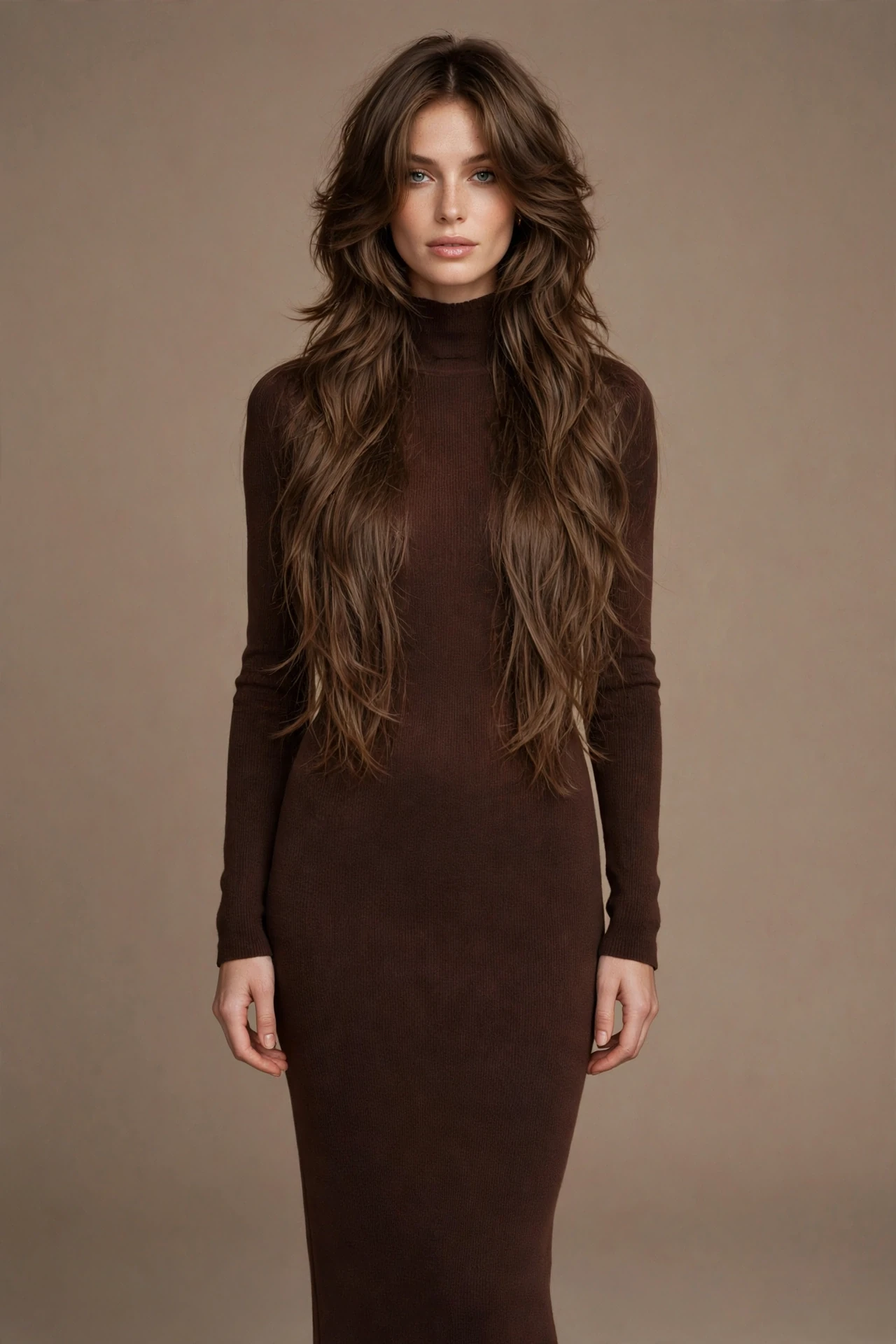
Layers begin around the cheekbone and cascade into length that sits well below the shoulders, producing maximum contrast between the short and long sections. This is the version most people picture, and it needs genuine density to look right. Trims every six to eight weeks keep the shape from blurring into a plain layered cut.
The Shoulder-Length Butterfly
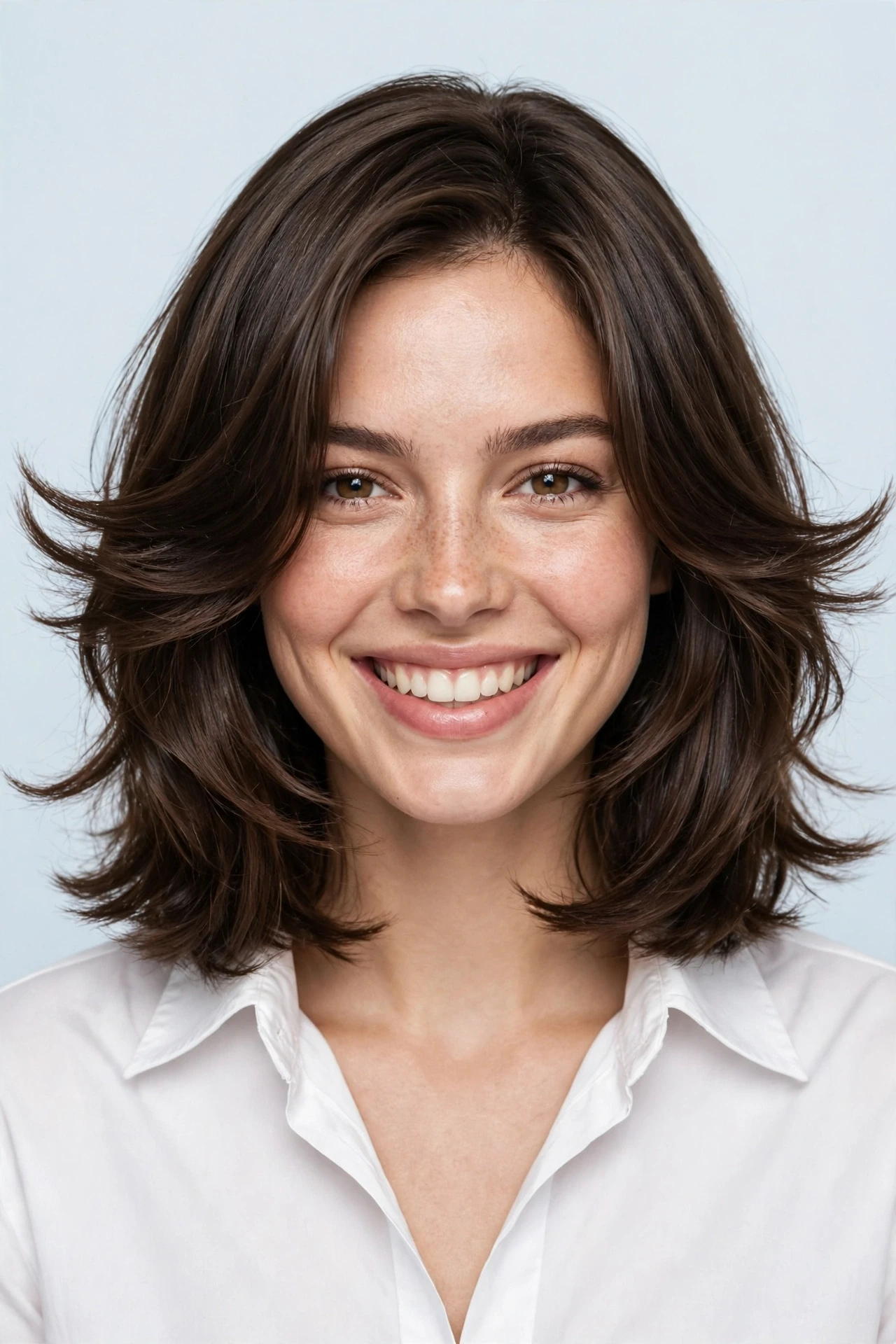
Ask any stylist where the cut performs best and the answer lands at shoulder length almost every time. Long enough for the feathered layers to show their full effect, short enough that the whole thing feels structured rather than heavy. Oval, heart and diamond face shapes suit this length particularly well. It’s also the easiest version to style at home, since you’re never fighting a metre of hair with a round brush.
The Butterfly Bob
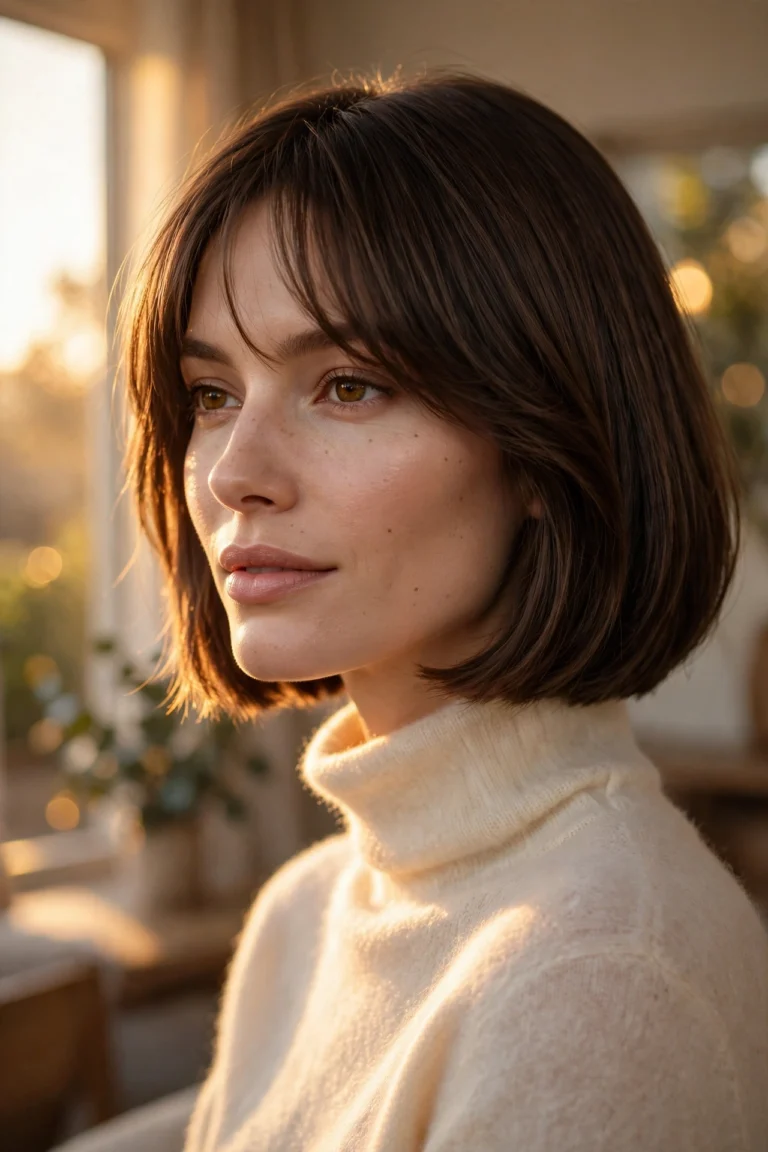
Can a bob really hold butterfly layers? Yes, and it has become one of the defining short cuts of 2026. The airy movement translates beautifully at chin to collarbone length, provided your stylist keeps the layering soft rather than chunky. Shorter length also means less weight pulling the wings flat, which is why fine-haired clients often get better results here than at long lengths.
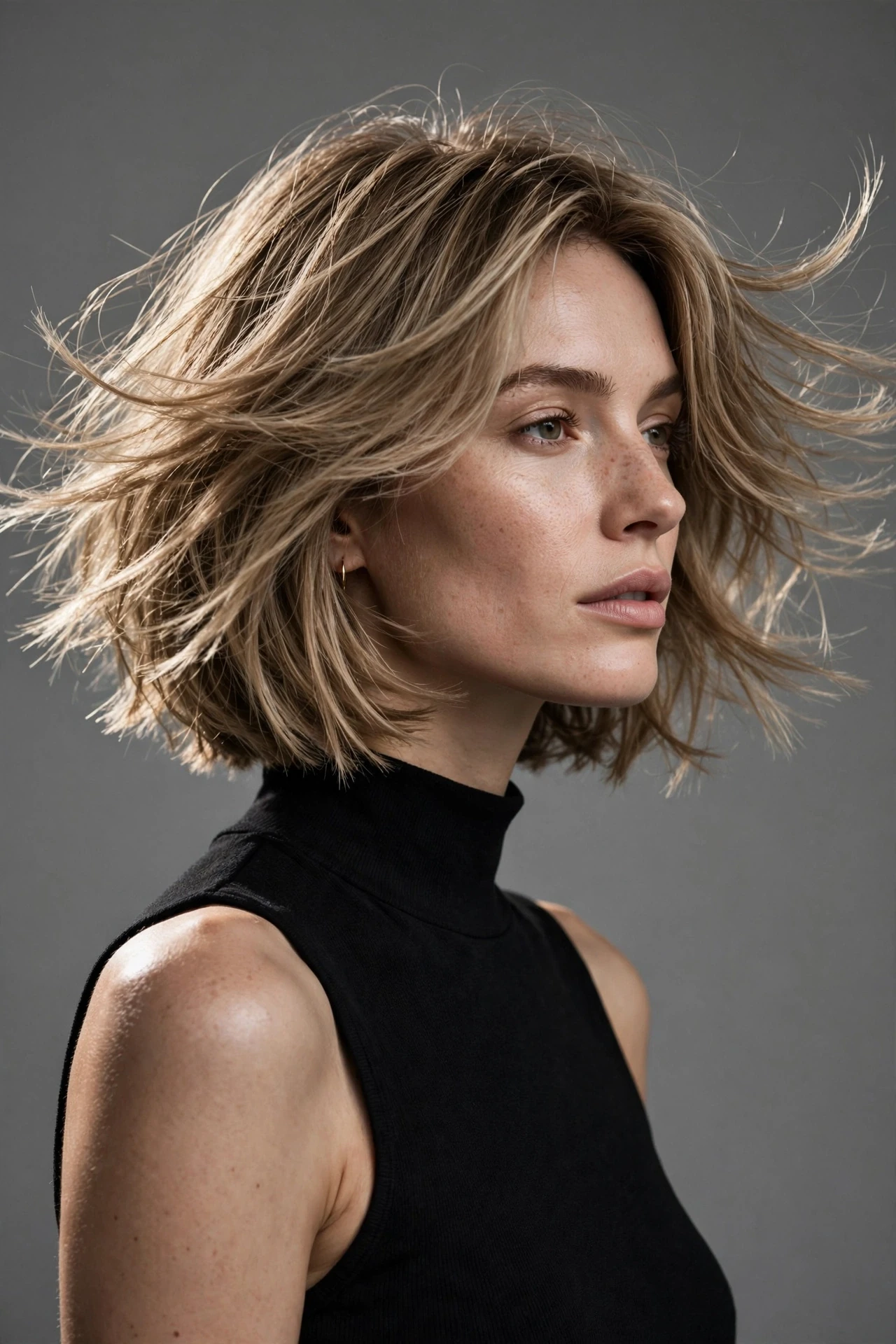
The Butterfly Lob
Eight to ten weeks. That’s the trim window that keeps a butterfly lob reading intentional instead of shaggy, and it’s noticeably longer than most layered cuts allow.
Collarbone length sits in a useful middle ground, giving you enough length to tie back on bad days while the front layers still frame your face properly. Second-day texture genuinely improves this cut, since the layers loosen and separate rather than sitting in a stiff blowout shape.
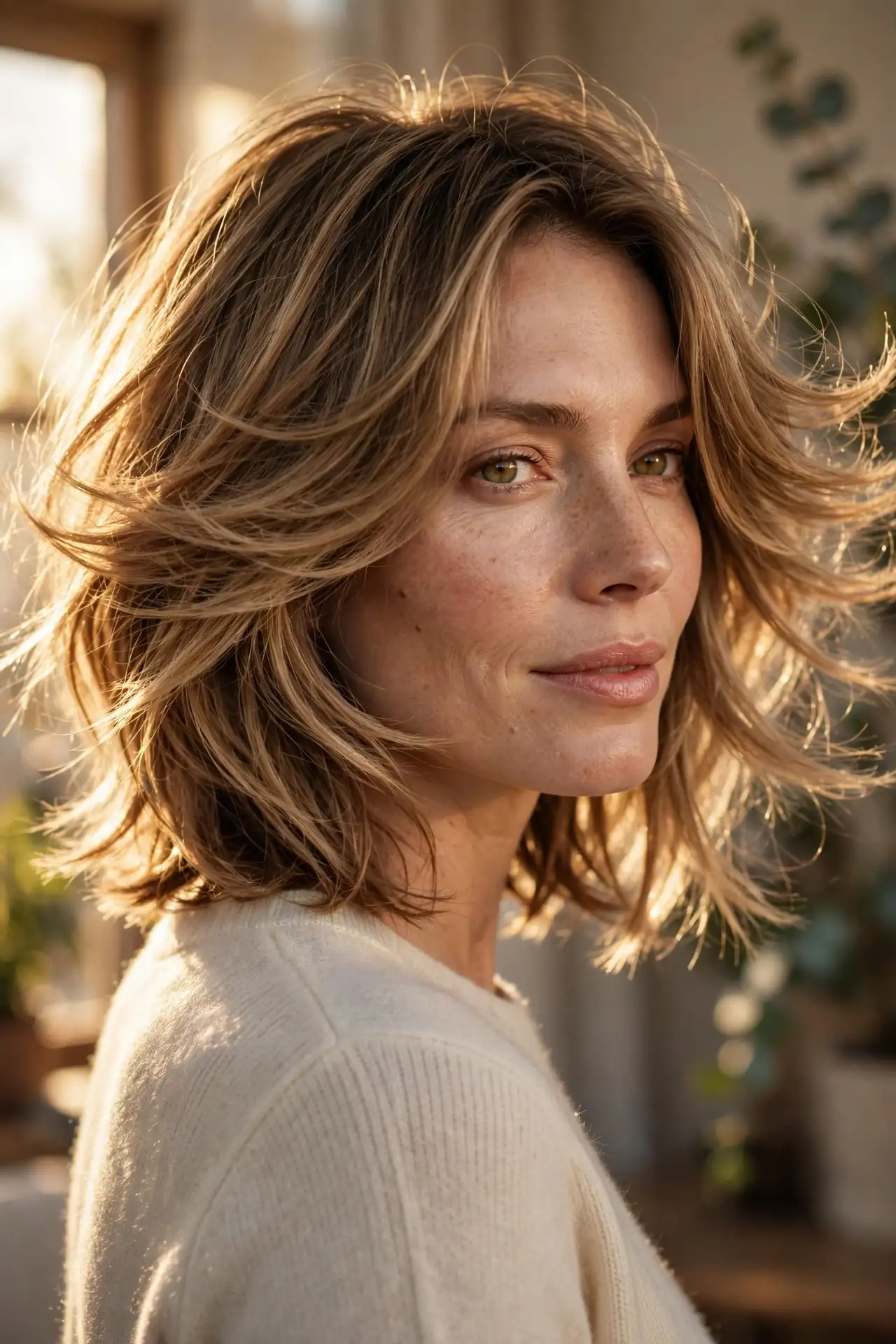
The Short Butterfly Cut
Chin-length butterfly layers create wing-like lift at the crown while the ends taper into feathered points. Root volume is the main benefit, which makes this the most useful version for anyone whose hair falls flat within hours. Blow-dry upside down for the first half of drying to maximise the crown lift.
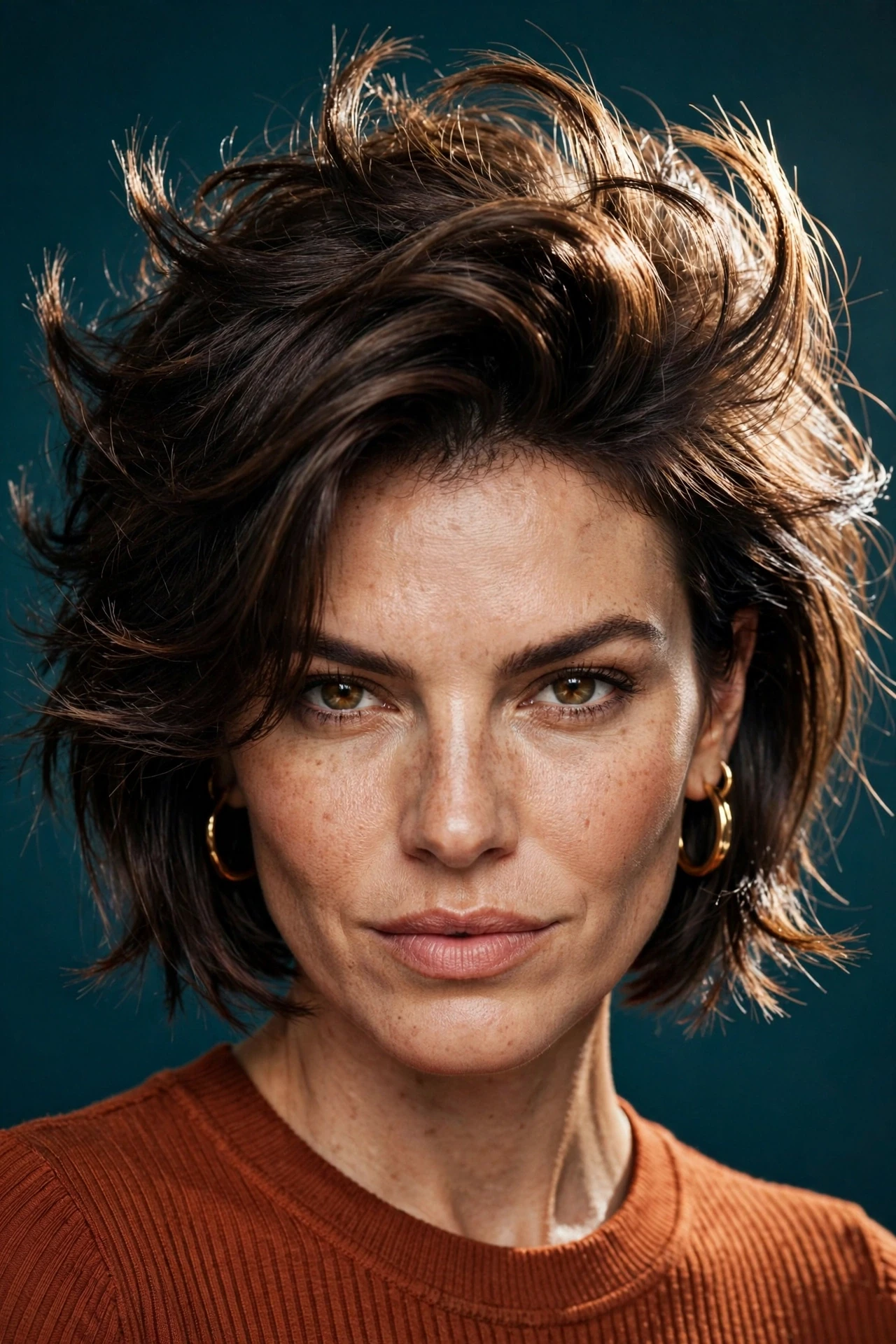
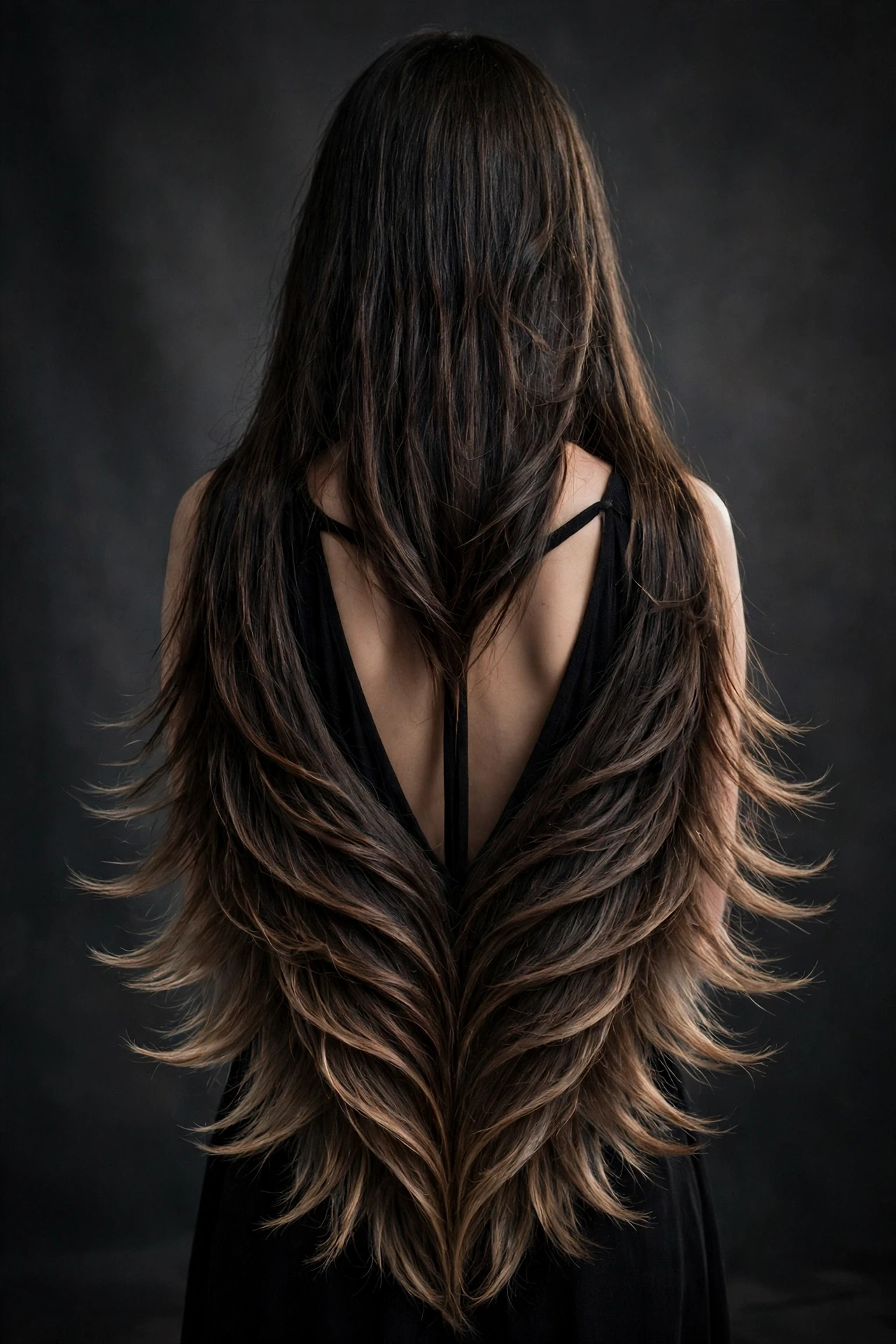
The Extra-Long Butterfly with a V-Shaped Back
Long hair often looks heavy and shapeless at the ends. The V-back solves both problems at once. Concentrating the butterfly layering in the lower half rather than throughout keeps your length dramatic while removing the bulk that drags everything down.
Viewed from behind, the sections form a soft V rather than a blunt line. Anyone growing their hair out should ask for this specifically, because it maintains shape through months of growth without needing regular reshaping.
Butterfly Cuts with Bangs and Fringe
Adding a fringe changes the balance of the whole cut. Five options that work.
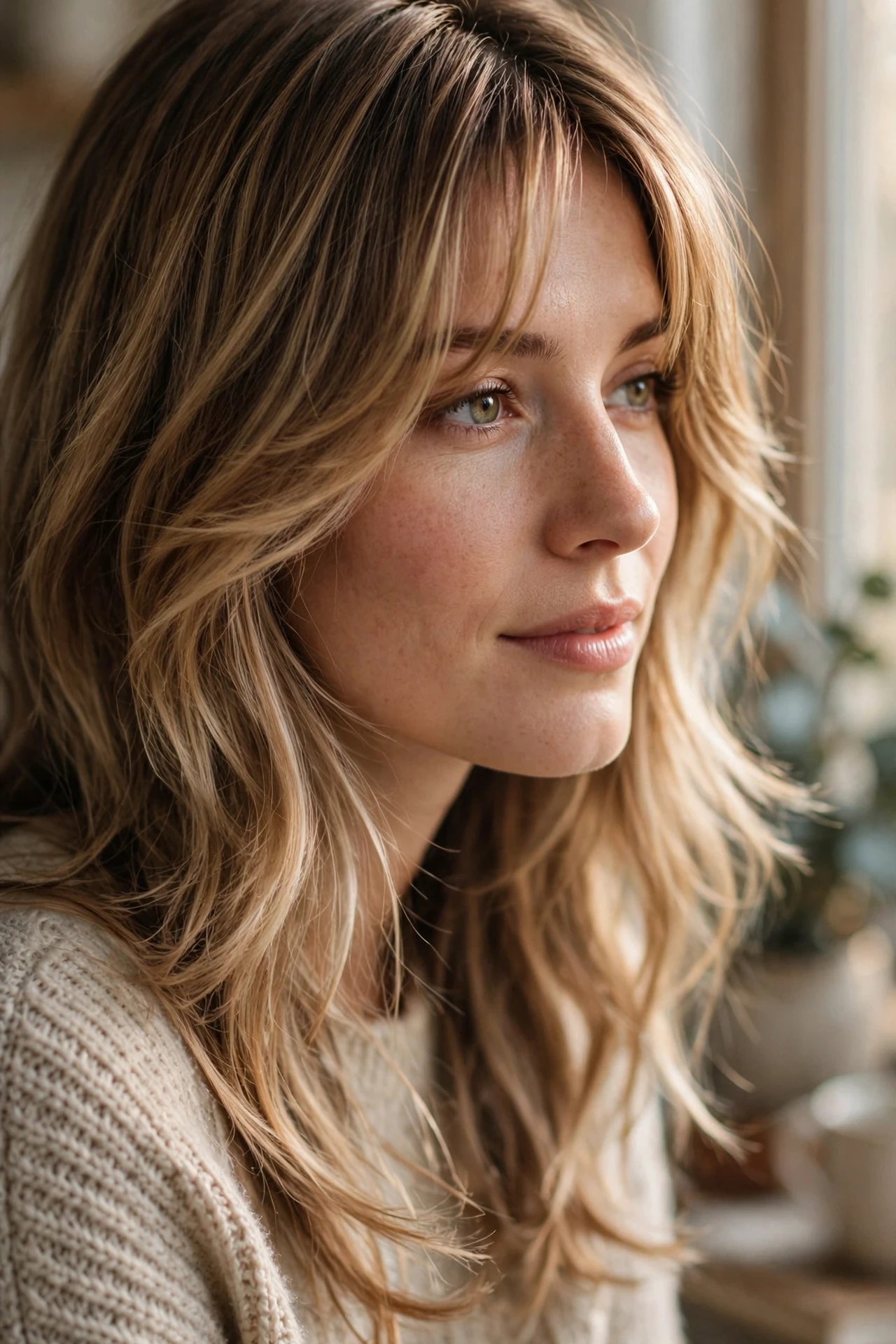
Butterfly Cut with Curtain Bangs
Celebrity hairstylist Brendnetta Ashley has described a butterfly fringe simply as a layered fringe that is feathered, and curtain bangs are the most natural expression of that idea. The fringe connects seamlessly into the shortest layer, which is the entire trick.
Bangs that sit as a separate block break the winged effect and make the cut look like two unrelated ideas. Round and longer faces both benefit, since the fringe shortens visual face length while the layers add width at the cheekbones. Reshape the bangs every two to three weeks even if the cut itself can wait longer.
Butterfly Layers with Wispy Bangs
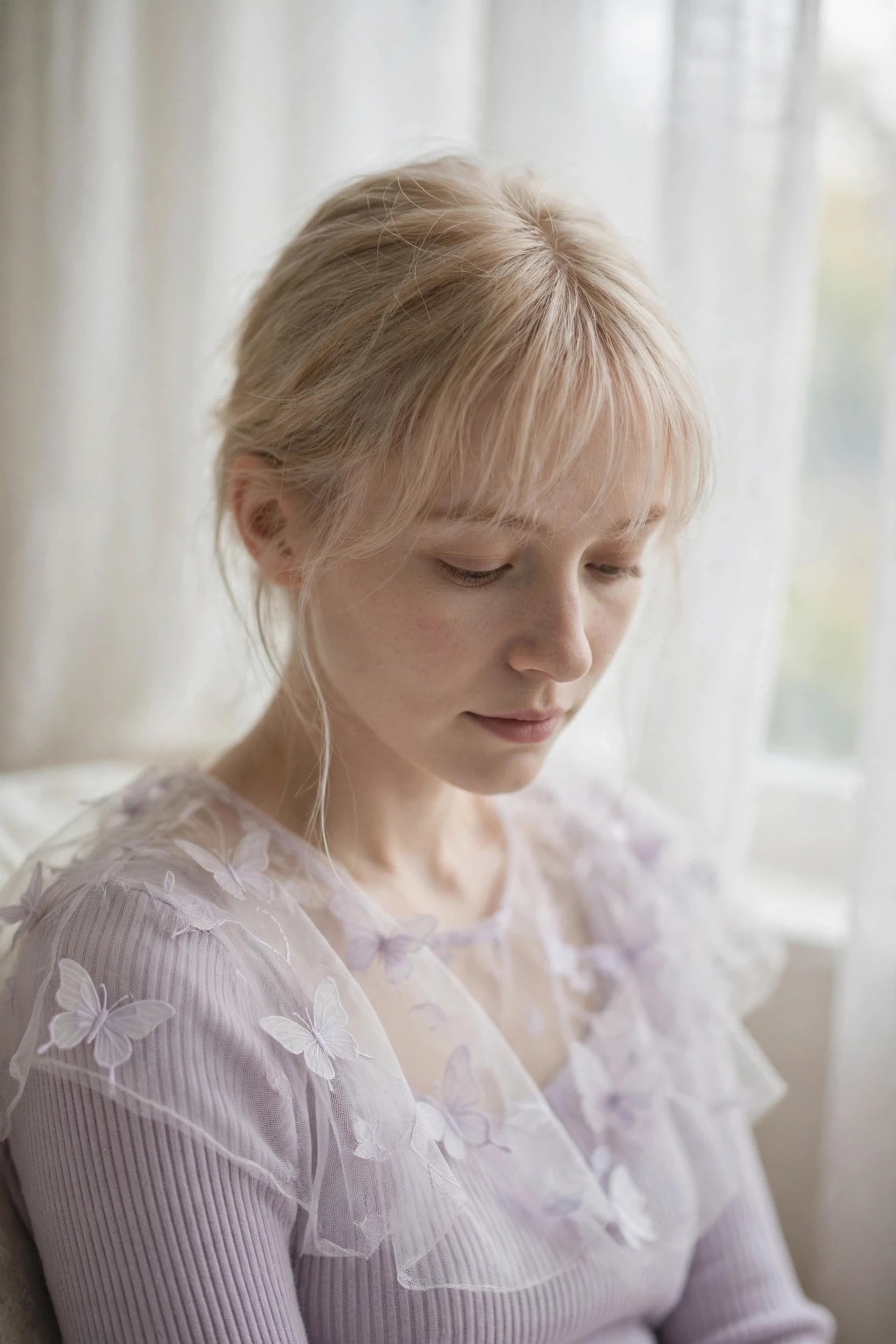
Wispy bangs suit fine and straight hair better than any other fringe, because they use very little hair to create a visible effect.
What makes them work:
- Point cutting rather than a straight scissor line
- Enough sparseness that you can see through them
- Blending into the face-framing layer, never sitting separately
- A light texture spray rather than any cream or oil
Oval and square faces get the most flattering result here.
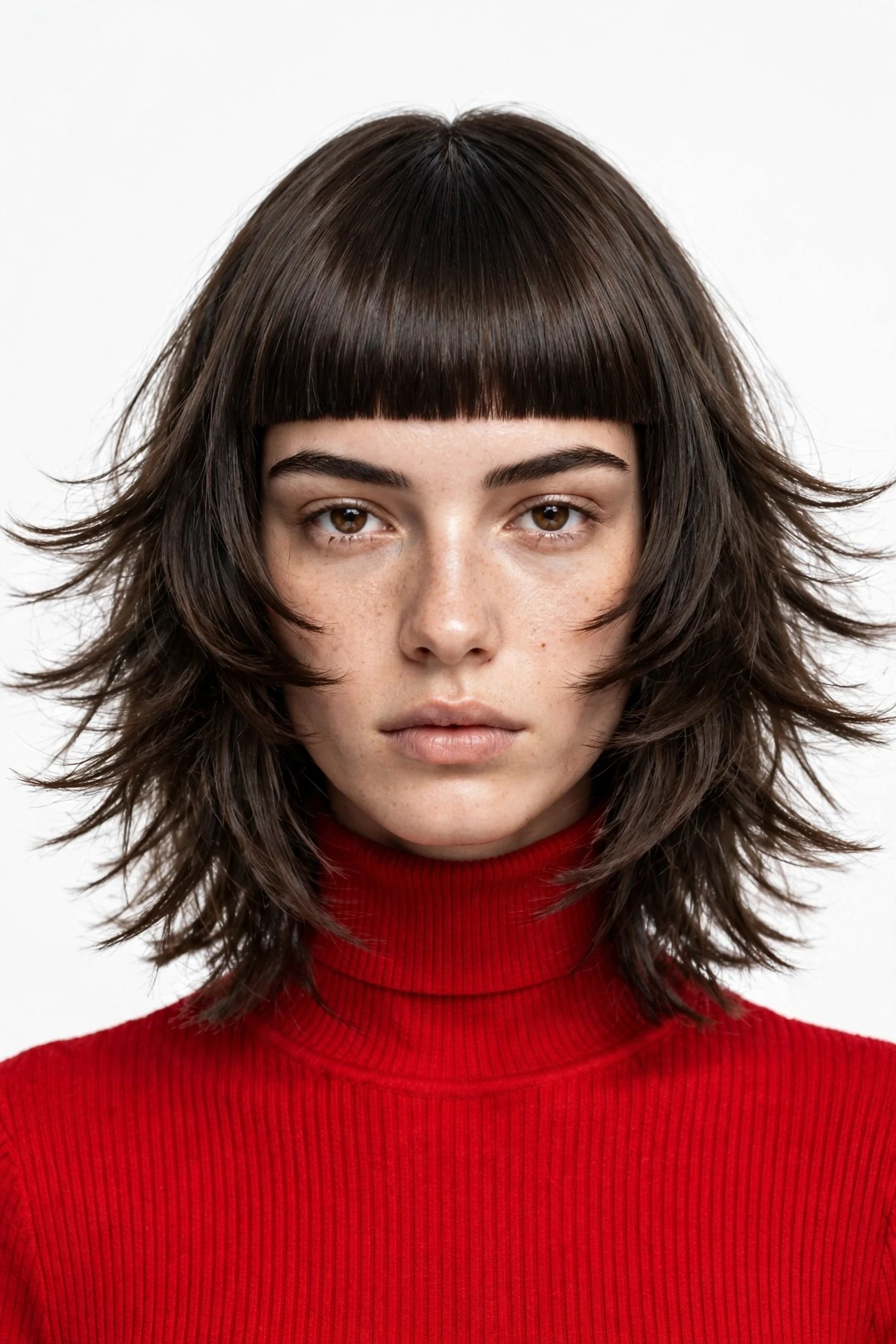
Butterfly Cut with Blunt Bangs
A straight, solid fringe against soft feathered layers creates deliberate contrast rather than blending. The sharpness reads modern and slightly editorial, and it works best on thick, straight hair that can hold a clean line. Wide foreheads benefit noticeably.
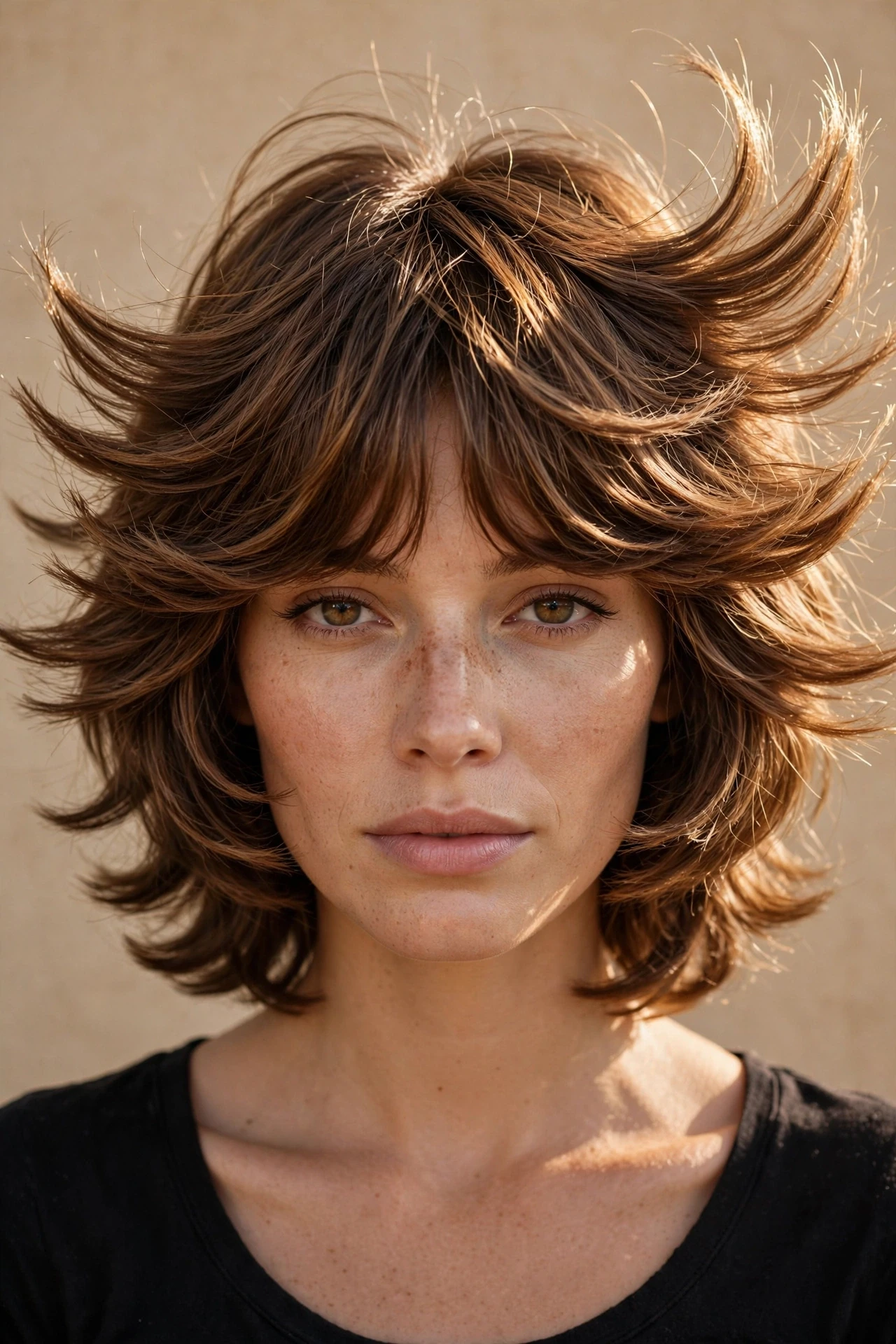
The Butterfly Fringe
Sometimes the fringe is the butterfly, with no full cut required at all. Shaping an existing grown-out fringe outward and upward with a curling iron or small round brush recreates the wings without touching the rest of your hair. Anyone in the awkward stage of growing out bangs should try this before booking a chop.
The Side-Swept Butterfly
Ever felt like a centre part makes your face look wider? A deep side part fixes that instantly, and the butterfly cut takes to it easily. Sweeping the shortest layers across rather than splitting them evenly creates asymmetric volume, which flatters square jaws and adds height at the crown without any teasing.
Butterfly Layers for Every Hair Texture
Texture determines the layering approach far more than length does. Getting this wrong is why some people love the cut and others regret it.
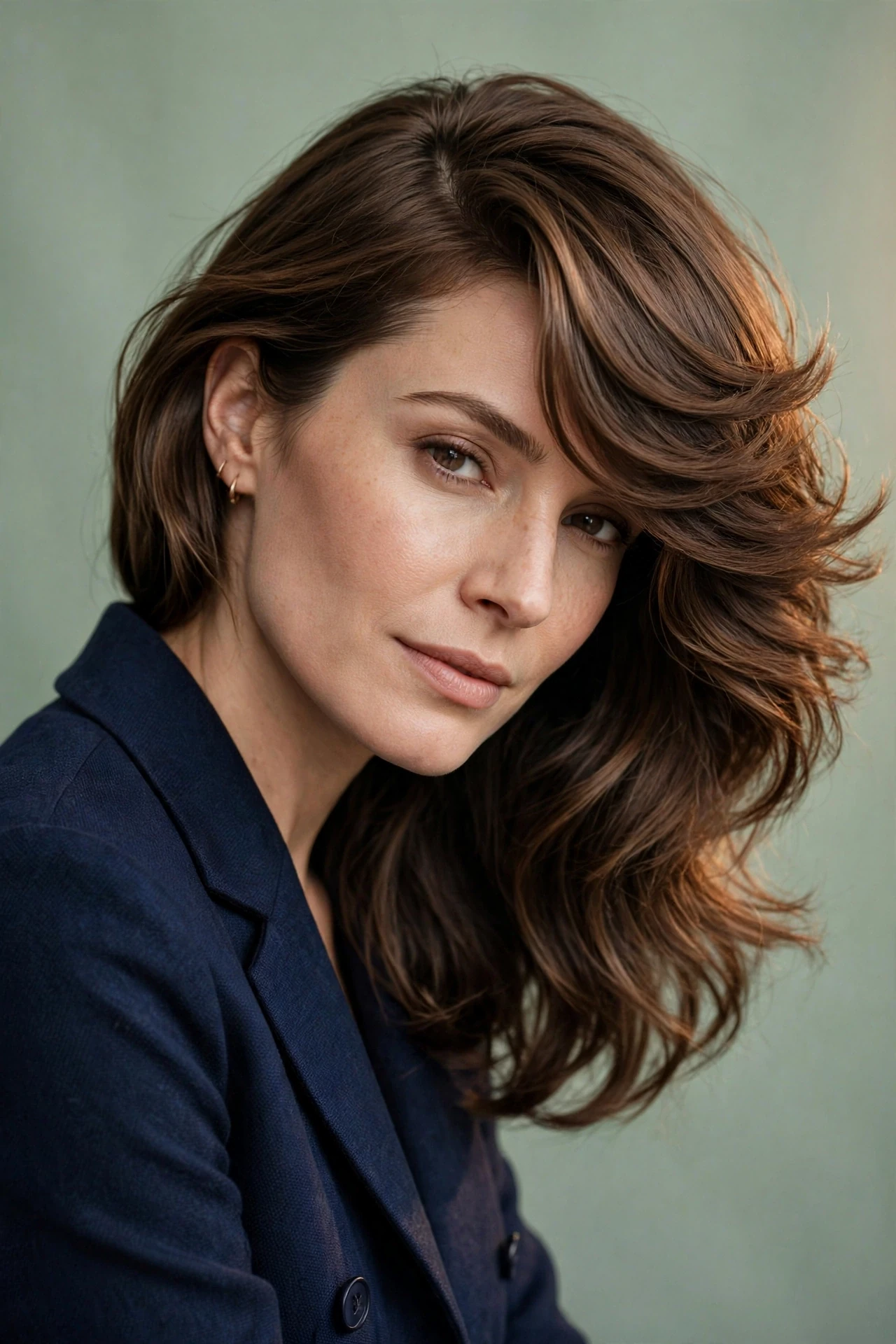
Butterfly Layers on Straight Hair
Straight-haired clients often assume the cut won’t hold any shape without heat, and Hawkins has addressed this directly.
His point is that the version on straight hair reads sleeker while still carrying movement, with the slight bend and separation creating body in hair that would otherwise look flat. A volumizing or texture spray is what takes it further. Without product, straight butterfly layers can sit too smoothly and lose the separation that makes them interesting.
The Wavy Air-Dried Butterfly
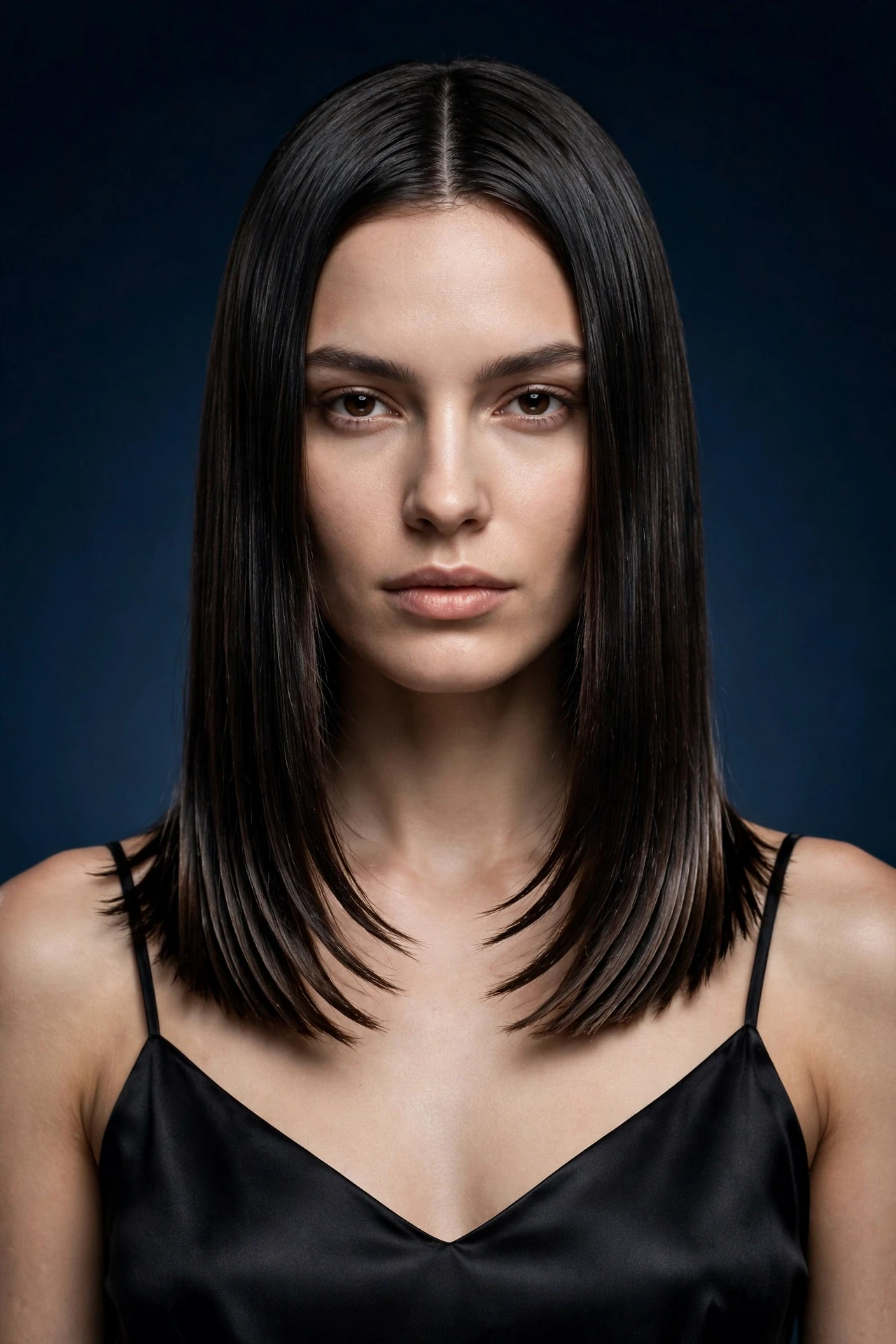
Fifteen minutes. That’s roughly what this version costs you daily, and most of it is passive. Natural waves fall into the layered shape without any tools, since the bend in the hair naturally separates the wings. Apply a light cream to damp hair, scrunch upward, and leave it alone completely until dry. Touching it mid-dry is what creates frizz.
The Curly Butterfly Cut
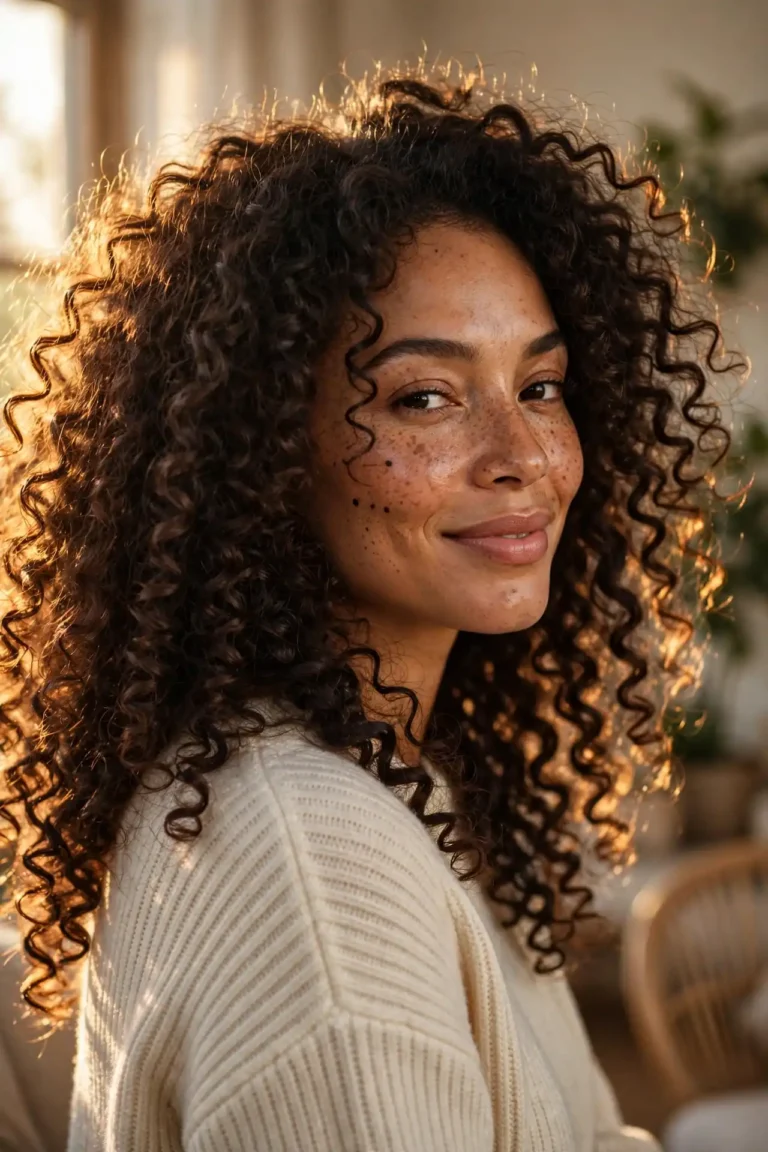
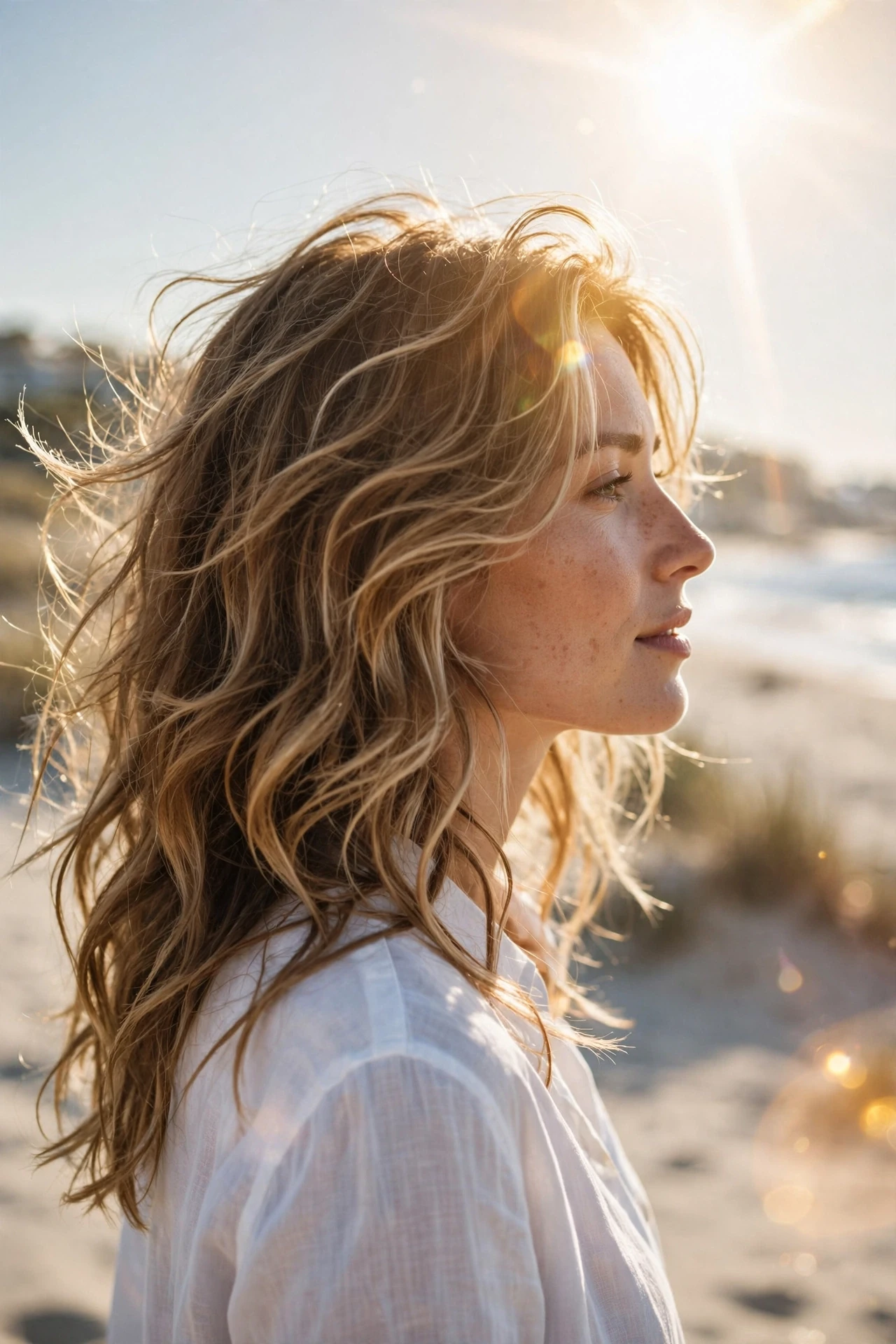
Layering removes excess weight from curly hair, which lets the curl pattern spring up and become more visible rather than being dragged down by bulk. Shrinkage is the critical variable, because curls can pull up several inches as they dry. Your stylist needs to account for that when placing layers, otherwise the wings end up far shorter than intended. Cutting on dry hair is safest.
The Coily Butterfly Shape
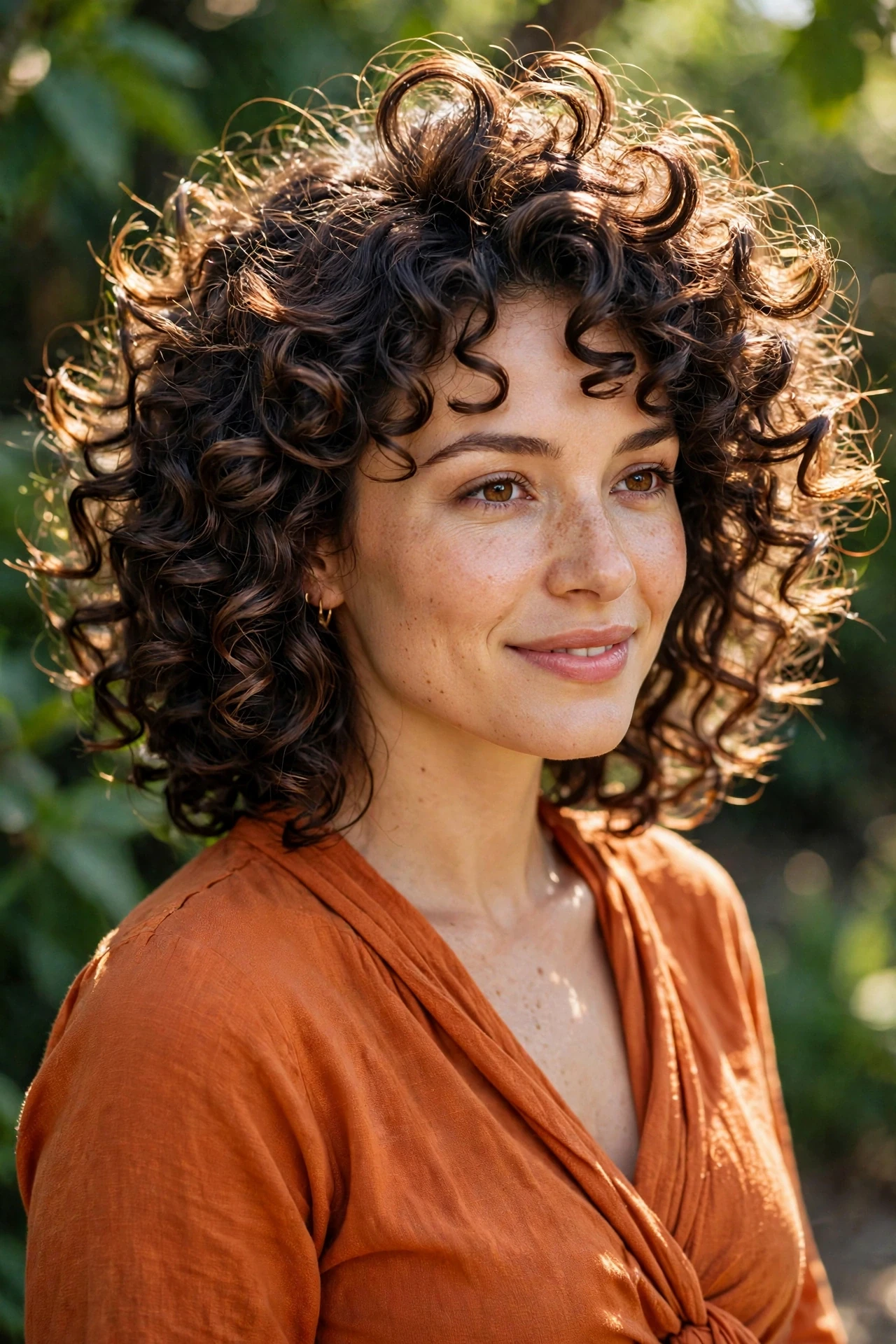
Type 4 hair gets dismissed in most butterfly cut articles, which is a genuine oversight. Coily textures hold the winged silhouette beautifully because the volume is already there naturally. The layering job is about carving shape into that volume rather than creating it.
A stylist experienced with coily hair will cut section by section on stretched or dry hair, checking the shape as it shrinks. Curl cream applied to soaking wet hair, then a low diffuse, brings the wings out without frizz.
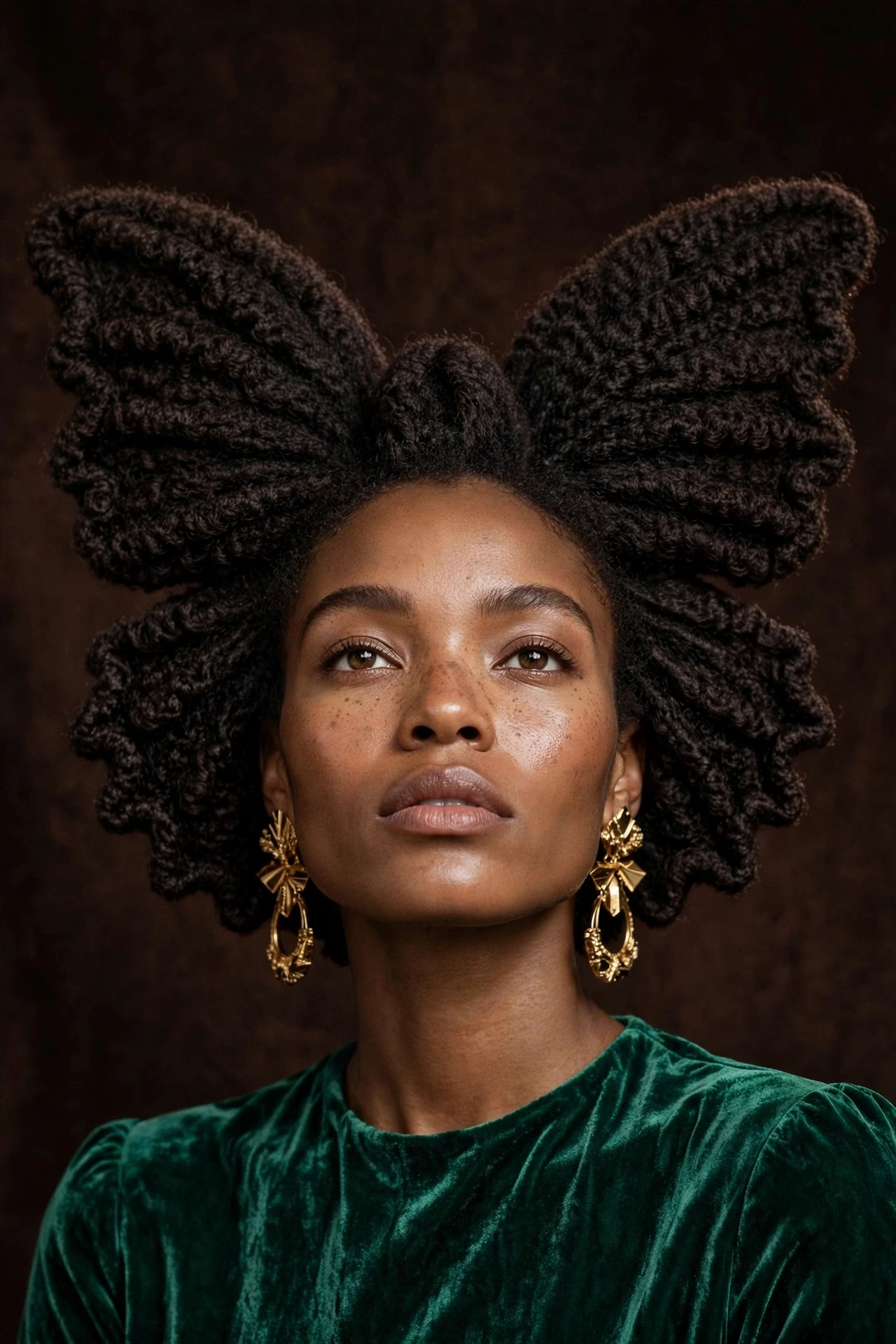
The Softer Butterfly for Fine Hair
Too many layers on fine hair backfires. The strands look sparse instead of voluminous, and the ends turn stringy. L’Oréal Paris styling guidance recommends pairing face-framing curtain bangs with a blunt or minimally layered cut instead, which fakes thickness rather than removing it. Ask for the layering to be concentrated only at the front, leaving the perimeter solid.
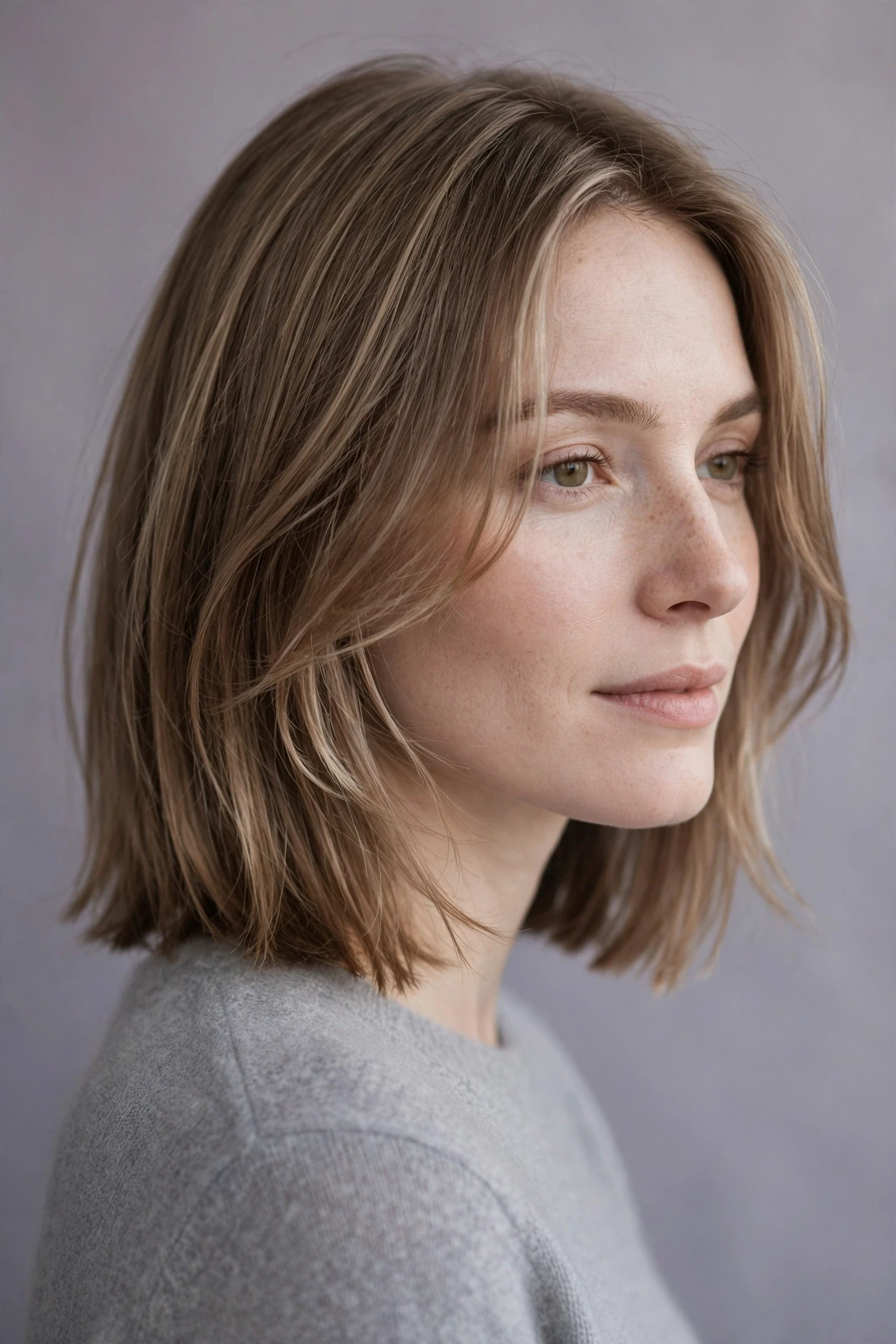
The Debulked Butterfly for Thick Hair
Thick hair is the ideal candidate for this cut, since the layers remove weight that makes hair fall heavy and flat.
Techniques worth requesting:
- Hidden layers underneath, which remove bulk without changing the visible outline
- Internal layering rather than heavy surface layers
- Point cutting at the ends to soften the perimeter
- Strategic debulking through the mid-lengths only
The result keeps your length dramatic while the hair actually moves.
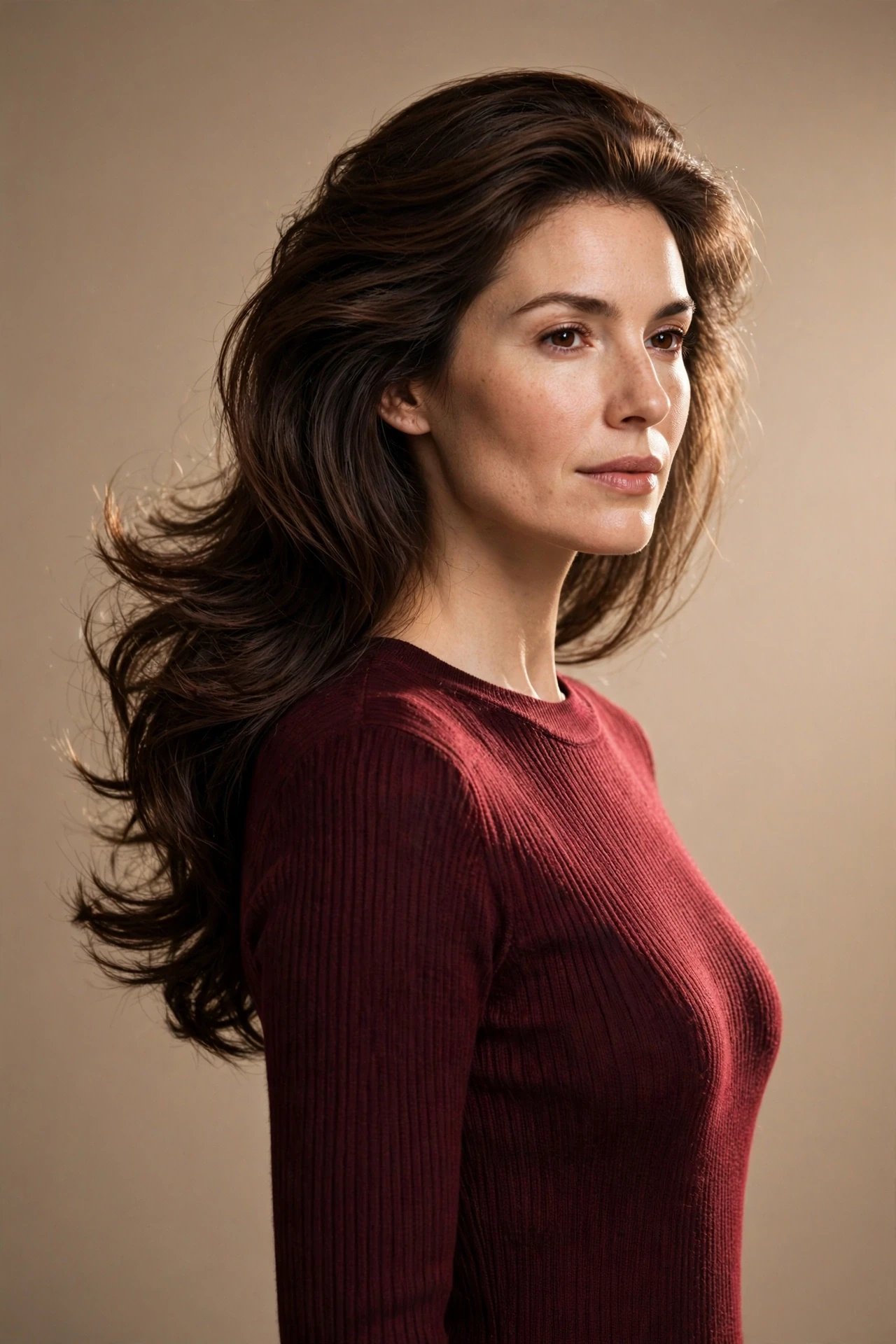
Styling and Colour Variations
The Nineties Blowout Butterfly
Every stylist over forty has cut this shape before, back when it was called The Rachel. Big, bouncy, brushed-out layers with maximum crown lift is where the butterfly cut originally came from, and the revival version is softer around the edges. Round and heart-shaped faces suit it particularly well. Be honest about the commitment though, since this finish genuinely requires a blow-dry and a round brush every time.
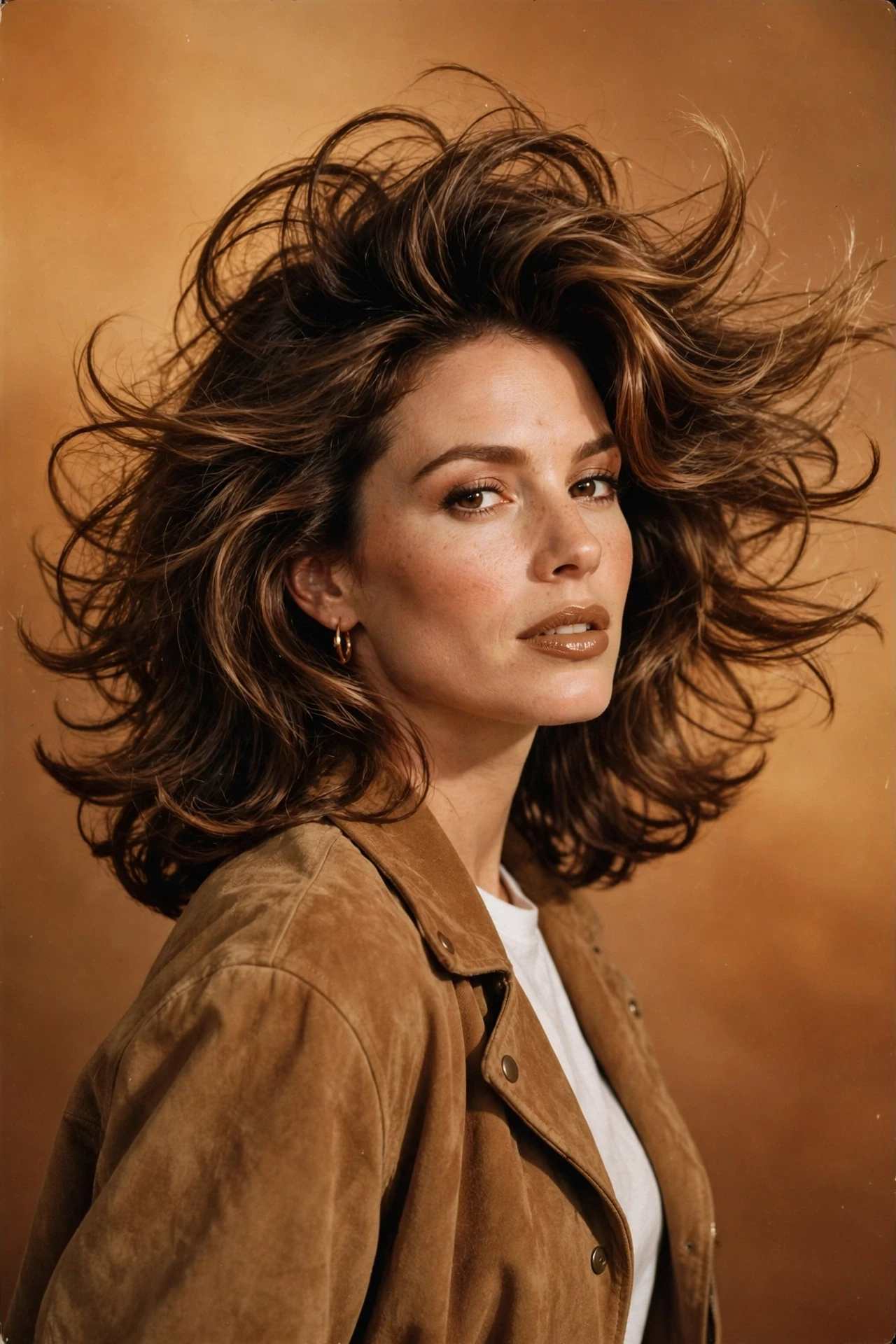
The Farrah Fawcett Flick-Out
Layers curled away from the face and brushed out create the original seventies wings that gave this cut its entire visual language. A large-barrel iron and a paddle brush deliver it. The trick is brushing out the curl completely rather than leaving defined ringlets, which is what separates flowy from dated.
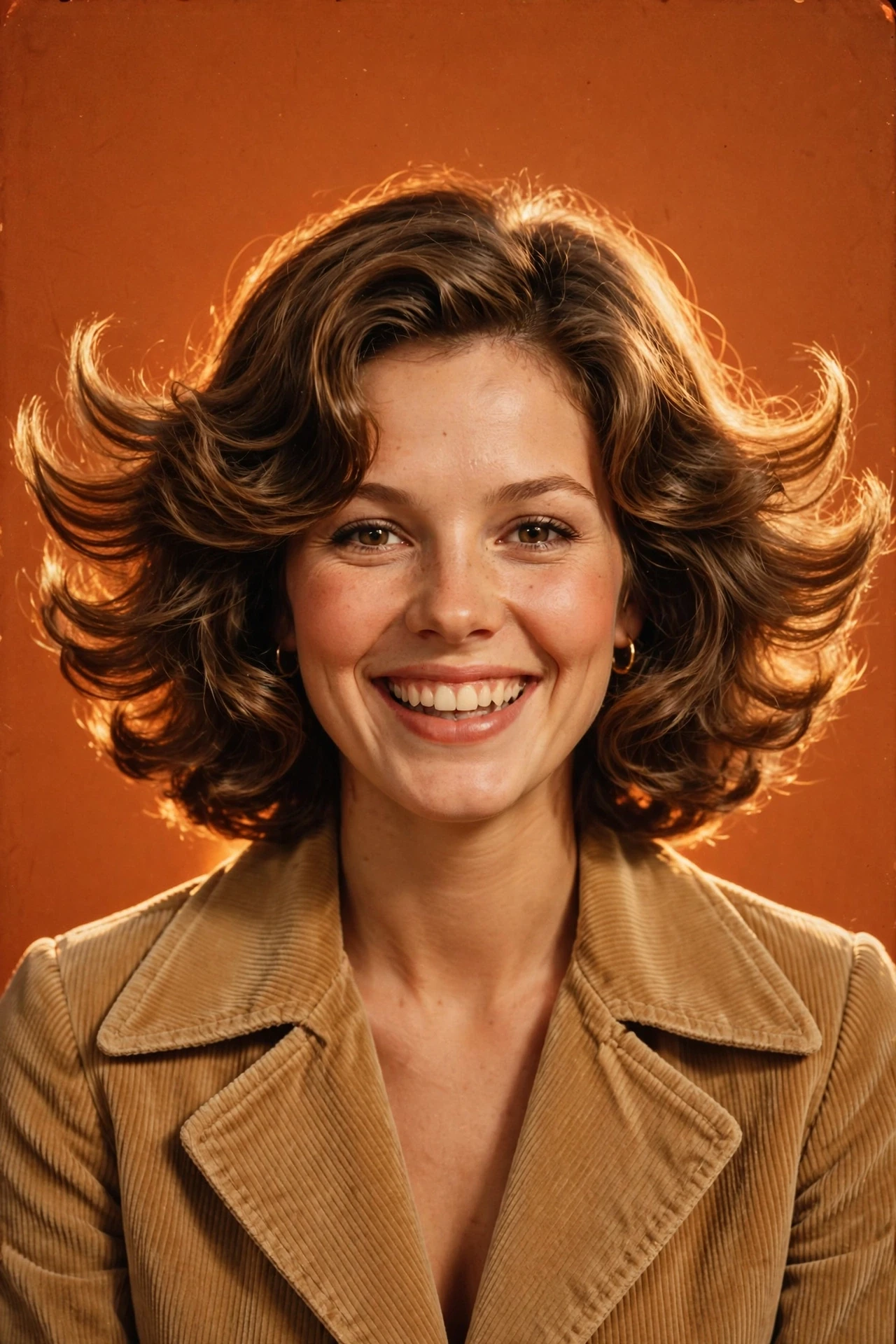
The C-Curl Butterfly
Most people curl their ends inward or outward. The C-curl does something else entirely. Celebrity stylist Dimitris Giannetos created this finish on Gigi Hadid, describing it as a soft blowout with a C-shaped bend at the ends over a feathery mid-length cut.
The bend sits partway down rather than at the very tip, which reads more expensive than a standard curl. Ask your stylist to go slightly harder on the layers to make the shape read properly.
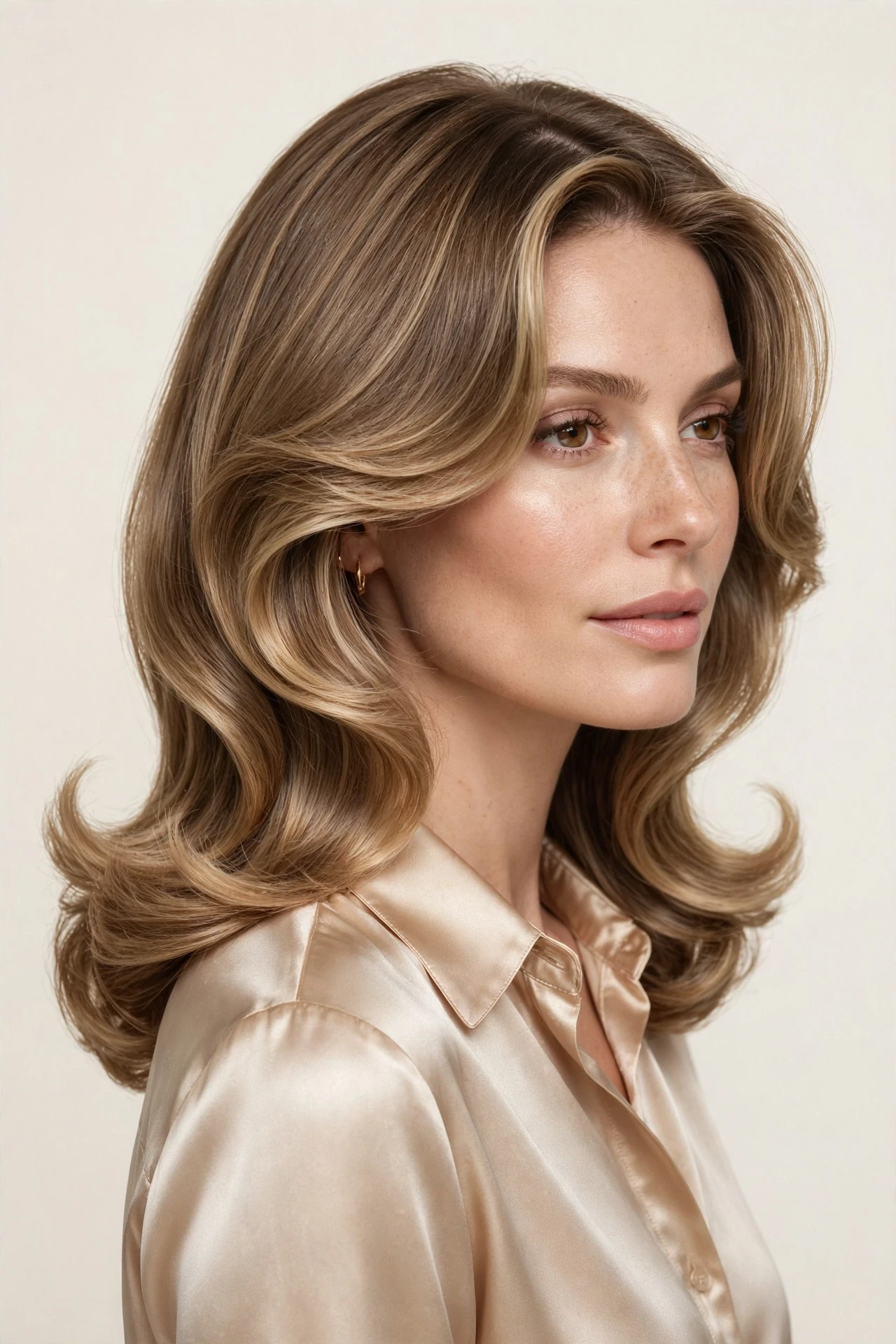
The Money Piece Butterfly
Two bright sections at the very front. That’s the entire technique, and it costs a fraction of full colour. Placing lightened money pieces on the shortest face-framing layers anchors and highlights exactly the sections doing the most work in this cut. Bring those pieces forward first when styling, before blowing out anything else, so they sit where you want them.
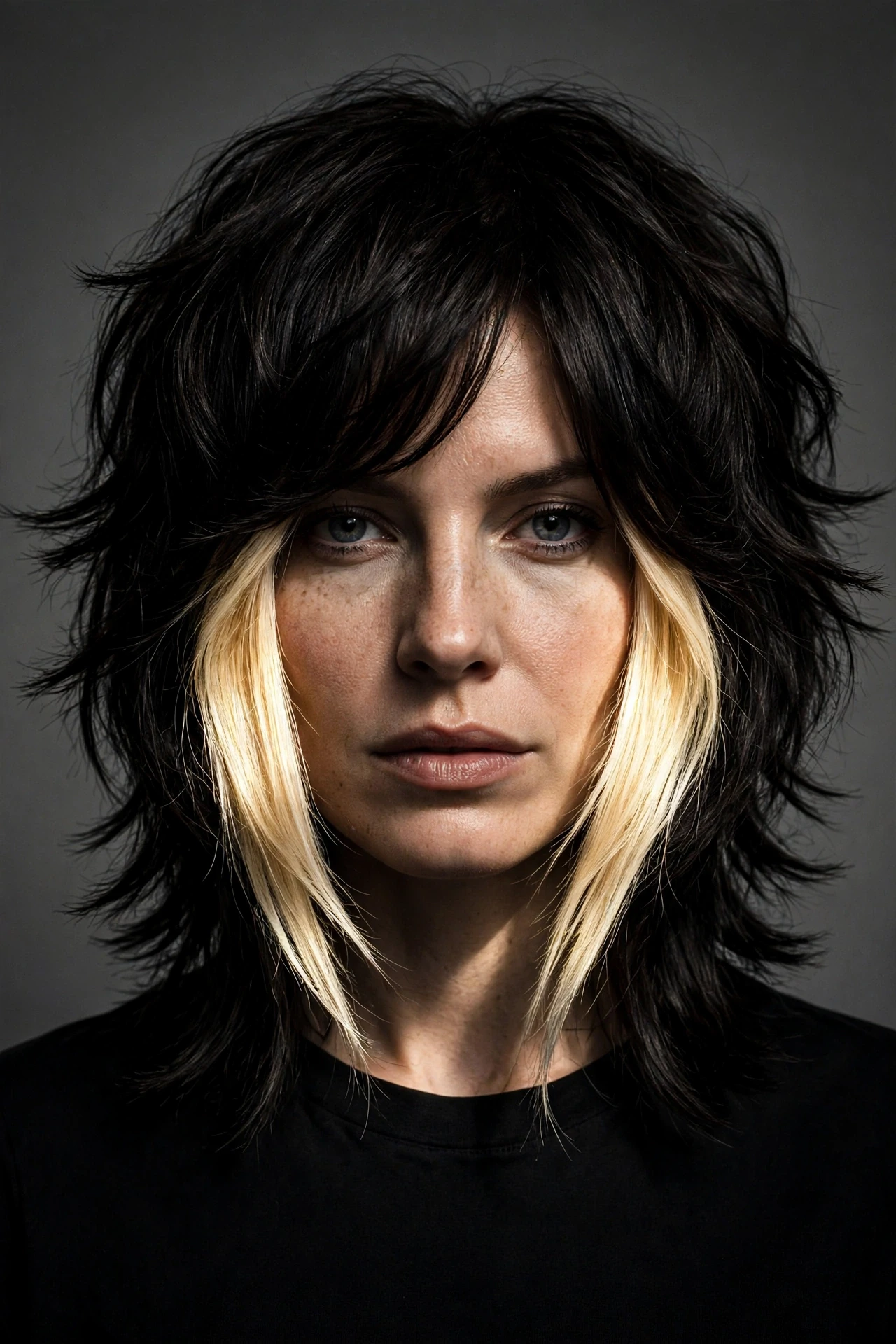
Balayage Butterfly Layers
Why does hand-painted colour suit this cut so well? Because layers create natural shadow and light, and balayage amplifies that dimension instead of flattening it.
Painting brightness through the shorter top sections makes the wings visually separate from the darker length underneath. The two-tone effect is subtle in person and dramatic in photographs.
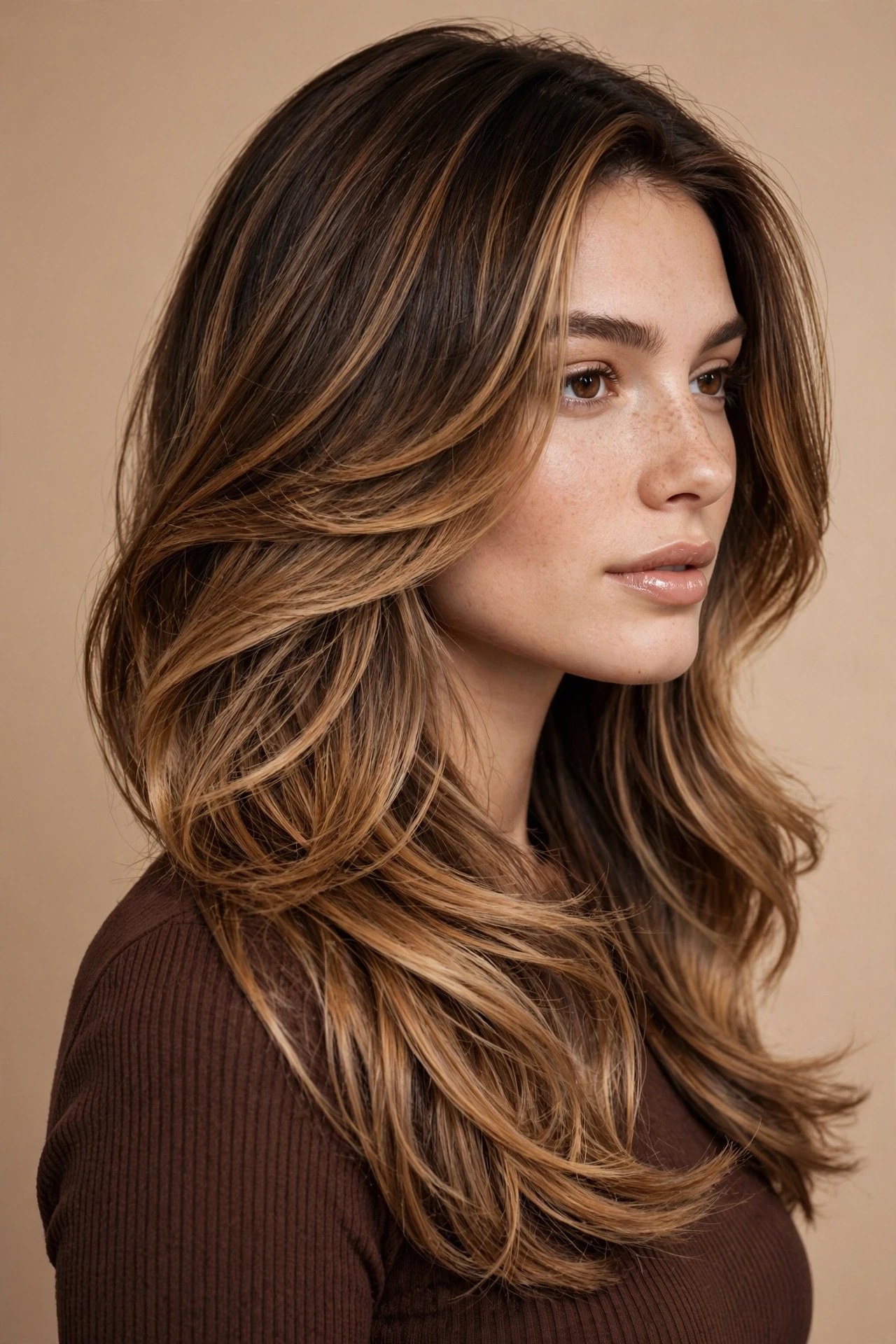
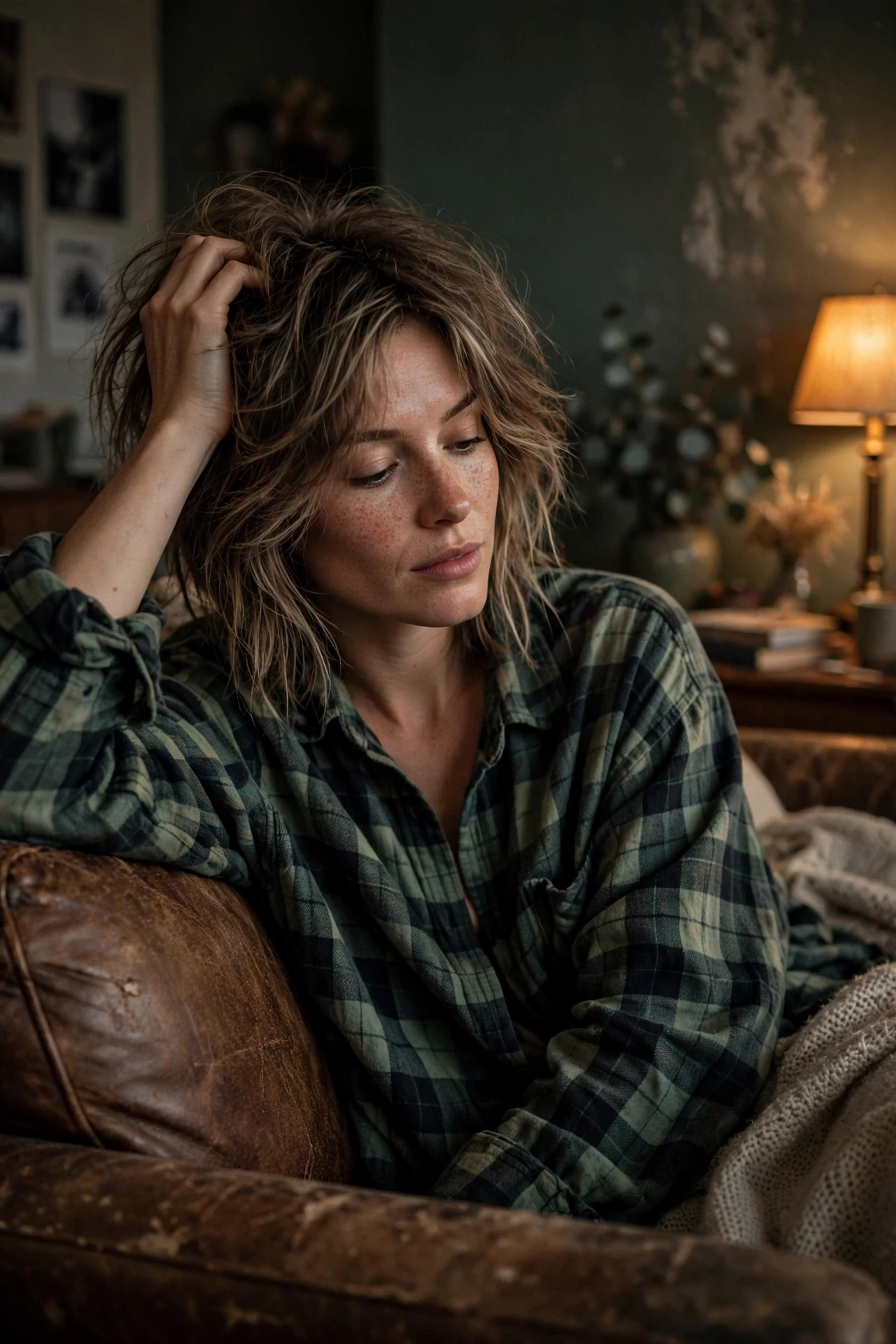
The Tousled Undone Butterfly
Deliberately imperfect layers celebrate natural texture rather than fighting it, and the shorter face pieces are simply allowed to fall wherever they want. Texture spray or powder gives piecey definition with a matte finish. A trim every six to eight weeks keeps the ends strong enough that undone still reads intentional rather than neglected.
The Invisible Layer Butterfly
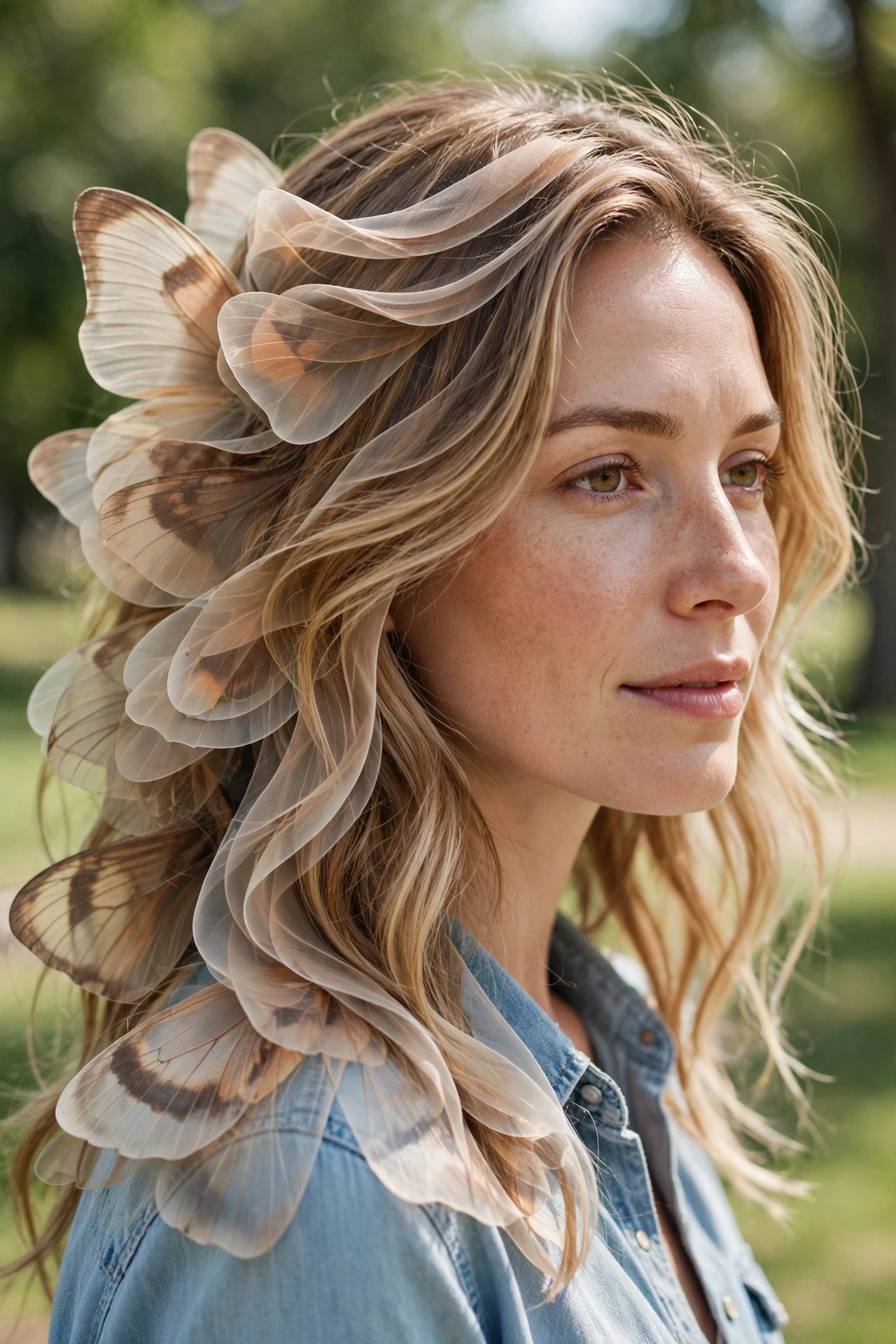
Chunky, obvious layer separation is what makes some butterfly cuts look dated. Invisible layering is the fix.
Ask specifically for:
- Soft, airy movement rather than sharp or blunt lines
- Layers blended so no hard step is visible
- Face-framing pieces customised to your strongest feature
- Enough length left at the perimeter to keep weight
This is the phrase most worth memorising before your appointment, because it changes the result more than any reference photo.
What Nobody Tells You Before Booking a Butterfly Cut
Most roundups show finished photos taken under salon lighting. These are the things that determine whether you walk out happy.
The Extensions Conversation
Here’s the honest truth almost nobody publishes. Lacy Gadegard-West, founder of Laced and a hairstylist of twenty-four years, has said plainly that layers require both length and thickness, and that most of the layered haircuts circulating on Instagram involve extensions.
That single fact explains a lot of disappointed salon visits. If your reference photo shows dense, waist-length hair with dramatic wings and your own hair is fine and shoulder-length, the cut cannot reproduce that image. It can still look excellent, just different. Show your stylist the photo and ask directly whether your density can carry it. A good stylist will tell you the truth and adapt the shape accordingly.
Matching Layer Placement to Your Face Shape
| Face Shape | Where Layers Should Start | Extra Guidance |
|---|---|---|
| Oval | At the cheekbone | Almost any version works |
| Round | Near the chin | Adds length and angle |
| Square | Just below the jaw | Softens the jawline |
| Heart | Fuller layers near the jaw | Balances a wider forehead |
| Diamond | Chin length, longer and softer | Avoids sharp contrast |
| Long | Cheekbone with curtain bangs | Shortens visual face length |
Layering Approach by Hair Type
| Hair Type | Approach | Trim Frequency |
|---|---|---|
| Fine and straight | Minimal layering, front only, blunt perimeter | 8 to 10 weeks |
| Medium and wavy | Standard layering, cheekbone start | 6 to 8 weeks |
| Thick and coarse | Hidden and internal layers, debulking | 6 to 8 weeks |
| Curly | Dry cutting, shrinkage accounted for | 8 to 12 weeks |
| Coily | Section-by-section on stretched hair | 8 to 12 weeks |
Cost and Realistic Maintenance
At a mid-range US salon, expect roughly $65 to $150 for a wash, cut and blow-dry, with major metros running higher. Tipping eighteen to twenty-two percent is standard. Apprentice chairs and membership salons often come in twenty to thirty percent lower without a meaningful drop in quality.
Maintenance is genuinely reasonable. Most variations hold their shape for four to eight weeks, and the cut grows out gracefully because the layers soften rather than developing a hard line. Anyone with a fringe needs more frequent visits, since bangs need reshaping every two to three weeks regardless of the rest.
Final Thoughts
Butterfly layered haircuts have stayed relevant across five decades for a straightforward reason: they give you the face-framing benefit of short hair while keeping the length you would miss. The layers do the volumizing work so you don’t have to fight your hair every morning, and the shape adapts across straight, wavy, curly and coily textures when it’s cut properly.
Book with a stylist who cuts layers regularly rather than whoever has the earliest availability. Bring two or three reference photos and be realistic about whether your density can carry them. Use the phrase invisible layers, mention the winged effect, and say honestly how much styling time you’re willing to give it.
Save the versions that caught your eye and take them with you. The difference between a butterfly cut you love and one you tolerate usually comes down to that conversation before the first snip.
Frequently Asked Questions
What exactly is a butterfly haircut?
It’s a layered cut with two distinct lengths. Short layers frame the face and crown, starting somewhere between the cheekbone and jawline, while longer layers underneath preserve your overall length. Styled out, the contrast creates a winged silhouette, which is where the name comes from.
Does a butterfly cut work on thin or fine hair?
Yes, but the approach must change. Heavy all-over layering makes fine hair look sparse. Ask instead for face-framing layers only, paired with a blunt or minimally layered perimeter, which creates the illusion of thickness rather than removing what you have.
How often does a butterfly haircut need trimming?
Most versions hold their shape for six to eight weeks, and fine or minimally layered cuts stretch to ten. Curly and coily versions can go longer, up to twelve. Any version with a fringe needs bang reshaping every two to three weeks.
Is the butterfly cut the same as a wolf cut?
No. Both come from the shag family, but the butterfly is softer, more blended and keeps significantly more length. A wolf cut is shorter and more aggressive at the crown with a mullet influence, making it the bolder and higher-commitment of the two.