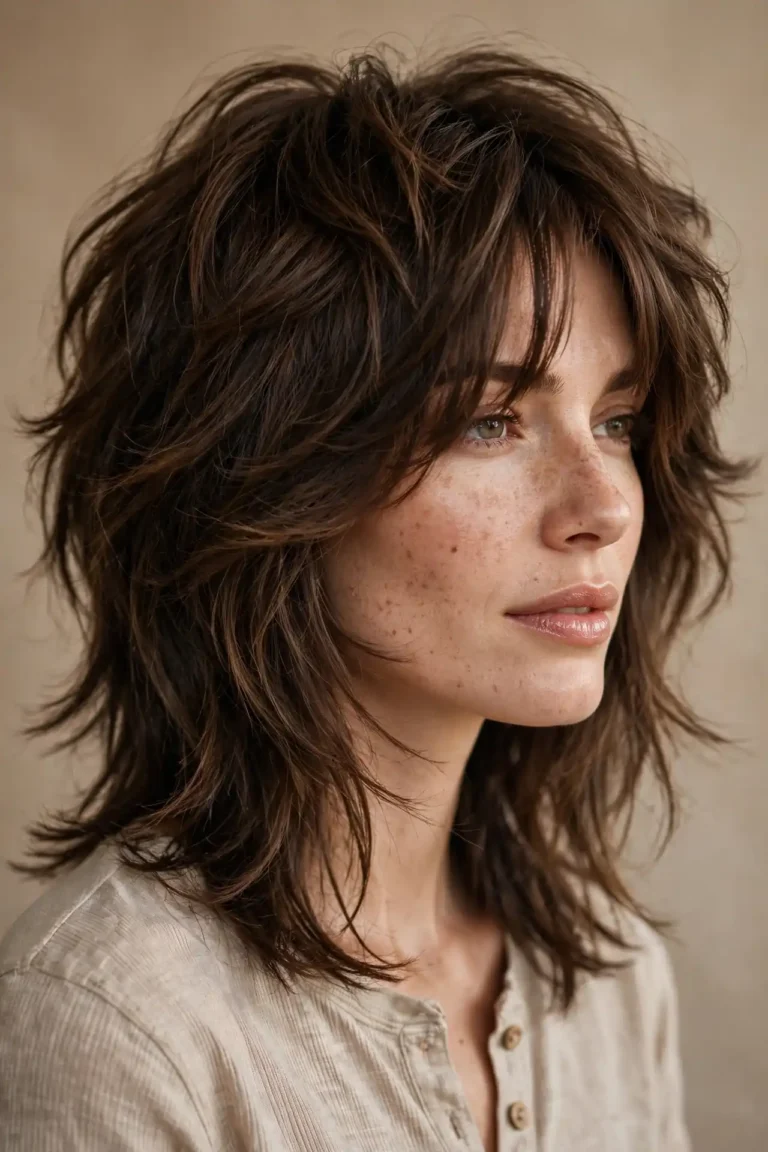
28 Modern Blonde Wolf Cut with Bangs Hairstyles for an Effortless Look
Blonde changes what a wolf cut does. On dark hair, the layers register as shape and shadow. On blonde, every single one of them becomes visible, because light travels differently through lifted hair and catches each step in the cut. That’s why a blonde wolf cut with bangs either looks extraordinary or exposes every mistake, with very little space in between.
The blonde itself has moved somewhere warmer. Chase Kusero, celebrity colourist and co-founder of IGK Hair Care, describes clients leaning into fresh luminous tones that create creamy, buttery results, with a warmer feel reflecting champagne, vanilla and honey.
Colourist Emily Claire puts it more bluntly, saying this is the year of golden vanilla blondes and that hardly anyone is asking for icy silvers anymore. Celebrity hairstylist Mia Santiago sums up the mood as expensive blonde: natural, dimensional shades with low-maintenance highlights.
Twenty-eight ideas follow, starting with the shades themselves, then the placement techniques that make heavy layering read properly.
Blonde Shades Built for a Layered Cut
Not every blonde suits a heavily layered shape. Flat, single-tone blonde is the fastest way to make wolf layers look like accidental unevenness rather than a deliberate cut.
Butter Blonde
Butter blonde delivers the brightness of platinum without the cool, over-processed finish, which is exactly why it has stayed at the top of request lists for two years running. On a wolf cut the creamy warmth softens the choppiness of razored ends, so the shape reads glowy rather than harsh. Ask your colourist to alternate vanilla and almond tones through the layers for depth.
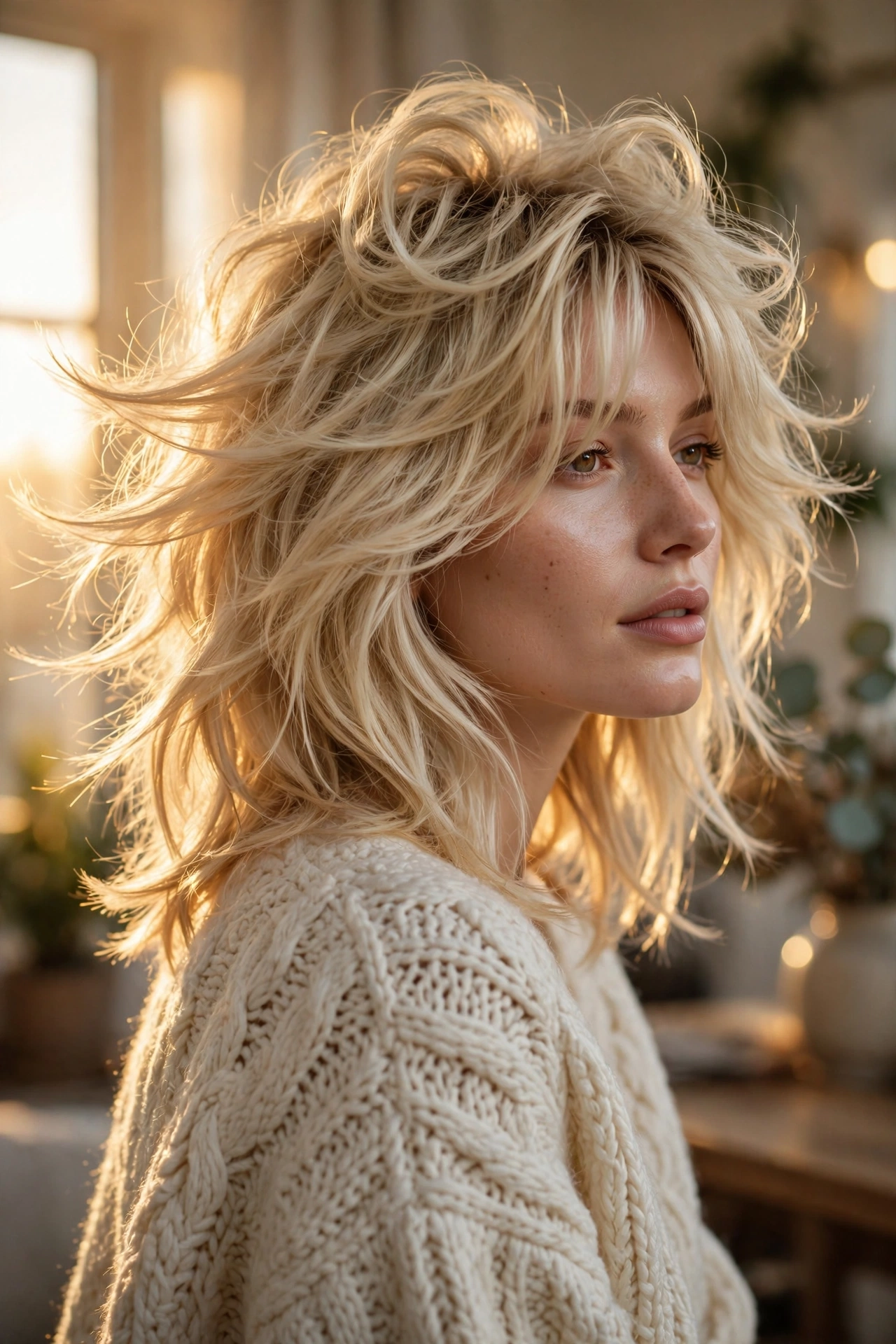
Vanilla Silk
Richy Kandasamy, vice president of colour development at R+COLOR, has named this shade specifically and described the underlying appetite as craving dimension that feels breathable. It’s a creamy light neutral that avoids both icy and golden extremes. His exact salon instruction is worth borrowing: ask for a soft neutral-beige blonde with seamless dimension and a creamy gloss finish. The low regrowth line makes it particularly practical on a cut that already needs trims every six to eight weeks.
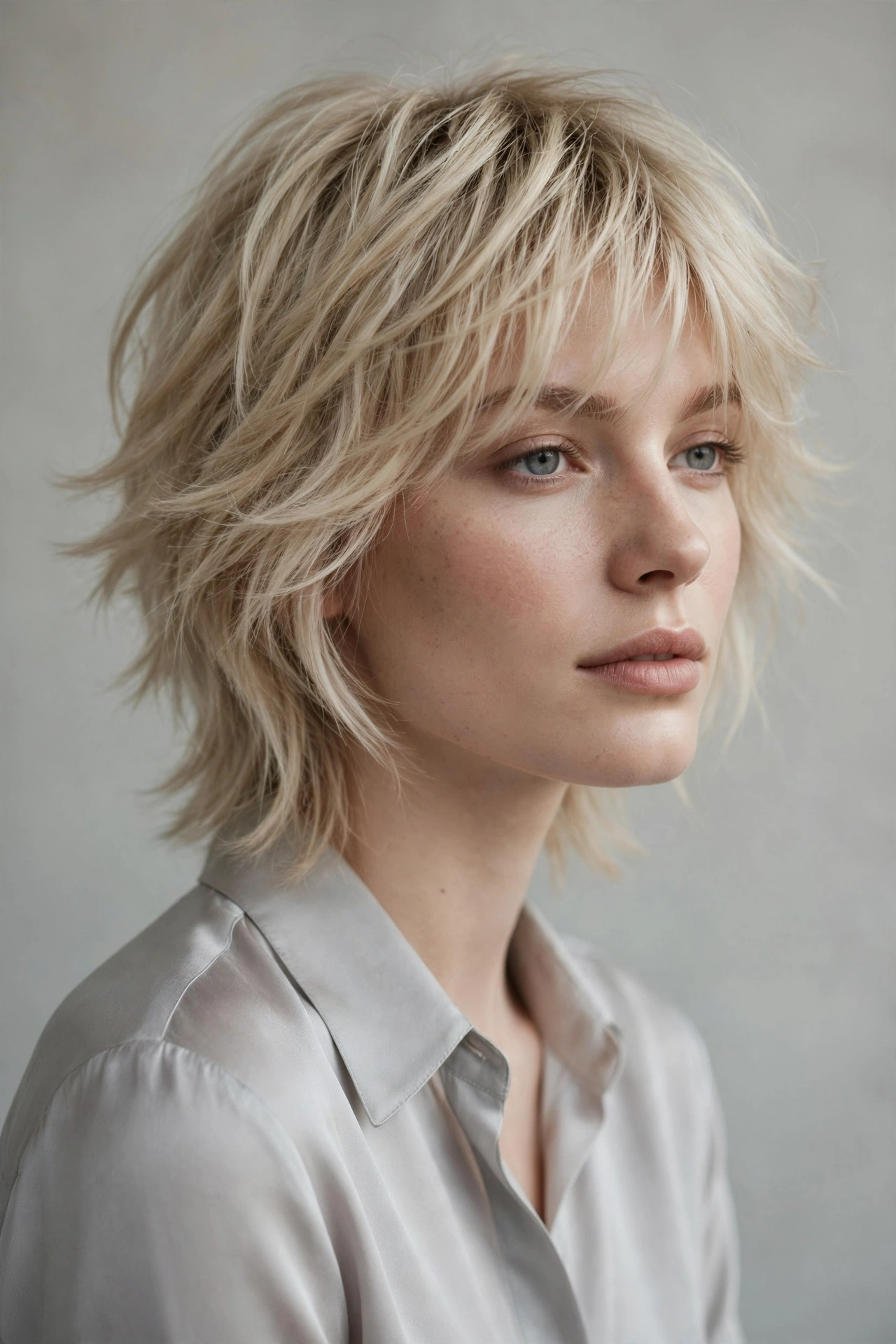
Champagne Blonde
Why does champagne suit a layered cut so well? Because the cool pearl and soft gold sitting together create natural shadow between the layers. That subtle temperature shift does the work a single tone cannot. Pairing it with a shadowed root creates the illusion of thicker hair at the crown, which is genuinely useful on a wolf cut where the shortest layers can look sparse.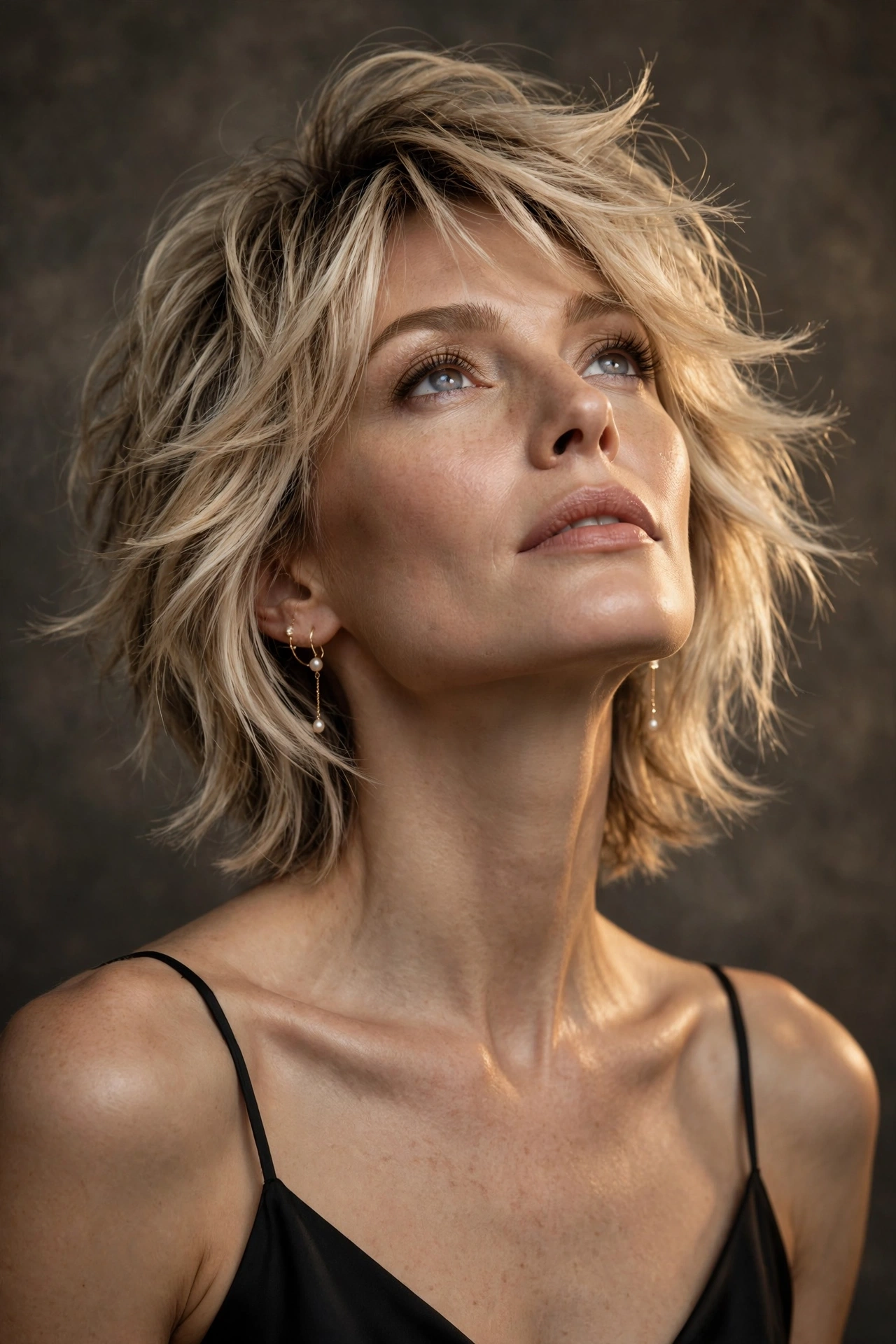
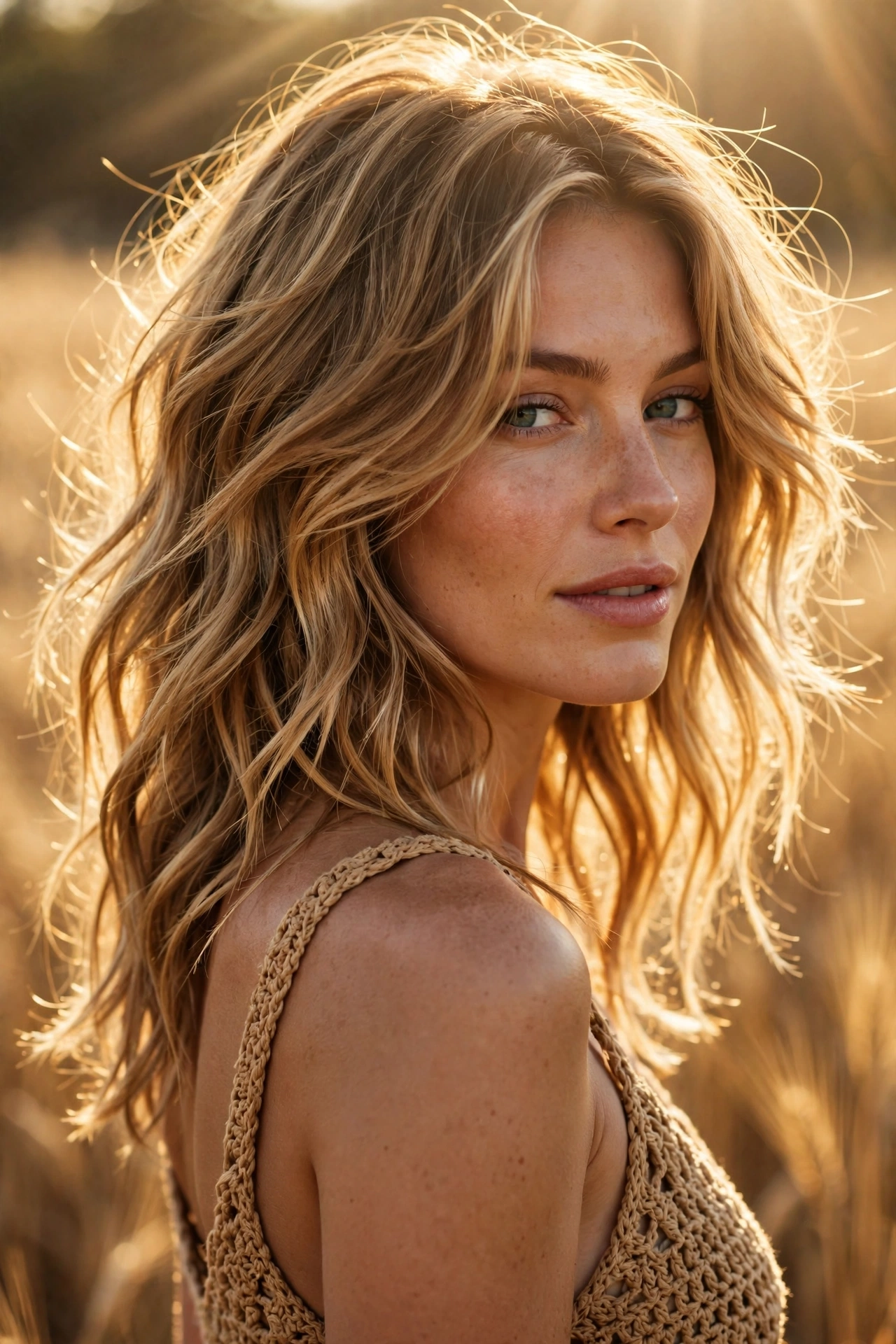
Honey Blonde
Deep gold ribbons paired with amber. That’s the current formulation, and it’s richer than the honey blondes of a few years ago. Warmth is what stops blonde looking thin at the wispy ends of a wolf cut, which is where the cut is most fragile visually. Loose waves show this shade best, since the bends catch the golden ribbons at different angles. It suits warm and neutral undertones without much adjustment.
Beige and Sandy Blonde
Muted beige sits between ash and neutral, creating depth without any obvious highlight pattern. It reads modern and quietly expensive, and it forgives regrowth better than brighter blondes. Anyone whose natural base is dark blonde or light brown will find this the least demanding option here.
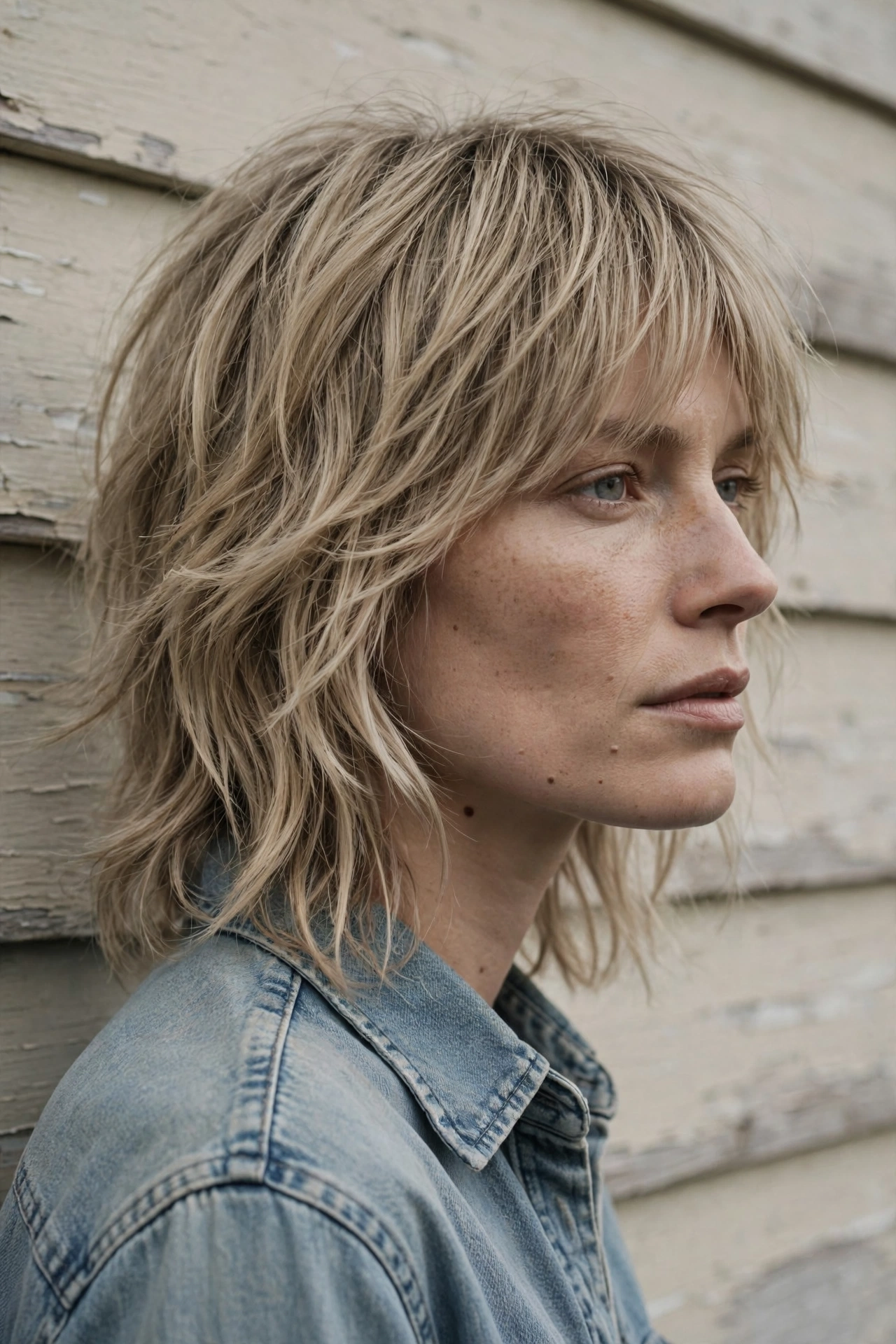
Buttercream Blonde
Most people assume warm blonde means brassy. Buttercream proves otherwise Celebrity colourist Sharon Doram builds it by mixing two or three different blonde colours and weaving them strategically through the hair, then popping the hairline with buttery blonde highlights. That hairline detail matters enormously on a cut with bangs, because the fringe sits exactly where those brighter pieces land. It works best on a dark blonde to very light ash brown base.
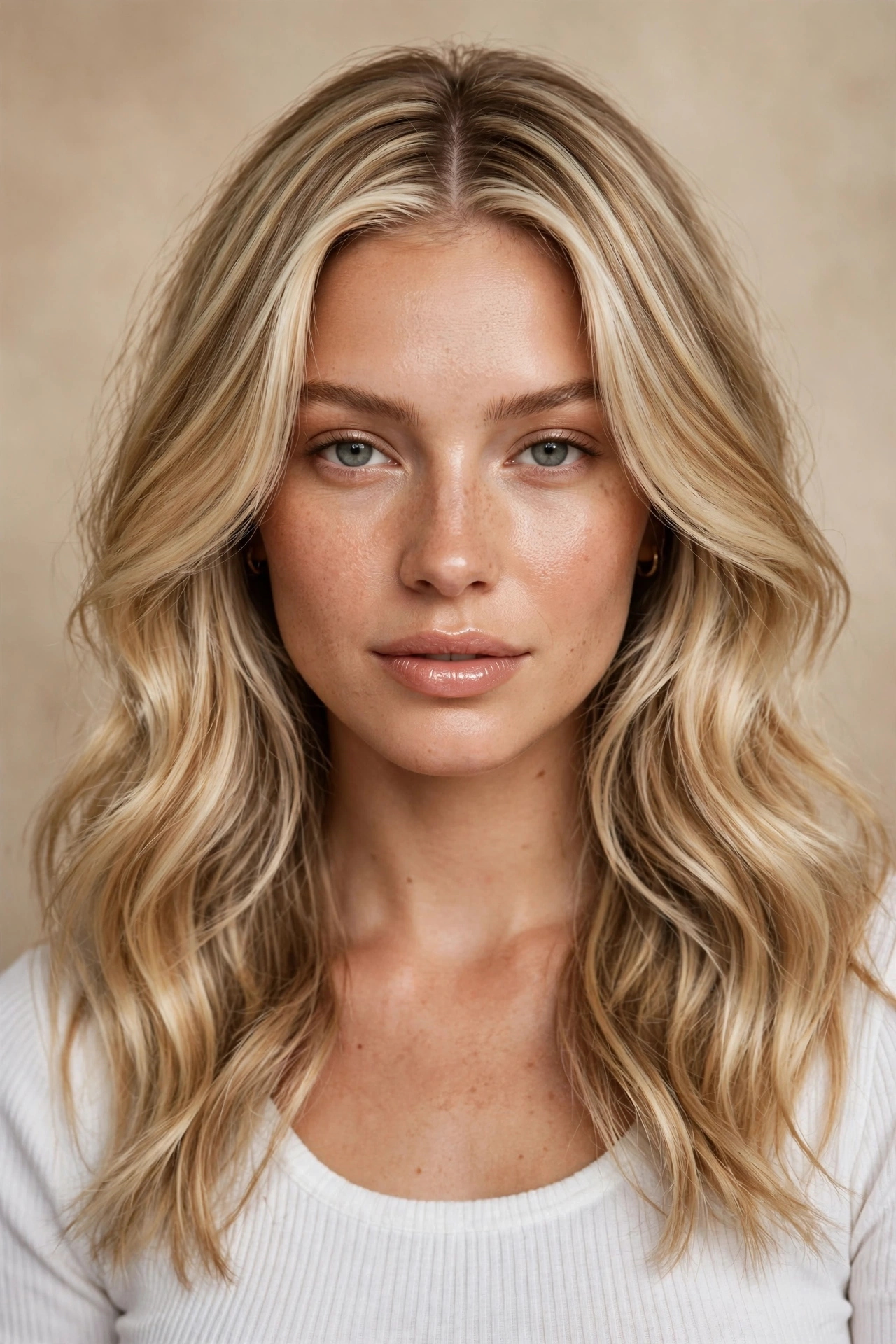
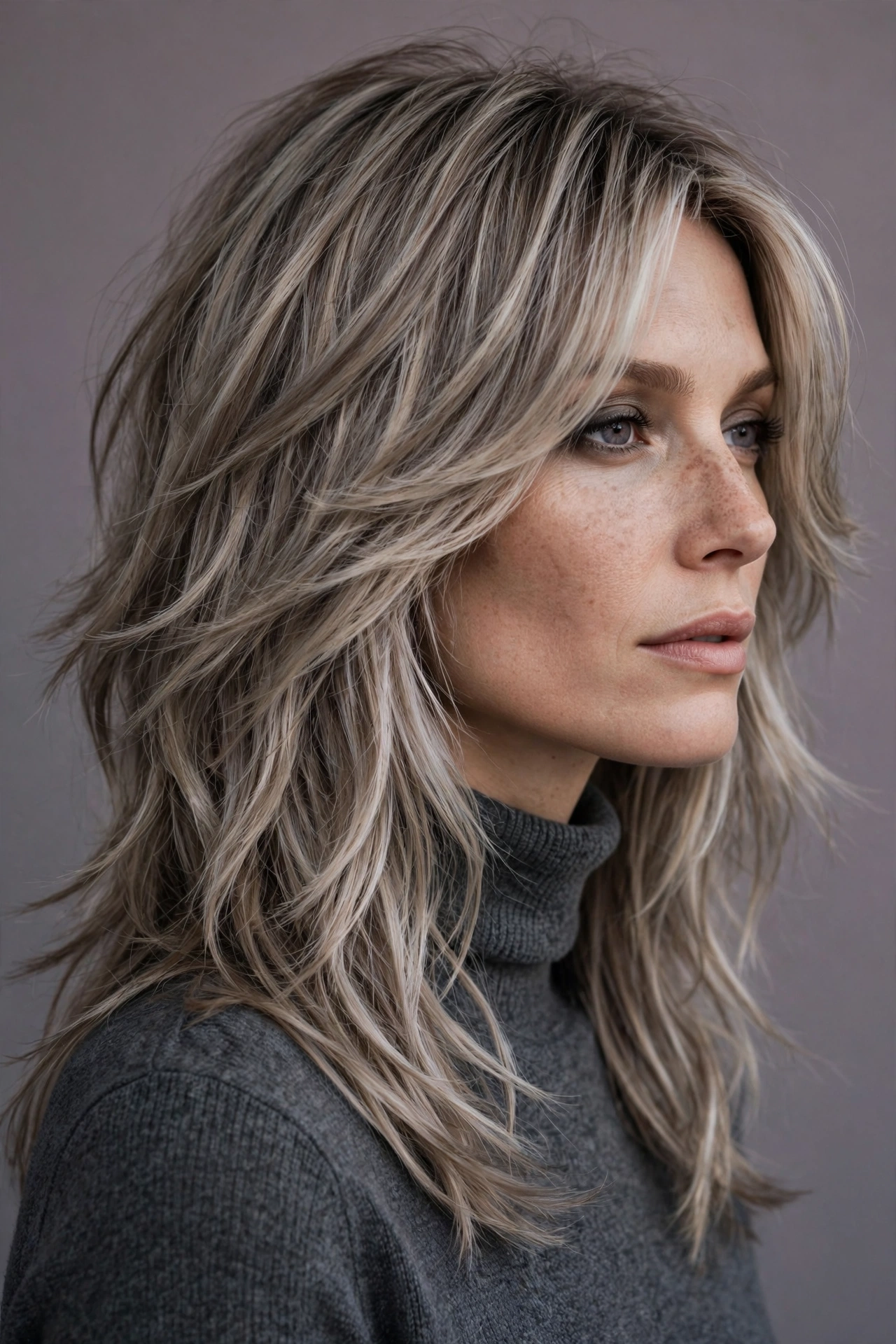
Mushroom Blonde
Ash and taupe blended together absorb light unevenly, which produces depth without the striping that foils sometimes create.Cool undertones wear it best. On a wolf cut the smoky finish plays against the texture in an interesting way, reading softer and more editorial than a golden blonde. It also disguises grey particularly well.
Ethereal Platinum
Master colourist Louise Rusk, founder of Jes + Lou Beauty, has flagged the shift toward pale, almost ethereal white with a little sparkle, while being clear that it’s high maintenance with touch-ups and toning required monthly.
What to weigh before committing:
- Monthly salon visits, not stretched appointments
- Significant lifting on most natural bases
- Razoring pre-lightened hair is harsher than on virgin hair
- Bond protection at every single appointment
- The wispy ends of a wolf cut are the most fragile section
Anya Taylor-Joy’s version is the reference most clients bring in. It’s stunning and it’s a genuine commitment.

Halo Highlights
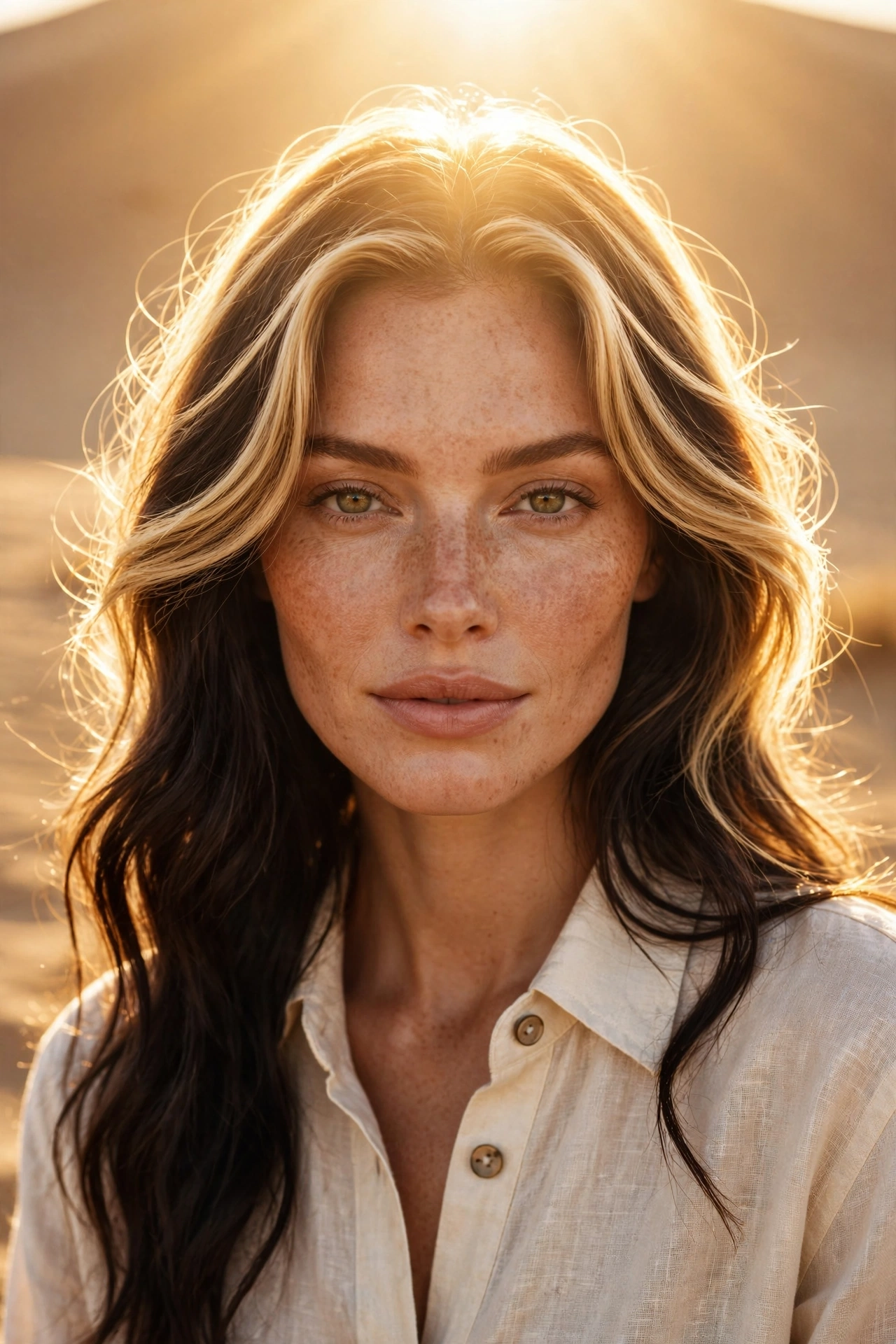
Kusero has singled out halo highlights as a defining placement, describing a bright ring of softness around the crown and front perimeter that creates a sun-around-your-face effect.
This is arguably the single best pairing with a wolf cut that exists. The crown is precisely where the shortest layers sit, and brightening that ring makes the volume there visually pop rather than disappear into the length. Ask for it by name.
The Money Piece on Your Bangs
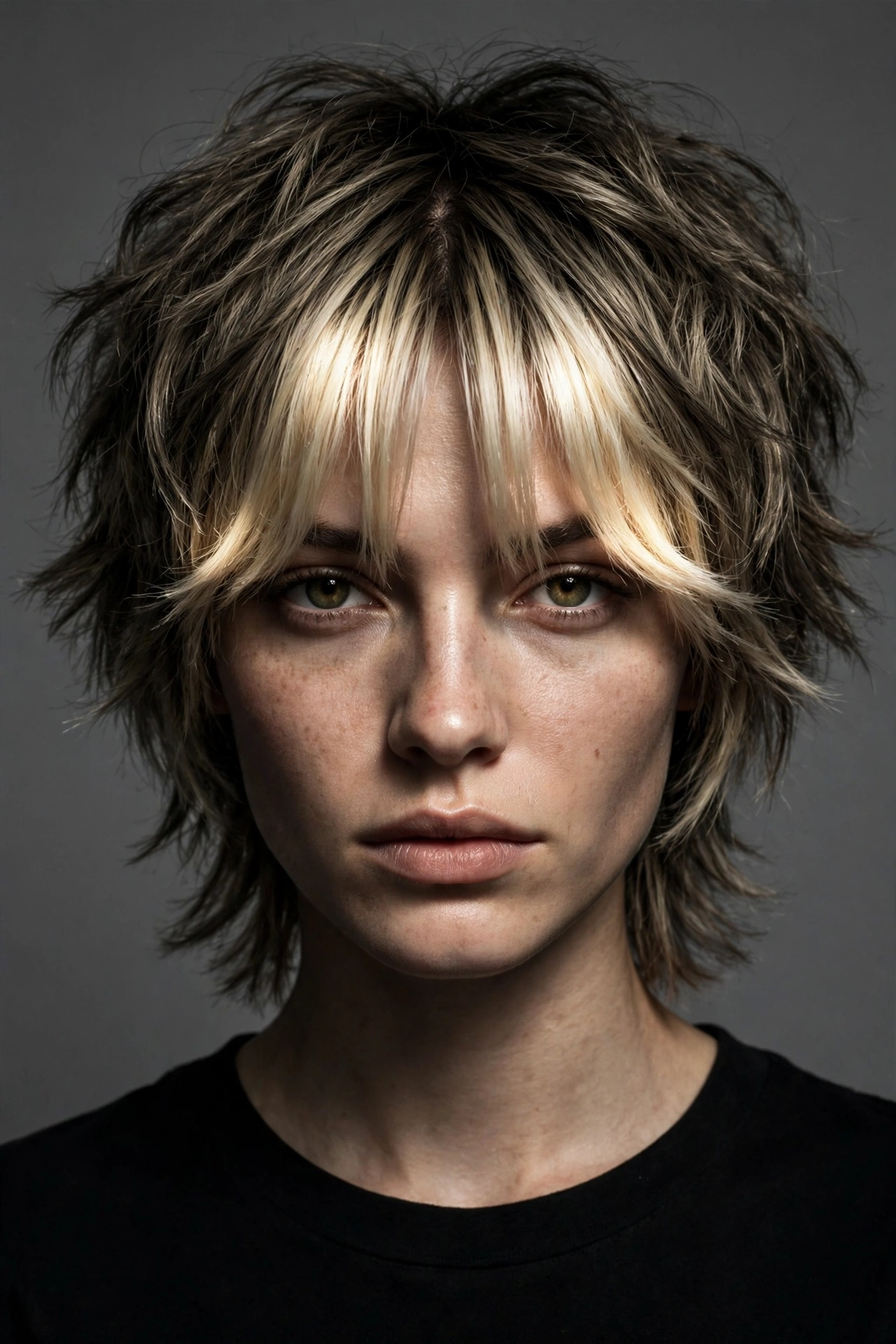
Two brightened sections framing the face, sitting directly on the fringe. It costs a fraction of full-head colour, grows out with no awkward line, and puts light exactly where the bangs are doing their work. Anyone testing blonde before committing should start here.
Balayage Through the Lengths
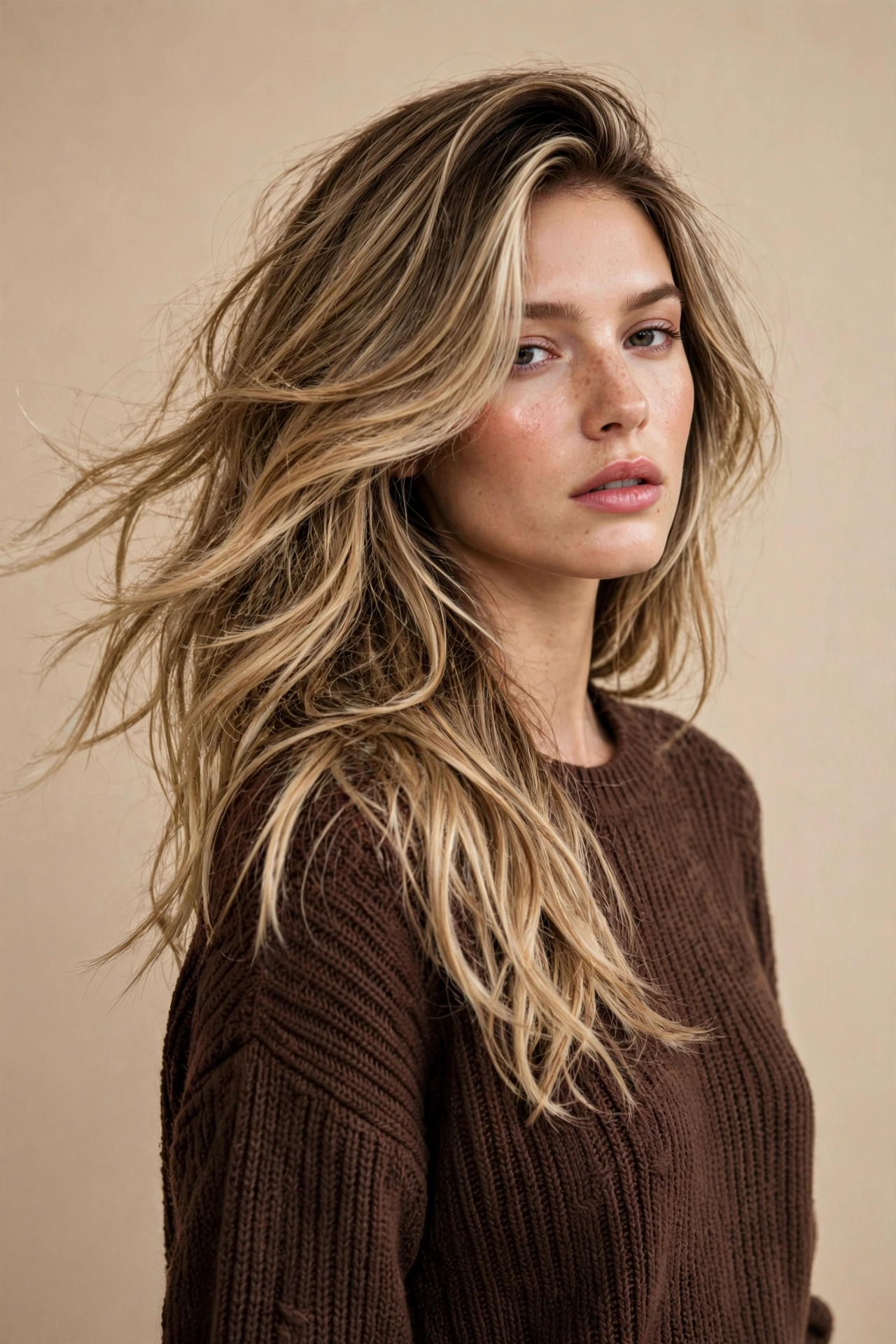
Ever noticed how balayage looks better on layered hair than on blunt cuts? It’s because the layers create natural movement for the hand-painted colour to follow.Painting brightness from the mid-lengths down makes every layer visible as it moves, which is the entire point of a wolf cut. Touch-ups stretch to twelve weeks since the roots are never part of the design.
Foilayage
Combining foils with hand-painting delivers more lift than balayage alone while keeping the soft, blended finish.Colourists reach for this when a client wants genuine brightness but hates hard highlight lines. Pairing foilayage with a gloss afterwards produces the glossy-but-soft result that photographs well and grows out without a hard line. Maintenance sits around eight to ten weeks.
The Root Smudge
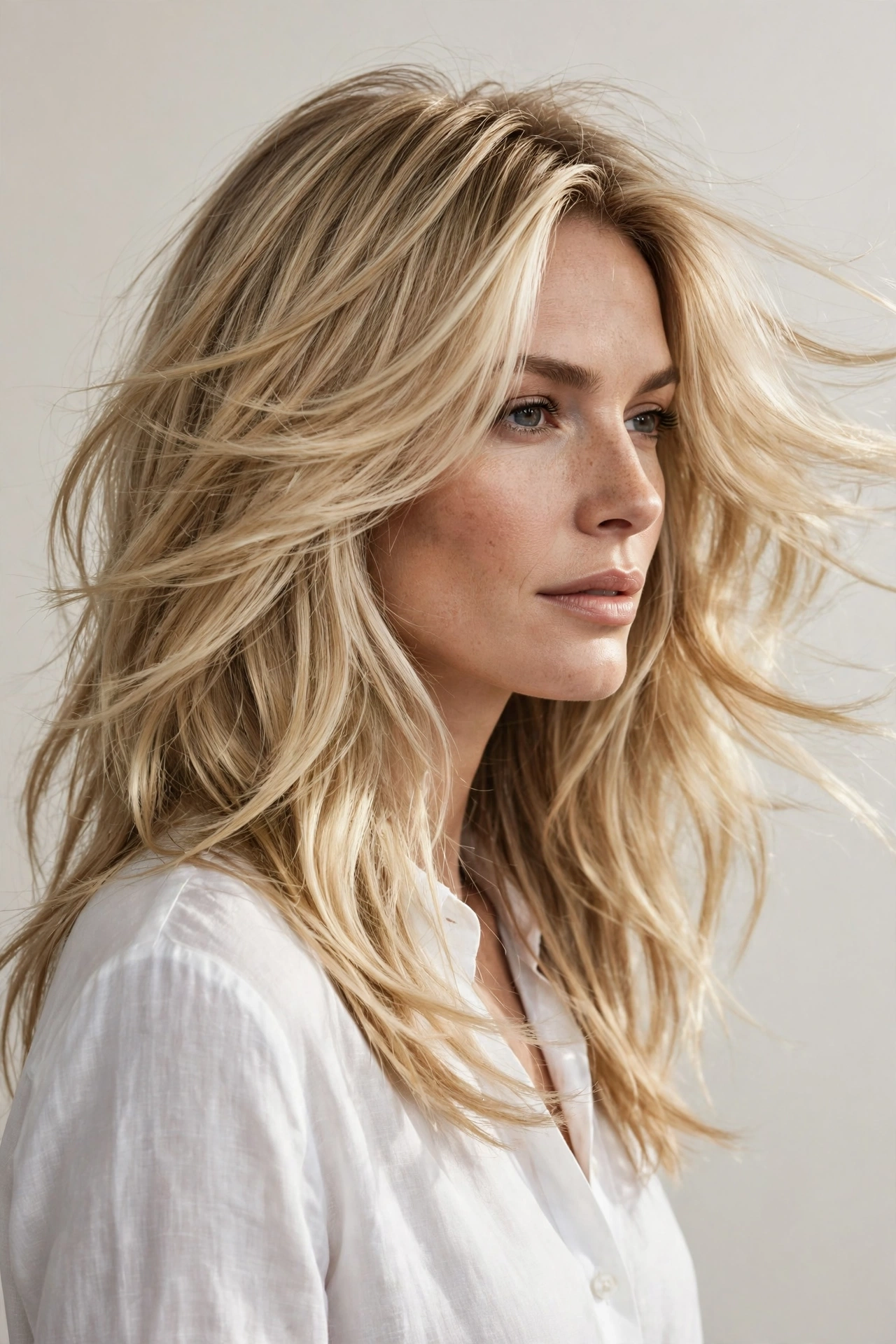
Twelve weeks between appointments instead of six. That’s what a deliberate root smudge buys you.Blending a darker root seamlessly into blonde lengths removes the harsh regrowth line entirely. On a wolf cut it does something extra: the added depth at the crown creates the illusion of density exactly where the shortest layers sit, which is the area that most often looks thin.
Satin Blonde Placement
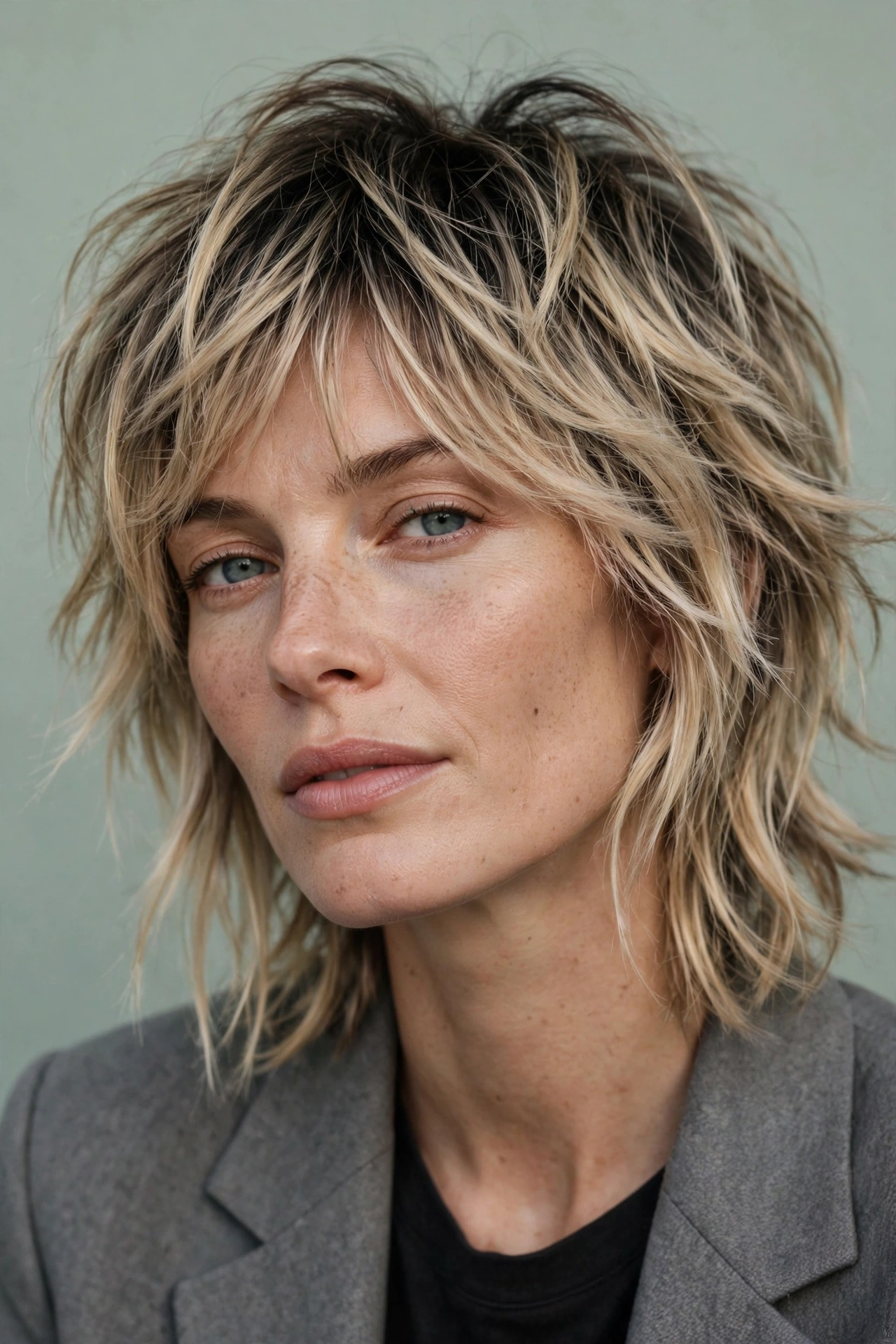
Emaly B of Beauty Supply NYC has described satin blonde as a modern take on the iconic nineties blonde highlight, with the point being strategic placement rather than any particular undertone.That distinction is useful here. On a heavily layered cut, where the highlights sit relative to the layer steps changes the result more than the tone does. Bring a photo showing the placement rather than describing a colour.
The Long Blonde Wolf
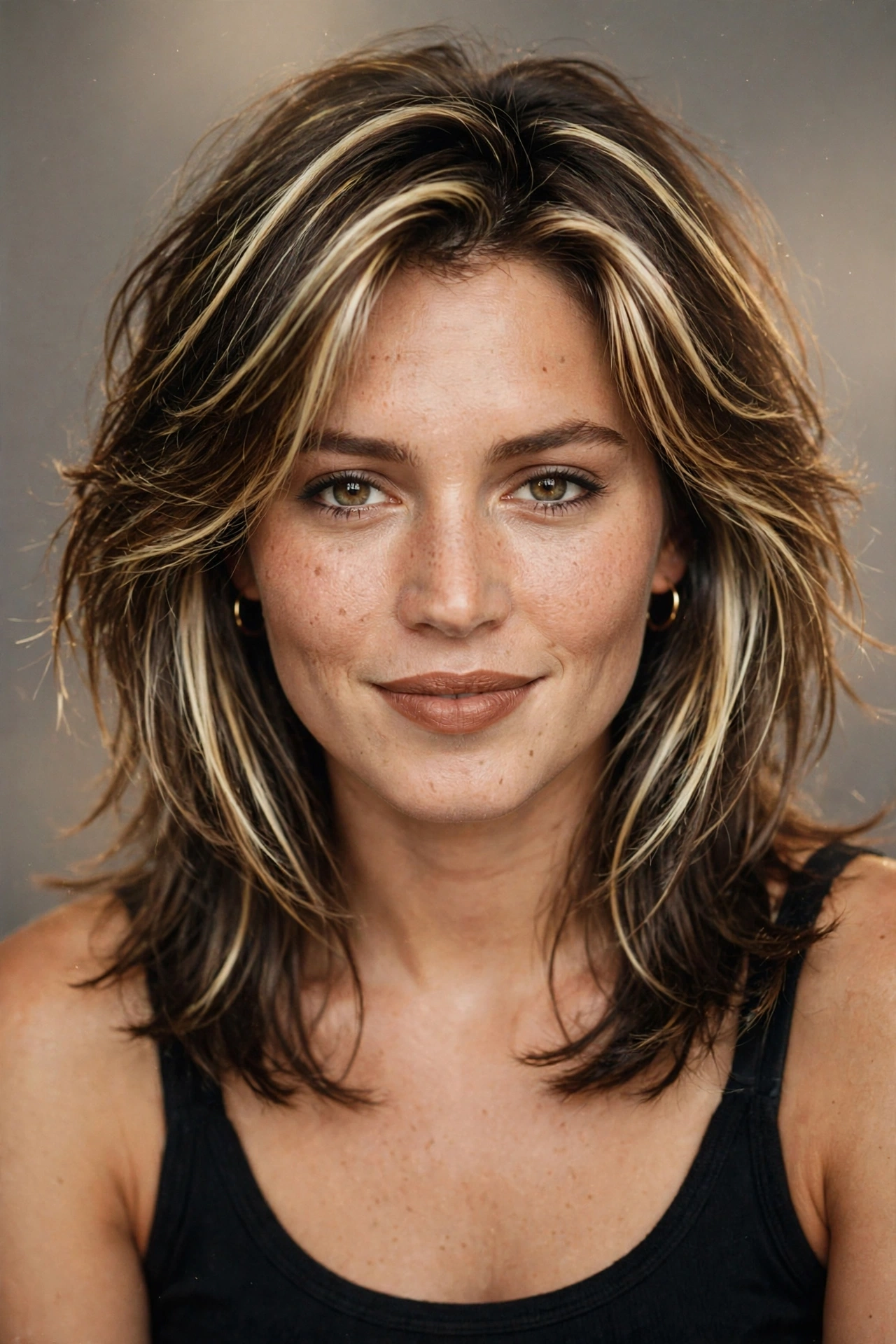
Long hair gives blonde room to develop a proper gradient, which is why balayage and melts look best at this length.The critical detail remains layer placement. Ask for the shortest crown layers to start no lower than the chin, otherwise the blonde is sitting on a U-shape rather than a wolf cut and the colour will do all the work the cut should be doing.
The Mid-Length Blonde Wolf
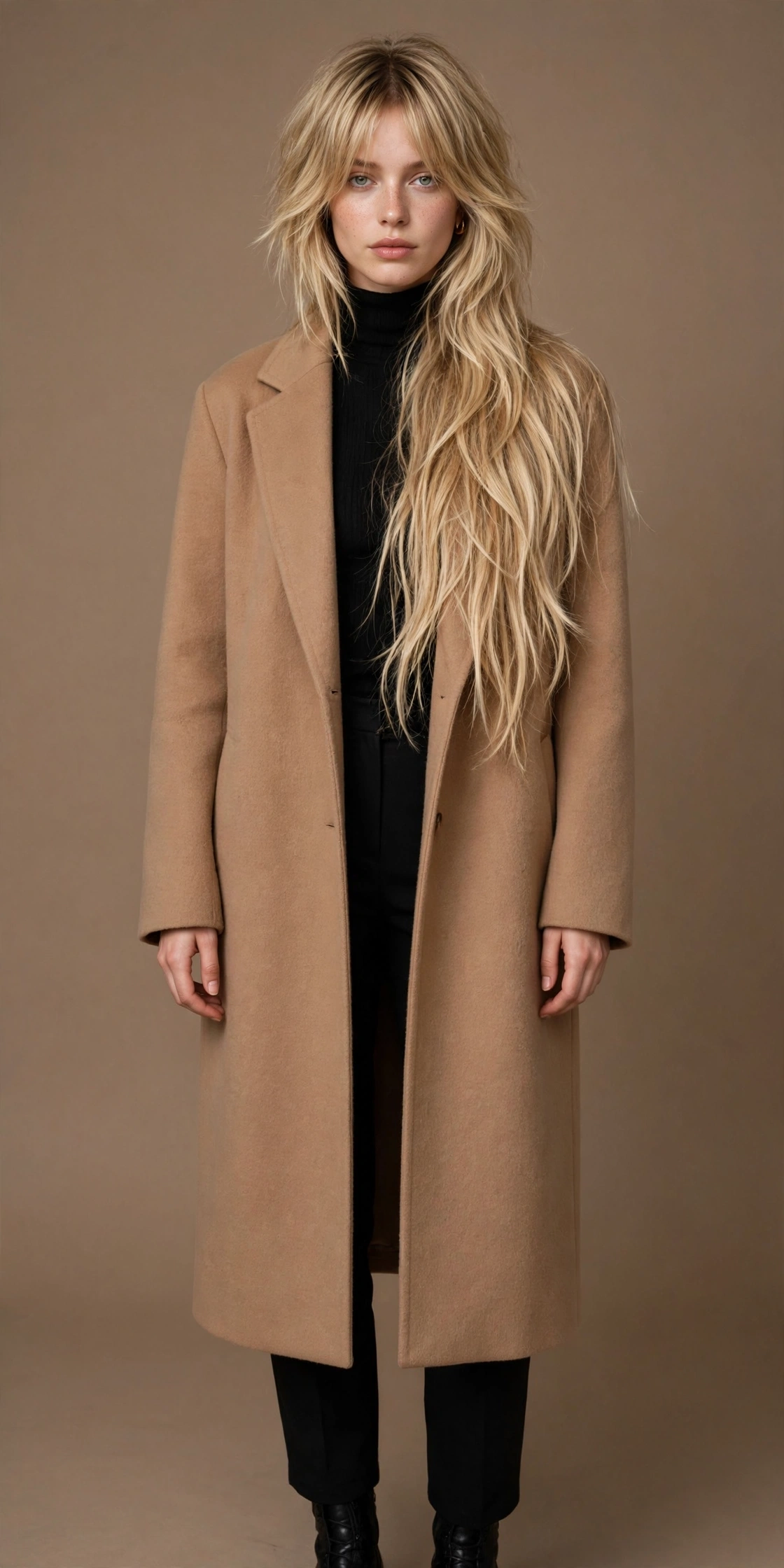
Enough weight to keep the shape grounded, not so much that the layers vanish. Shoulder to collarbone is where this cut performs best regardless of colour, and blonde amplifies that by making every layer step legible. It’s also the easiest length to style at home.

The Shoulder-Grazing Blonde Wolf
Both the shortest crown pieces and the longest ends sit within a single photo frame at this length, which is why it photographs so consistently well.Blonde intensifies that effect, since the light contrast between layers becomes visible rather than implied. Eight weeks between trims is realistic here.
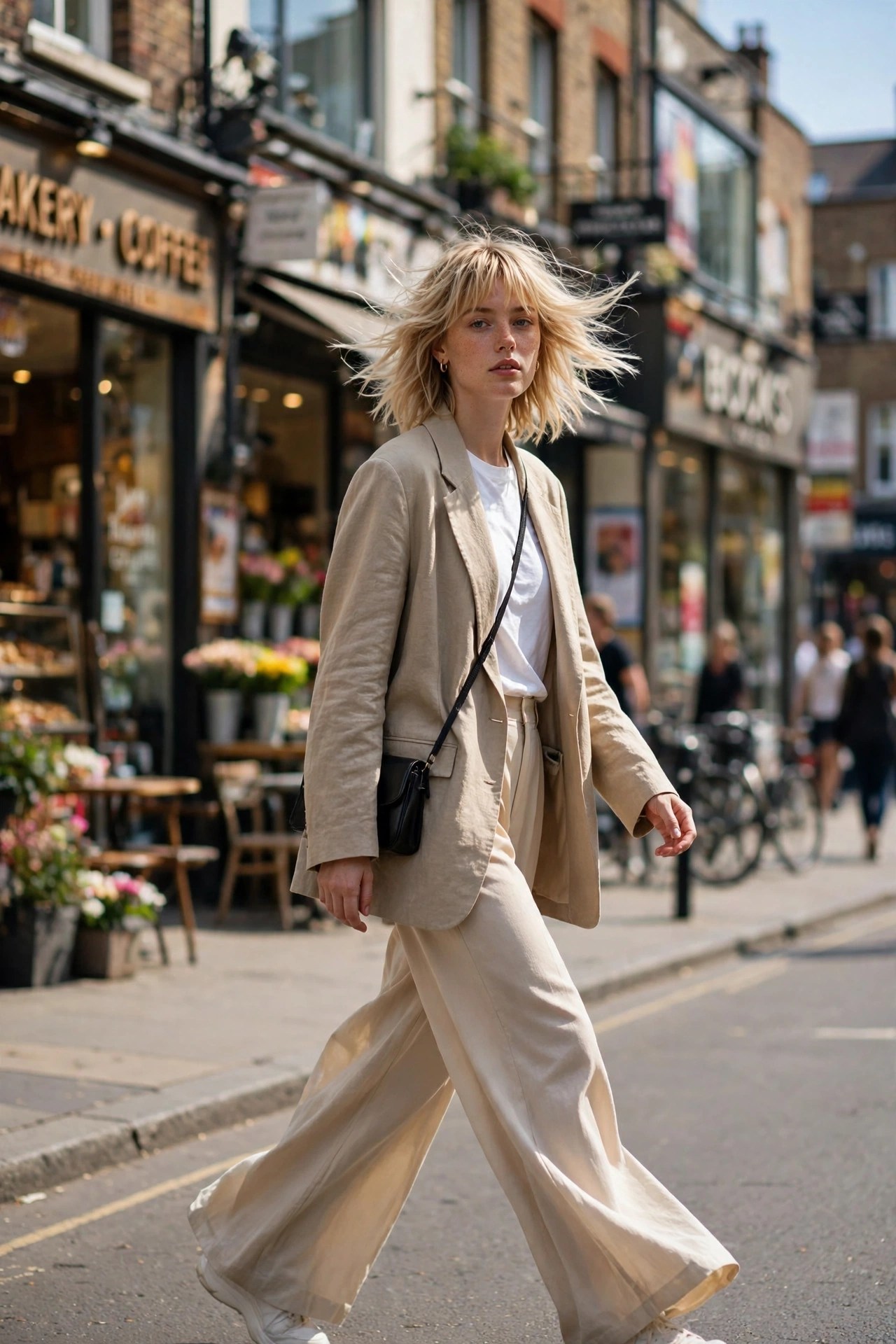
The Short Blonde Wolf
Short and blonde together mean nowhere to hide, and that cuts both ways.Every layer is visible, so a well-executed cut looks exceptional and a poorly executed one is obvious immediately. Thick hair carries it best. Trims move to four or five weeks, which stacks on top of your colour schedule, so budget honestly before booking.
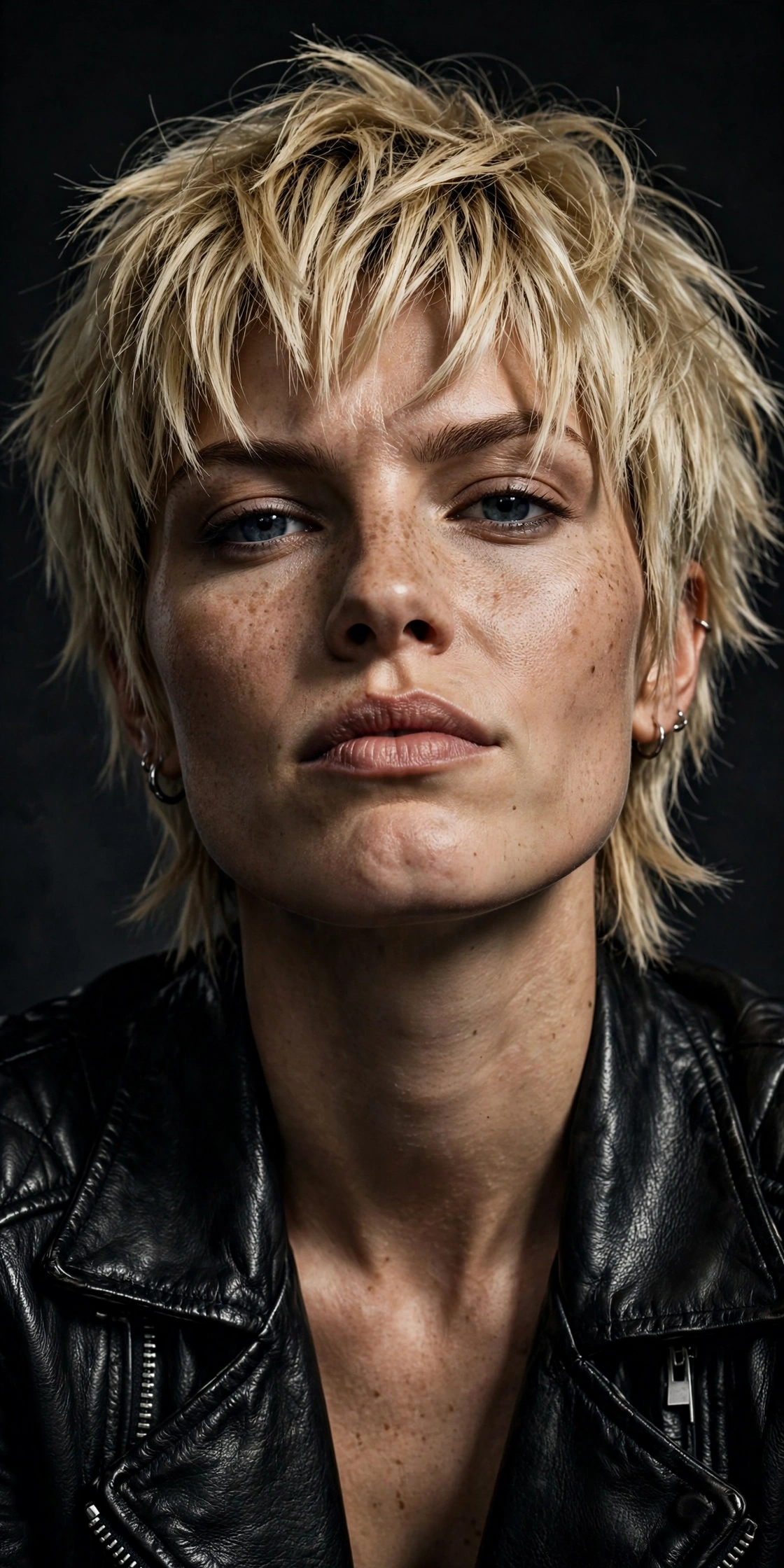
The Blonde Micro Wolf
A softer, shorter version with gentler layer contrast, sitting closer to a shaggy bob than a true wolf cut. It’s the lowest-risk way to try both the cut and the colour at once, and it grows out almost invisibly.
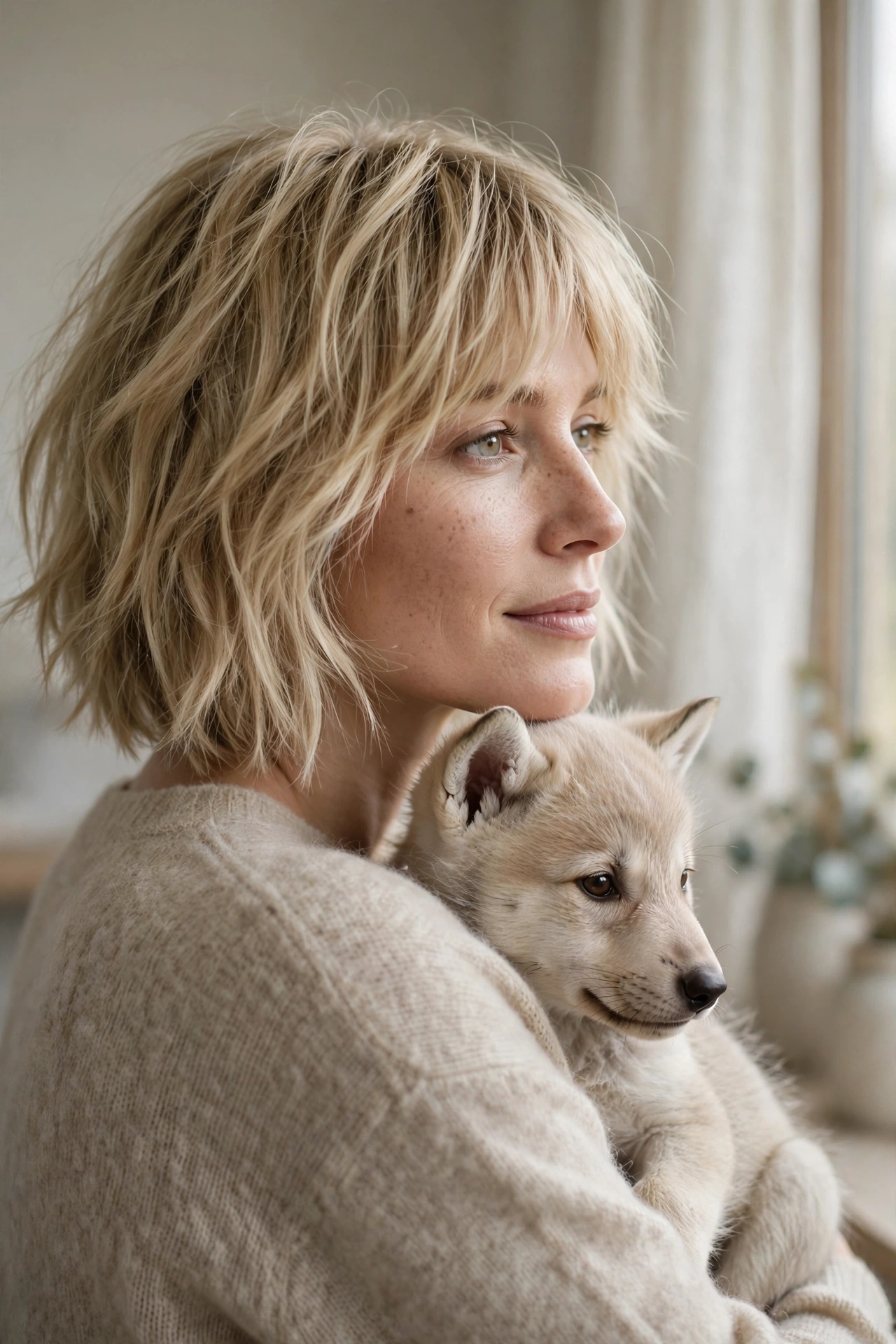
Blonde Curtain Bangs
Curtain bangs remain the most requested pairing, and on blonde they benefit from a small technical detail most people miss.The fringe should be blended into your front layers gradually rather than cut as a separate block, so the bangs and the cut read as one design. On lightened hair this matters more than usual, because a hard line between fringe and layers is far more visible when both are bright.
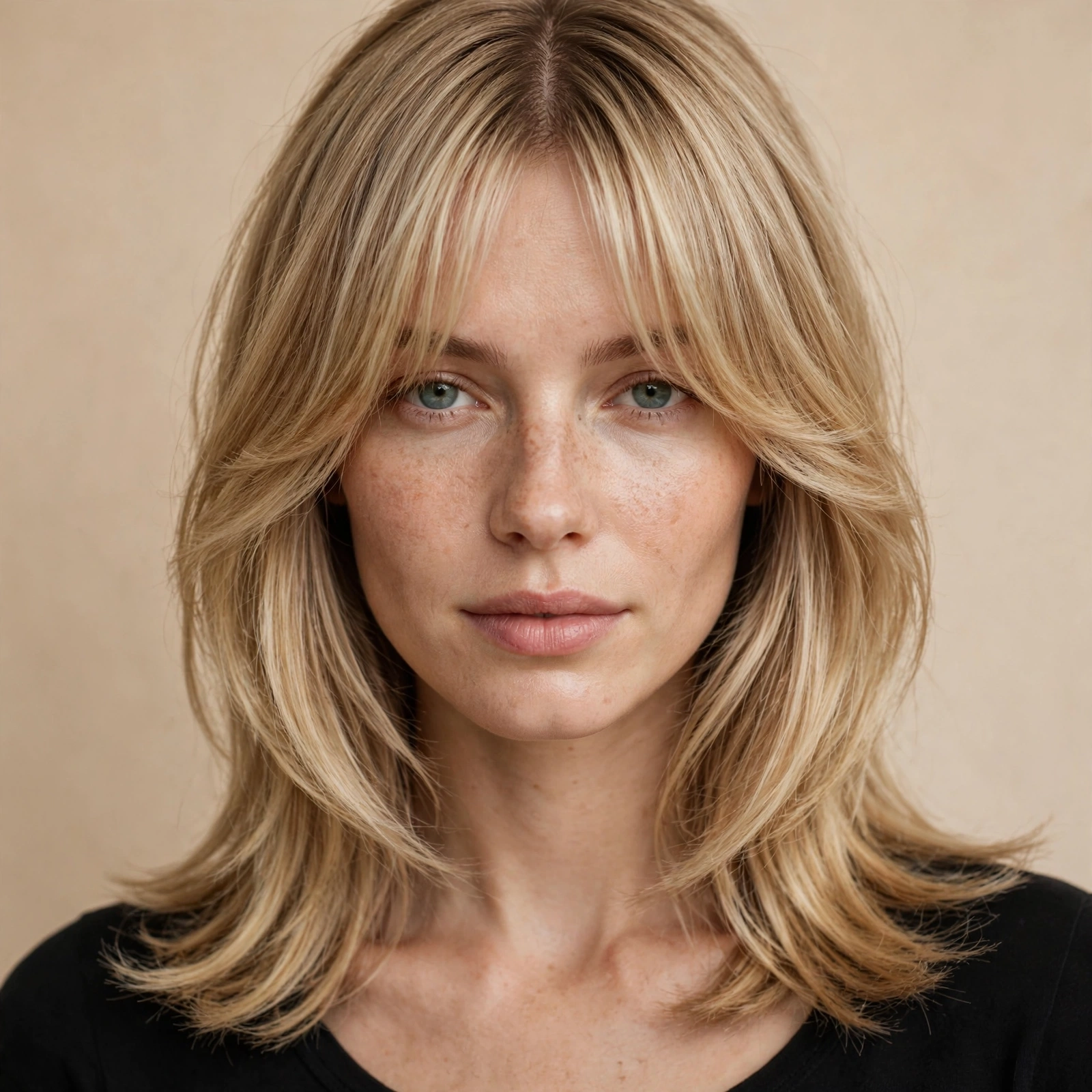
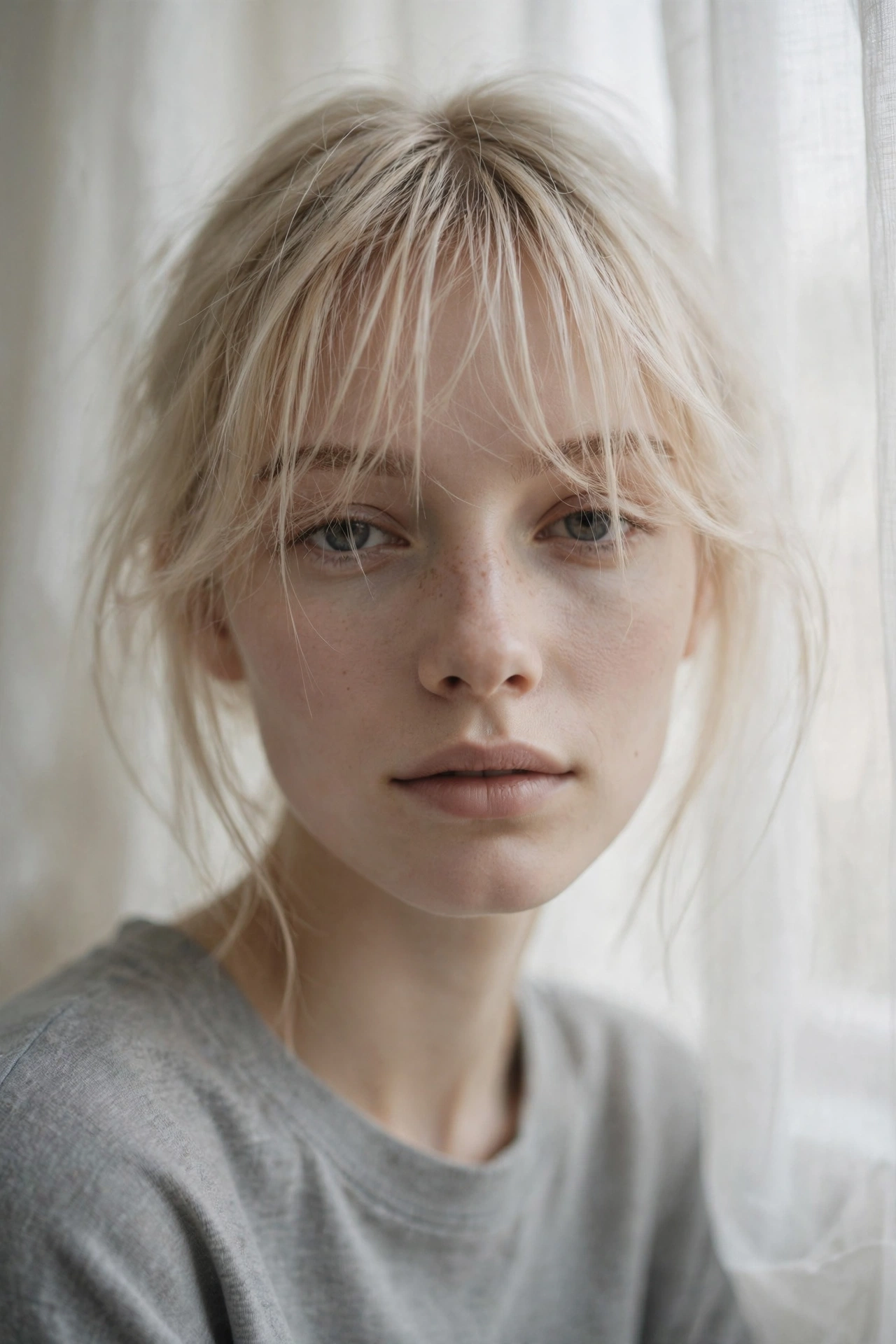
Wispy See-Through Bangs
Eyes visible through the fringe. That’s the whole test, and it’s what keeps a blonde wolf cut looking light instead of heavy.Fine and lightened hair both benefit here, since a wispy fringe borrows the least hair from the hairline and there’s less bulk to look brassy. Point cutting rather than a straight scissor line creates the softness.
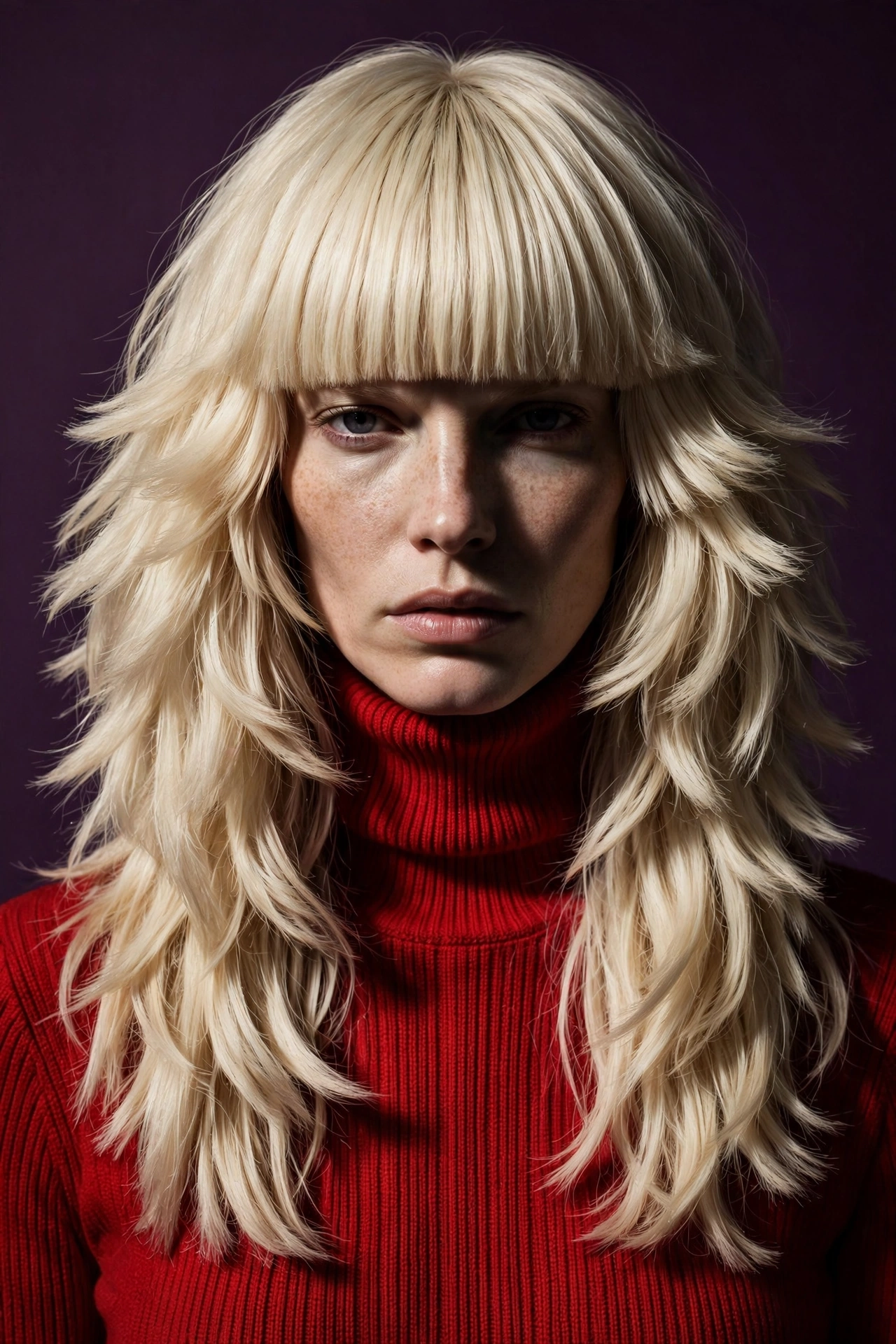
The Heavy Blonde Fringe
Wondering how to make a soft blonde look editorial? Density in the fringe does it. A thicker, blunter bang against creamy blonde creates deliberate contrast between the sharp line and the warm tone. Precision is the entire aesthetic. Thick hair holds it best, and the trade-off is a monthly fringe trim regardless of when the rest of the cut is due.
Side-Swept Blonde Bangs
A deep side part shifts the balance of the face and creates a natural landing place for your brightest pieces.Sweeping the fringe across rather than splitting it evenly gives asymmetric volume, which flatters a strong jaw and adds crown height. Blow-dry the heavier side away from the face first so it holds through the day.
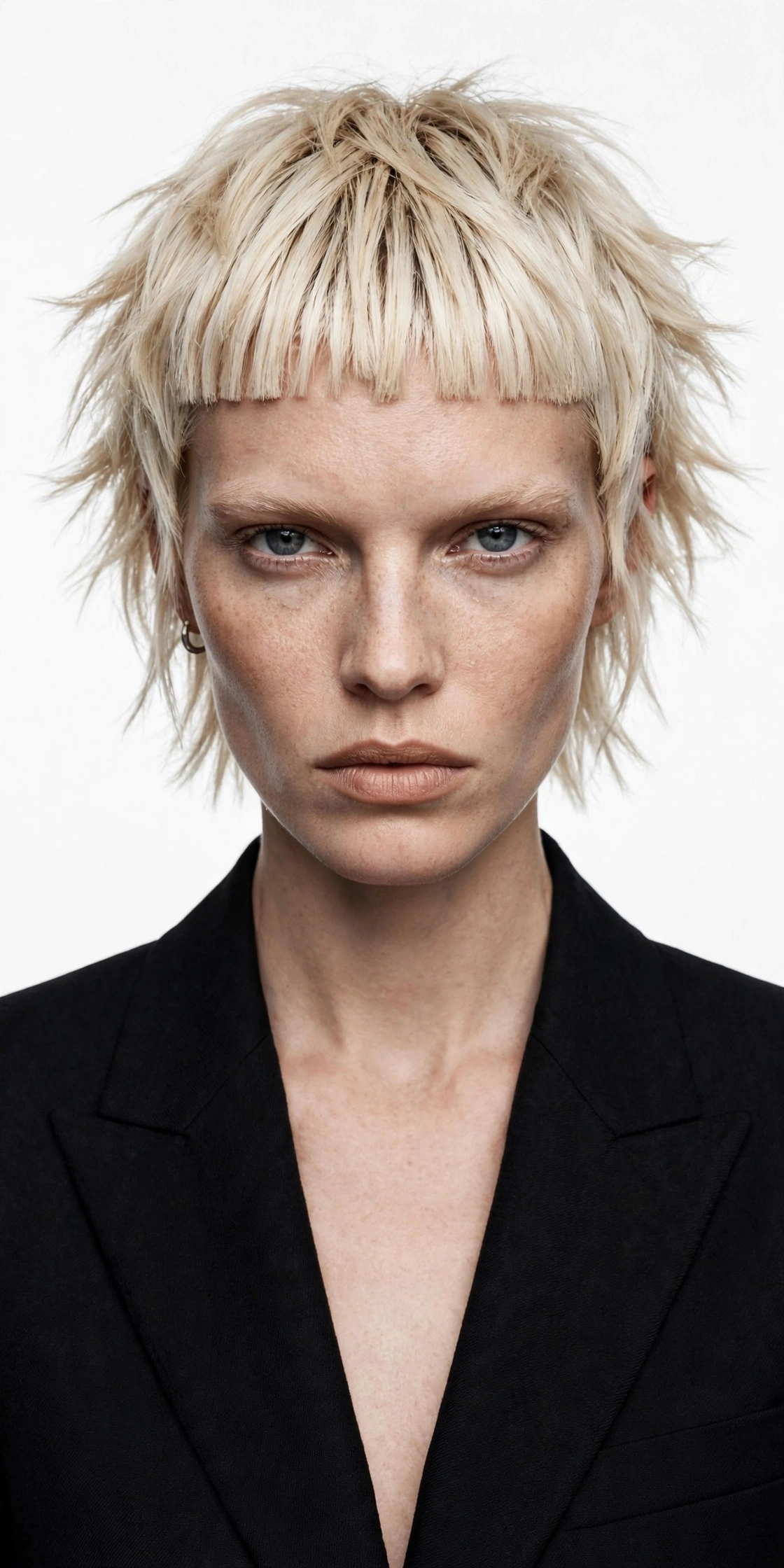
Micro Bangs on Blonde
Short blunt bangs sitting well above the brow read as a genuine statement.
Where this works:
- Oval and heart-shaped faces
- Straight or lightly wavy hair
- Paler blondes, where the contrast reads graphic
- Anyone comfortable with a fortnightly trim Round faces should skip this one, since anything above cheekbone level adds width exactly where you don’t want it.
The Wavy Blonde Wolf
Natural waves and this combination were made for each other, since the bends separate the layers and catch the blonde at varying angles without any effort from you.Air drying produces a genuinely good result. Sea salt spray enhances separation, though it does dry lightened hair, so alternate it with a leave-in rather than using it daily.
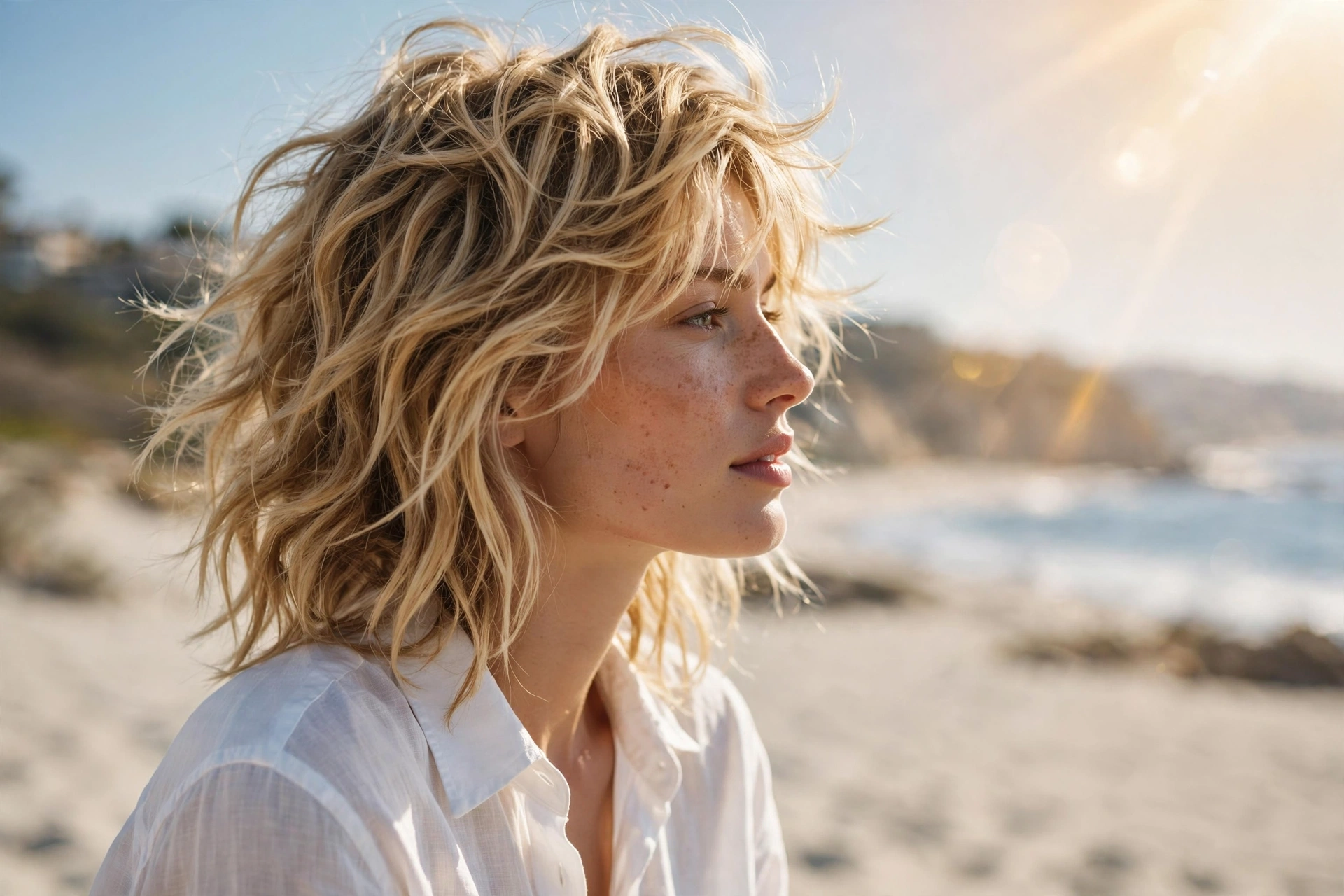
The Curly Blonde Wolf
Curls shrink as they dry, which makes the bangs the risk area, and lightened curls shrink less predictably than virgin ones.Ask for the fringe to be cut dry and longer than your target length. Blonde on curls looks spectacular because every curve catches light differently, but the combination of lifting and layering is demanding, so a bond treatment at every appointment is not optional.
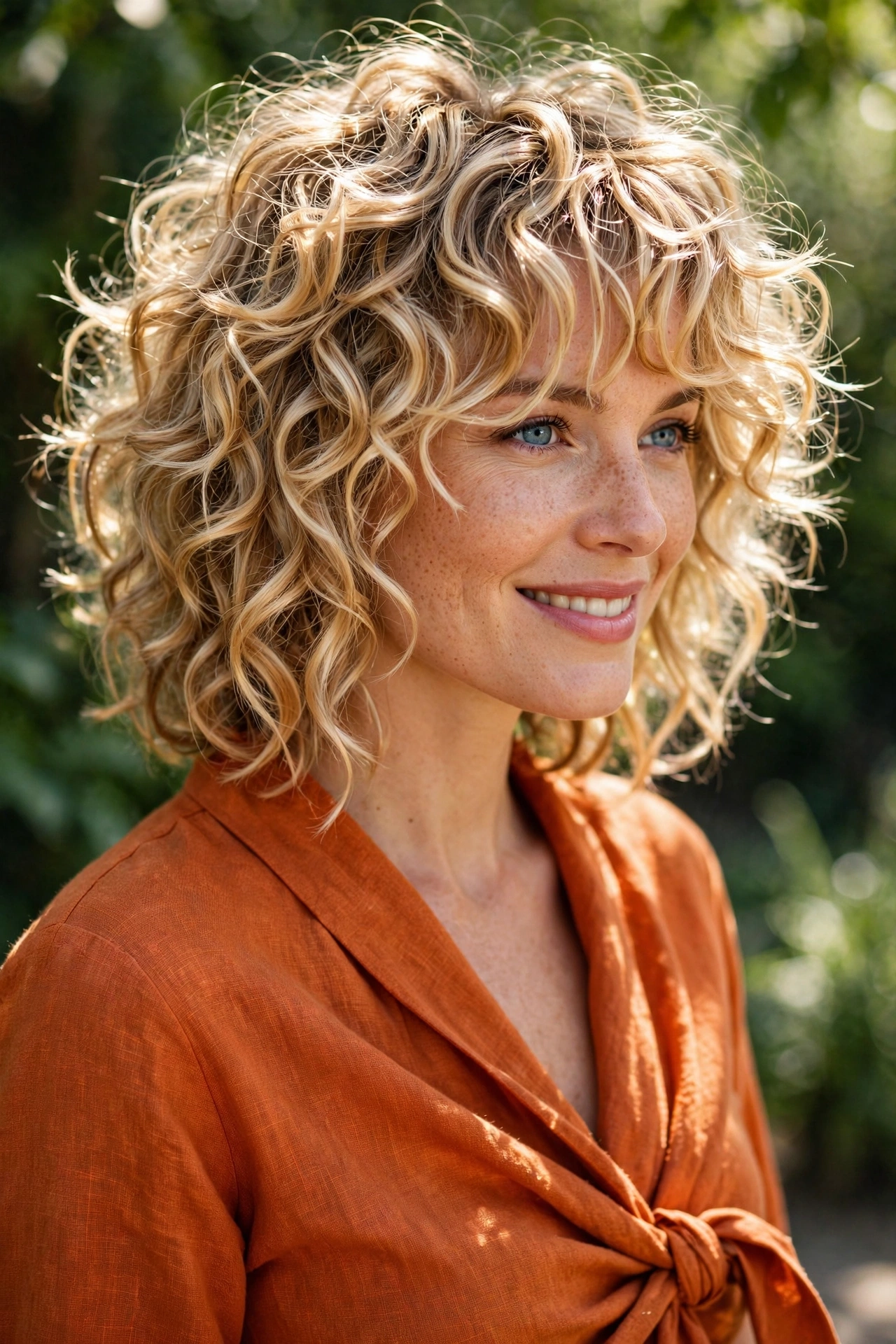
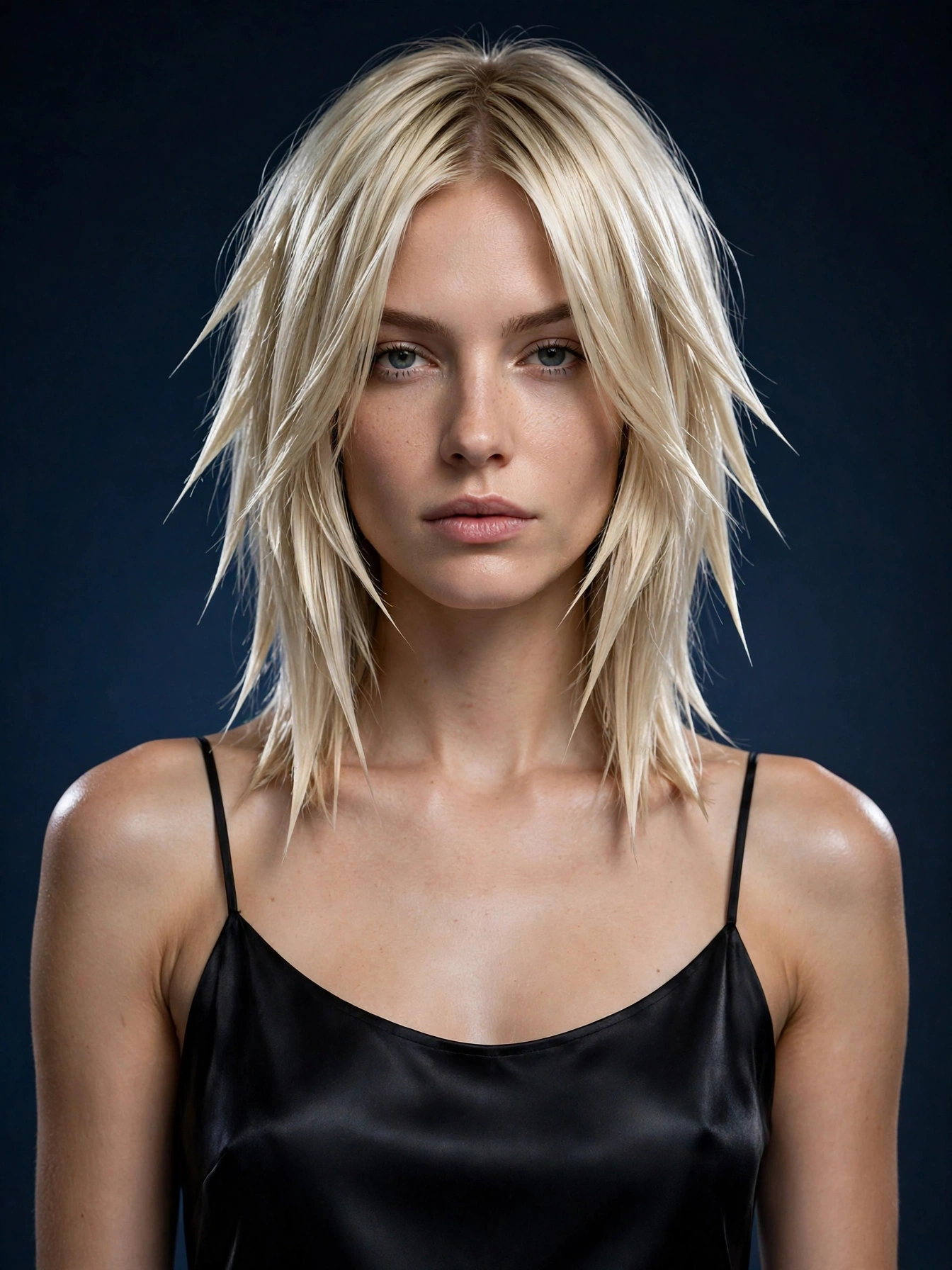
The Sleek Straight Blonde Wolf
Glass-smooth blonde with visible layer separation reads polished and slightly editorial. Shine carries it, so a gloss every six to eight weeks is what keeps the reflect strong. Keep heat tools below 350°F, since lightened hair tolerates far less than natural hair does.
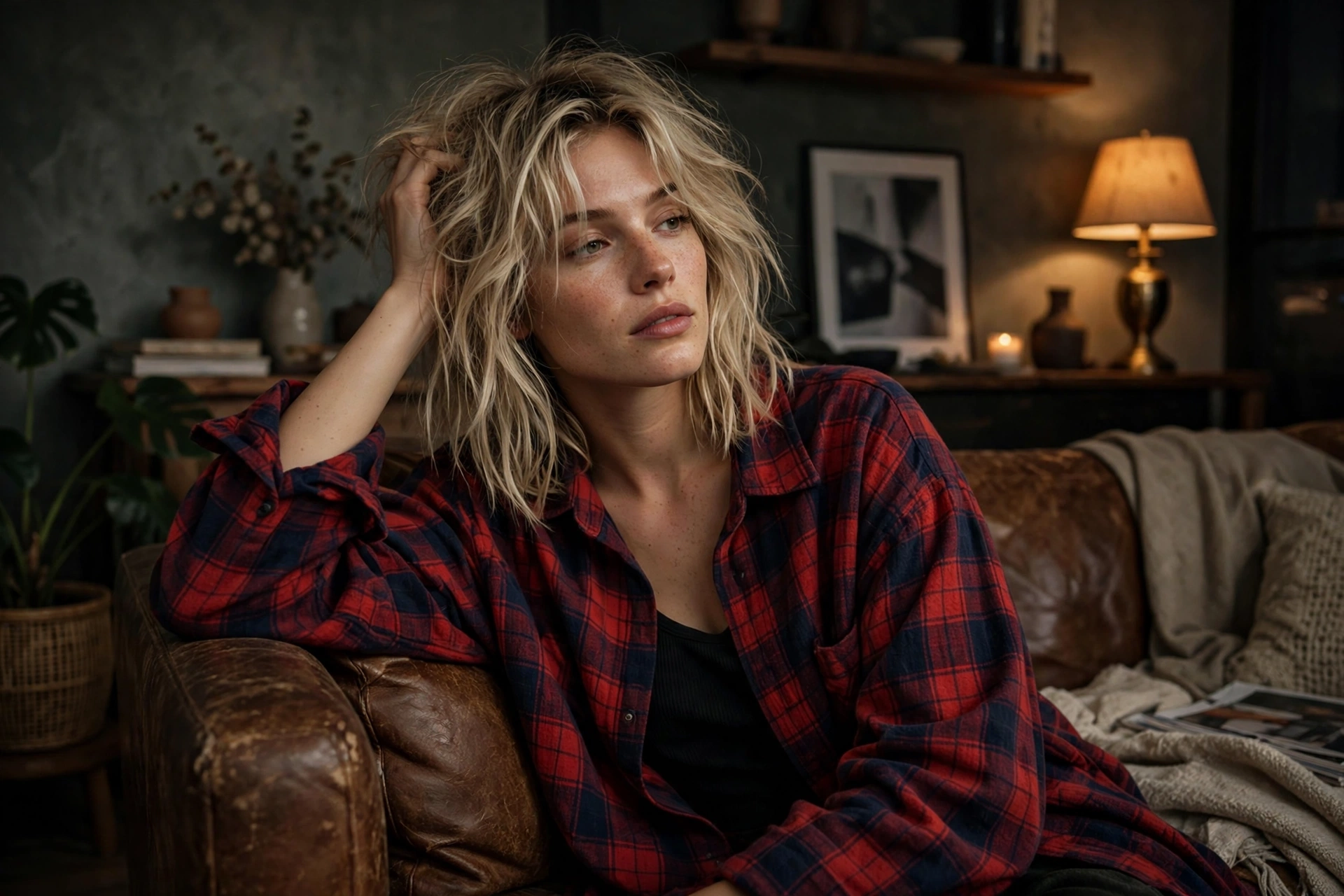
The Air-Dried Undone Blonde Wolf
Why is this the version everyone actually wears? Because the cut was designed for it and blonde makes undone look intentional rather than unmade.Texture spray or powder on damp hair gives piecey definition with a matte finish. Skip the heat entirely on days you can, which your lightened ends will thank you for.
What Blonde Changes About a Wolf Cut
Most roundups treat the colour and the cut as separate decisions. They interact more than people expect.
Bleach and Razors Are a Difficult Combination
Wolf cuts are traditionally built with a razor for a significant portion of the work, which is what creates the feathered, lived-in ends. Razoring pre-lightened hair is harsher than razoring virgin hair.
Lifting raises and roughens the cuticle. A razor blade then works against an already compromised surface, which is why bleached ends cut this way can look frayed and behave badly within weeks. Tell your stylist your hair is lightened before they pick up a tool. Many will switch to point cutting with shears, which gives a slightly softer result but keeps your ends intact. On a wolf cut, where the ends are meant to be wispy anyway, that trade is usually worth making.
The Ends Are the Most Vulnerable Part
A wolf cut deliberately thins toward the bottom. Those are also the oldest, most processed strands on your head.
That combination means blonde wolf cuts need trimming more often than the same cut on unlightened hair, roughly every six weeks rather than eight. Split ends on wispy layers travel upward faster because there’s less hair mass to slow them down. A weekly bond-building or protein treatment through the ends specifically makes a visible difference.
Cut First or Colour First?
Cut first, in most cases.
Colouring hair you’re about to remove wastes product and money, and damaged ends absorb pigment unevenly, so removing them genuinely improves the tone. The exception is when the colourist needs the extra length to plan placement, particularly with balayage on long hair. Ask which order your salon prefers when you book, and try to schedule both in one visit rather than two.
Matching Shade to Undertone
| Blonde Shade | Best Undertone | Maintenance |
|---|---|---|
| Butter blonde | Warm and neutral | Medium |
| Vanilla silk | Neutral | Medium, low regrowth line |
| Champagne | Cool and neutral | Medium |
| Honey blonde | Warm | Medium |
| Beige and sandy | Neutral and cool | Low |
| Buttercream | Warm and neutral | Medium |
| Mushroom blonde | Cool | Low to medium |
| Ethereal platinum | Cool | Very high, monthly |
Placement Technique by Purpose
| Technique | Touch-Up Window | What It Does on a Wolf Cut |
|---|---|---|
| Halo highlights | 10 to 12 weeks | Lights the crown where short layers sit |
| Money piece | 8 to 12 weeks | Brightens the fringe specifically |
| Balayage | 10 to 14 weeks | Makes every layer visible as it moves |
| Foilayage | 8 to 10 weeks | More lift, still blended |
| Root smudge | 12 weeks plus | Adds crown density, stretches appointments |
| Gloss only | 6 to 8 weeks | Refreshes tone between full appointments |
Blonde Maintenance That Actually Matters
Chlorine turns blonde green faster than almost anything, and a single unprotected swim can undo weeks of toning.
Apply a leave-in conditioner as a barrier before swimming, and rinse immediately afterwards. Beyond that: a toner or gloss every six to eight weeks depending on shade, purple shampoo used weekly rather than daily since overuse turns blonde dull and lilac, heat protectant every single time, and a bond-building treatment fortnightly. UV protection through summer matters too, because sun lifts blonde unevenly and the crown layers of a wolf cut sit most exposed.
Cost Stacking
Blonde plus a specialist cut plus a gloss adds up faster than most people budget for. A full blonde service typically runs $150 to $350 depending on your starting shade and city, with a wolf cut adding $60 to $130 on top. Glosses between appointments run $40 to $80. Anyone on a tighter budget should consider a money piece or halo highlights instead of full-head blonde, both of which deliver visible brightness for considerably less and put the colour exactly where the cut needs it.
Final Thoughts
A blonde wolf cut with bangs works because the colour and the cut are solving the same problem from different directions. The layers create movement, and the blonde makes that movement visible. Get the shade dimensional rather than flat, place the brightness at the crown and the fringe where the cut is most interesting, and the result looks effortless in a way that takes real planning behind the scenes.
Warm, creamy blondes are where the industry has landed, so this is a good year to go butter, vanilla or champagne rather than icy. Tell your stylist your hair is lightened before they reach for a razor. Trim every six weeks rather than eight, because lightened wispy ends deteriorate faster. Book a gloss halfway between colour appointments.
Save the shades and placements that caught your eye and take them to a consultation together, not separately. The colourist and the stylist should be planning around each other, and on this combination that coordination shows in the result.
Frequently Asked Questions
Which blonde shade suits a wolf cut best?
Dimensional warm blondes like butter, champagne and honey, because they create natural shadow between the layers. Flat single-process blonde makes wolf layers look like uneven lengths rather than a deliberate shape. Halo highlights at the crown are the single best placement for this cut.
Is a razor safe on bleached hair for a wolf cut?
Less so than on virgin hair. Lifting roughens the cuticle, and razoring works against that already compromised surface, so bleached ends can fray within weeks. Tell your stylist your hair is lightened and ask for point cutting with shears as a gentler alternative.
How often does a blonde wolf cut need trimming?
Roughly every six weeks, which is more frequent than the same cut on unlightened hair. The wispy ends of a wolf cut are the oldest and most processed section, and split ends travel upward faster there because there’s less hair mass to slow them down.
Should I colour or cut first?
Cut first in most cases, since coloering hair you’re about to remove wastes product and damaged ends absorb pigment unevenly. The exception is balayage on long hair, where the colourist may want the extra length to plan placement. Ask your salon which order they prefer.