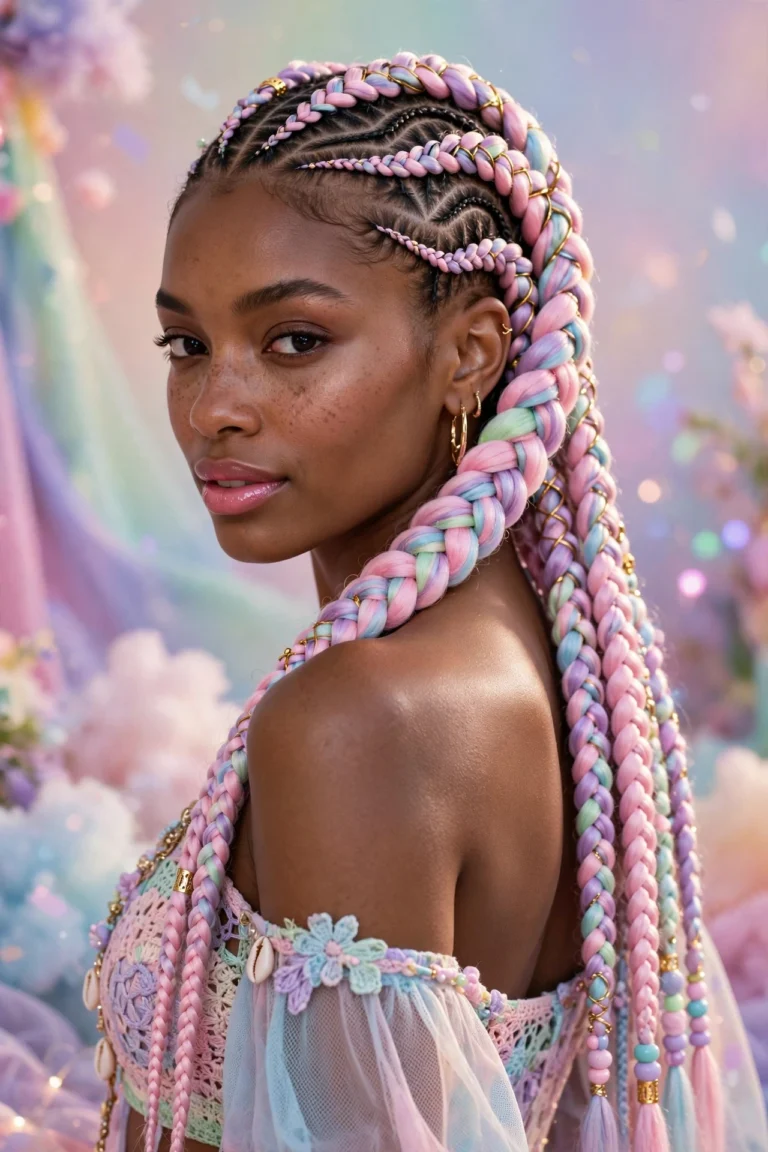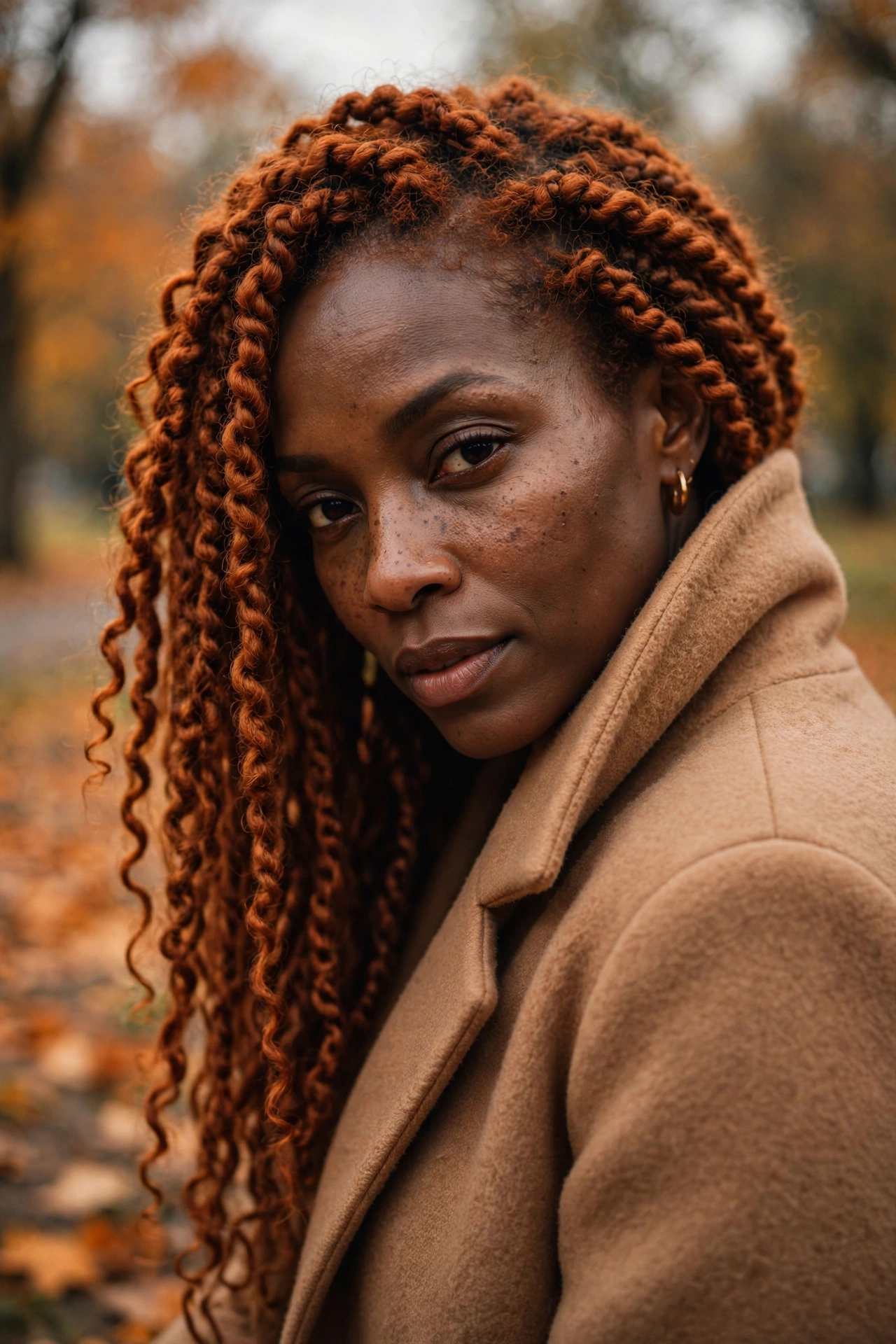
20 Twist Braids Hairstyles That Are Stylish and Protective
Choosing between twist styles is harder than choosing whether to get them. Twist braids cover at least five distinct techniques, each using different extension hair, each behaving differently on your head, and the names get used interchangeably by people who should know better. Senegalese, Marley, Havana, passion, spring. Understanding the difference before you sit in a salon chair for six hours is the single most useful thing you can do.
What unites them is the protection. Tucking your natural hair away from daily manipulation, heat and weather is what allows length retention to actually happen, and twists deliver that while staying lighter and gentler on the scalp than most braided alternatives. Passion twists in particular were created relatively recently, in 2018, by Miami-based hairstylist Kailyn Rogers, who wanted something natural-looking and easy to maintain that still felt elegant.
Twenty styles follow, starting with the foundational types and moving through sizes, styled looks and colour.
The Five Main Types of Twist Braids
Everything else on this list is a variation of one of these. Get this section right and the rest becomes straightforward.
Senegalese Twists
Senegalese twists, also called rope twists, are made with smooth Kanekalon hair wrapped around two sections from root to tip, producing a sleek, rope-like finish. The silky texture is what gives them their distinctive shine and uniformity. Installation typically takes around six hours, sometimes longer depending on length and thickness. X-pression and Sensationnel are the brands most stylists reach for.
Marley Twists
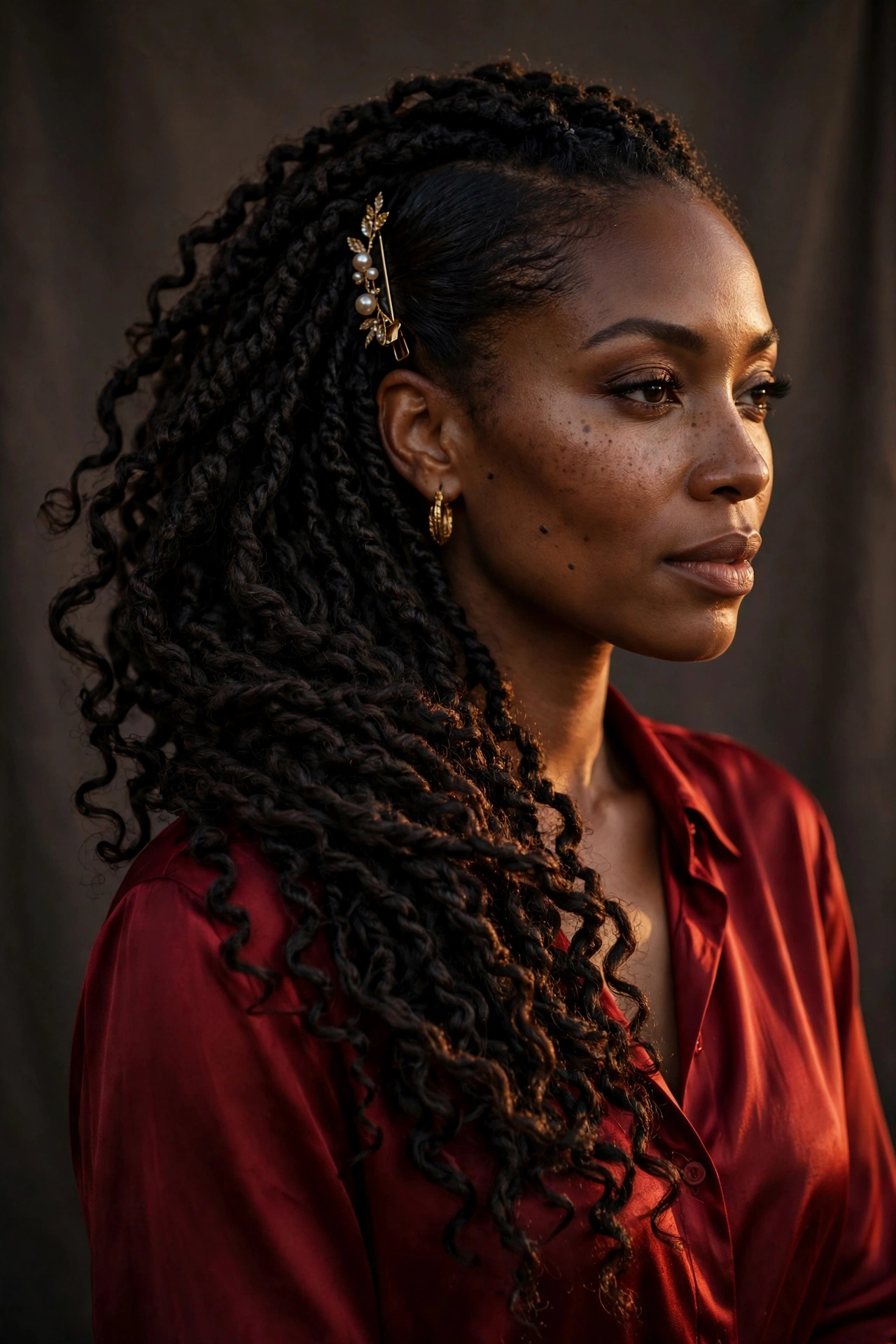
Bob Marley’s locs gave this style its name, and the resemblance is the entire point. Marley hair is coarser and kinkier than Kanekalon, so the finished twist mimics natural type 4 texture rather than relaxed hair. The result looks noticeably more natural and requires less manipulation to maintain. Expect five to six packs of hair at roughly $5 to $6 each, and three to six hours in the chair. Tessa Thompson’s half-up Marley twists, styled by Lacy Redway, are a good reference for how the texture reads when worn partially up.
Passion Twists
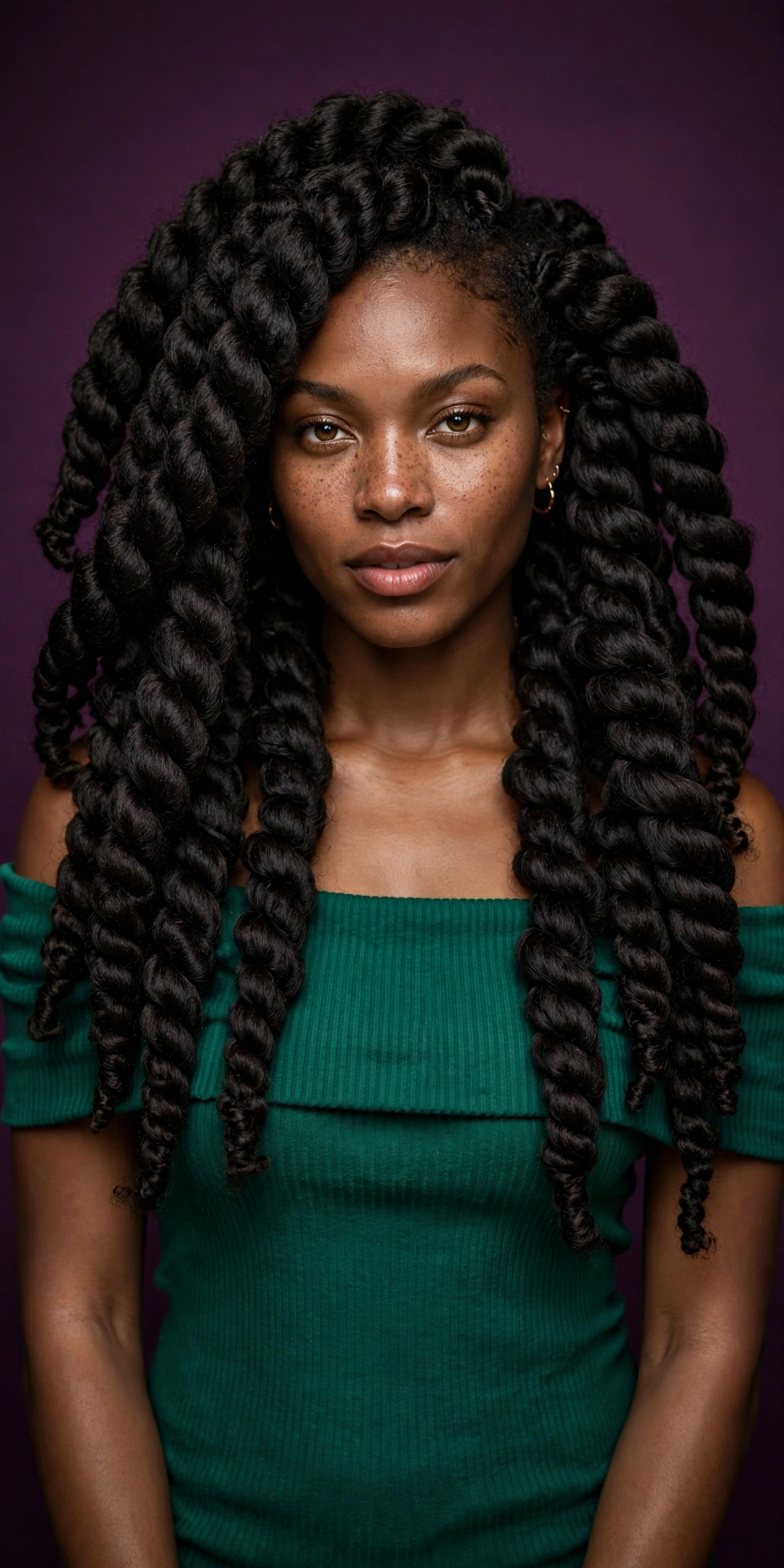
What actually separates passion twists from Senegalese twists? Only the hair. Dr. Kari Williams, a licensed trichologist and celebrity hairstylist who owns Mahogany Hair Revolution in Los Angeles, has made exactly this point: the extension texture is the only real difference between the two. Passion twists use Freetress water wave hair, which brings the curly, slightly undone texture and the boho feel. They’re also the lightest of the major twist styles, which matters enormously if you’ve found box braids or Senegalese twists too heavy.
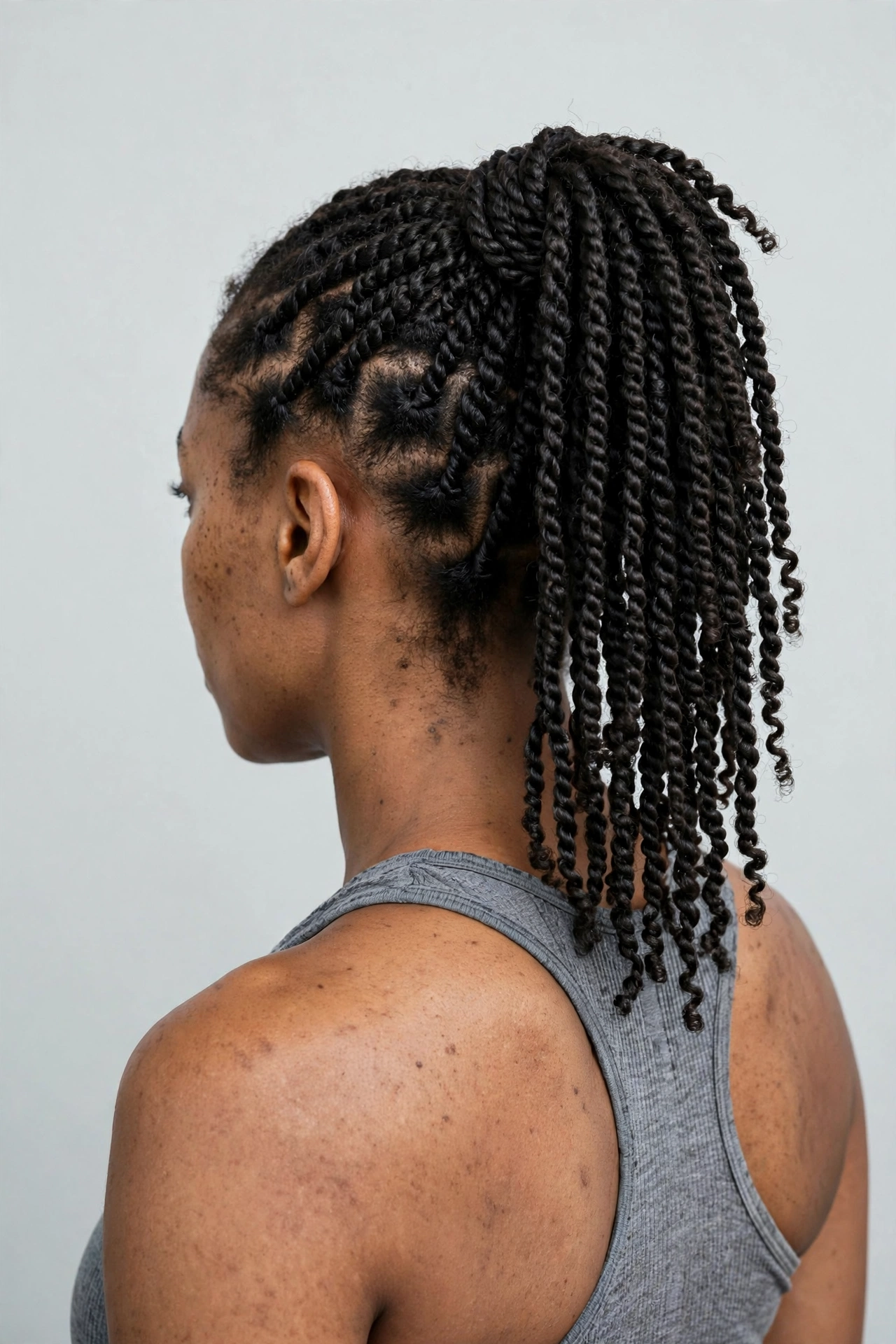
Havana Twists
Thicker and chunkier than Marley twists while using similar textured hair, Havana twists deliver serious volume with fewer individual sections. Fewer twists means faster installation, often two to three hours less than Senegalese. The trade-off is weight, since each twist carries more hair, so a knotless or low-tension base matters here.
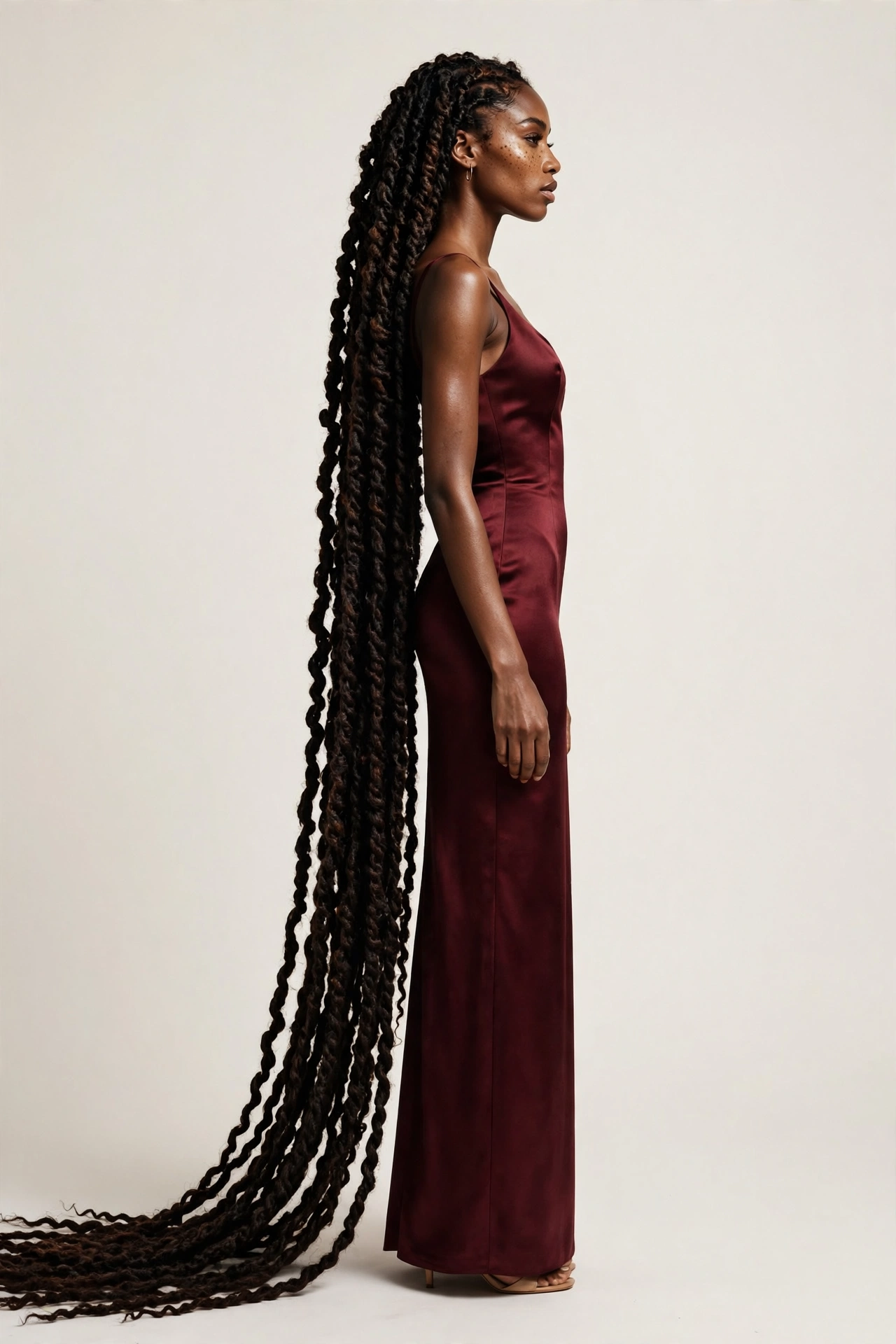
Spring and Kinky Twists
Springy, coiled and bouncy, spring twists use a tighter curl pattern that creates noticeably more movement than the smoother styles. They install quickly, they’re light, and they suit anyone wanting something playful rather than sleek. Shorter lengths particularly suit this texture, since the coil naturally shortens the visual length anyway.
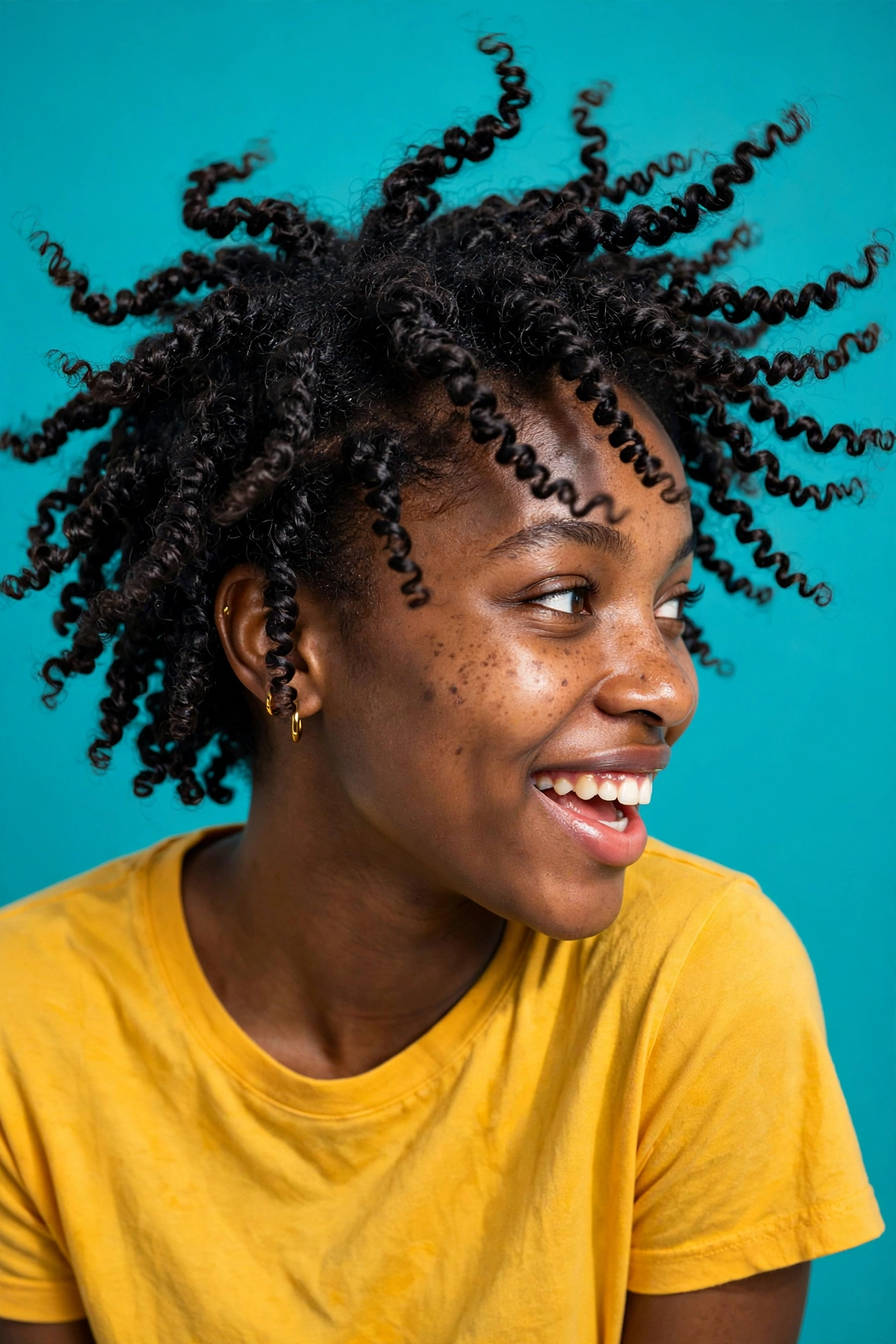
Twist Sizes and Lengths
Size changes the install time, the cost, the weight and the lifespan. These five cover the practical range.
Jumbo Twists
Two to three times thicker than standard twists, jumbo versions cut installation time dramatically while making a genuinely bold statement. Fewer parts also mean less scalp exposure and less time in the chair, sometimes finishing in two to three hours. What you gain in speed you pay for in weight per section, so ask specifically for a low-tension install. Anyone with a fine or fragile hairline should think carefully before choosing jumbo anything.
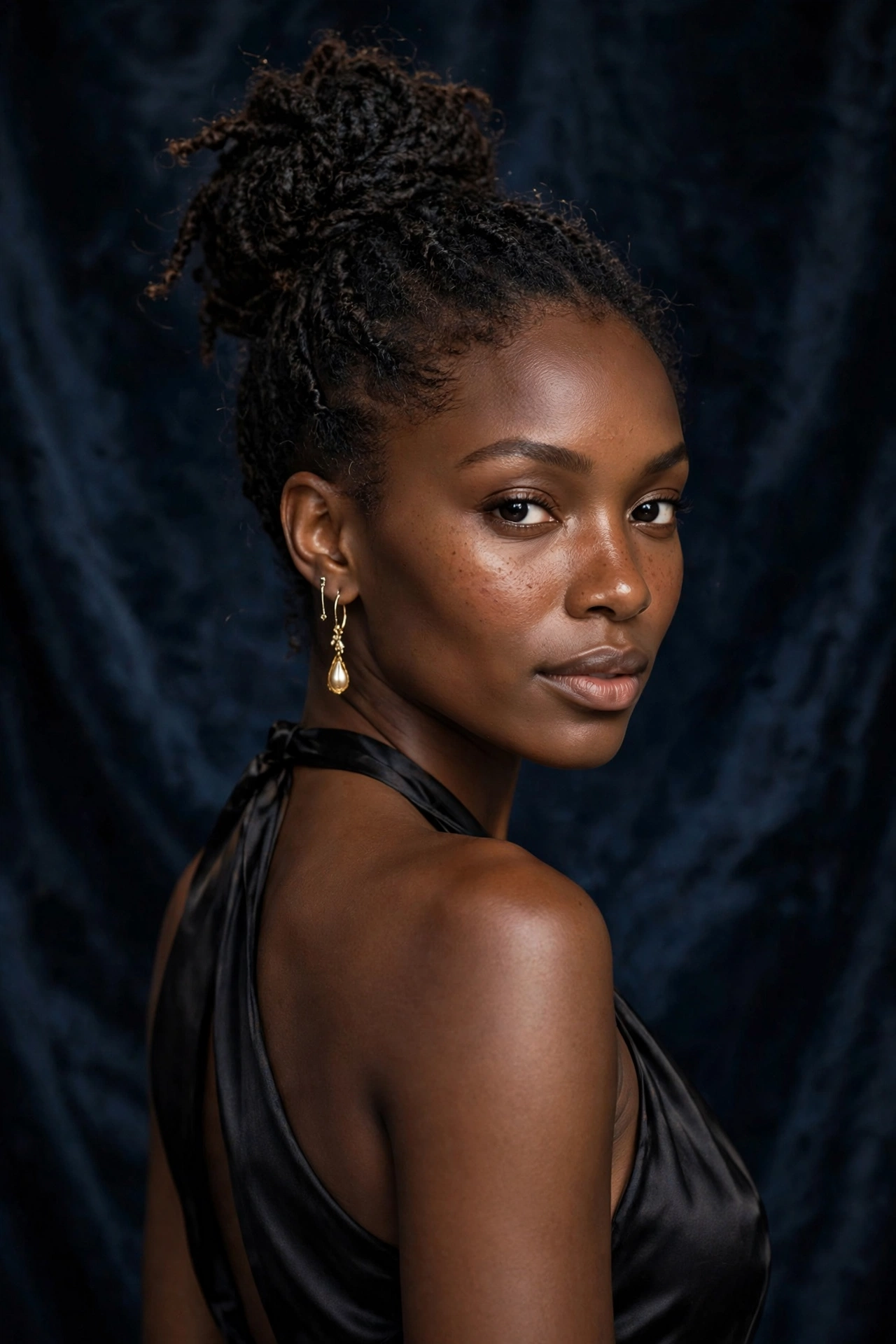
Mini Twists
Small twists across the whole head produce a detailed, natural-looking finish that most closely resembles your own hair. Time is the honest cost here, often eight hours or more for a full head. What you get back is versatility, since mini twists can be pinned, gathered or worn in any updo without looking bulky. They also blend most convincingly with your natural texture at the roots.
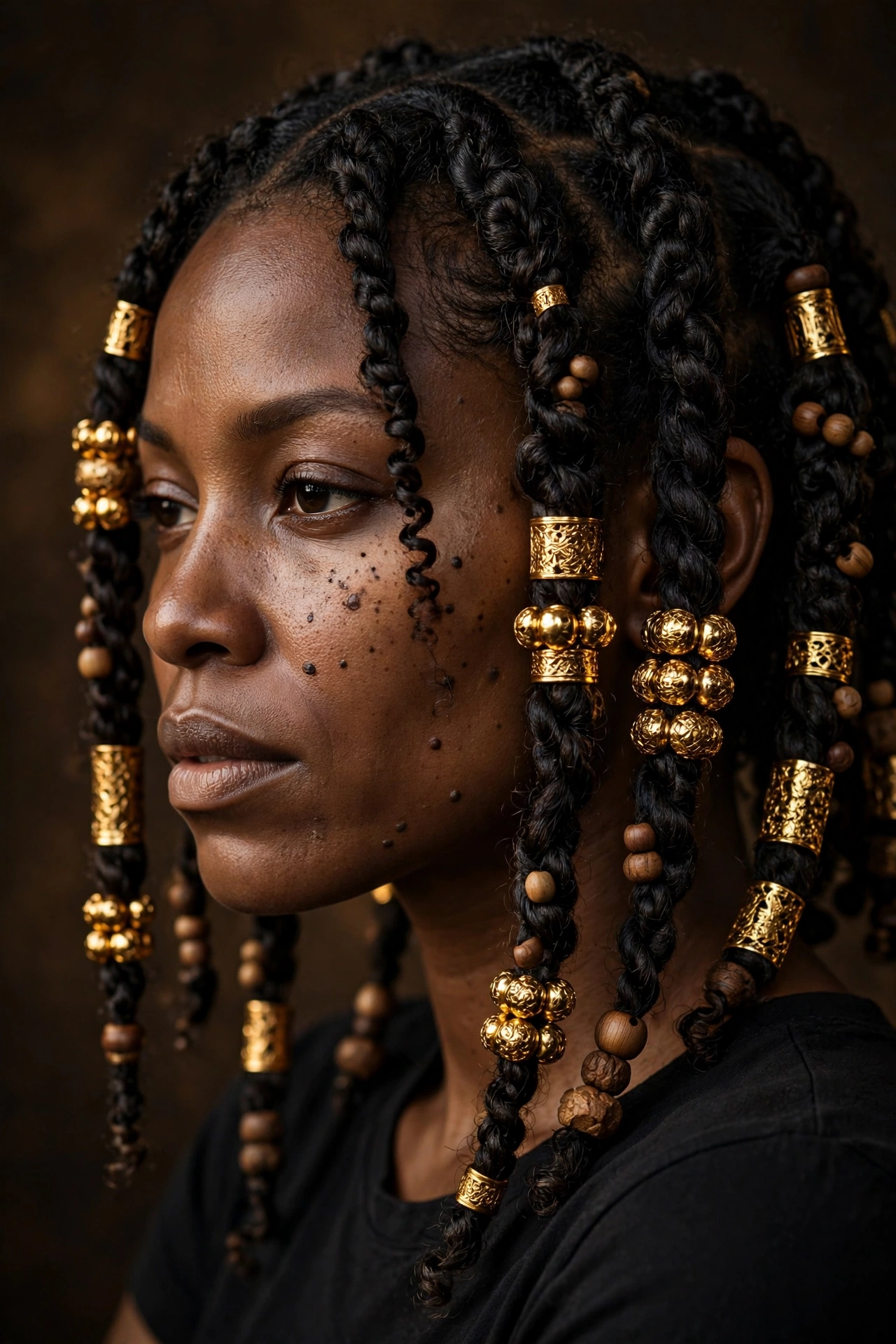
Bob-Length Twists
Cutting the install to chin or shoulder length reduces the weight dramatically while keeping every bit of the texture. Why bob-length works so well:
- Far less tension on the follicles than waist-length
- Faster installation and lower cost
- Light enough to sleep in comfortably from night one
- Suits heart and oval faces particularly well
- Easier to wash and dry thoroughly
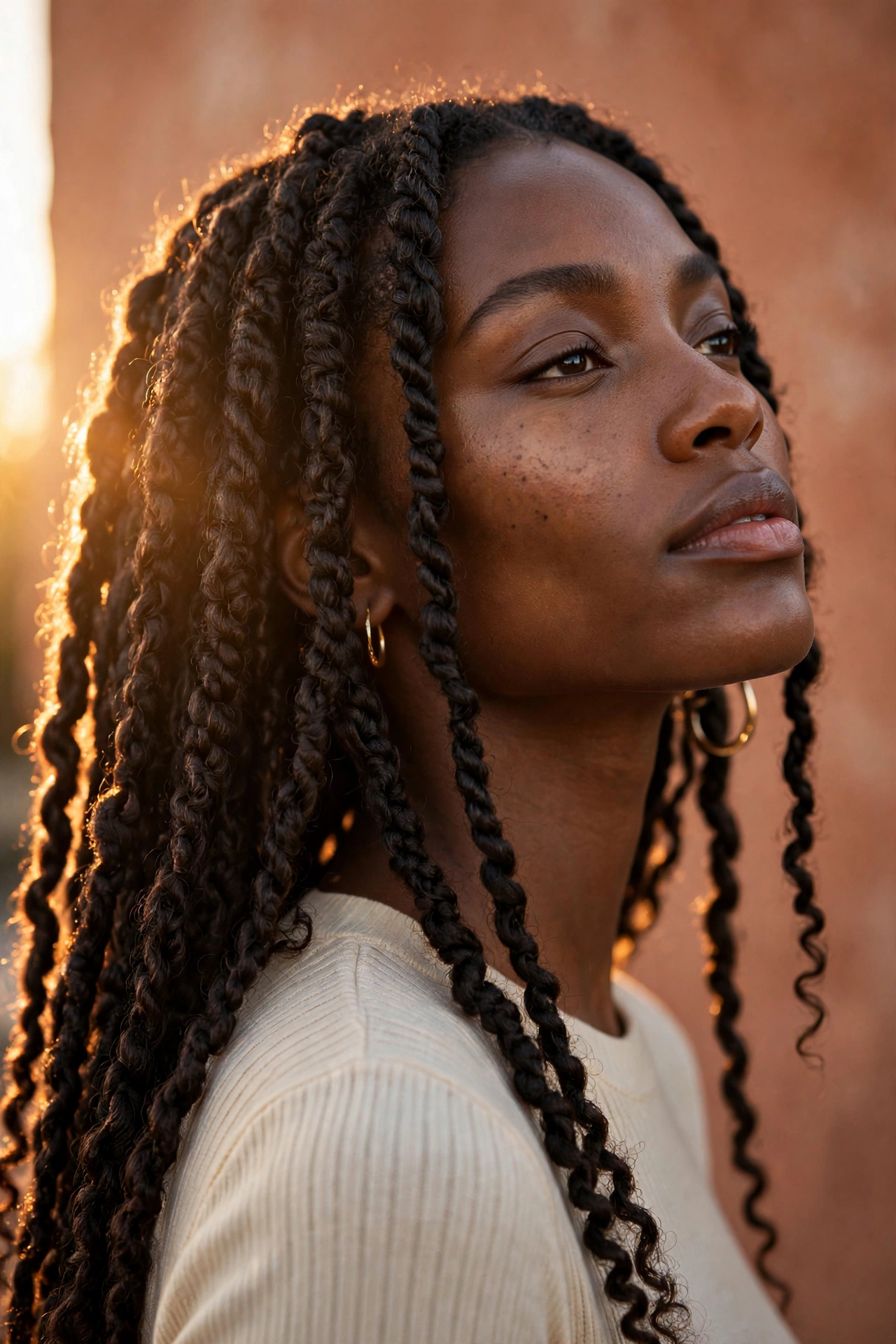
Waist-Length Twists
Long twists deliver drama, and there’s no substitute for that sweep of length when you turn your head. Clip-in additions can supplement if your natural length falls short. The realistic warning is weight and time, since waist-length installs cost more, take longer and put considerably more strain on your scalp across six weeks.
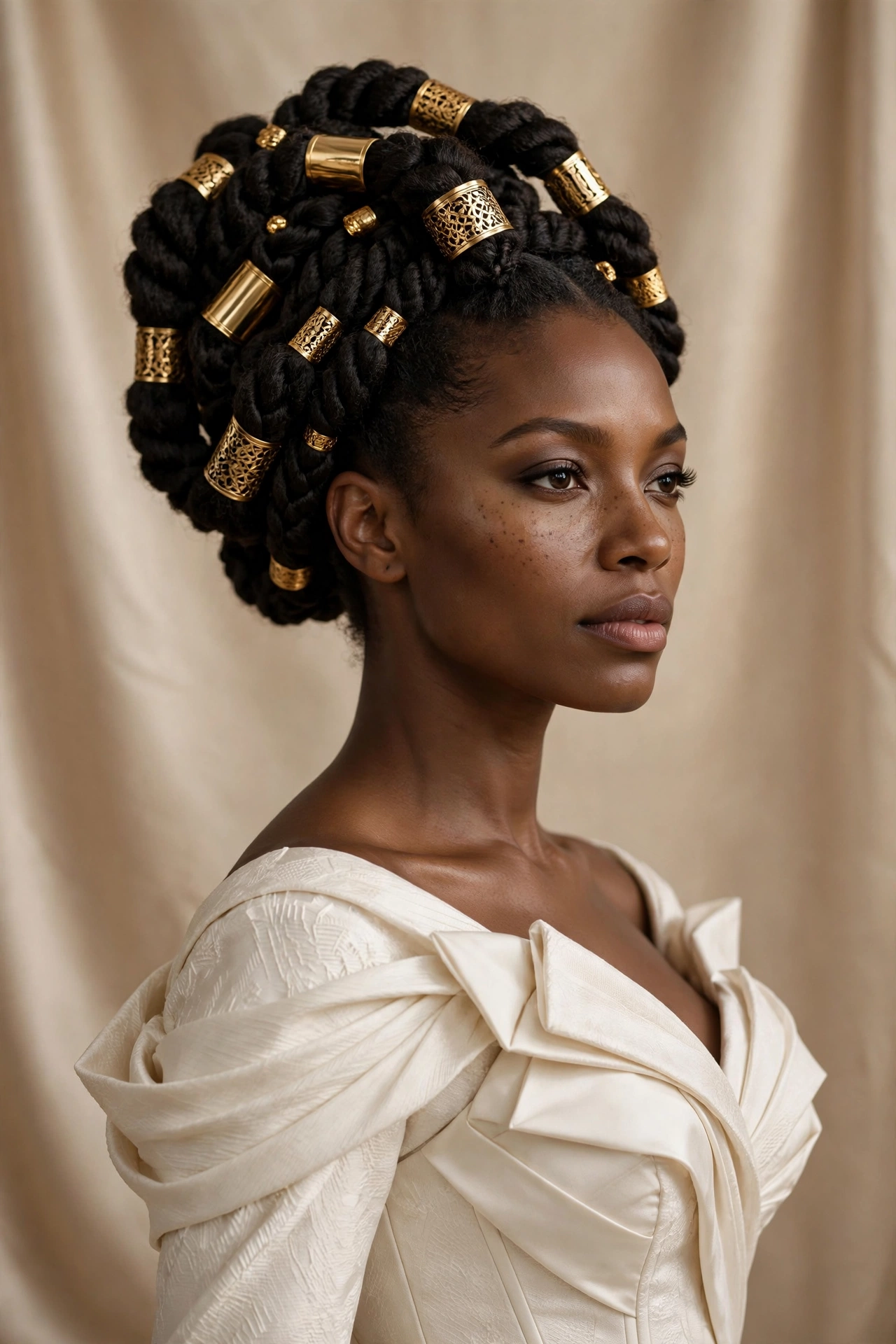
Short Passion Twists
Installing far faster and using considerably less braiding hair, short passion twists save both time and money while delivering excellent movement and bounce. Natural-coloured extensions look most convincing at this length. It’s the most budget-friendly entry point into twists, and a sensible first attempt if you’ve never worn a protective style for weeks at a time.
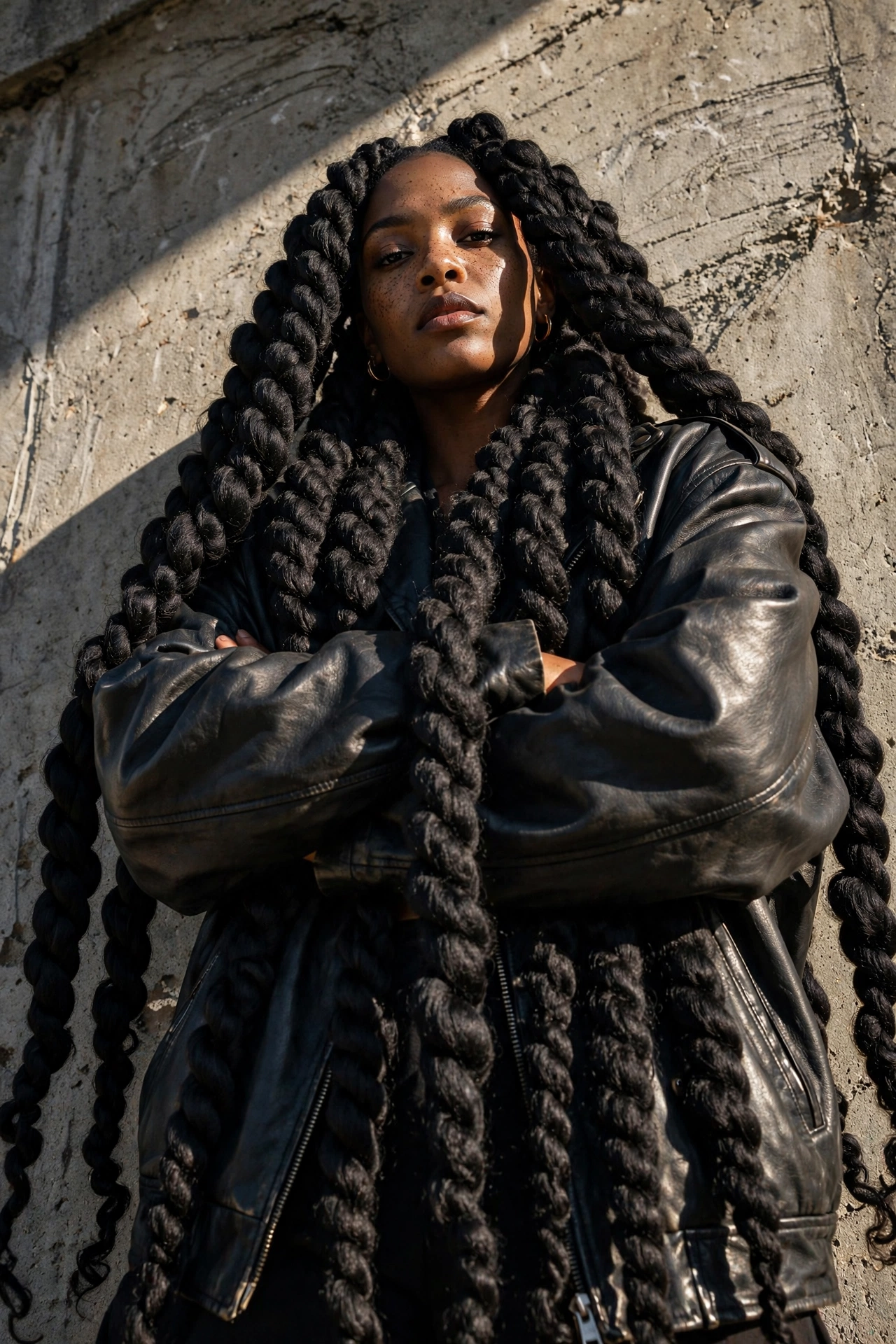
Styling Your Twists
Once installed, twists are genuinely versatile. These five looks take minutes rather than hours.
The High Bun with Twists
Can twists really hold a bun without looking bulky? Yes, and the shape is one of the most flattering options available. Gathering everything high and coiling it into a knot lifts the face and keeps the weight off your neck. It works for the office, a wedding or a formal event without any adjustment. Secure with a fabric-covered band rather than anything with metal, and pin the coil rather than wrapping the band repeatedly.

Half-Up Half-Down Twists
Redway’s approach to Tessa Thompson’s half-up Marley twists is worth borrowing: she deliberately avoided making the partial updo too symmetrical. That asymmetry is what keeps a half-up style from looking stiff. Gather slightly off-centre, leave a few twists loose around the face, and let the arrangement look unplanned. Half-up also puts less tension on the scalp than a full updo, since only part of the hair carries weight.
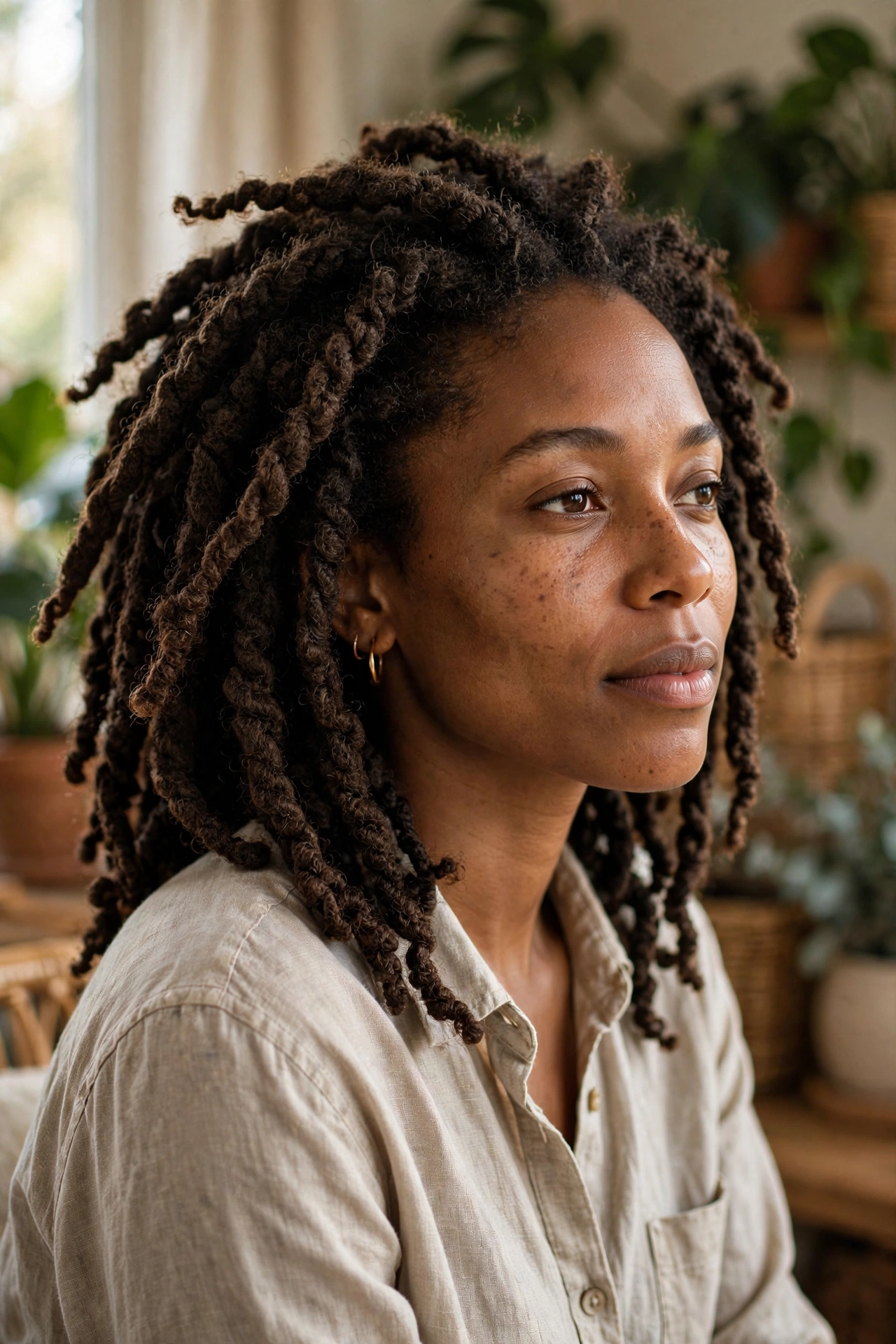
The Twist Ponytail
Sixty seconds. That’s the whole time investment, which is why this becomes most people’s default by week three. Gathering the twists into a high or low ponytail keeps them controlled and off your face. Take two twists from the underside and wrap them around the base to hide the elastic, which is the detail that makes it look styled rather than functional.
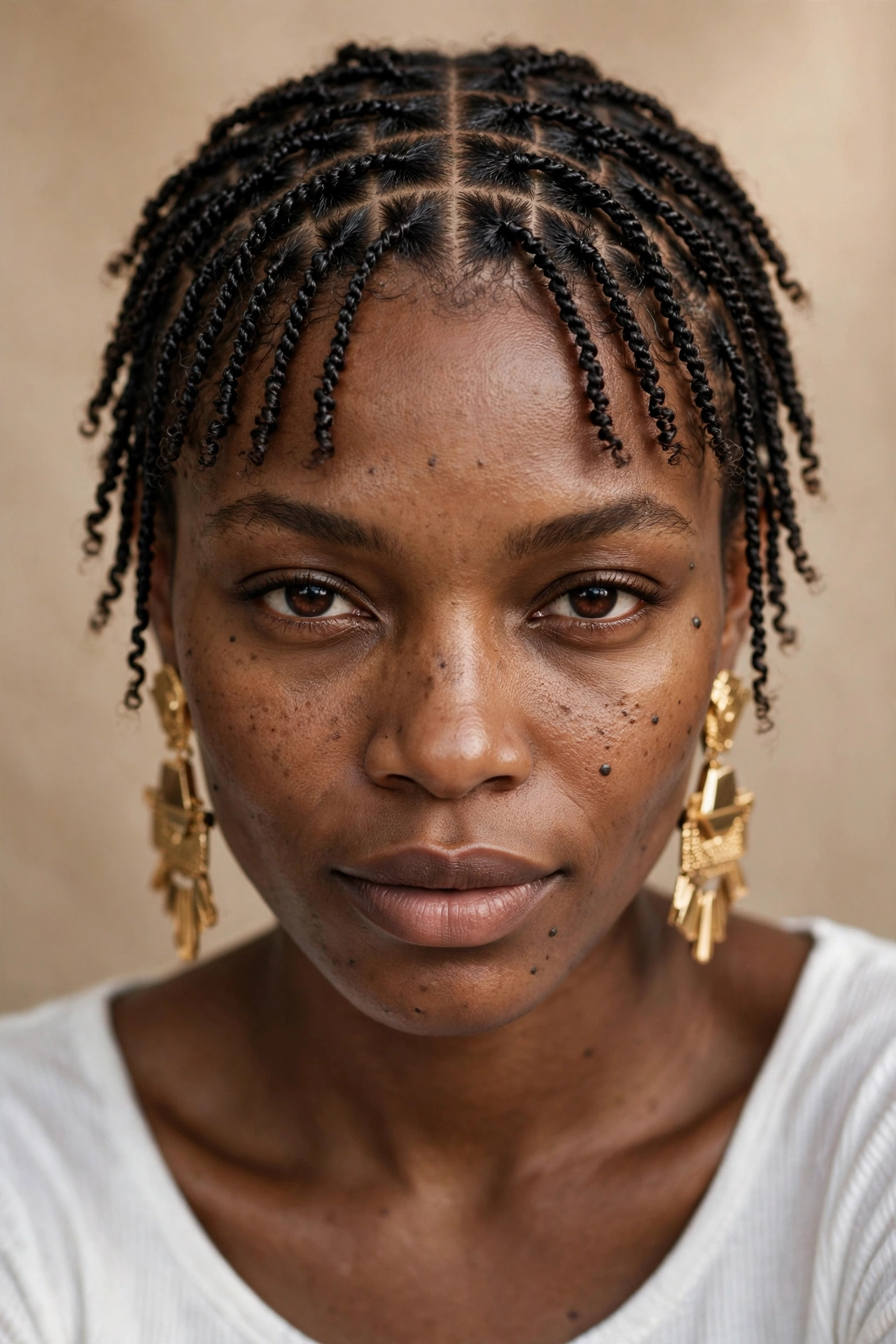
The Braided Twist Updo
Braiding several twists together before pinning creates a sculptural updo with real structure, and the texture makes it look far more intricate than the effort suggests. Formal events suit it particularly well. Decorative pins and gold cuffs anchor easily into the braided sections without slipping.
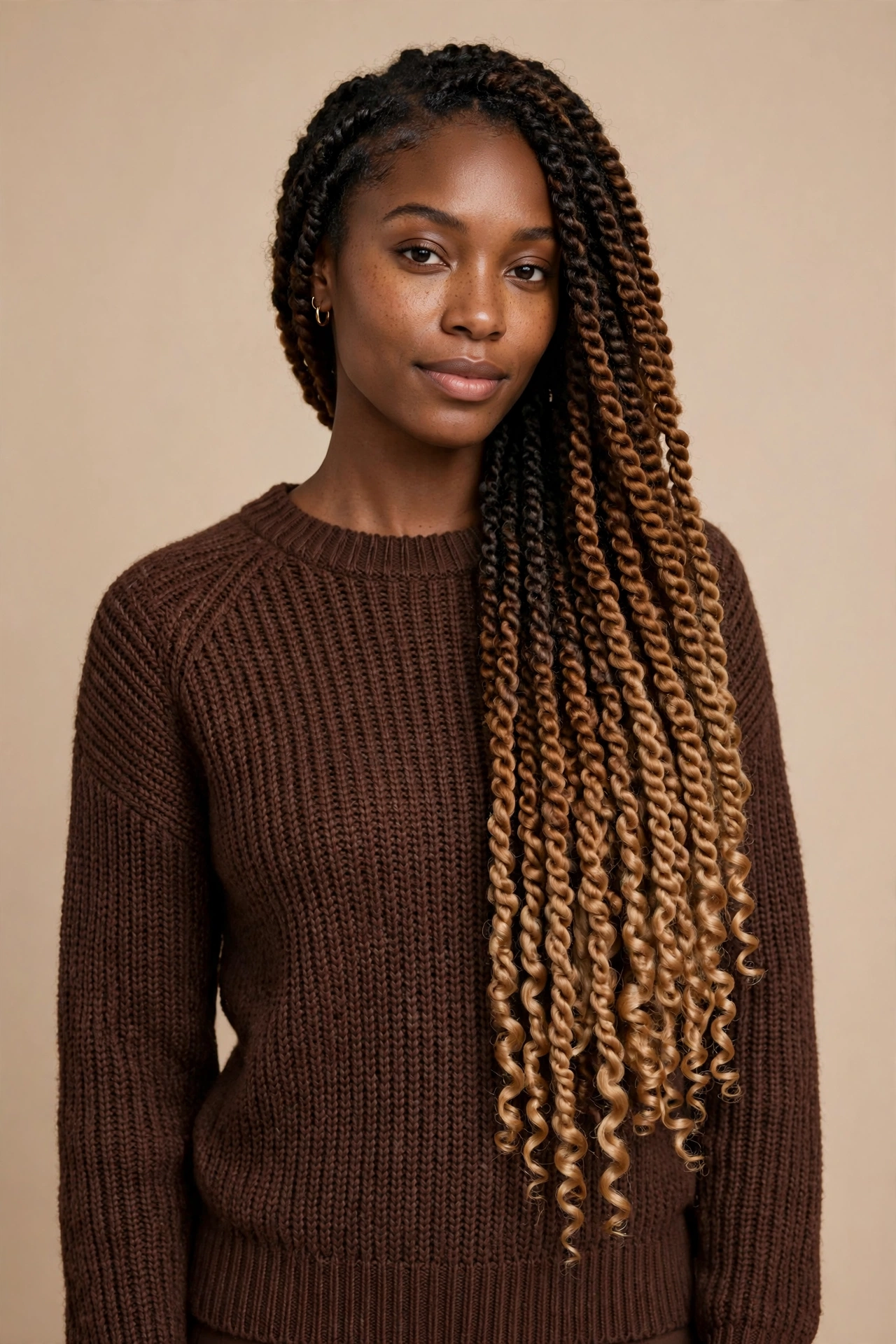
Side-Swept Twists
Flipping all the twists over one shoulder instantly adds shape at the front and creates an asymmetric line that flatters a square jaw. Pin the sparse side back with two or three bobby pins near the temple so the sweep holds through the day rather than gradually redistributing itself.
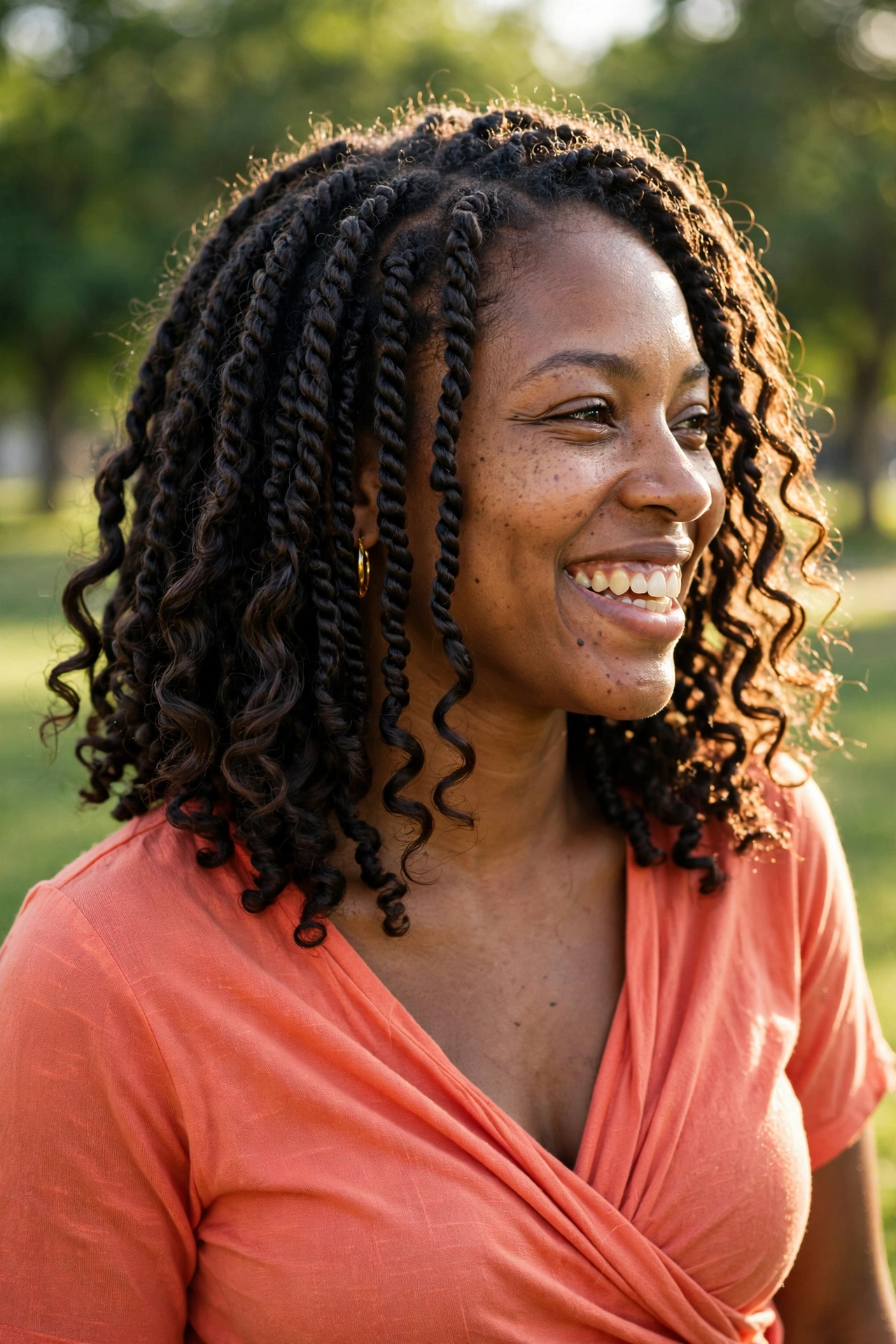
Colour and Detail Variations
Honey Blonde Twists
Warm blonde extensions against dark roots brighten the complexion noticeably and read especially well on passion and Marley textures. Mixing two blonde shades rather than using one flat colour creates far more dimension. Colours 27 and 613 blended together is the combination most stylists reach for, and the result looks sun-lightened rather than obviously synthetic.
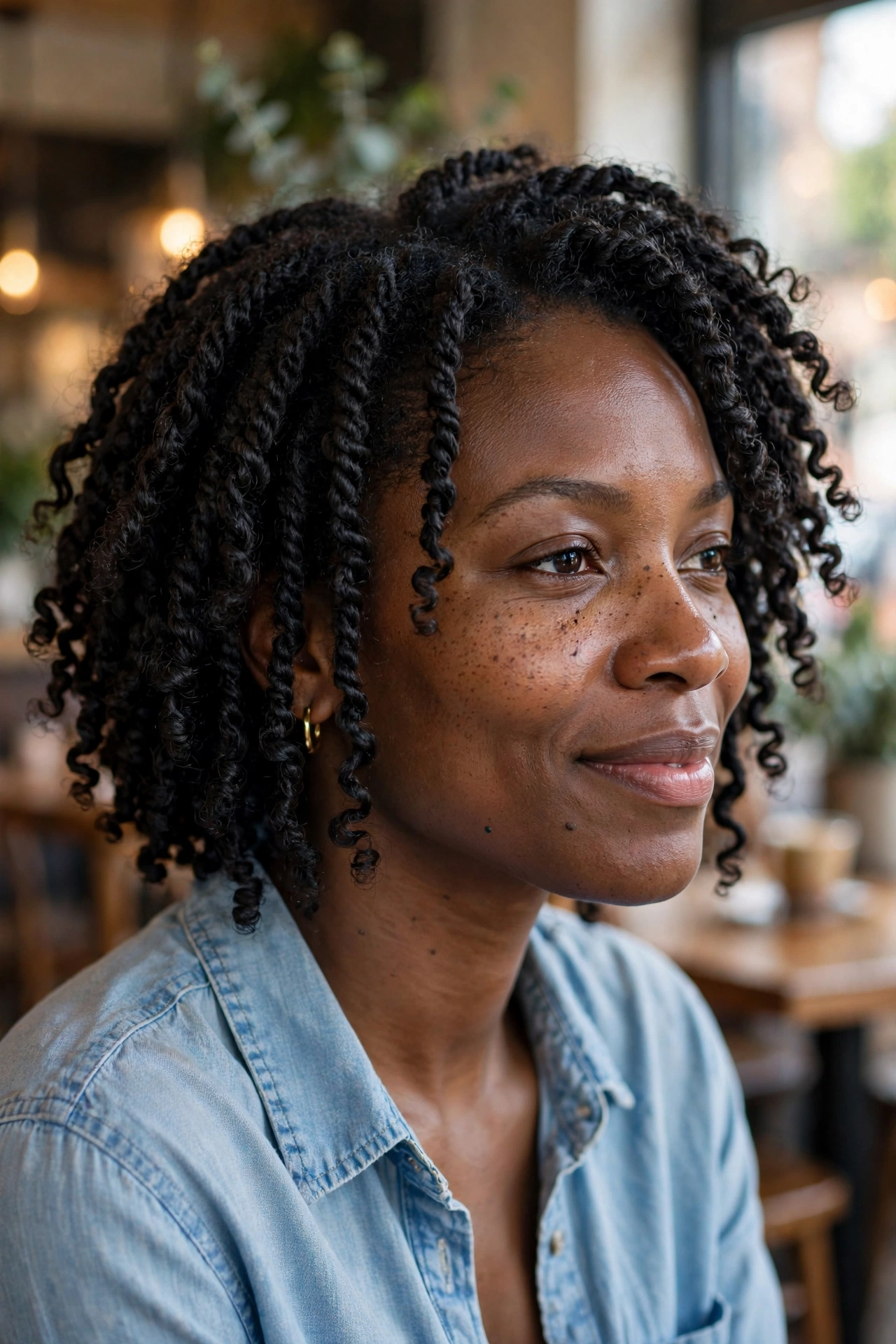
Burgundy and Red Twists
The coily texture of passion twists shows off colour better than smoother styles, because the wrap catches light from multiple angles. Practical points before you buy:
- Rinse new coloured hair in cool water before installation
- Deep reds can transfer onto light clothing when new
- Burgundy flatters deeper skin tones exceptionally well
- Copper and amber read warmer and suit autumn styling
Naomi Osaka’s long amber-red passion twists are a strong reference for how well warm tones work on this texture.
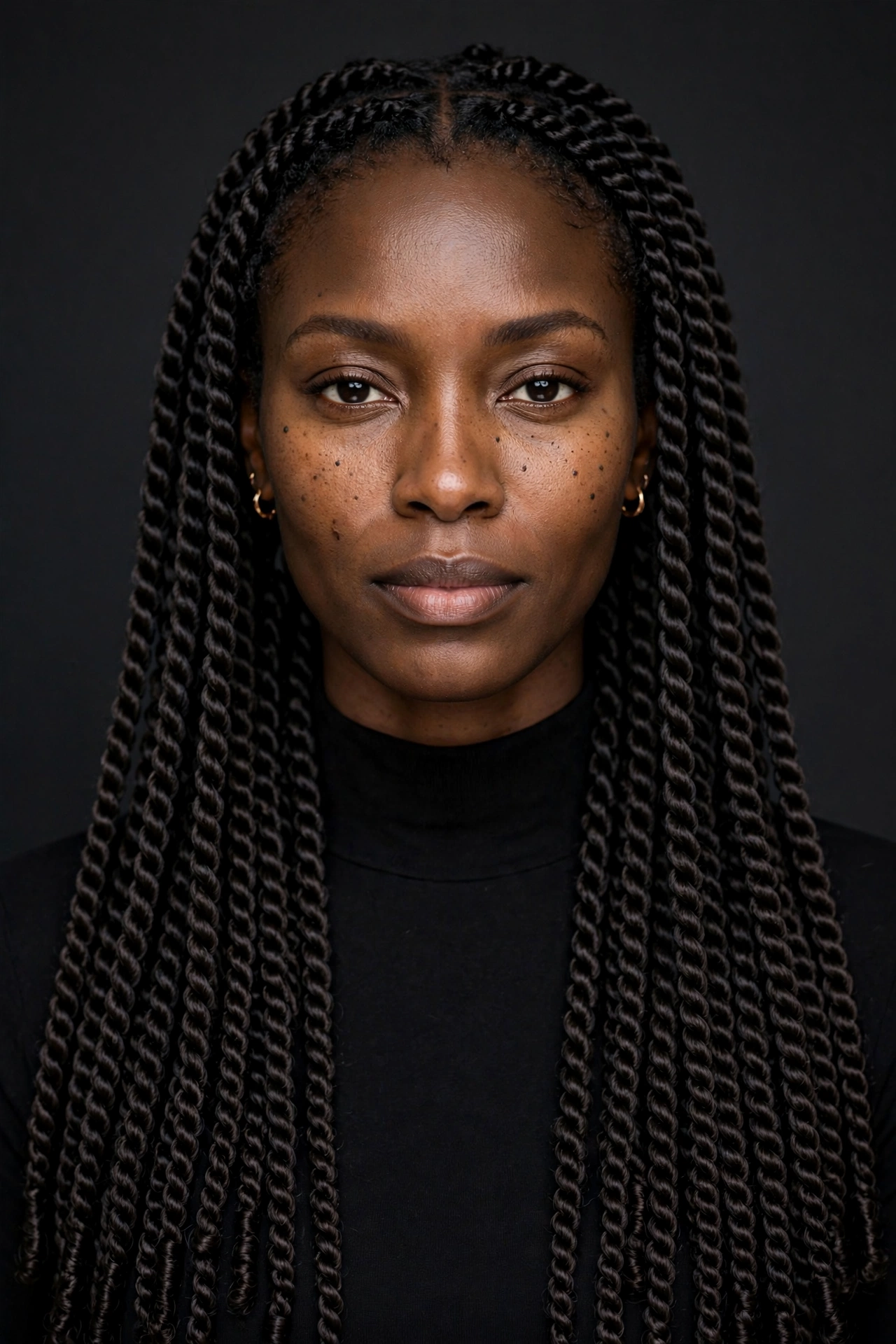
Ombré Twists
Gradual transition from dark roots to lighter ends gives you dimension that a solid colour cannot produce. Longer installs display ombré best, since the gradient needs length to develop properly. It also grows out gracefully, because there’s no obvious regrowth line when your roots are already the darker shade.
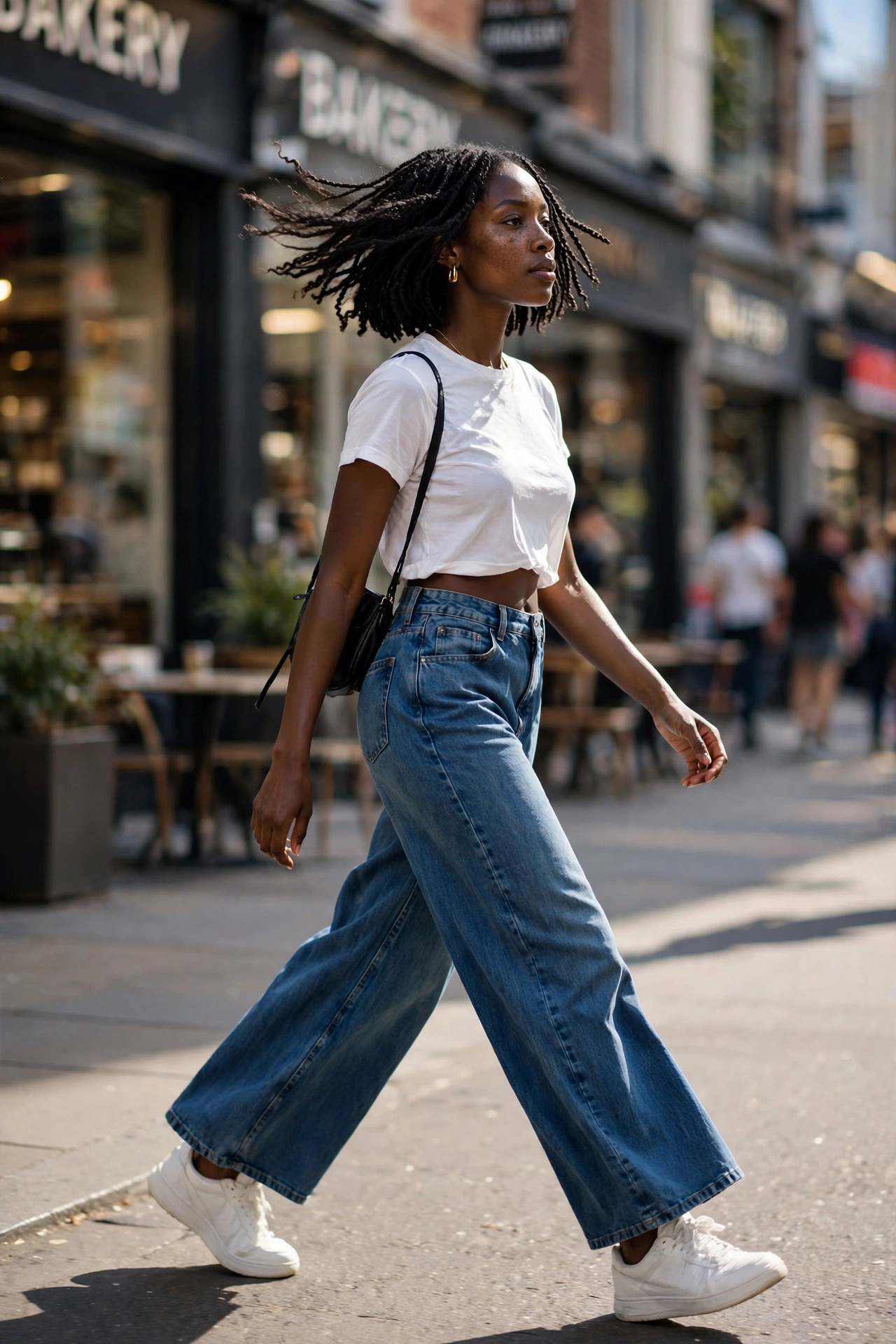
Twists with Cuffs and Beads
Gold cuffs, wooden beads and decorative rings turn a plain install into something considered. Cluster three or four cuffs on a small number of twists near the face rather than distributing them evenly across your whole head. That concentration creates a focal point, and it keeps the overall weight manageable. Cuffs also weigh less than beads, which matters across six weeks.
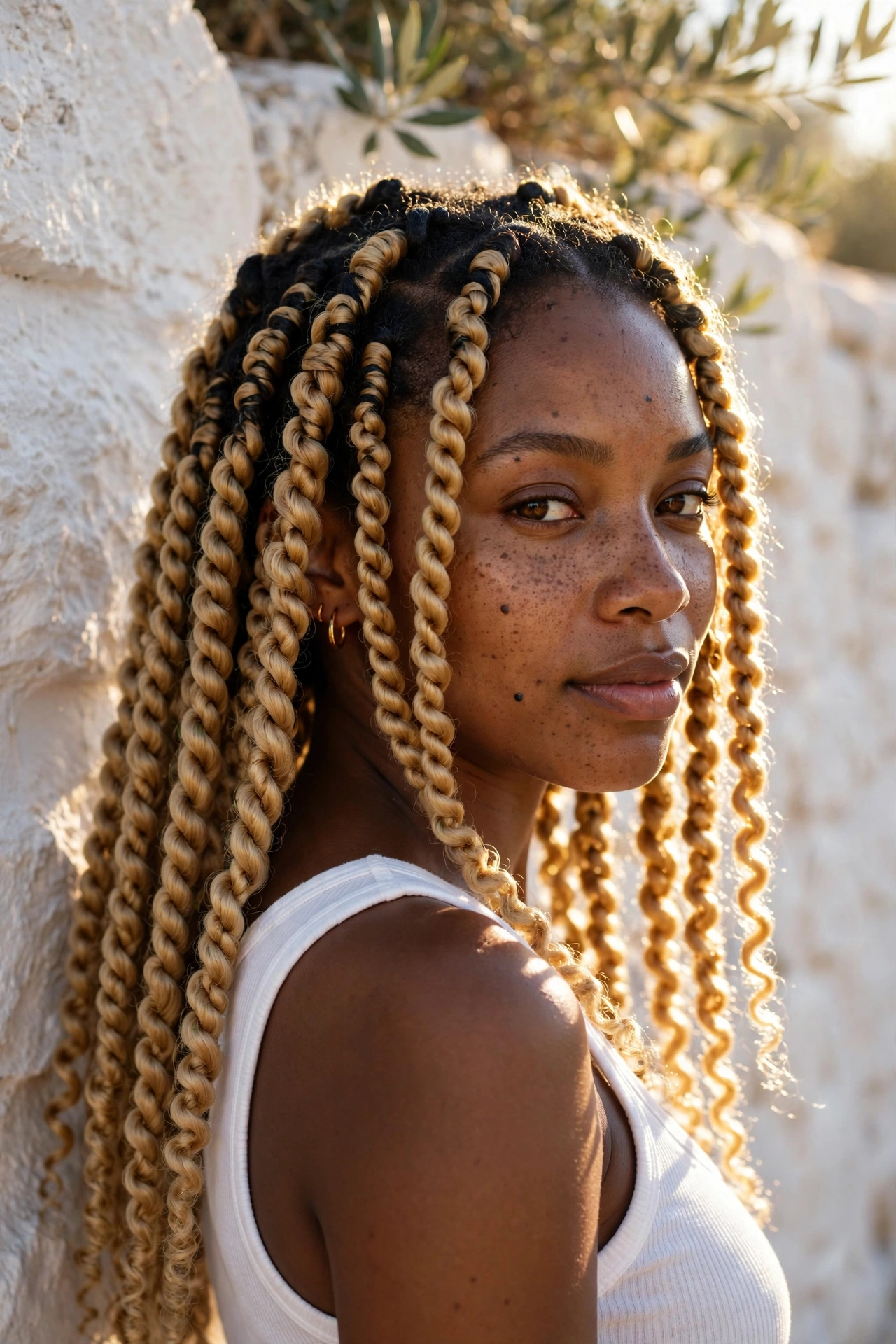
Boho Twists with Curly Ends
Leaving loose curly hair at the ends or woven between the twists creates that soft, undone finish that has taken over social media. Romance without fuss is the appeal, though the loose pieces do tangle and need a light mousse or curl cream to stay defined. Anyone unwilling to spend five minutes each morning on the loose sections should pick a cleaner style instead.

What to Know Before You Book
Style roundups show finished photos. These are the details that determine whether your twists still look good at week five.
Twist Type Comparison
| Twist Type | Hair Used | Install Time | Realistic Lifespan | Weight |
|---|---|---|---|---|
| Senegalese | Kanekalon | 5 to 7 hours | 6 to 8 weeks | Medium |
| Marley | Marley hair | 3 to 6 hours | 6 to 8 weeks | Medium |
| Passion | Freetress water wave | 4 to 6 hours | 4 to 6 weeks | Light |
| Havana | Havana or Marley hair | 3 to 4 hours | 6 to 8 weeks | Heavy |
| Spring or kinky | Spring twist hair | 3 to 5 hours | 4 to 6 weeks | Light |
Costs vary widely by city and stylist, though most full installs land between $120 and $300, with waist-length and mini twists reaching higher. Doing them yourself costs roughly $30 to $50 in hair, though the back sections are genuinely difficult alone.
The Honest Comparison With Box Braids
Twists are lighter, usually cheaper and often faster to install. Box braids hold their smooth appearance longer.
Here’s what most articles avoid saying: twisted styles unravel faster than braided ones and start looking fluffy sooner, which means more maintenance. Sweat and movement accelerate that, so anyone training regularly or working a physically demanding job may find twists frustrating. That doesn’t rule them out, it just means shorter wear periods and more frequent retwisting of the front sections. Choose based on your actual week rather than the photograph.
Preventing Unravelling
Working with damp hair rather than dry is the technique that makes the biggest difference.
Mist the sections as you twist so the hair grips itself. Twisting in a consistent direction, usually clockwise, throughout the whole head keeps the tension even. Sealing the ends in hot water for a few seconds sets synthetic hair properly and stops the tips from loosening. Wrapping in a satin scarf every night preserves the front sections, which are always the first to fluff.
The Itchy Scalp Problem Nobody Explains
That maddening itch in the first week is not usually your scalp reacting to being braided.
Synthetic braiding hair carries an alkaline coating from manufacturing, and that coating is what irritates the skin. Soaking the hair in a mix of apple cider vinegar and water for fifteen to twenty minutes before installation, then rinsing and drying it fully, removes most of it. Ask your stylist whether they pre-treat their hair. Many do not, and it costs almost nothing to do yourself the night before.
Tension and Scalp Health
Twists should never hurt. Soreness beyond the first few hours means the install was too tight, and that’s worth raising immediately rather than hoping it settles.
Traction alopecia develops from repeated pulling at the follicle and becomes permanent if the pattern continues over years. The hairline and temples show it first. Ask for a looser install at the front specifically, resist the urge to have your edges gelled flat every day, and give your hair two to four weeks of rest between protective styles. That rest period is not optional if you want the protection to actually work.
Washing and Maintenance
Cleanse every two weeks with a diluted shampoo in an applicator bottle, aimed at the scalp rather than the lengths.
Scrubbing the twists themselves creates frizz that never fully recovers. Rinse thoroughly, squeeze out excess water, and let them dry completely before covering your hair, because damp twists under a scarf develop a smell within a day. A lightweight oil applied along the parts keeps the scalp comfortable without buildup.
Choosing by Lifestyle
| Your Situation | Best Twist Choice | Why |
|---|---|---|
| Very active or training daily | Bob-length passion or spring twists | Light, shorter wear period, less unravelling |
| Office and low activity | Senegalese or Marley, any length | Sleek finish holds well |
| Fine or fragile hairline | Passion twists, bob length | Lightest option, least tension |
| First protective style | Short passion twists | Low cost, low commitment, easy takedown |
| Want maximum natural look | Marley twists | Texture mimics type 4 hair |
| Limited time in the chair | Havana or jumbo twists | Fastest full-head install |
Know When to Take Them Down
Six to eight weeks is the outer limit for most twist styles, and passion twists often need coming out at four to six.
New growth at the roots is what makes late takedown painful and risky. Matting at the base is where breakage happens, and it happens quietly, so you often don’t discover it until the takedown. Detangle in sections with plenty of conditioner and patience. Rushing the takedown undoes weeks of protection in an afternoon.
Final Thoughts
Twist braids earn their popularity honestly. They protect your natural hair, they weigh less than most braided alternatives, they install faster, and they carry genuine versatility once they’re in. The variety across Senegalese, Marley, passion, Havana and spring twists means there’s a version suited to almost any hair type, budget and schedule.
Choose your type based on the extension texture you actually want, since that’s the only real difference between several of these styles. Be realistic about your activity level, because twists unravel faster than braids and an active week accelerates it. Pre-soak the hair to avoid the first-week itch. Ask for a looser install at the hairline, and give your scalp genuine rest between styles.
Save the looks that caught your eye and take two or three of them to your stylist. Being able to say “passion twists, bob length, honey blonde” gets you far closer to what you pictured than “twists, medium, blonde-ish.”
Frequently Asked Questions
What is the difference between Senegalese and passion twists?
The extension hair, and essentially nothing else. Senegalese twists use smooth Kanekalon for a sleek, rope-like finish. Passion twists use Freetress water wave hair, which creates a curly, boho texture and makes them the lighter of the two options.
How long do twist braids last?
Most twist styles hold well for six to eight weeks, though passion twists often need removing at four to six. Going beyond eight weeks risks matting at the roots and breakage during takedown. Retwisting the front sections extends the neat appearance considerably.
Are twists better than box braids for protecting hair?
Both protect well. Twists are lighter, gentler on the scalp and usually cheaper, which suits fine hair and sensitive hairlines. Box braids stay smooth longer and suit very active people better, since twists unravel faster with sweat and movement.
Why do my twists make my scalp itch?
Usually the synthetic hair rather than your scalp. Braiding hair carries an alkaline coating from manufacturing that irritates skin. Soaking the hair in diluted apple cider vinegar for fifteen to twenty minutes before installation, then rinsing and drying it fully, removes most of it.