25 Long Hair Color Ideas That Will Completely Transform Your Look
Long hair color ideas work differently than short hair color, and it’s worth knowing why before you book an appointment. Length gives color room to move, blend, and catch the light in ways a short cut simply can’t show off. Below are 25 genuinely varied options, from natural brunettes and blondes to a few bolder picks, each one matched to a hair base, a technique, and what to actually say to your colorist.
Why Long Hair Shows Color Differently
On short hair, color reads mostly as one flat tone since there isn’t much length for it to travel through. Long hair is the opposite. Gradient techniques like balayage, ombre, and rooted color get room to develop gradually from root to end, which is exactly why so many of the most photographed hair colors are on long hair in the first place. It also means the technique you choose matters just as much as the shade itself.
The 25 Long Hair Color Ideas
Classic Espresso Brown
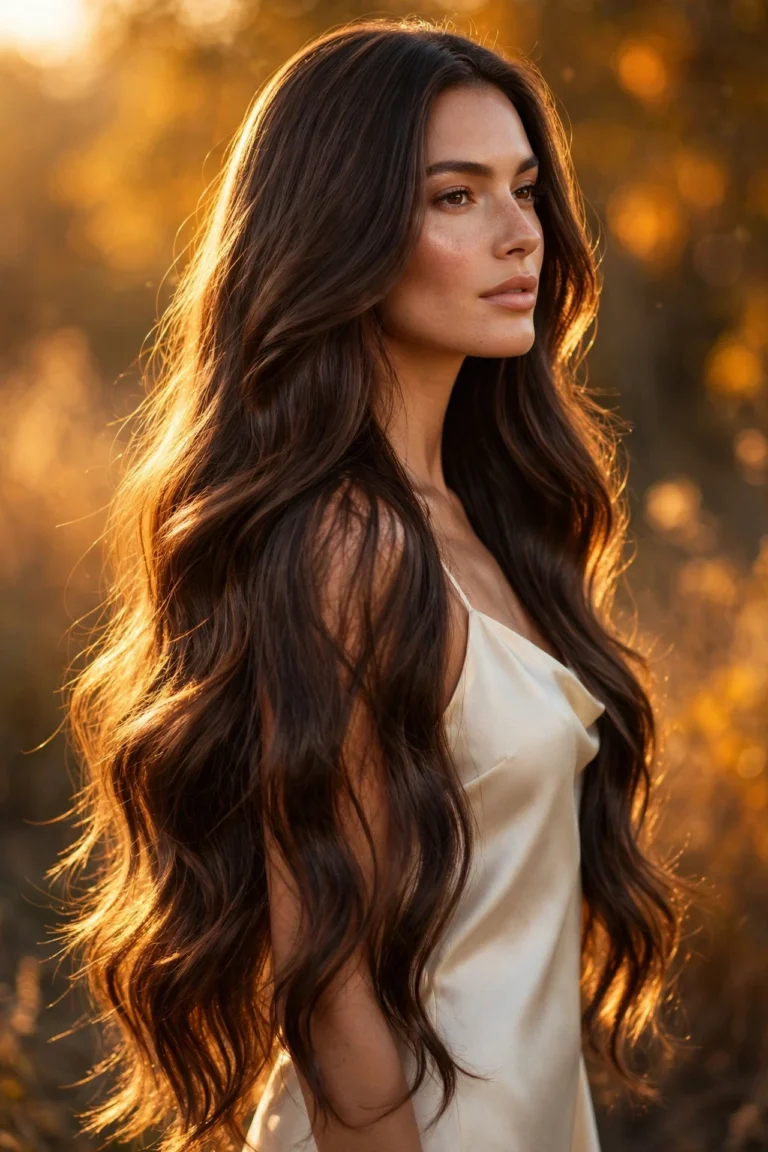
A deep, rich brown with warm undertones, applied as a full all over color. Timeless and works on nearly every skin tone. Maintenance low, root touch up every 6 to 8 weeks. Tell your colorist Espresso brown, warm undertone, all over color.
Chocolate Brown Balayage
A brunette base with soft chocolate toned ribbons hand painted through the lengths. Genuinely one of the most forgiving options if you’ve never colored your hair before. Maintenance low. Tell your colorist Chocolate brown balayage, soft dimension, natural placement.
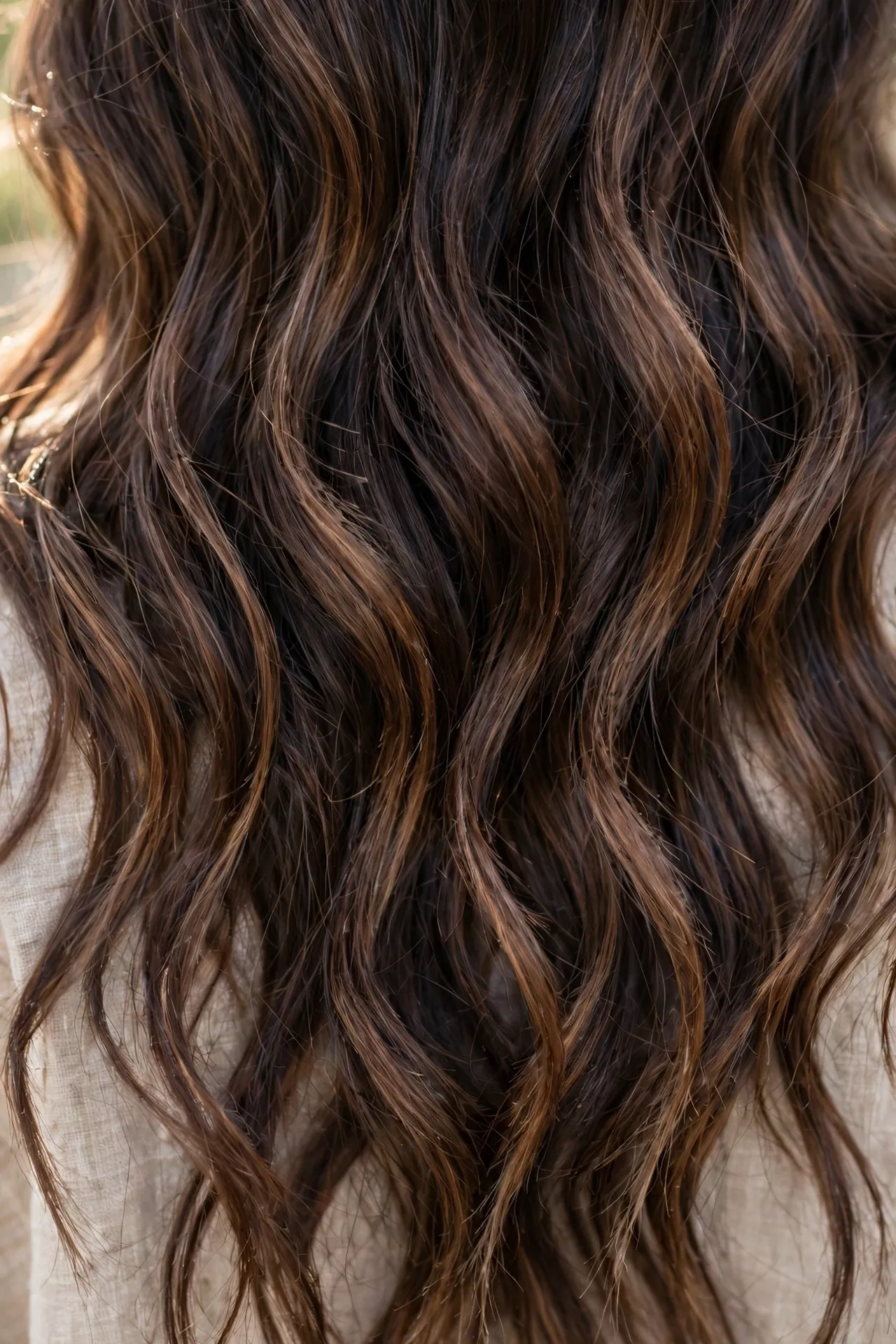
Honey Blonde Balayage
Warm, amber leaning blonde painted through a light to medium brown base. Best for medium or olive skin tones. Maintenance: medium. Tell your colorist Honey blonde balayage, warm not yellow.
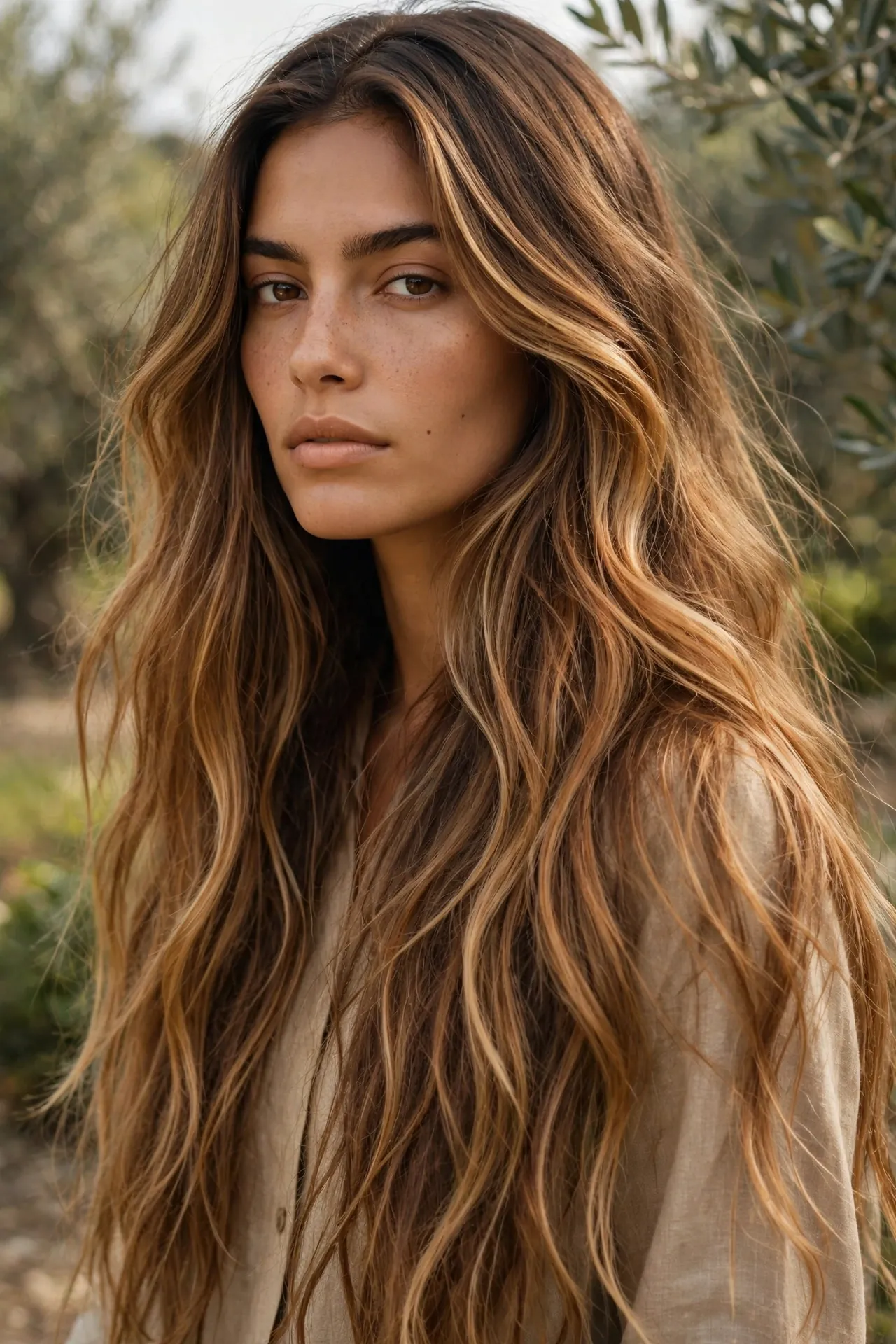
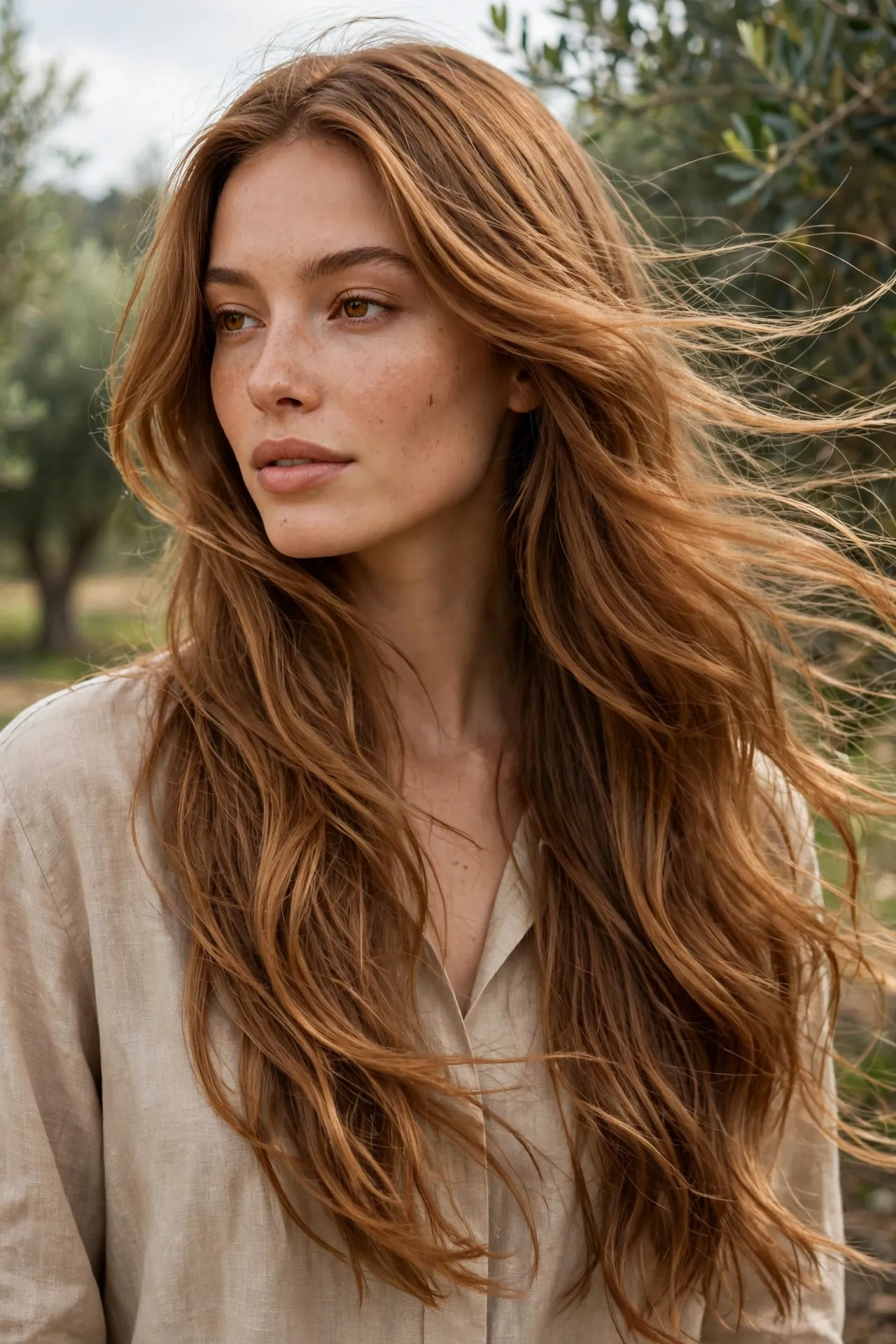
Caramel Melt
A gradual melt from a darker root into rich caramel tones through the ends, with no harsh line of demarcation. This one photographs beautifully in motion, which matters a lot on long hair. Maintenance low Tell your colorist Caramel melt, gradual transition, no visible line.
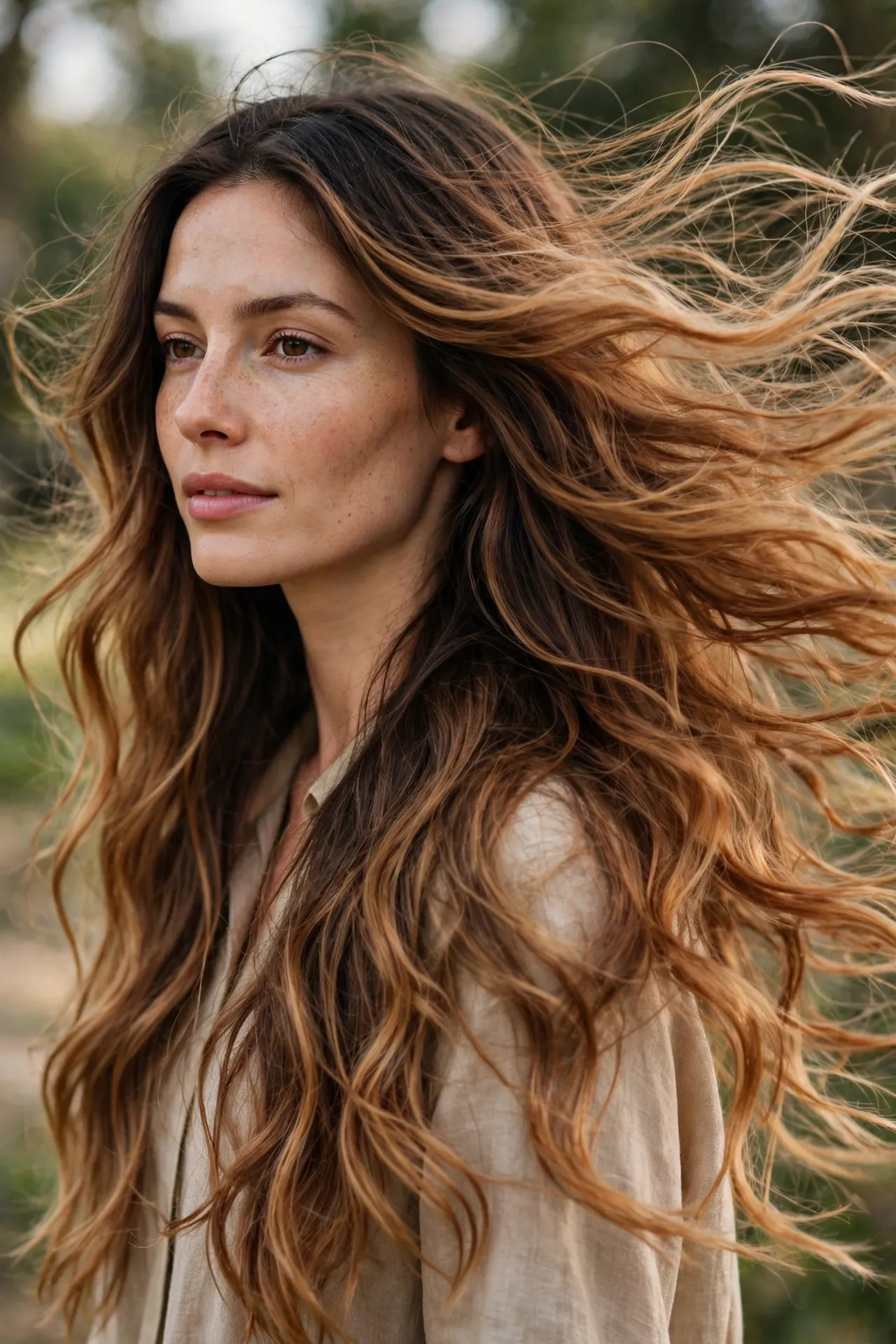
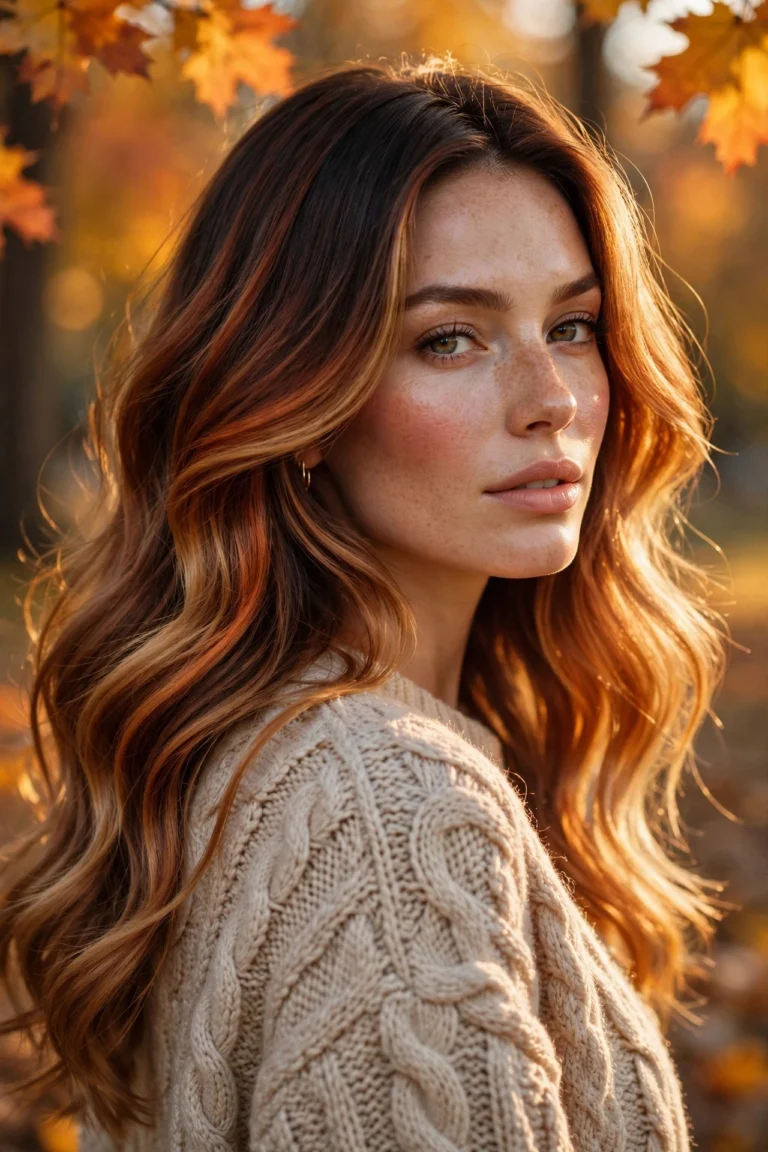
Copper Balayage
Bright, reddish orange tones woven through a brunette base. One of the boldest options on this list without going fully red. Maintenance medium, copper fades toward brass fastest of any tone here, so plan on a gloss refresh sooner. Tell your colorist Copper balayage, keep it vibrant, gloss to prevent brass.
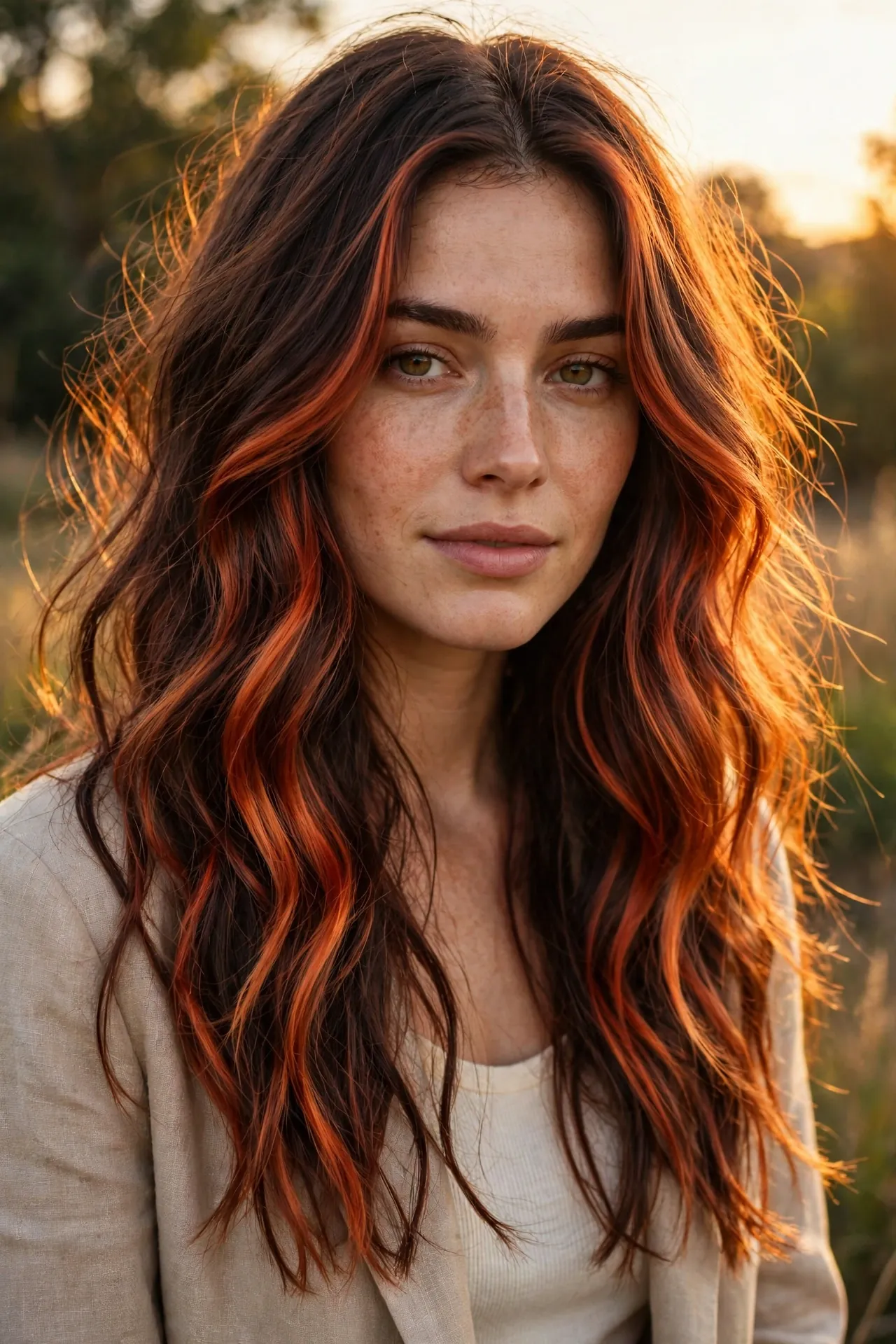
Warm Auburn
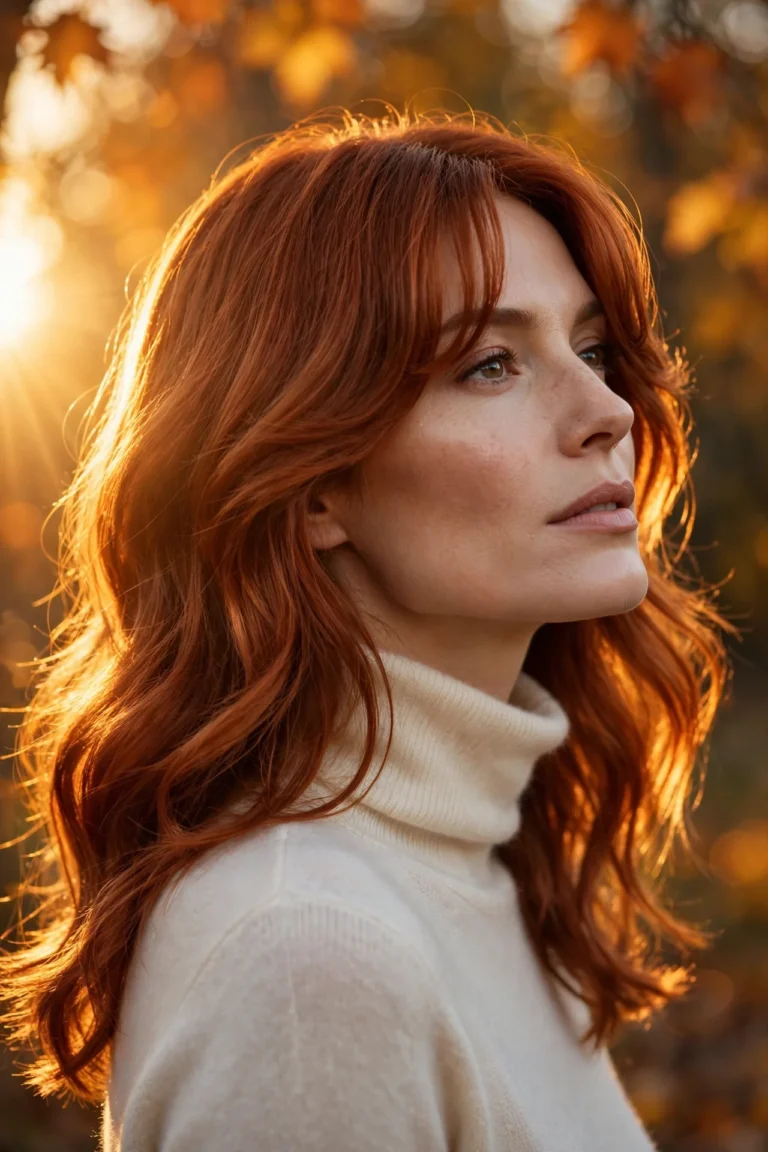
Deep red blended with soft copper for a rich, full of life color. Never really goes out of style, and it works especially well on warm or olive skin. Maintenance medium to high. Tell your colorist: Warm auburn, deep red copper blend, glossed for shine.
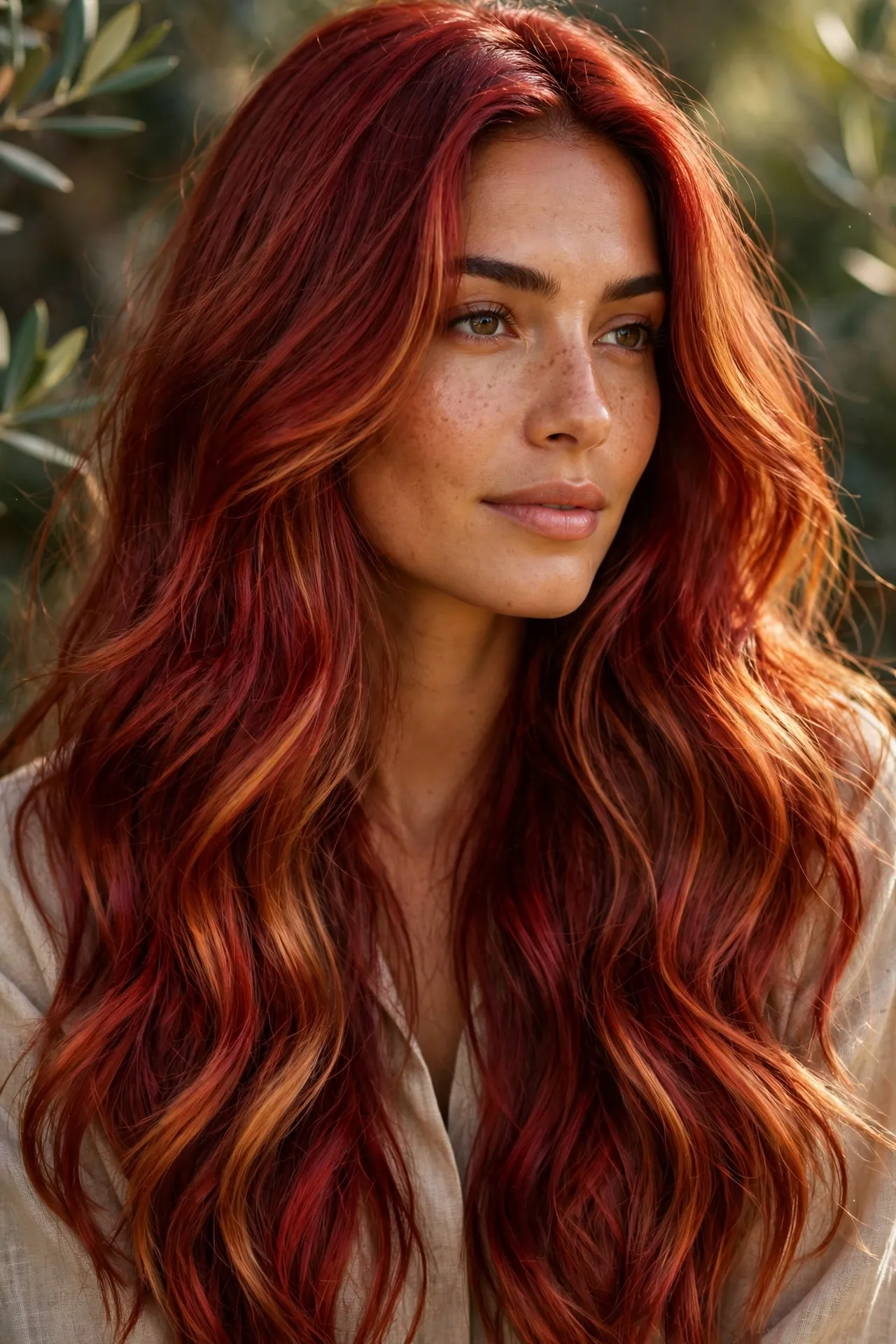
Cherry Cola Brunette
A dark brown base with subtle red undertones, deeper and more mysterious than classic auburn. Suits nearly every skin tone since it stays close to natural dark hair. Maintenance low. Tell your colorist Cherry cola brunette, subtle red undertone, deep base.
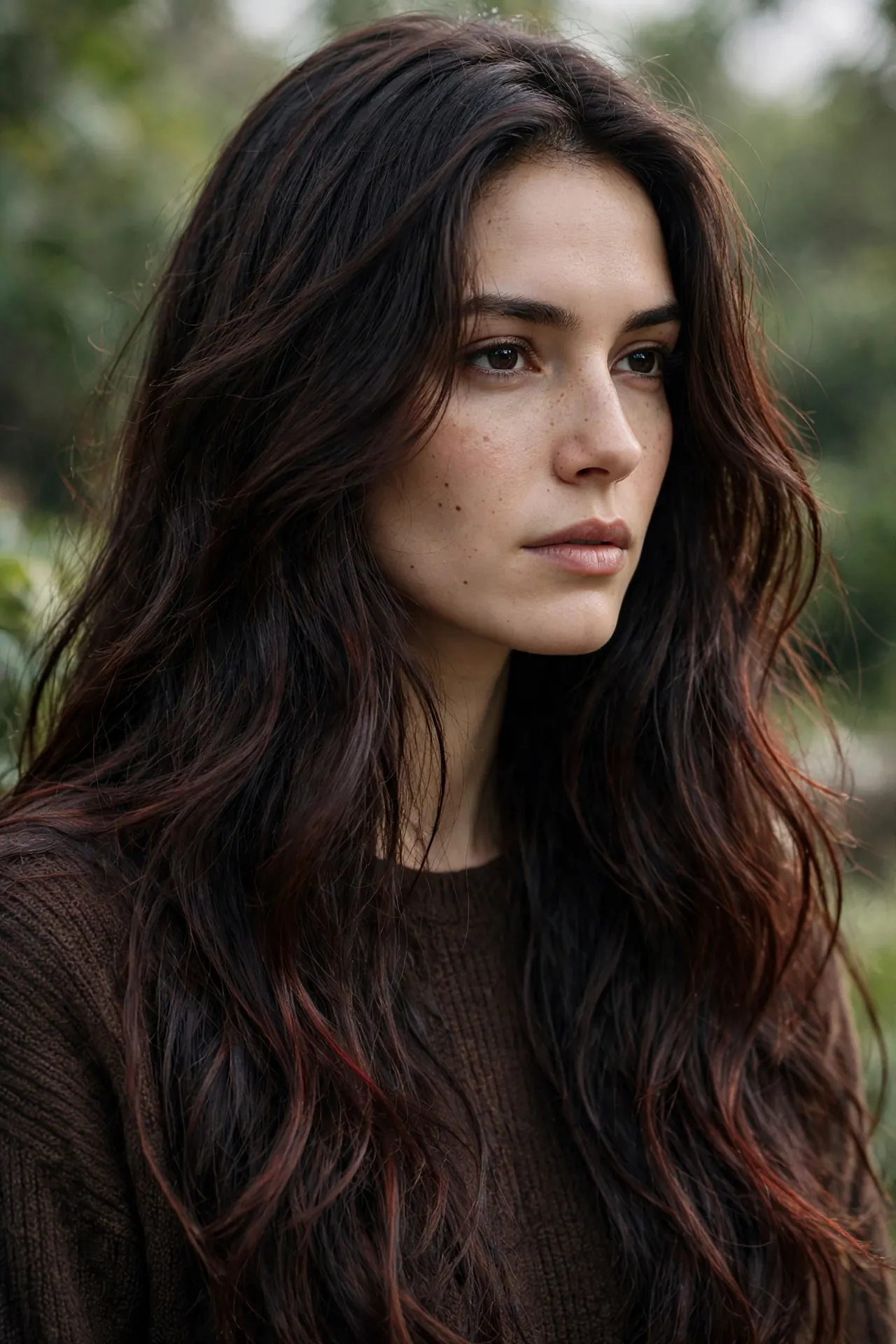
Golden Bronde
Half brunette, half blonde, blended so the transition feels seamless rather than two toned. A great entry point if you’re brunette and curious about blonde without committing fully. Maintenance low to medium. Tell your colorist Golden bronde, seamless blend, keep the base warm.
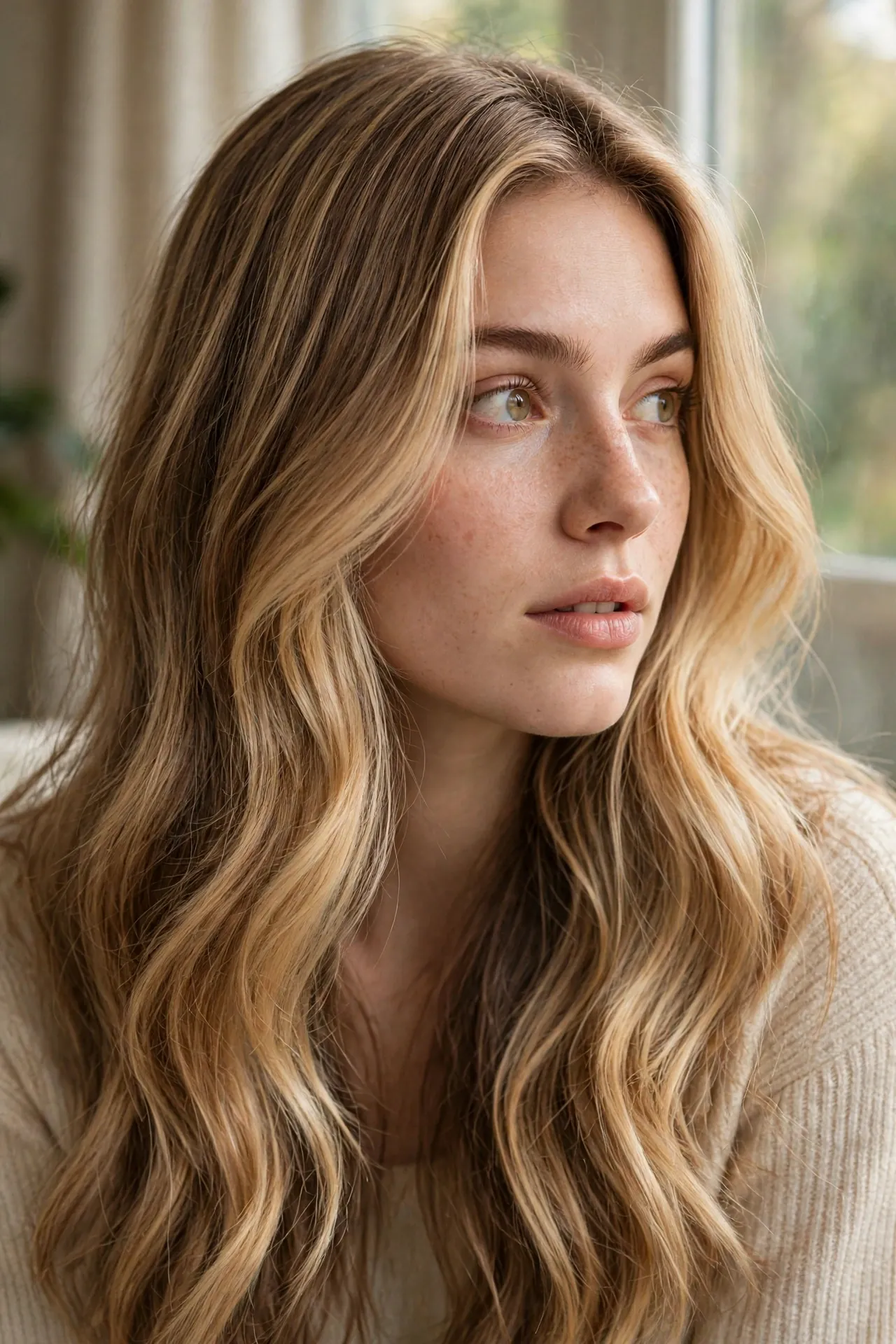
Champagne Blonde
A neutral, soft beige blonde with just enough warmth to avoid looking flat or gray. Flatters an unusually wide range of skin tones. Maintenance: medium, needs a toner refresh to stay clean rather than brassy. Tell your colorist Champagne blonde, soft neutral, not ashy, not golden.
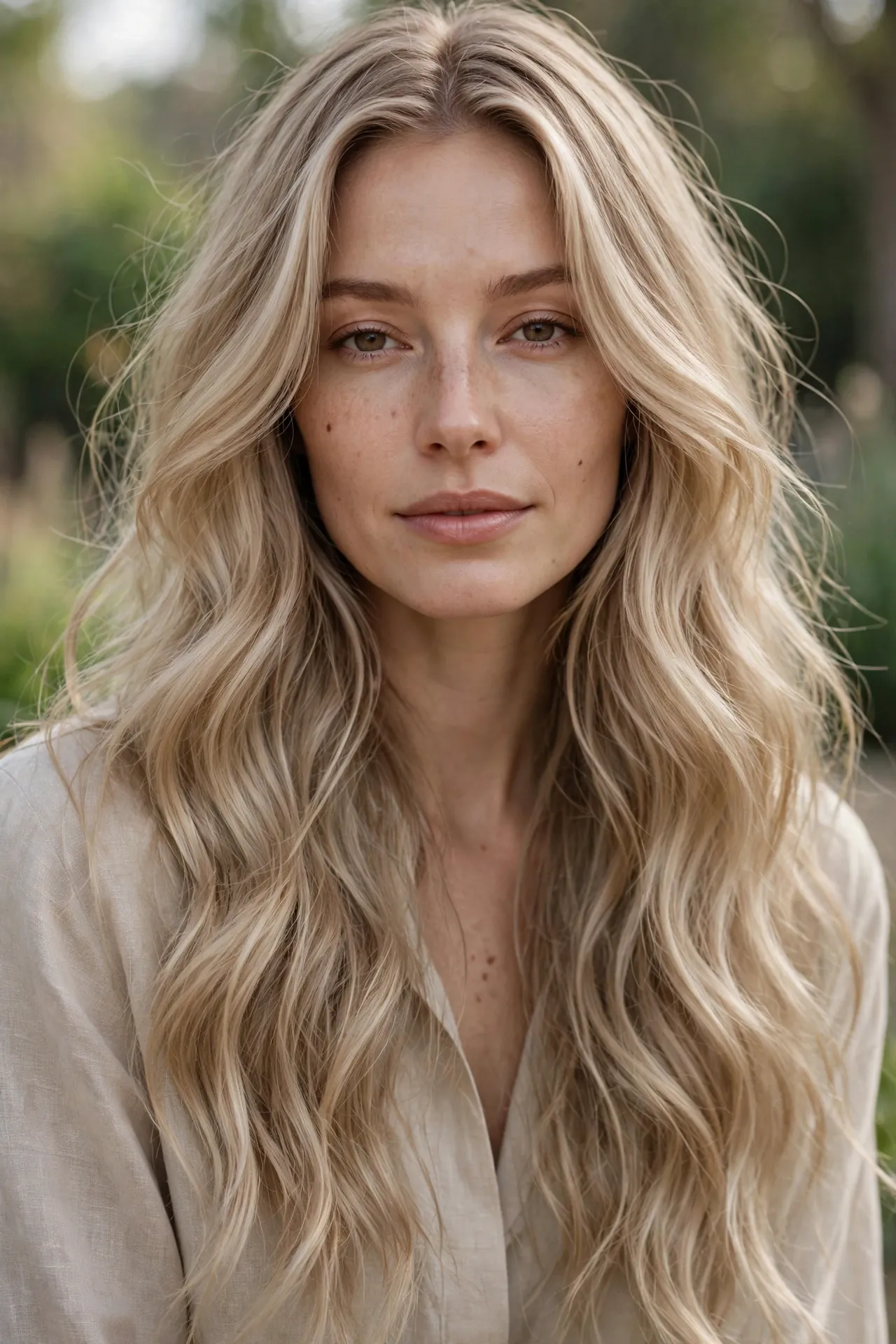
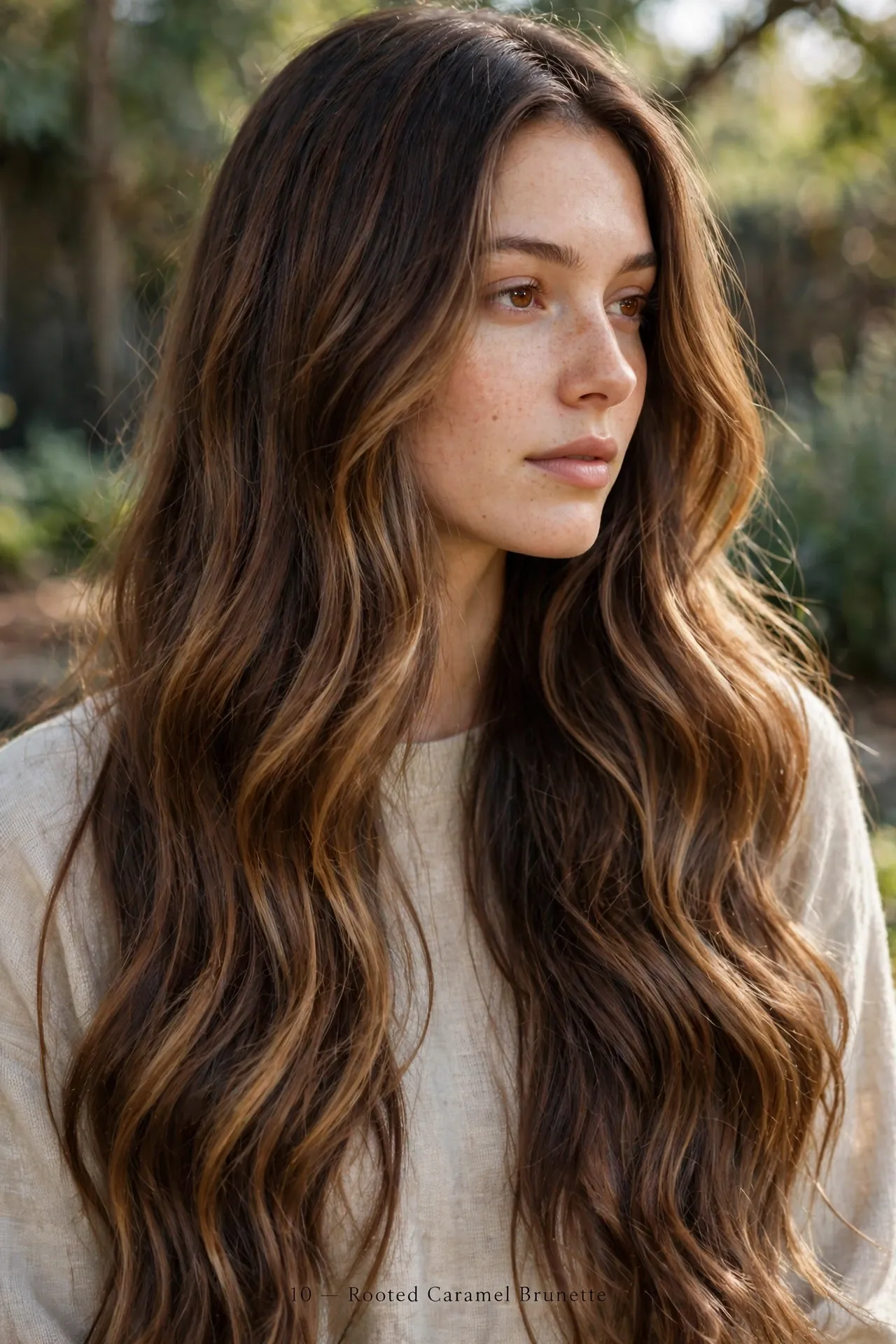
Rooted Caramel Brunette
A deeper, natural looking root that gradually transitions into caramel and toffee pieces through the lengths. Genuinely one of the lowest maintenance color options that still looks intentional and dimensional. Maintenance: very low. Tell your colorist Rooted caramel, deep natural root, caramel through the ends.
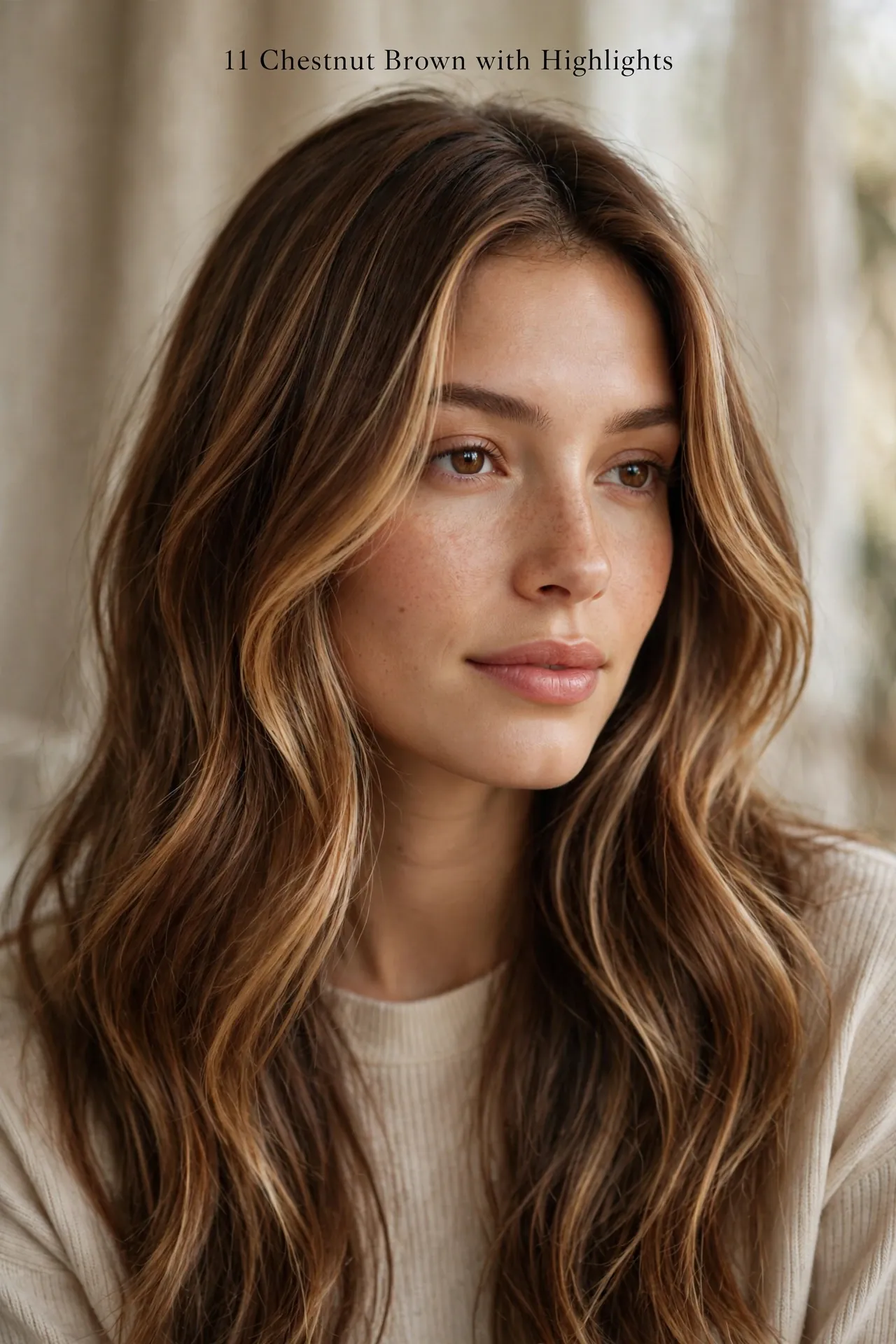
Chestnut Brown with Highlights
A warm chestnut base lifted with subtle blonde or caramel highlights concentrated around the face. Suits most warm and neutral skin tones. Maintenance low. Tell your colorist Chestnut base, face framing highlights only.
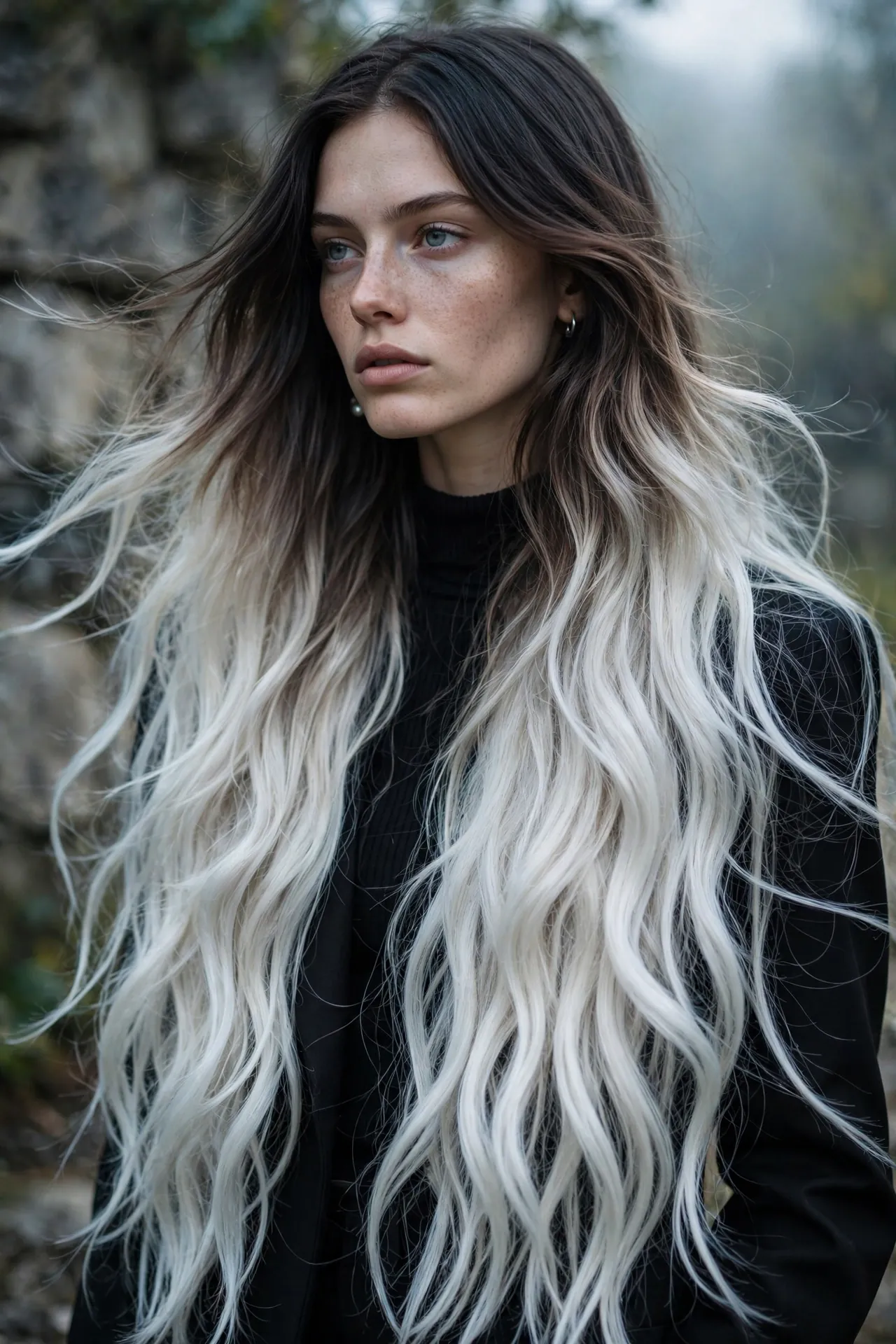
Platinum Blonde Ombre
A dark to medium root gradually lightening into bright platinum ends. Bold, high contrast, and best suited to those genuinely ready for a dramatic change. Maintenance high, platinum needs regular toning to avoid yellowing. Tell your colorist Platinum ombre, dramatic contrast, keep it cool toned.
Money Piece Highlights
Two bright, face framing highlight pieces placed right around the face, with the rest of the hair left closer to natural. This is one of the easiest ways to brighten your whole look without touching most of your hair. Maintenance: low. Tell your colorist Money piece highlights, front framing only.
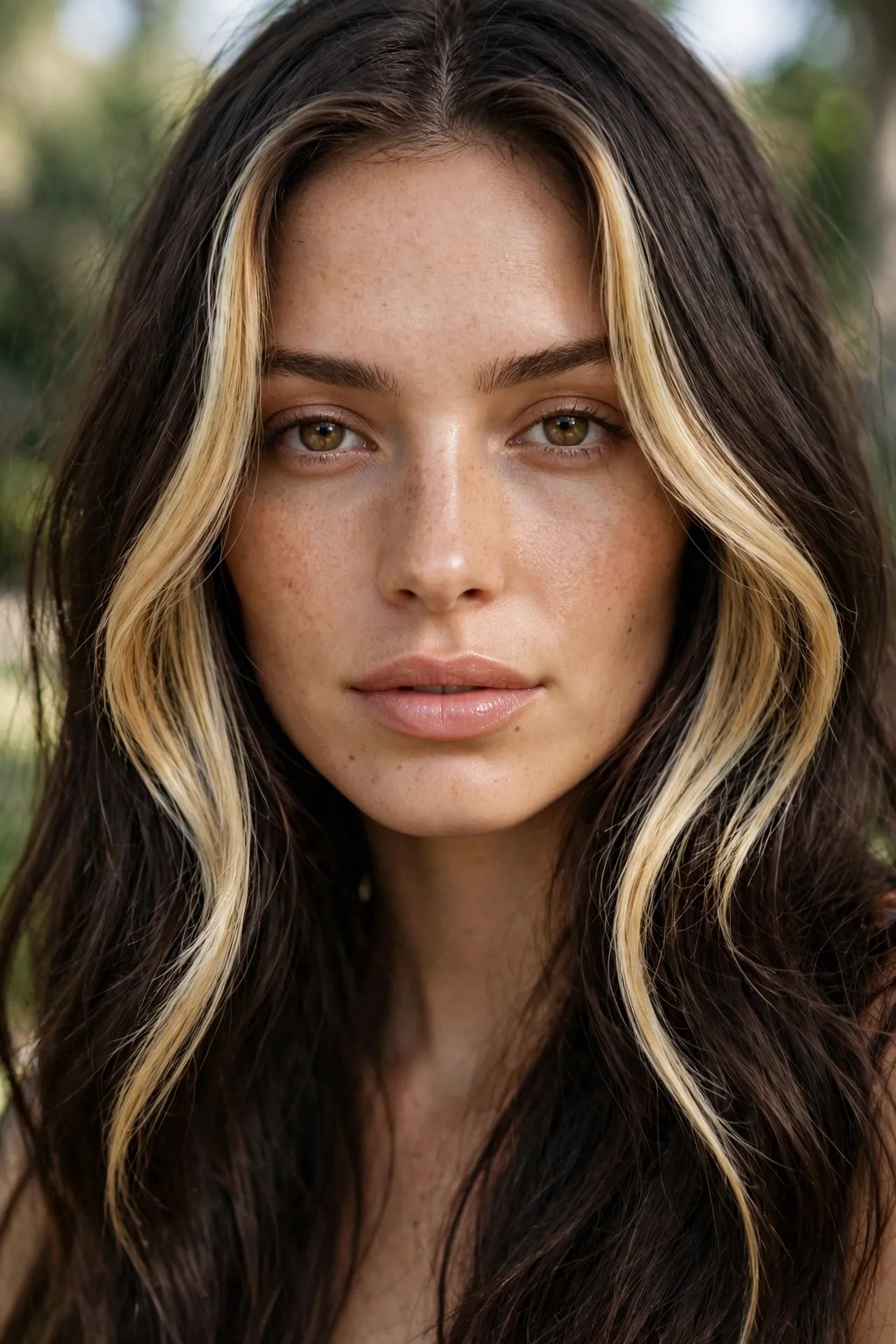
Dark Chocolate with Face Framing Highlights
Similar to money piece highlighting but on a deeper chocolate brown base with slightly more subtlety in the placement. Suits fair to medium skin tones especially well. Maintenance low. Tell your colorist Dark chocolate base, subtle face framing highlights.
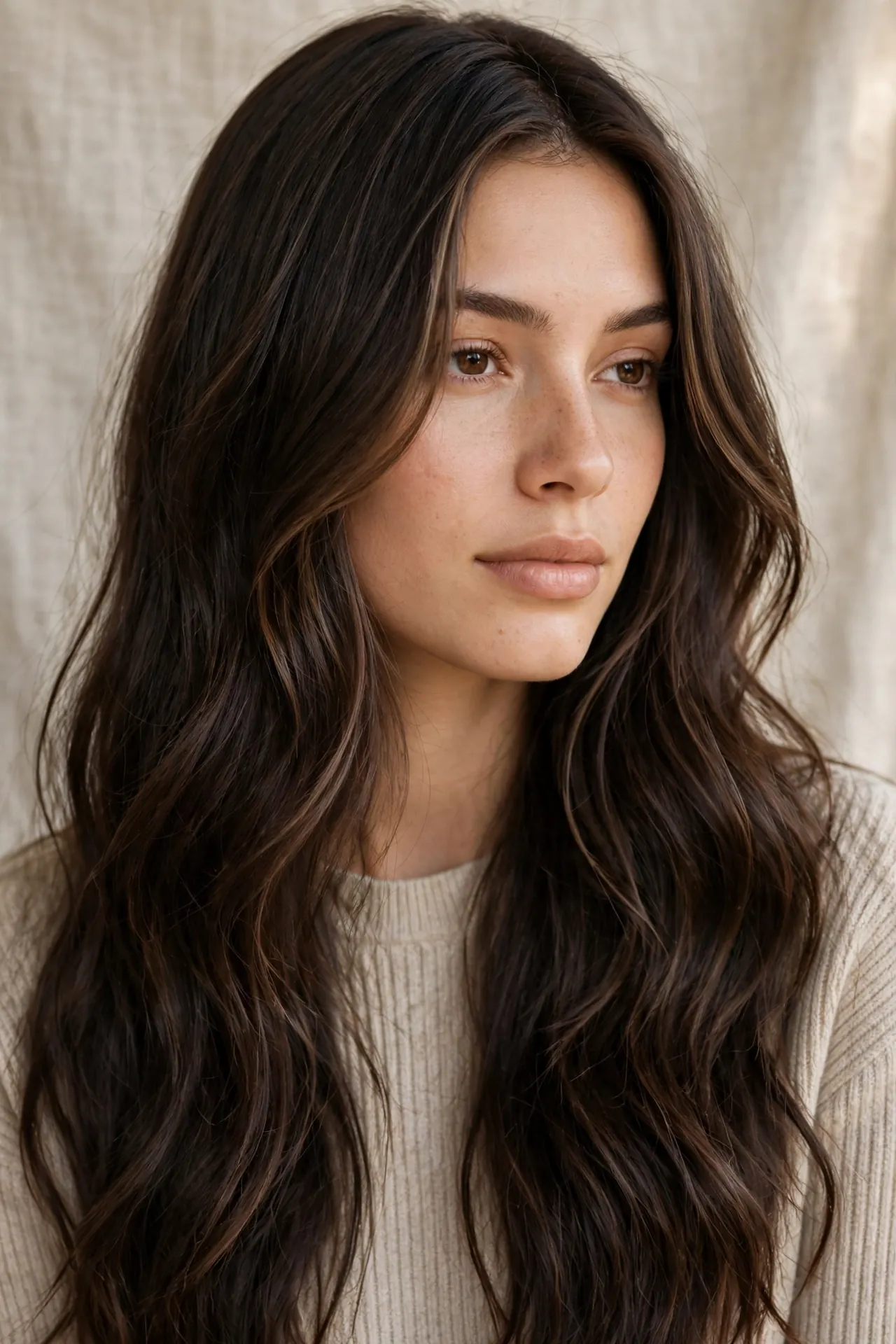
Ash Brown
A cool toned brown with no gold or red undertone, giving a muted, sophisticated finish. Best on cool or neutral skin tones. Maintenance medium, needs a toner to stay ash rather than fading warm. Tell your colorist Ash brown, cool tone, no warmth.
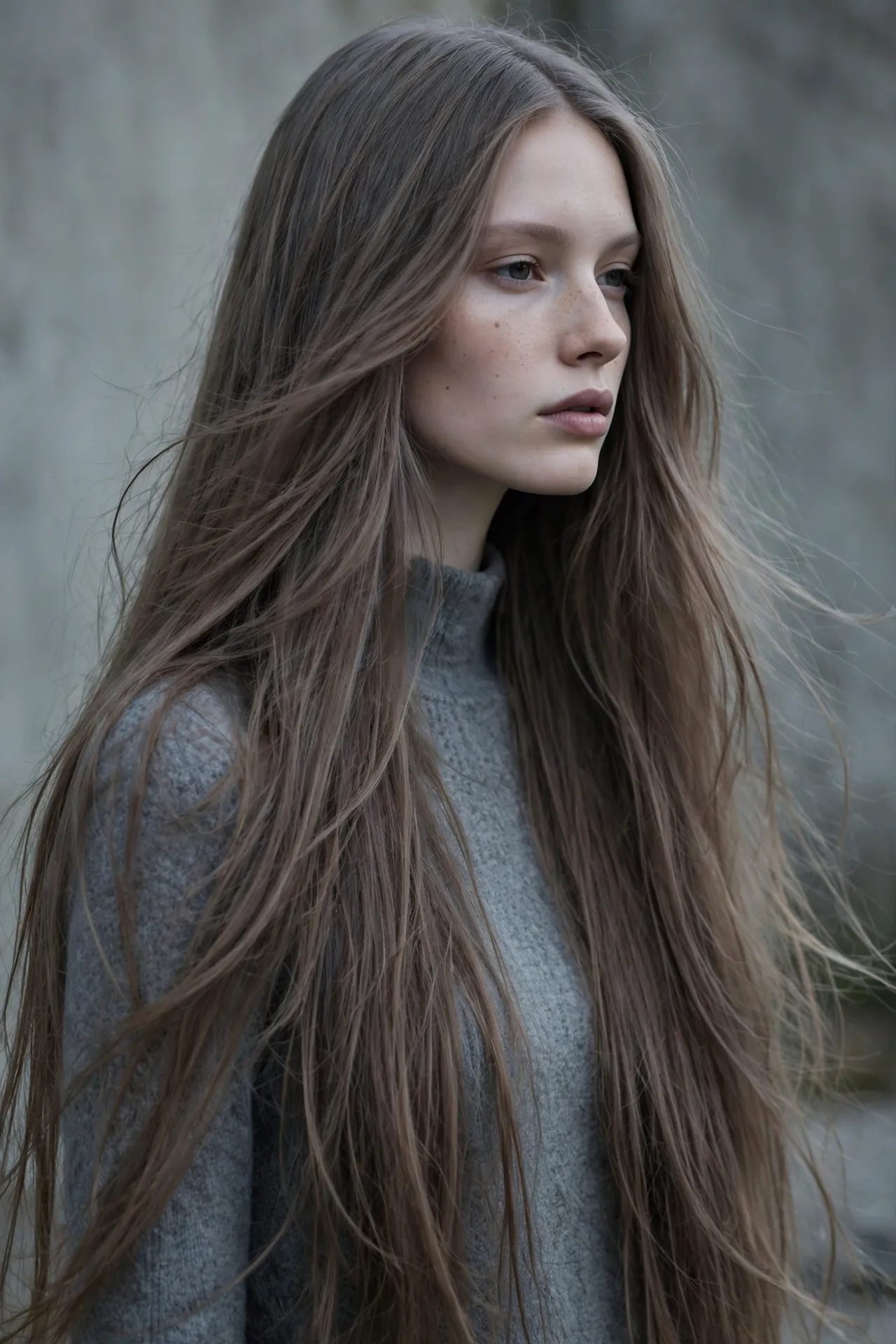
Burgundy Balayage
Deep wine red tones woven through a dark brown base. Rich, a little dramatic, and genuinely striking under indoor lighting where the red really shows. Maintenance: medium to high. Tell your colorist Burgundy balayage, deep wine tone, glossed regularly.
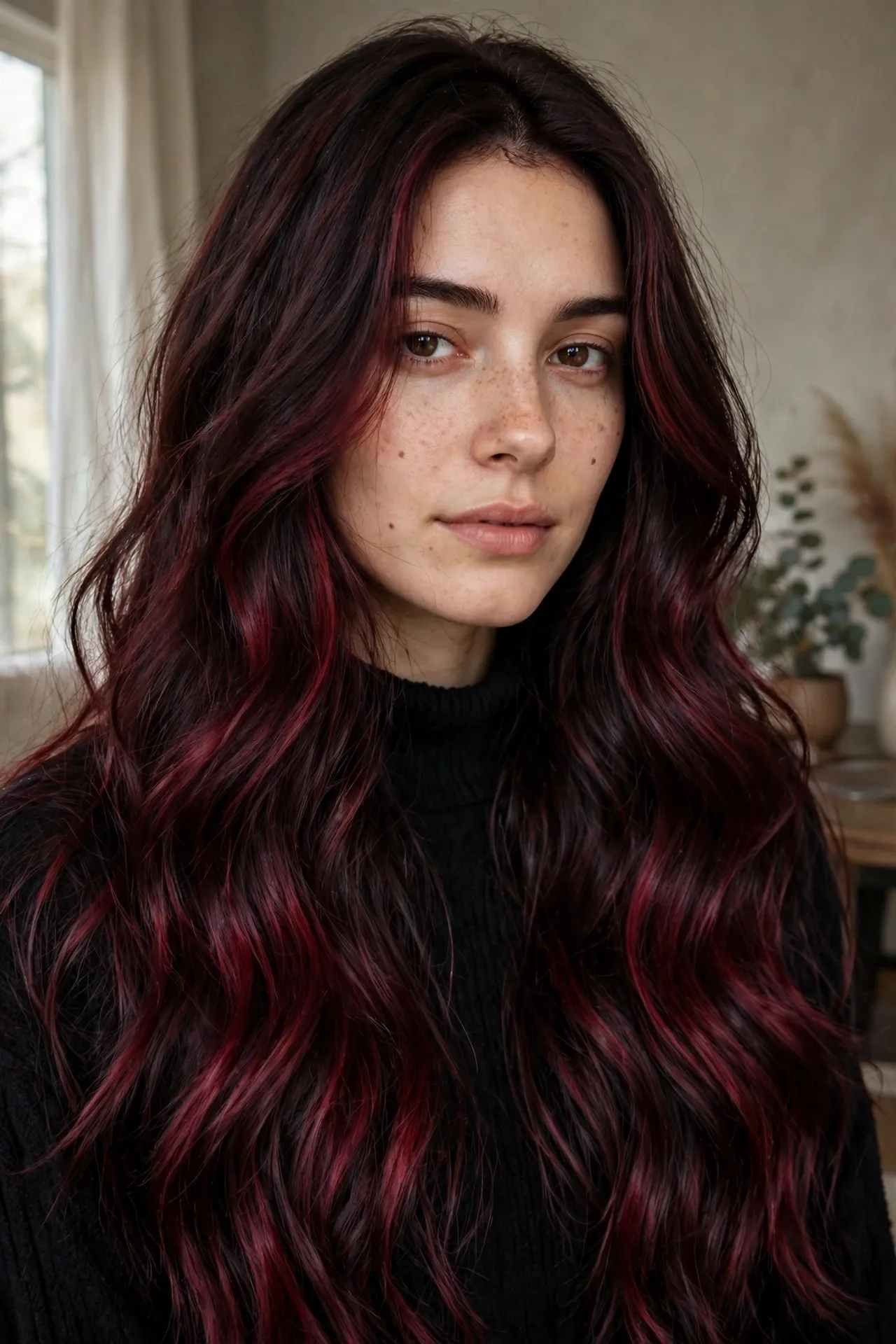
Toasted Chestnut
A warm, medium brown with a slightly toasted, golden undertone, sitting between chestnut and caramel. Suits most warm and neutral skin tones. Maintenance low. Tell your colorist: toasted chestnut, warm medium brown, all over or balayage.
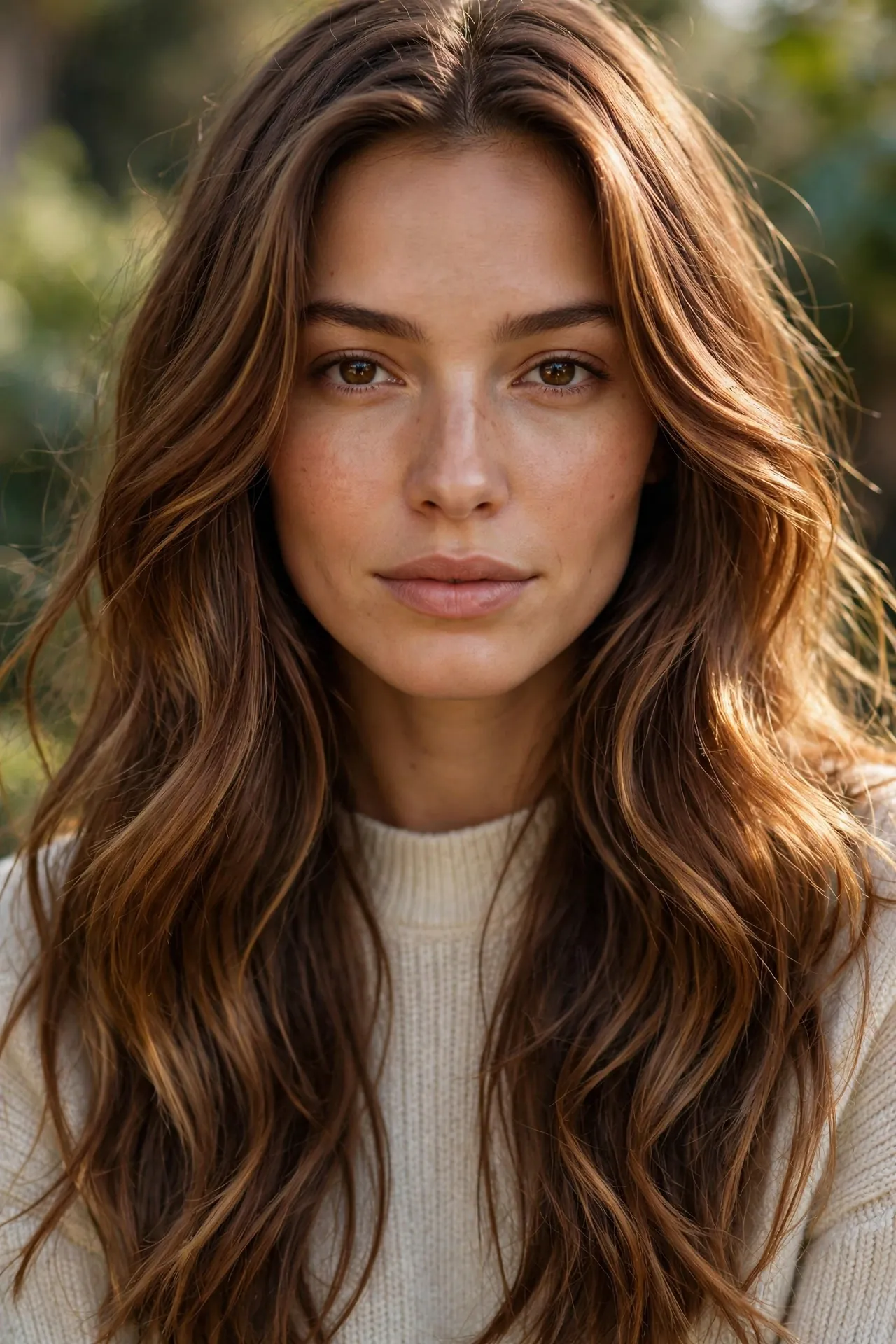
Mushroom Brown
A cool, ashy taupe brown that reads as neither fully brown nor fully gray. It’s an unusual, slightly editorial choice that stands out precisely because it isn’t warm or gold toned like most brunette shades. Maintenance medium. Tell your colorist Mushroom brown, cool ashy taupe, no warmth.
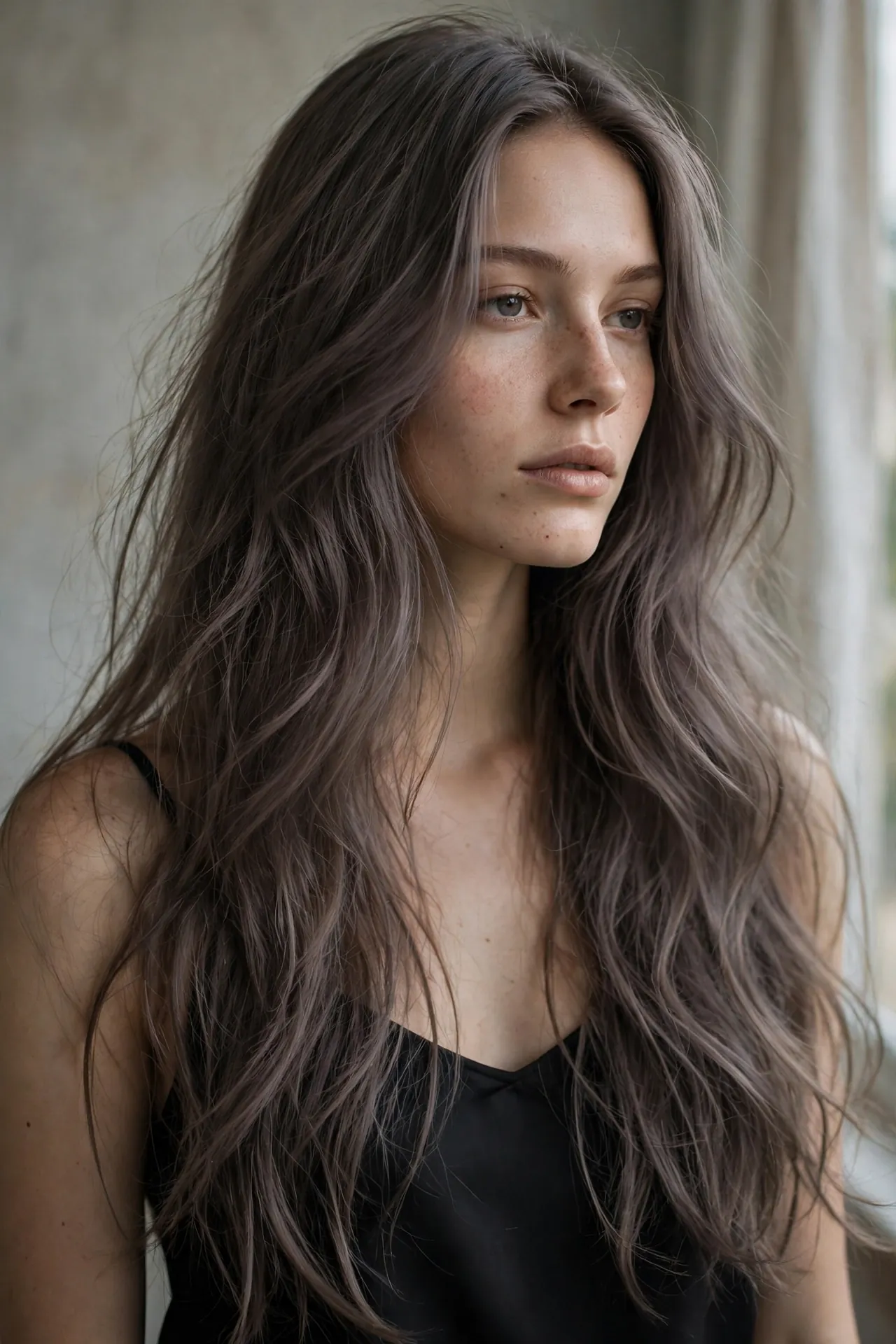
Sandy Blonde with Shadow Root
A soft, sandy blonde through the lengths with a deliberately soft shadow root left in for an effortless, lived in effect. Maintenance: very low. Tell your colorist Sandy blonde, shadow root, low maintenance grow out.
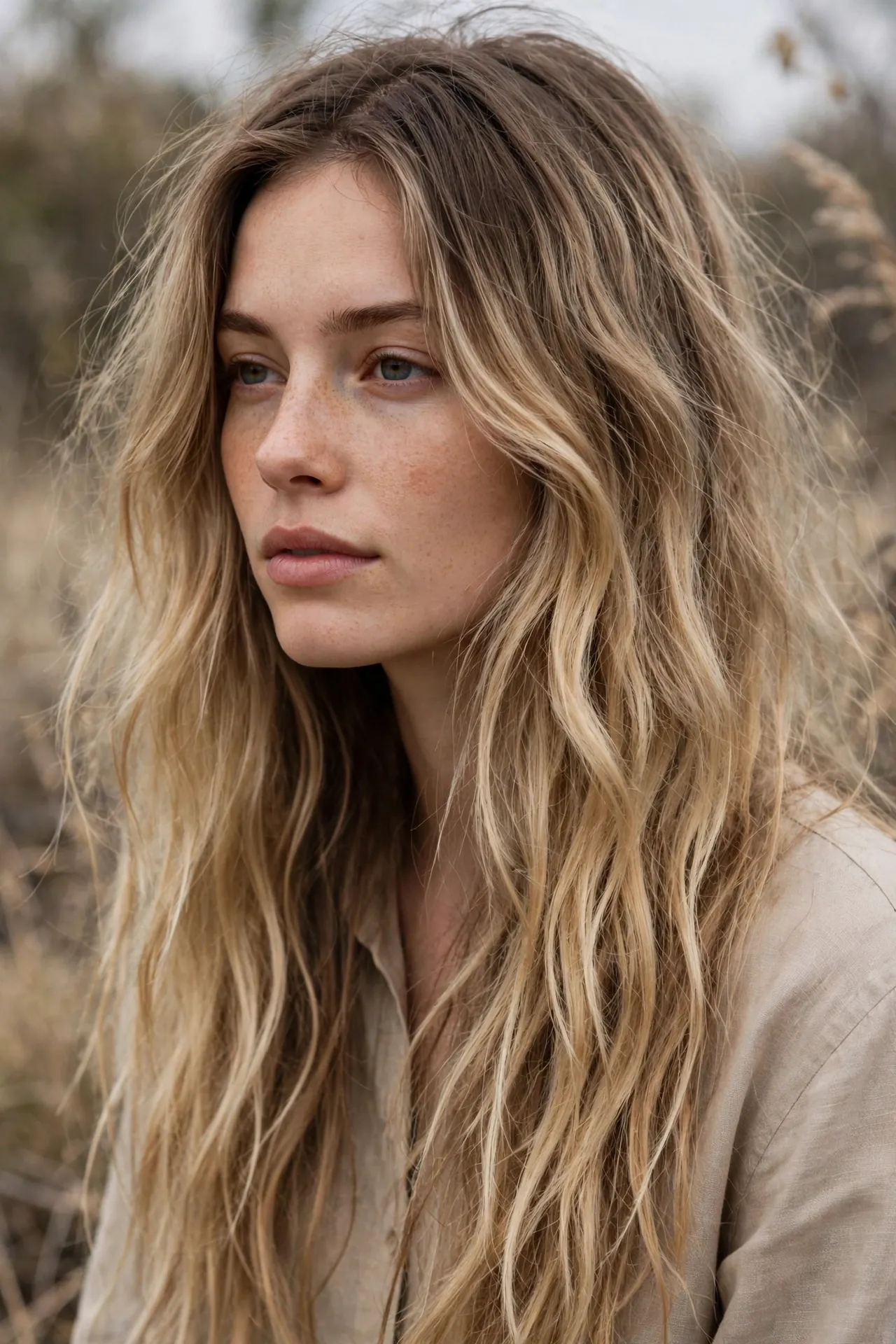
Copper Brunette
A brown base with warm copper dimension throughout, richer and more grounded than full copper balayage. Best for warm or olive skin tones. Maintenance medium. Tell your colorist Copper brunette, warm dimension, medium contrast.
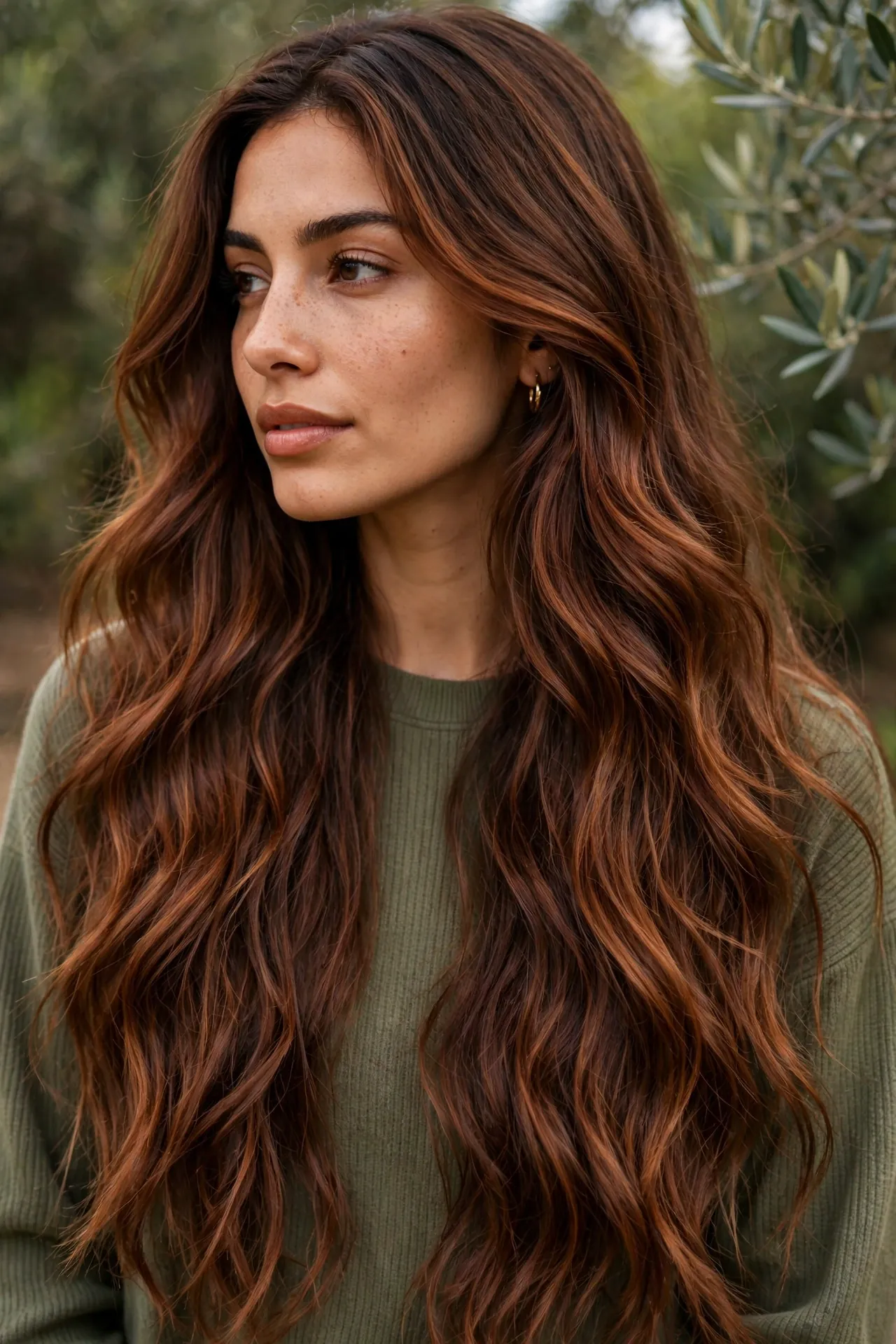
Cinnamon Brown
A warm reddish brown with a spicy, slightly deeper edge, similar to cinnamon balayage but applied more evenly through the whole head. Maintenance medium. Tell your colorist Cinnamon brown, warm red undertone, even application.
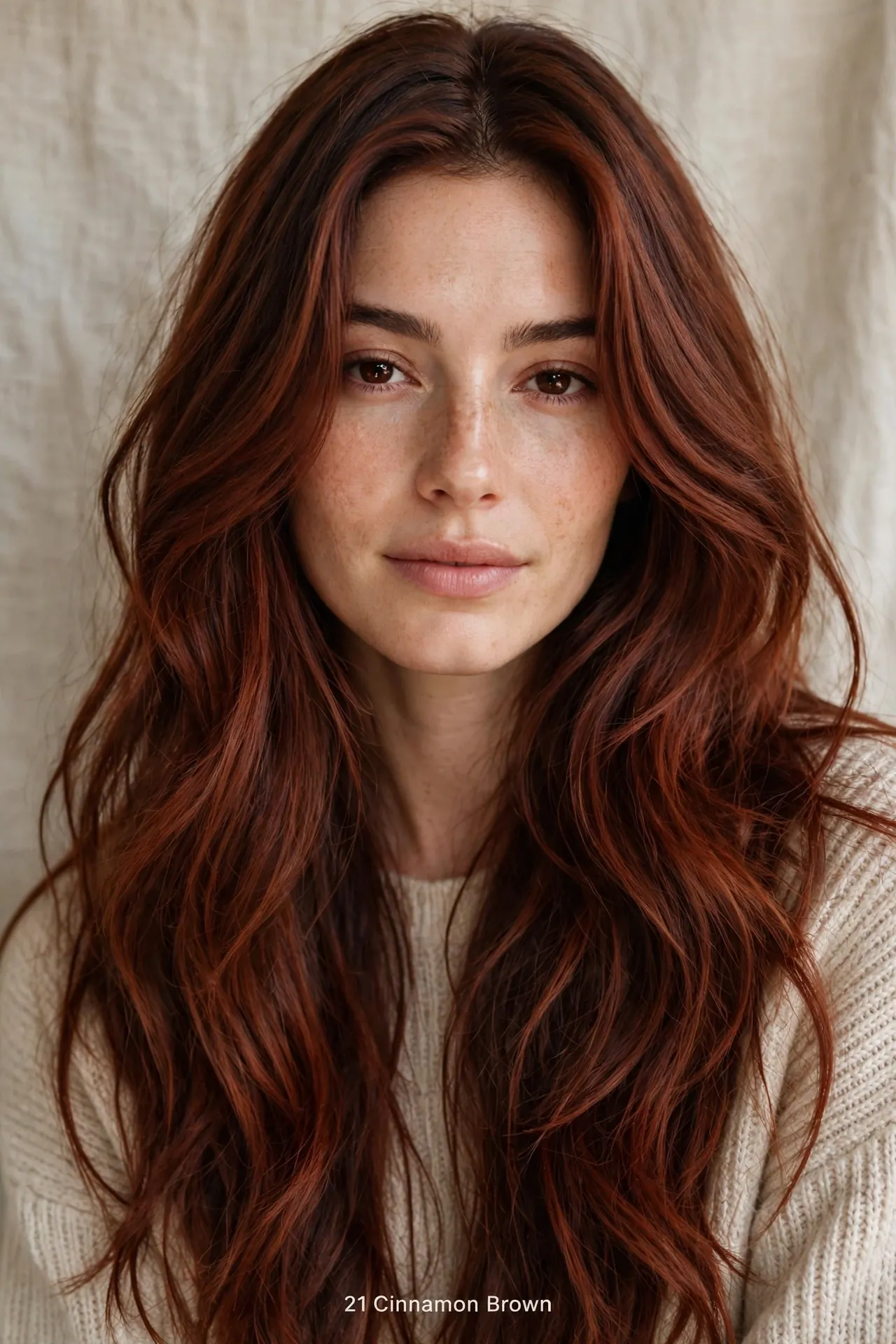
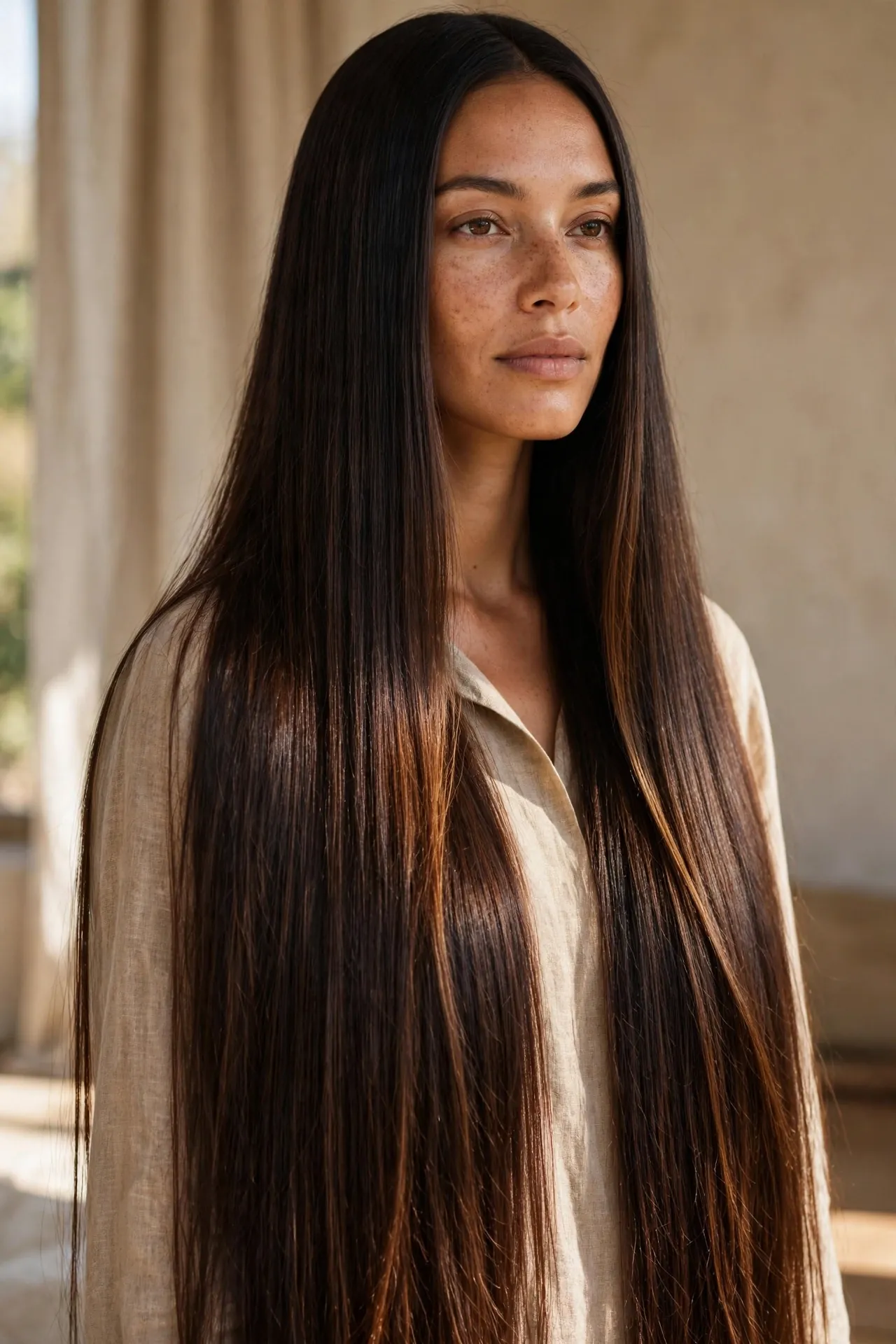
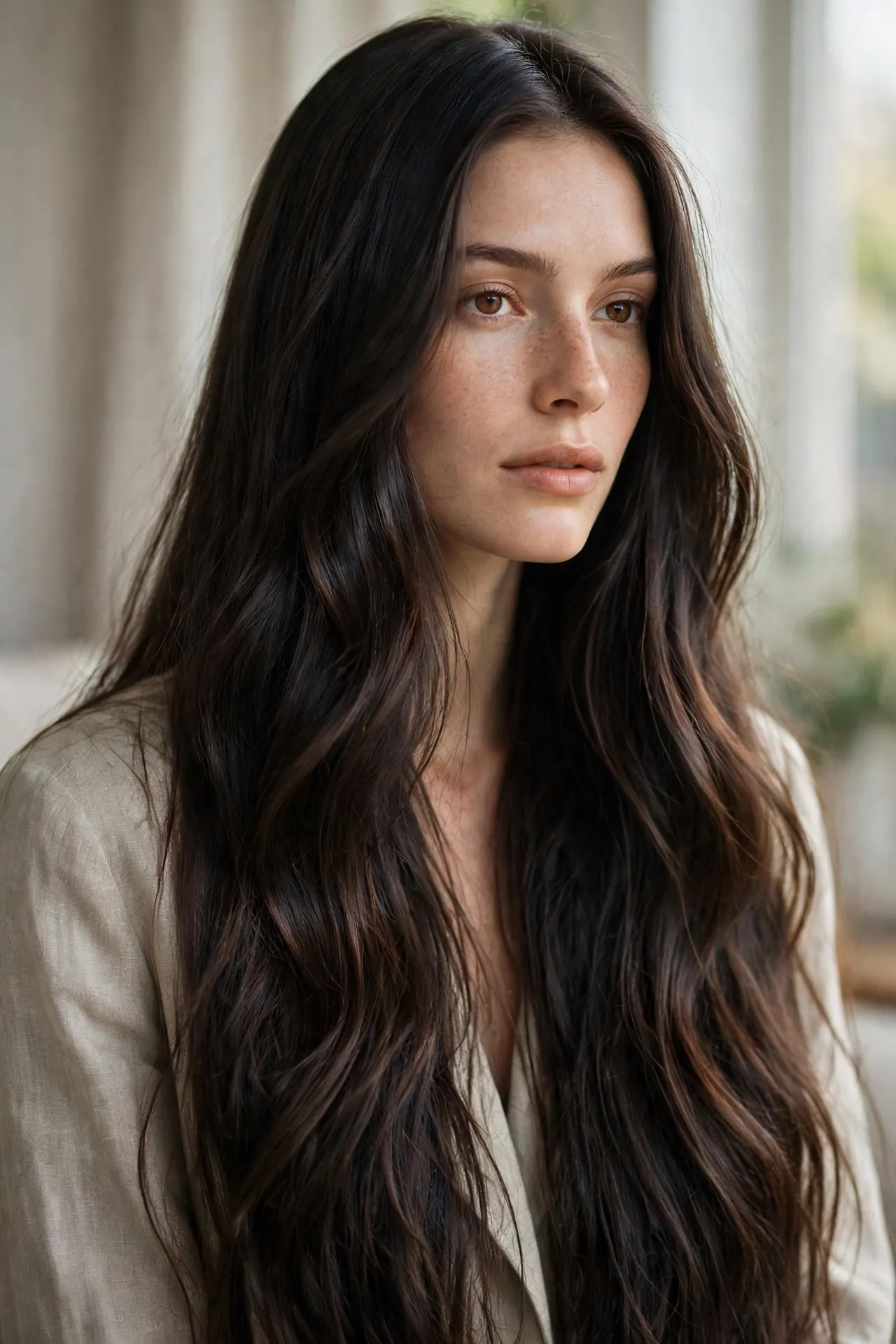
Soft Black Espresso
A very dark brown with subtle espresso and chocolate undertones rather than flat, true black. It reflects light in a way pure black simply doesn’t, and that difference is more noticeable than you’d expect on long hair. Maintenance: low. Tell your colorist Soft black espresso, subtle undertone, not flat black.
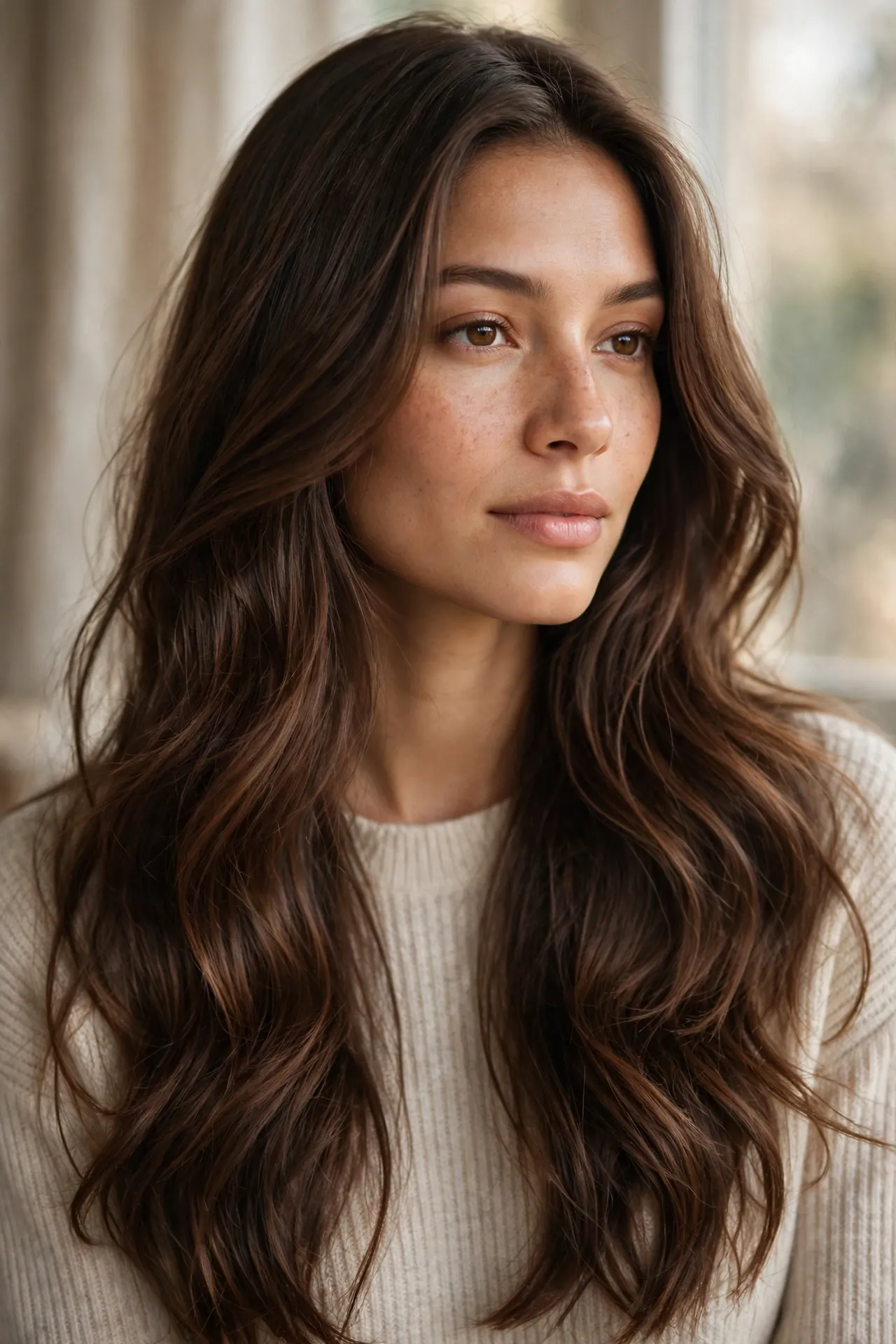
Mocha Brown
A rich, medium brown with a soft, warm undertone, somewhere between chocolate and chestnut. Versatile and suits nearly every skin tone. Maintenance: low. Tell your colorist Mocha brown, medium warm tone, all over color.
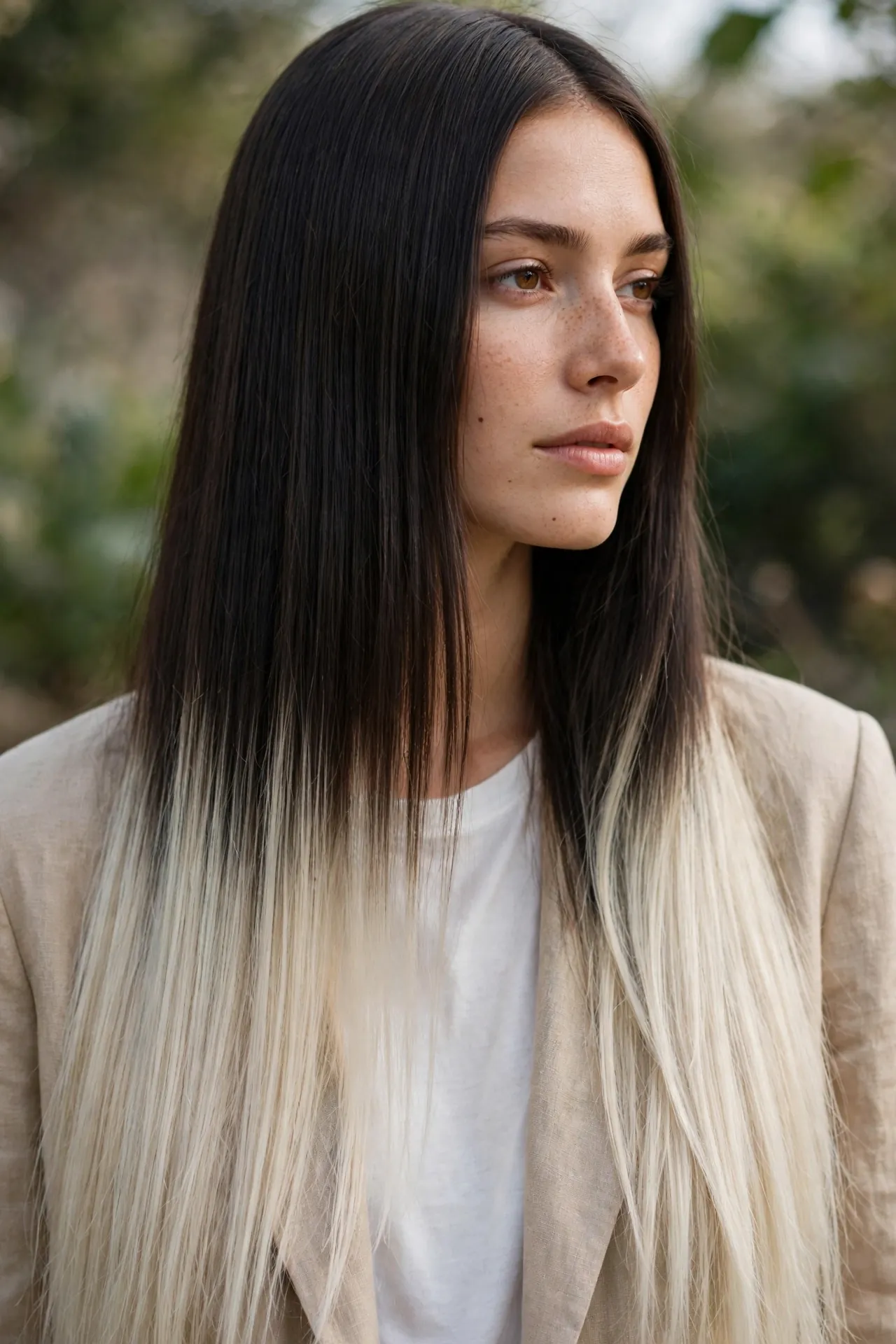
Two Tone Dip Dye
A distinct dark root that transitions into a noticeably lighter, contrasting color at the ends, more graphic and less blended than balayage or ombre. This is the boldest technique on the list and it isn’t subtle by design. Maintenance medium, the contrast needs upkeep to stay crisp. Tell your colorist Dip dye, distinct contrast, dark root to light ends.
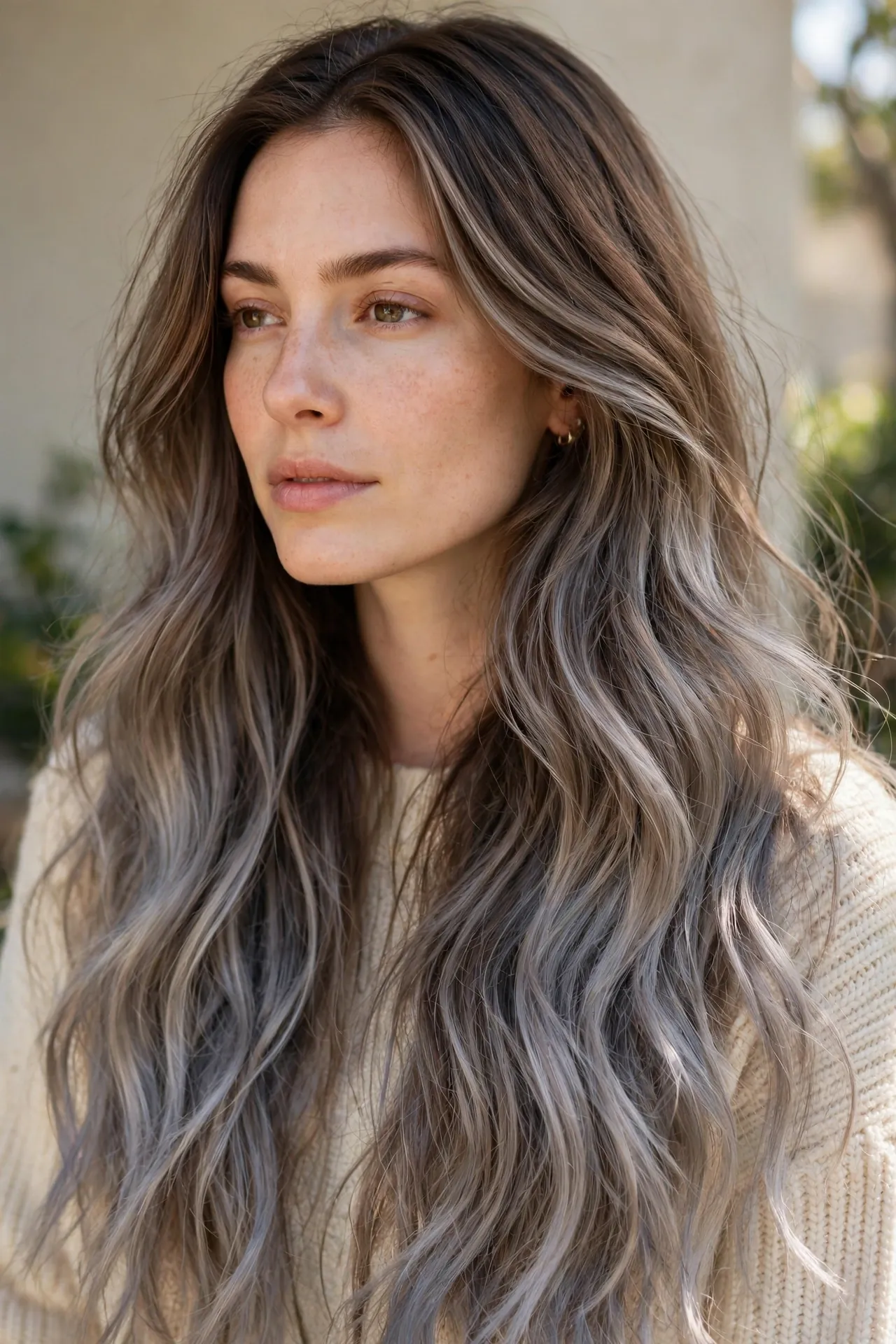
Silver Gray Blend
Natural gray blended with a soft brown base rather than fully covered, creating a gradual, intentional transition into silver. A genuinely modern option for anyone easing into gray rather than fighting it. Maintenance: low, since it works with your natural growth instead of against it. Tell your colorist Gray blending, soft brown base, natural transition, not full coverage.
How to Choose Based on Your Base and Commitment Level
If you want the lowest possible commitment, rooted caramel brunette, sandy blonde with shadow root, or a chocolate brown balayage grow out beautifully with minimal upkeep.
If you’re naturally brunette and want brightness without a full change, money piece highlights or chestnut with face framing highlights will do the most with the least.
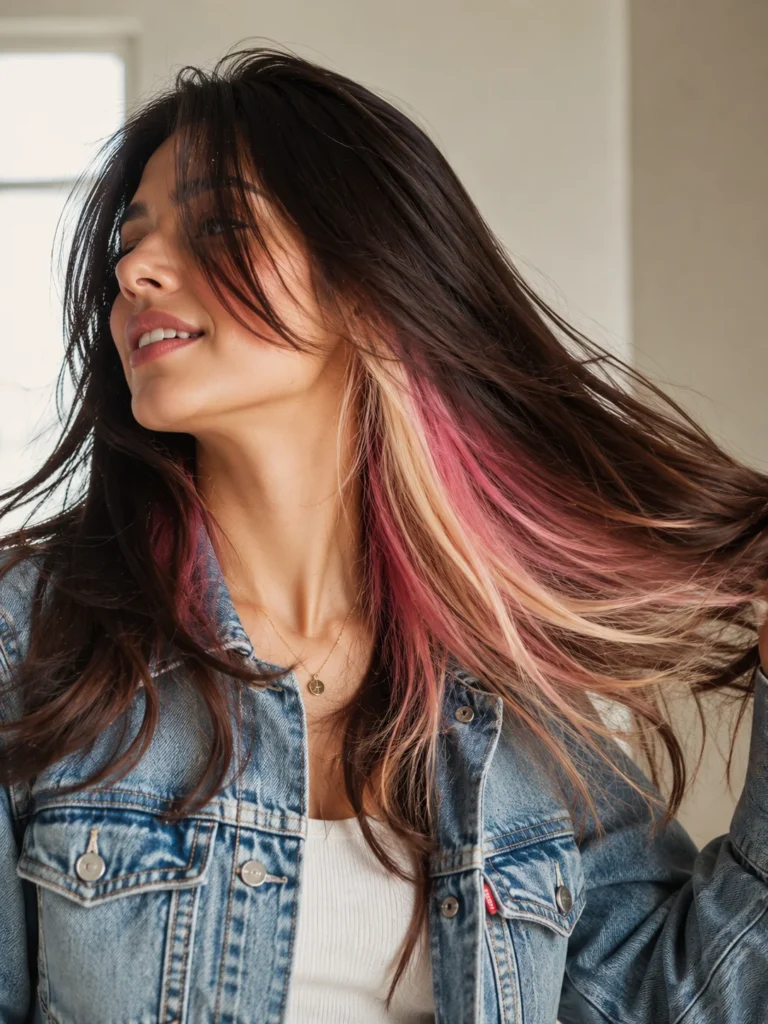
If you’re ready for real contrast, platinum blonde ombre, two tone dip dye, or burgundy balayage deliver genuine drama.
If you want warmth that photographs well, caramel melt, copper balayage, or warm auburn all catch light beautifully, especially outdoors.
If you’re transitioning to gray rather than covering it, silver gray blend is worth asking about specifically, since not every colorist offers it as a distinct service.
FAQs
What’s the difference between balayage, ombre, and dip dye for long hair? Balayage is hand painted for a soft, natural gradient with no visible lines. Ombre is a more deliberate, gradual light to dark transition from root to end. Dip dye is the boldest of the three, with a distinct, less blended contrast between the root color and the ends.
Which long hair colors need the least maintenance? Rooted color techniques, like rooted caramel brunette or sandy blonde with a shadow root, need the least upkeep because the root is left intentionally close to your natural color, so regrowth doesn’t create an obvious line.
Is it better to go lighter or darker for long hair? Neither is objectively better. Going lighter through the ends tends to add the appearance of movement and dimension, while going darker at the root tends to add depth and make the overall color feel more grounded. The right call depends on how much contrast you actually want.
Can I blend gray hair into long hair color instead of covering it fully? Yes, and it’s becoming increasingly common. Gray blending mixes your natural silver with a soft brown or beige base rather than fully covering it, which creates a more gradual, natural transition than a full color would.
How often do I need touch ups for long hair color? It depends entirely on the technique. Balayage and rooted color can often stretch 3 to 5 months between full refreshes, while all over color or bold contrast techniques like dip dye typically need attention every 6 to 8 weeks.
Final Thought
The best long hair color is the one that works with how much upkeep you’re actually willing to commit to, not just the one that looks best in a single photo. Pick two or three shades from this list that fit your natural base and your real life schedule, bring them to your colorist, and let the conversation about technique guide the final decision as much as the color itself.