22 Elegant Bun Hairstyles for a Timeless and Polished Look
Some hairstyles arrive loudly and vanish within a season. Elegant bun hairstyles have never worked that way. The same shape that Grace Kelly wore to premieres still turns up on Oscar red carpets, in boardrooms, at weddings and on the walk from your car to a 9am meeting. It survives because it does something no other style manages: it looks deliberate without looking difficult.
Awards season set the tone for the year. Us Weekly’s 2026 forecast pointed toward sleek buns, sculpted chignons and pristine twists dominating the red carpet, with a distinctly ballet-inspired lean. Nicole Petty, brand director at Milk & Blush, observed that the Grammy updos shared one common thread: intentional structure balanced with softness. That balance is exactly where bun styling sits right now. Not rigid, not sloppy, somewhere carefully in between.
Below are 22 versions worth learning, organised by finish, technique and occasion.
Sleek and Structured Buns
Precision is the whole point in this category. These are the shapes that read formal, professional and expensive.
The Classic Low Chignon
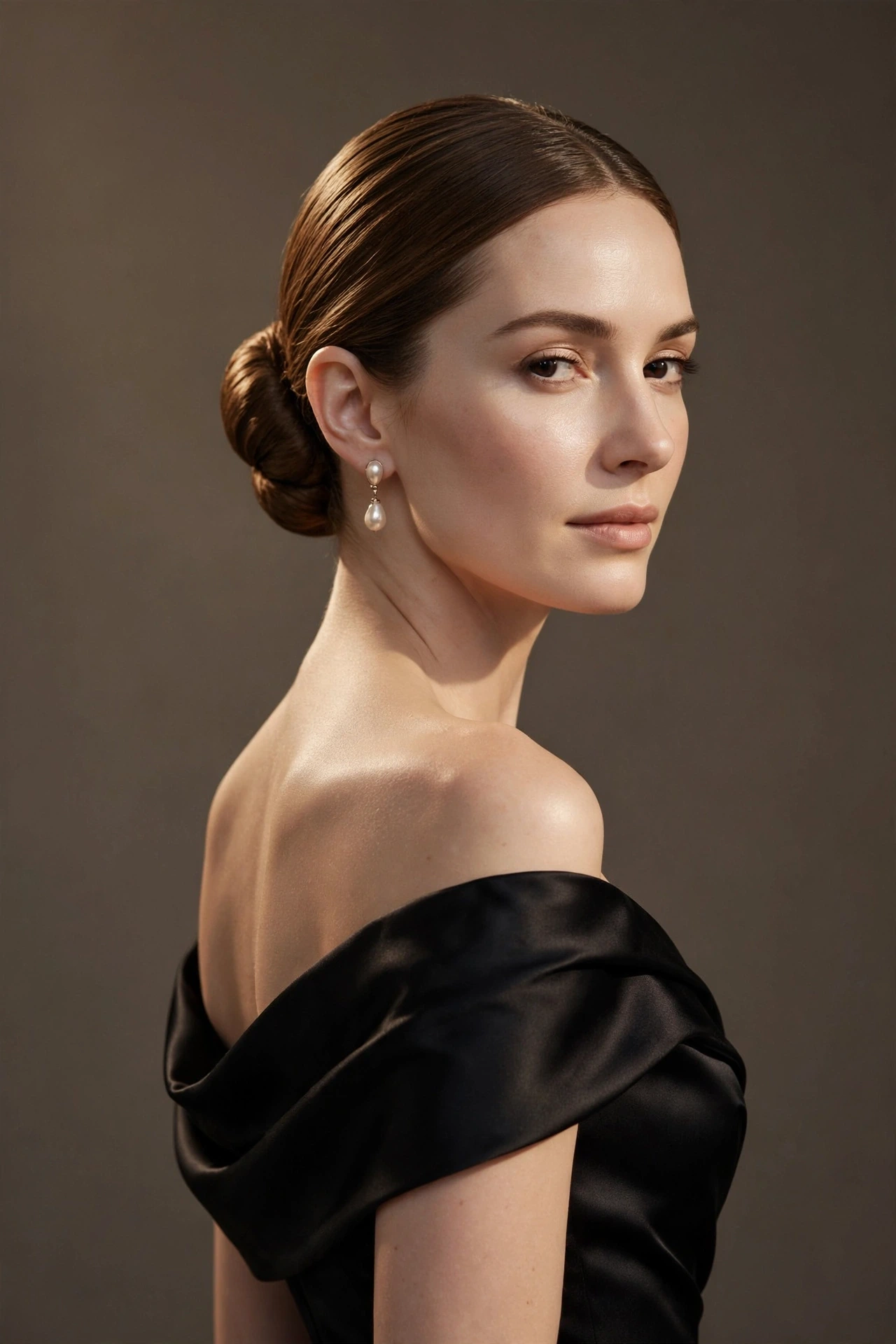
A chignon is a knot secured at the nape, and the word itself comes from the French phrase meaning “at the nape.” It flatters nearly every age and face shape because it sits low enough to avoid distorting your proportions. Medium to long hair works best, though anyone with a longer bob can manage a compact version. Decorative pins or a small comb turn it from everyday to evening in about thirty seconds.
The Sleek Ballerina Bun
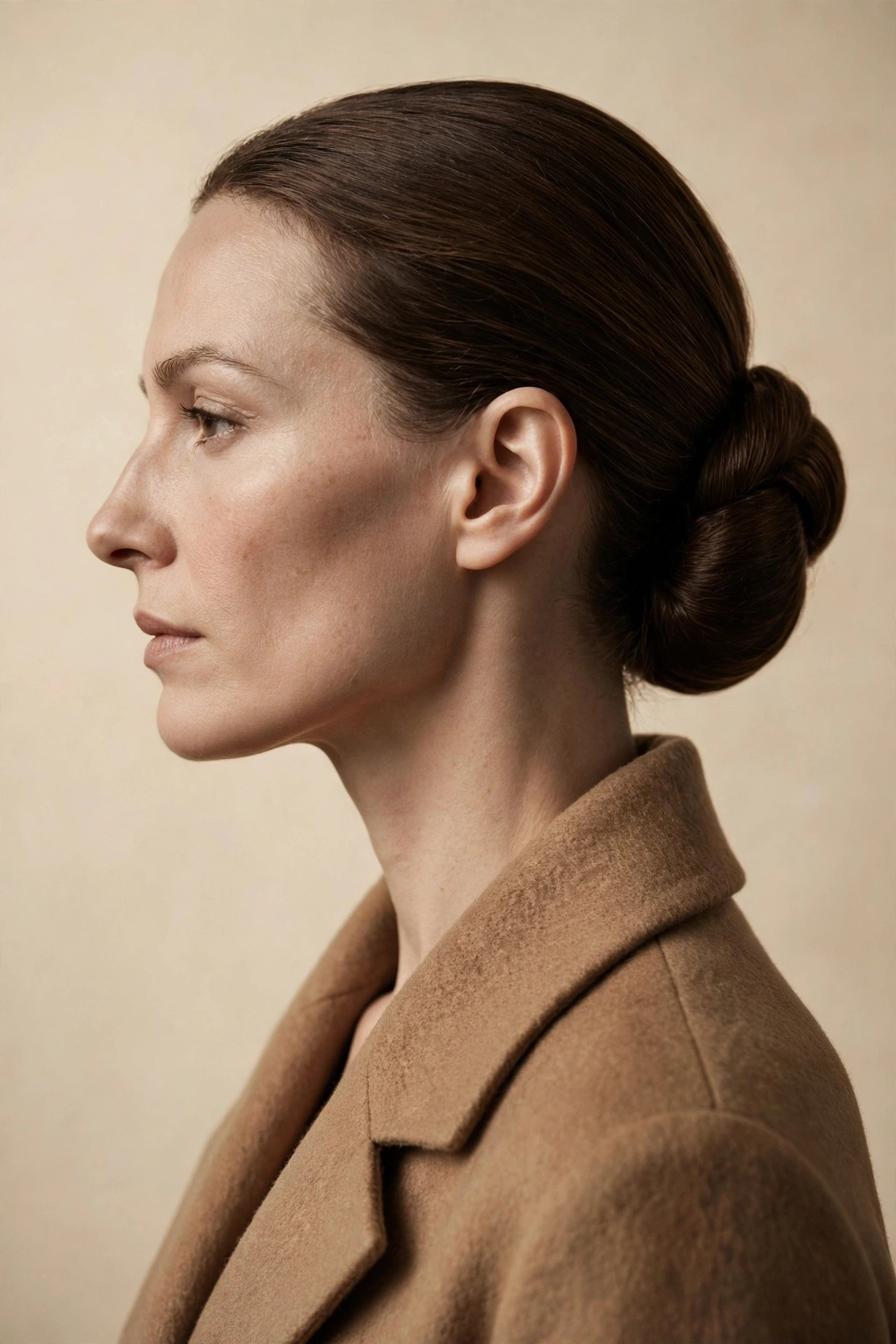
Watch any dancer prep before a performance and the sequence is always the same: brush, gather, twist, pin, spray. Nothing improvised about it.
Positioned high on the crown, this bun lifts the entire face and elongates the neck. It needs genuine tension to hold, which is why it suits thick hair better than fine. Ballet-inspired styling has resurfaced strongly in 2026, and this is its cleanest expression.
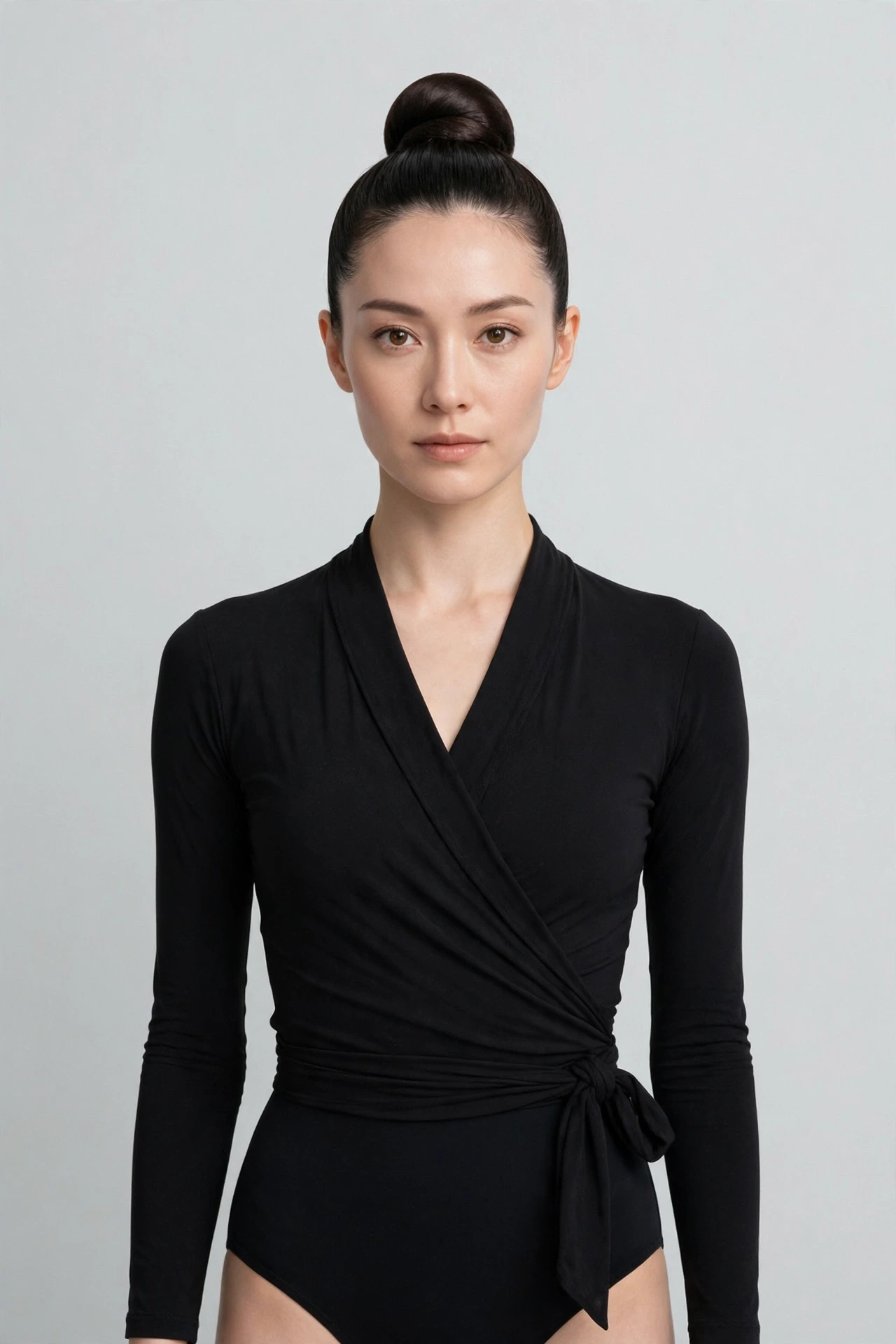
The French Twist Bun
Why has this shape lasted seventy years? Because it hides a huge amount of hair in a very small silhouette. Rather than coiling into a round knot, the hair is folded vertically against the back of the head and pinned along a seam. The result reads more architectural than a standard bun. It sits comfortably alongside the sleek low bun as one of the two updos most people consider the professional gold standard.
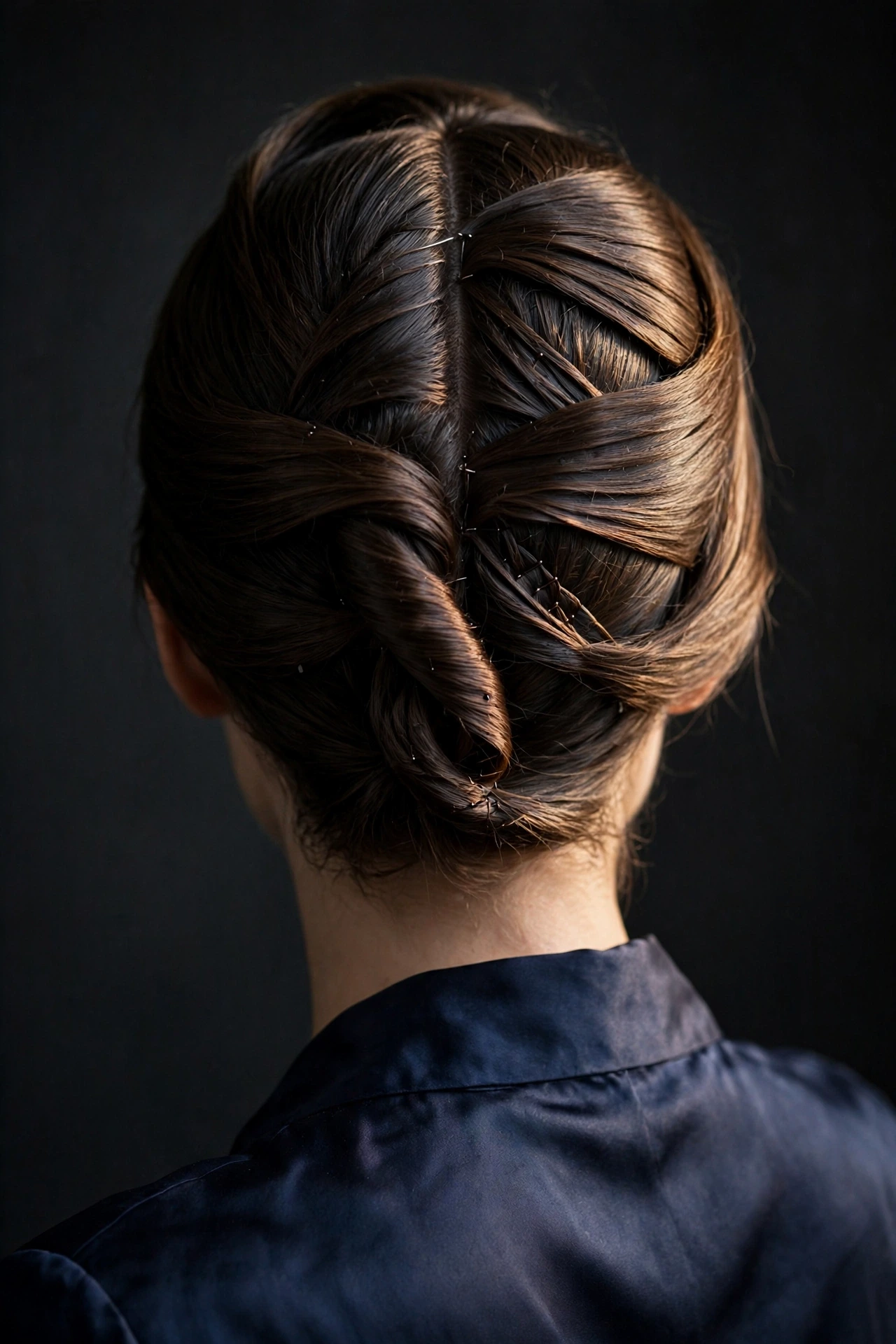
The Sculpted Side Chignon
Ninety degrees. That’s roughly how far the whole look shifts when you move a chignon from centre-back to just behind one ear, and the effect on your profile is dramatic. Asymmetry draws the eye across the face rather than straight down it, which softens a square jaw considerably.
This placement also solves a problem nobody talks about: high-backed chairs and car headrests flatten a centre bun, while a side chignon survives both. Pair it with a deep side part and a smooth blow-dry through the front sections. Evening events and long dinners are where this one earns its keep.
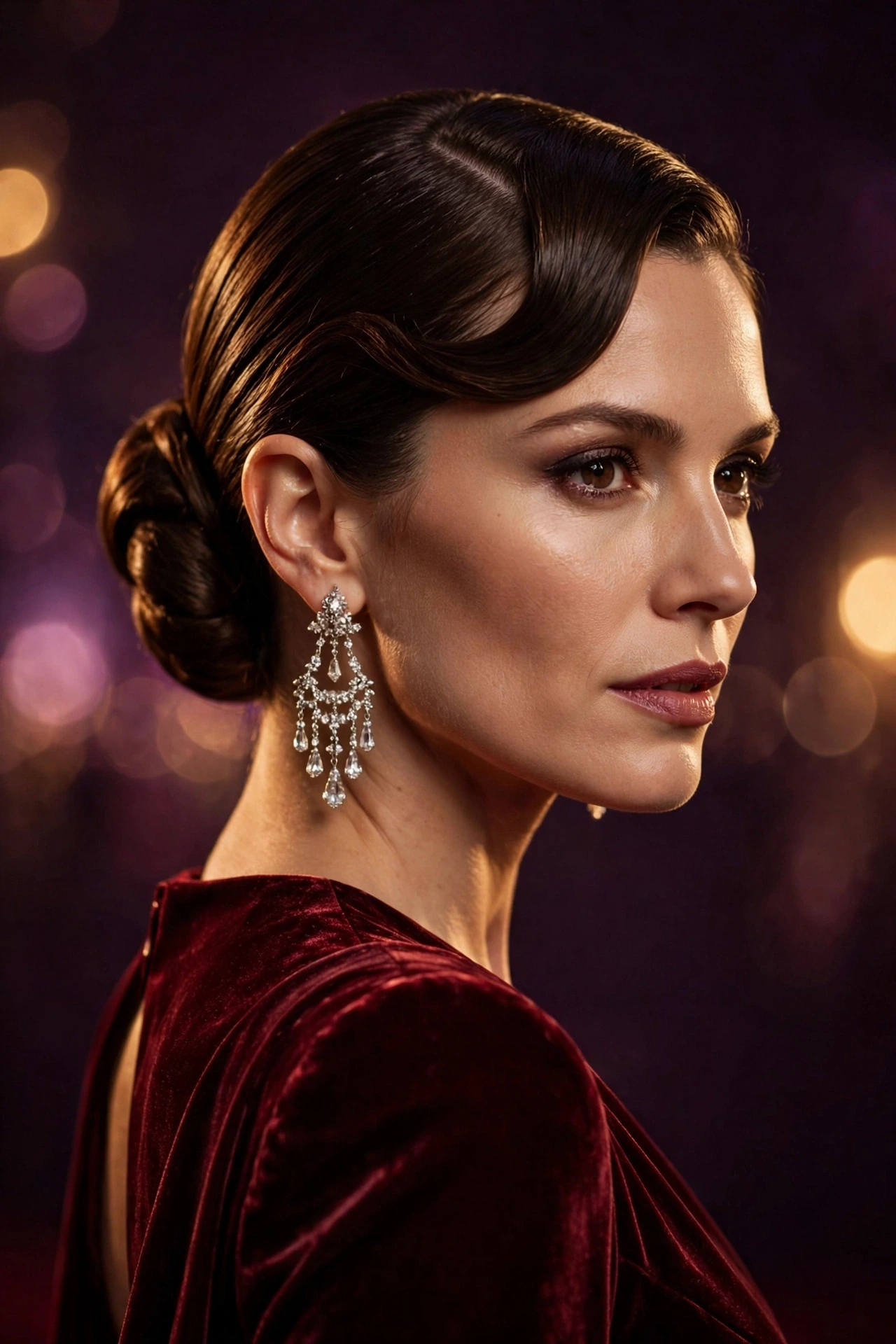
The Sleek Middle-Part Low Bun
Hair parted precisely down the centre, smoothed flat with gel or serum, then gathered into a compact knot at the nape. Minimal, modern, and the most photographed bun of the last three years. A shine serum applied before smoothing prevents the flat, dry look that ruins this style on porous hair.
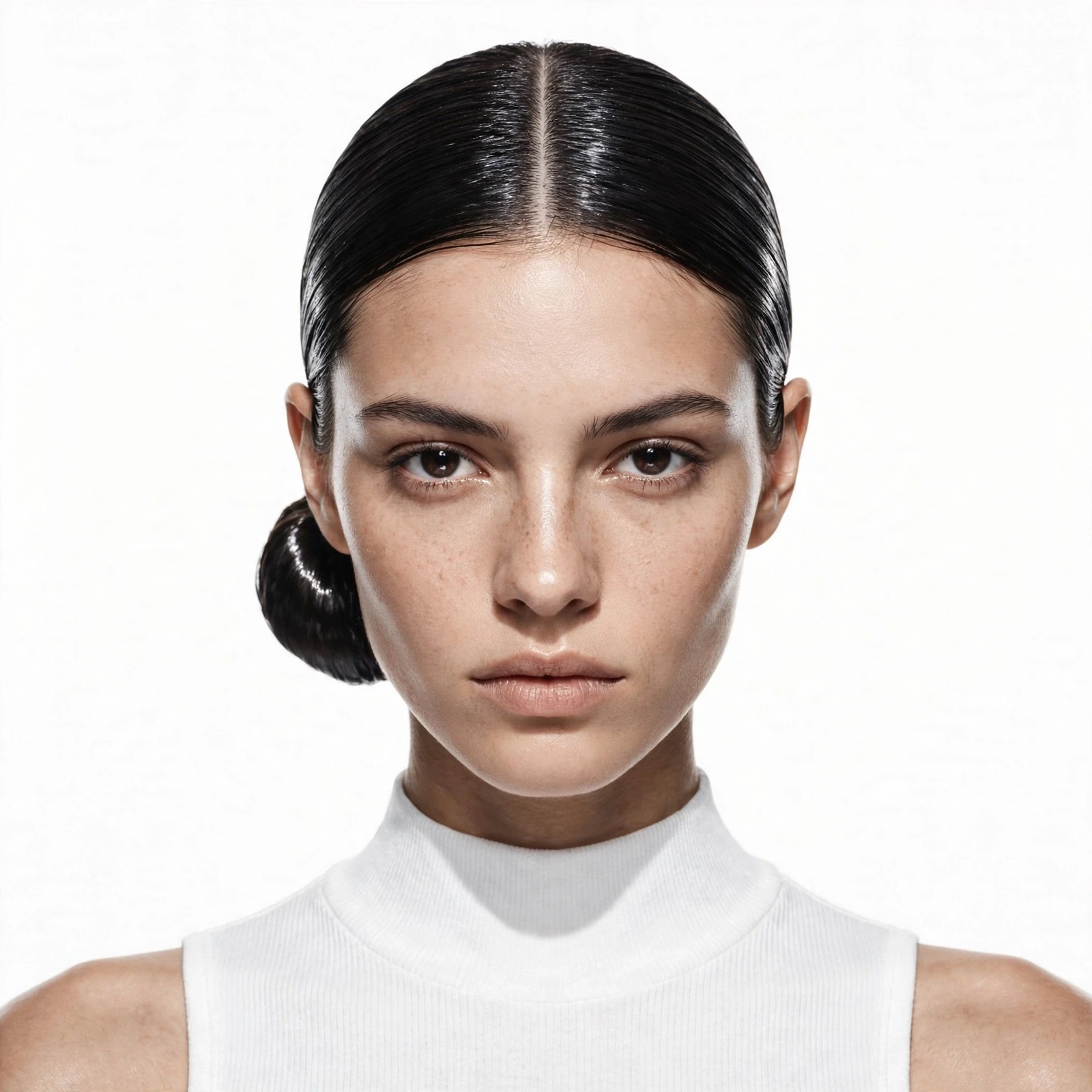
The Doughnut Bun
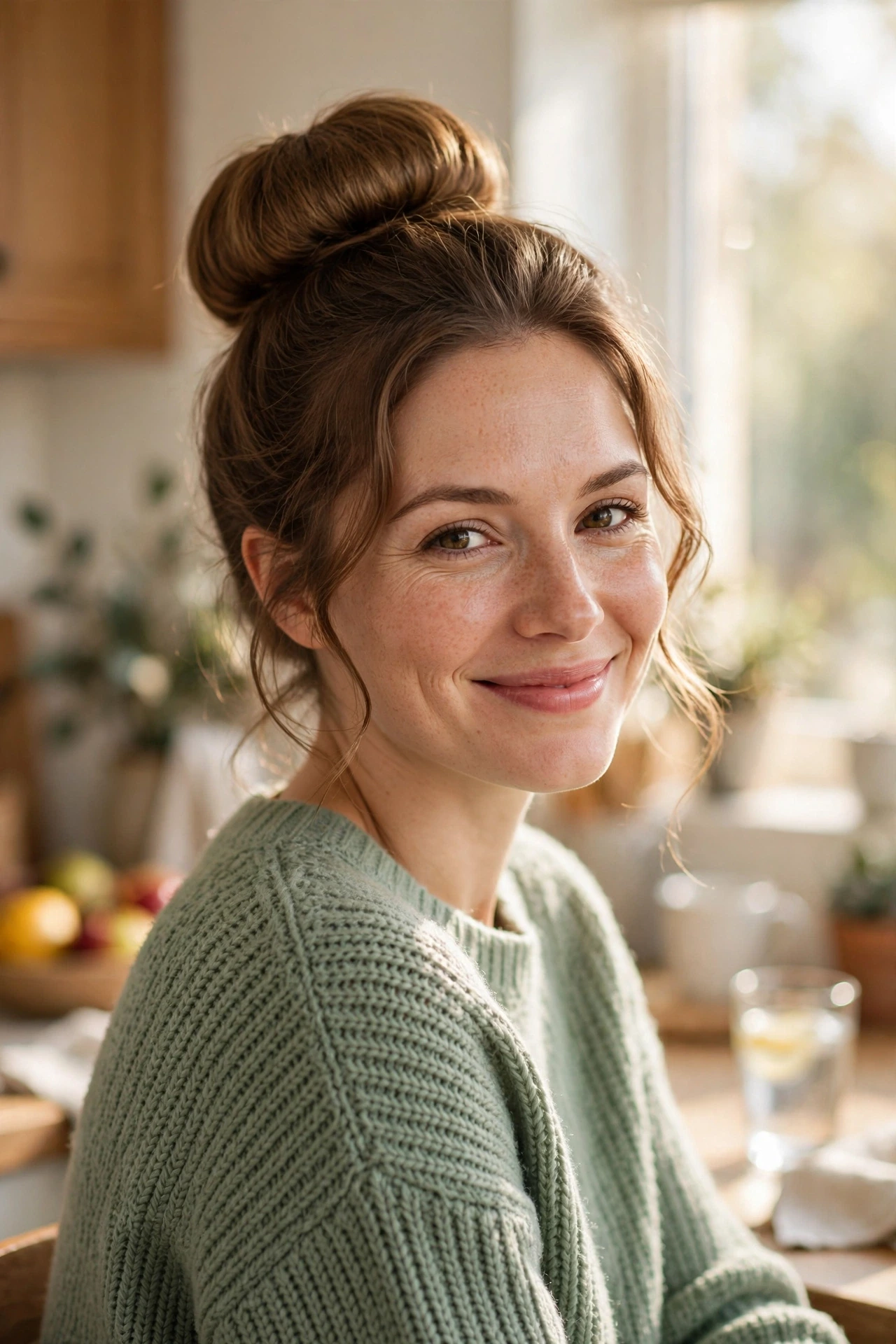
Most people assume a hair doughnut is cheating. Professional stylists use them constantly, particularly on clients with fine or shoulder-length hair.
The foam ring provides a base that your own hair simply wraps around, creating a full, even shape that would otherwise require considerably more length and density. Matching the doughnut colour to your hair matters, because a mismatched ring peeking through is the one thing that gives it away.
Soft, Undone Buns Defining 2026
Deliberately imperfect finishes have overtaken rigid perfection this year. The technique is different from what most people assume.
The Loose Nape Bun
Meghan Markle’s birthday post put this exact shape back into circulation, an airy knot resting at the nape with soft tendrils around the face. Hair forecaster and stylist Tom Smith has explained that this look is easiest two or three days after washing, since freshly cleaned hair lacks the grip it needs.
His method involves flipping your head upside down and shaking the hair out before securing a low ponytail, then twisting the ends upward and pinning. Movement and texture are the foundation, whether that comes from your natural wave or from heat. Finish with strong-hold hairspray, otherwise the softness collapses into genuine mess by lunchtime.
The Undone Chignon
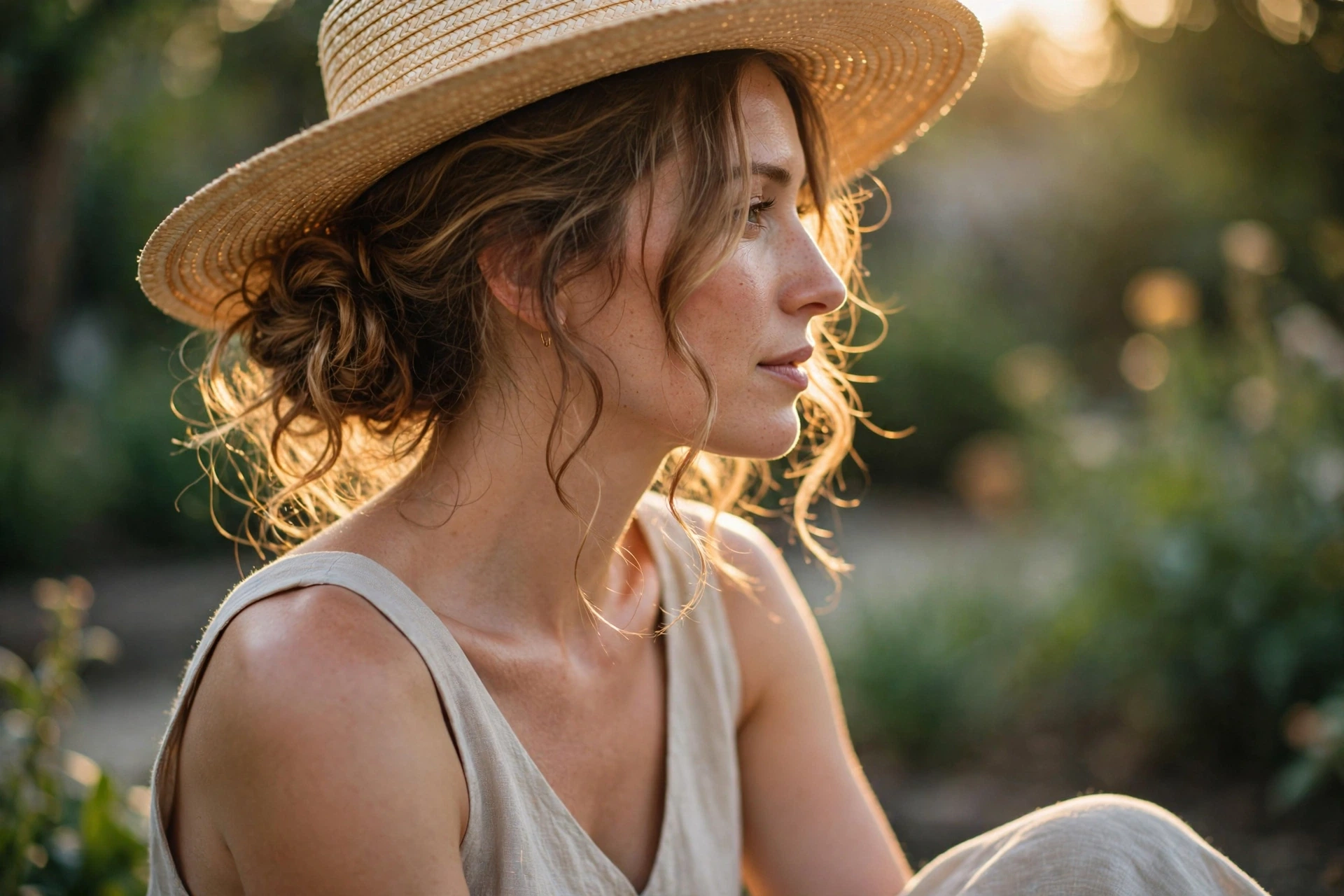
Sitting one step above a messy bun in polish while staying firmly in the relaxed camp, the undone chignon is arguably the most wearable updo of the year.
What makes it work:
- Smooth the top with a lightweight cream or serum, leave the bun itself textured
- Pin the knot in an X pattern underneath rather than jabbing pins straight in
- Pull out two curved pieces at the front, not four or five
- Add a slight side part to keep it from looking severe
Office wear, dinner plans and wedding guest outfits all suit it, which is a rare range for one style.
The Messy Top Knot
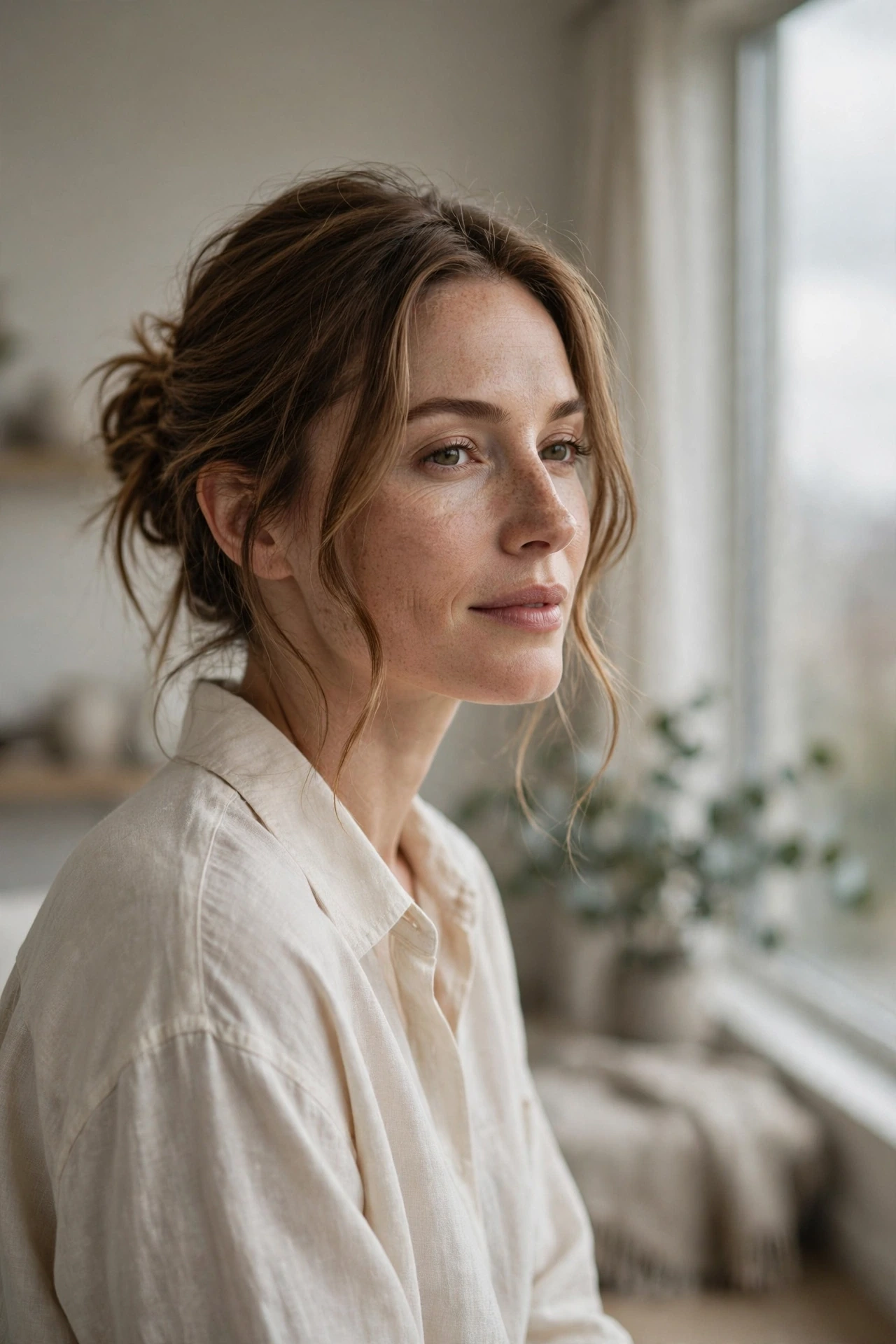
Loosely gathered high on the head with strands deliberately left loose, the messy top knot is the fastest style in this entire article. Second-day hair performs better than clean hair. Texture spray at the roots before gathering gives the grip that makes the difference between charming and collapsed.
The Claw Clip Bun
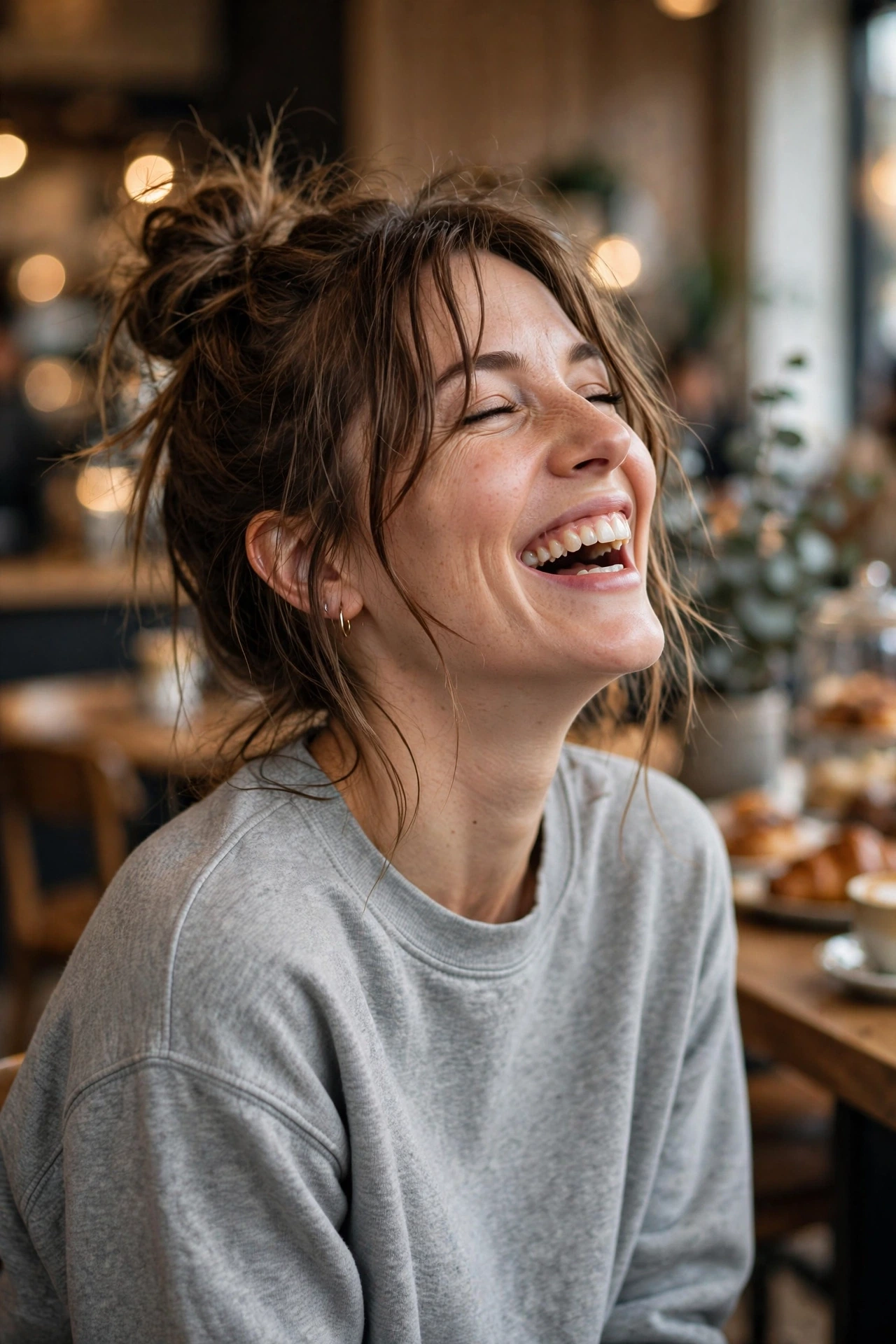
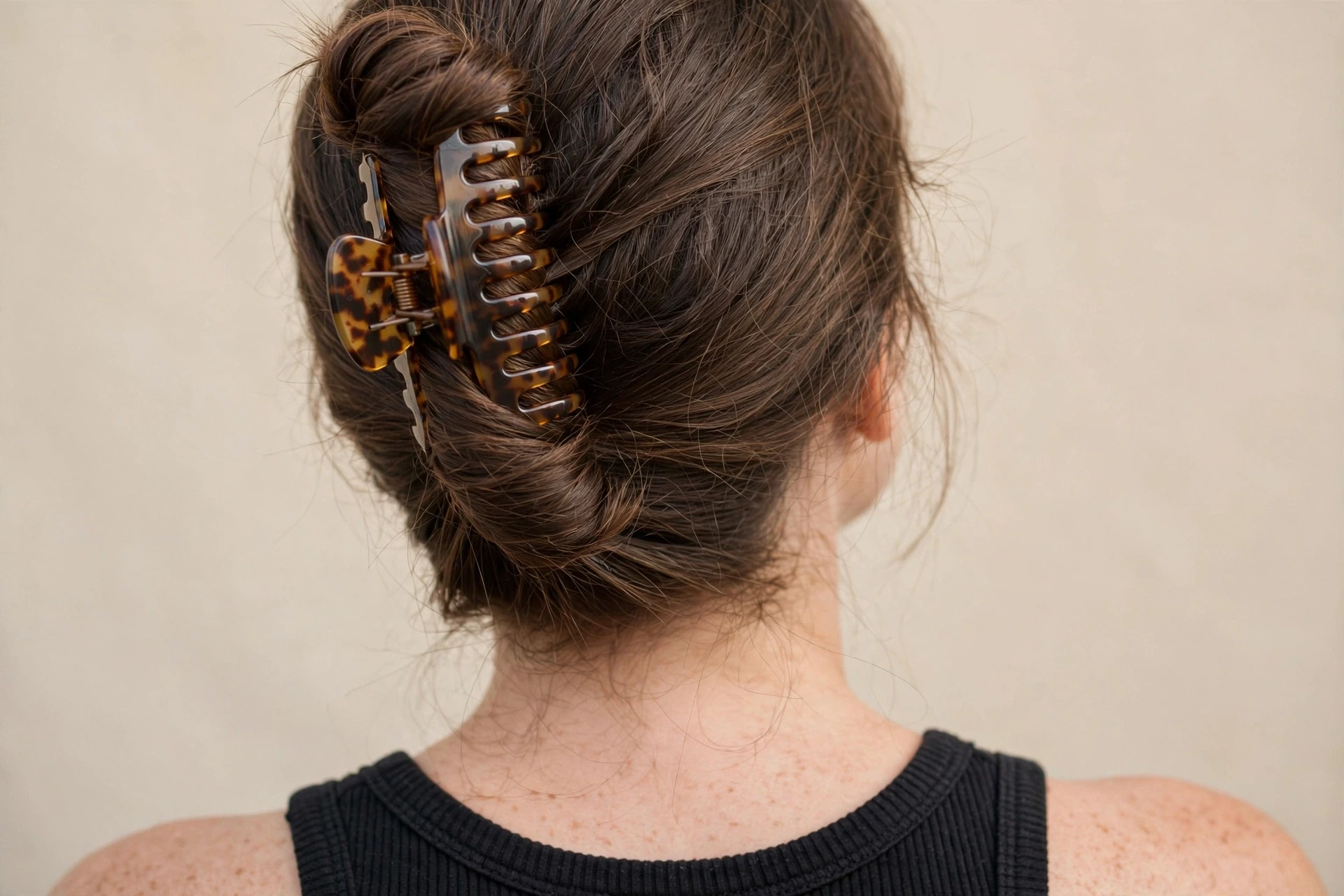
Two seconds of effort and no pins at all. Claw clips returned properly around 2023 and have quietly become one of the definitive 2026 updo choices, largely because they hold without the tension a hair tie creates. Twist the length, fold it upward against the head, and clamp. Larger clips grip thick hair better than the small ones that snap under weight.
The Bouffant Low Bun
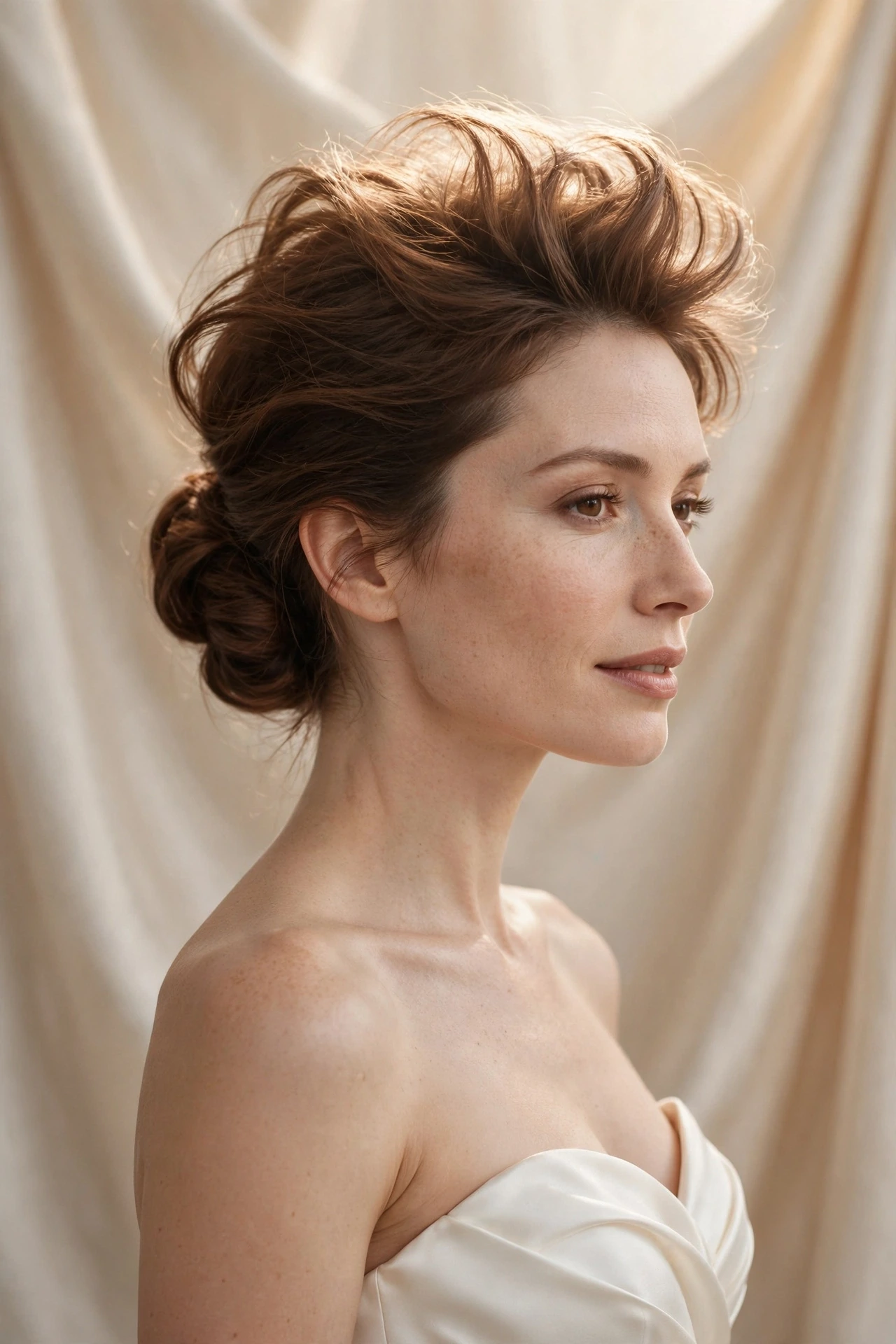
Feeling like your low bun makes your head look flat from the side? The bouffant fixes exactly that. Gently teasing the crown section before smoothing it over with a paddle brush creates lift that balances the volume at the back. The gentle rise at the crown pairs particularly well with strapless and V-neck necklines, since it complements that line rather than competing with it. Do not overtease. Three or four light passes at the roots is plenty.
Braided and Twisted Bun Styles
Adding a braid before you coil changes both the texture and the perceived thickness of your hair. These five reward a little patience.
The Braided Bun
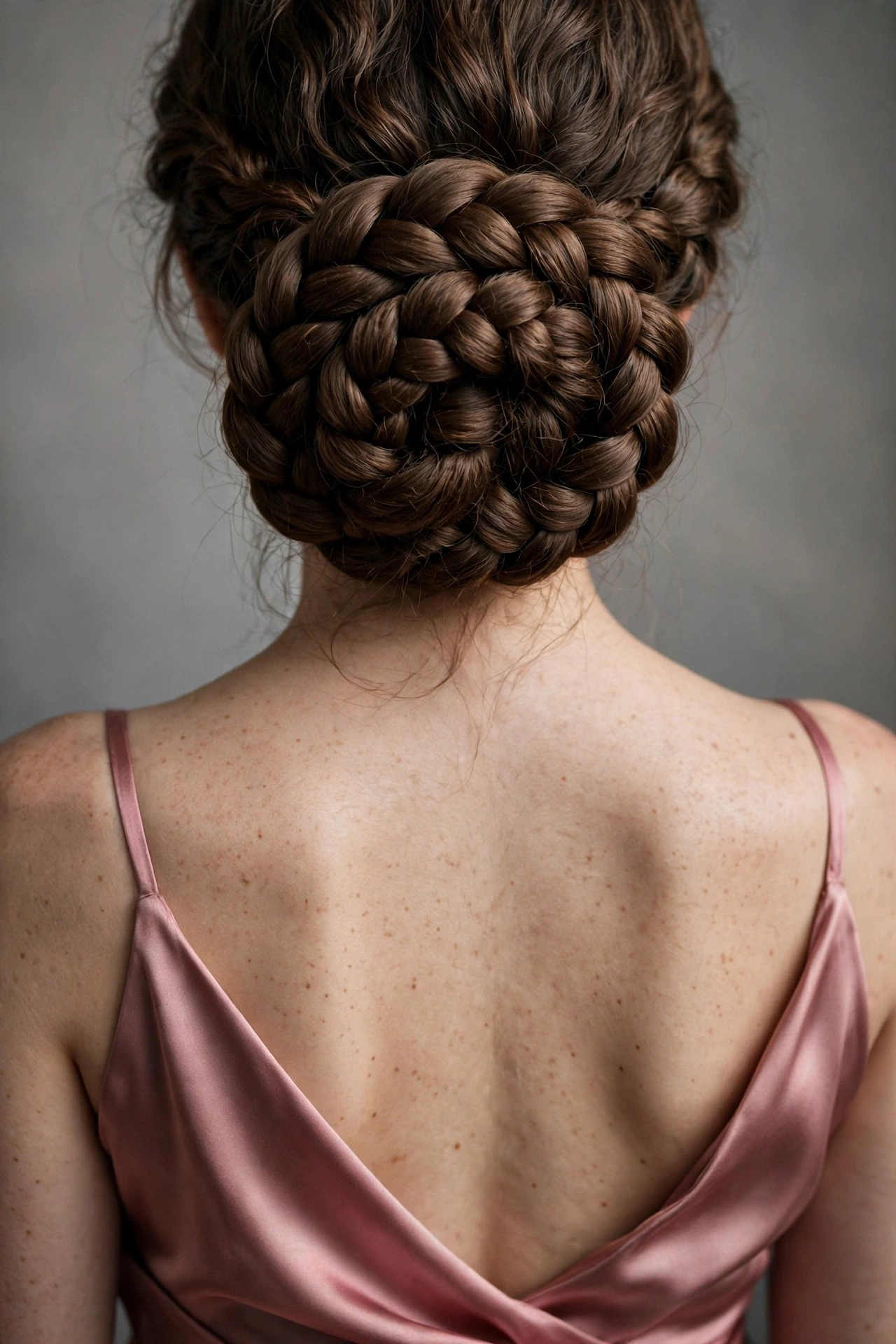
Stylists reach for this one when a client has fine hair but wants a bun with visible substance. Braiding before coiling expands the hair’s surface area, so the finished knot looks fuller than the same hair simply twisted. Formal weddings and galas suit the more intricate versions. Gently pancake the braid, meaning pull the edges outward, before wrapping it, and the volume roughly doubles.
The Fishtail Bun
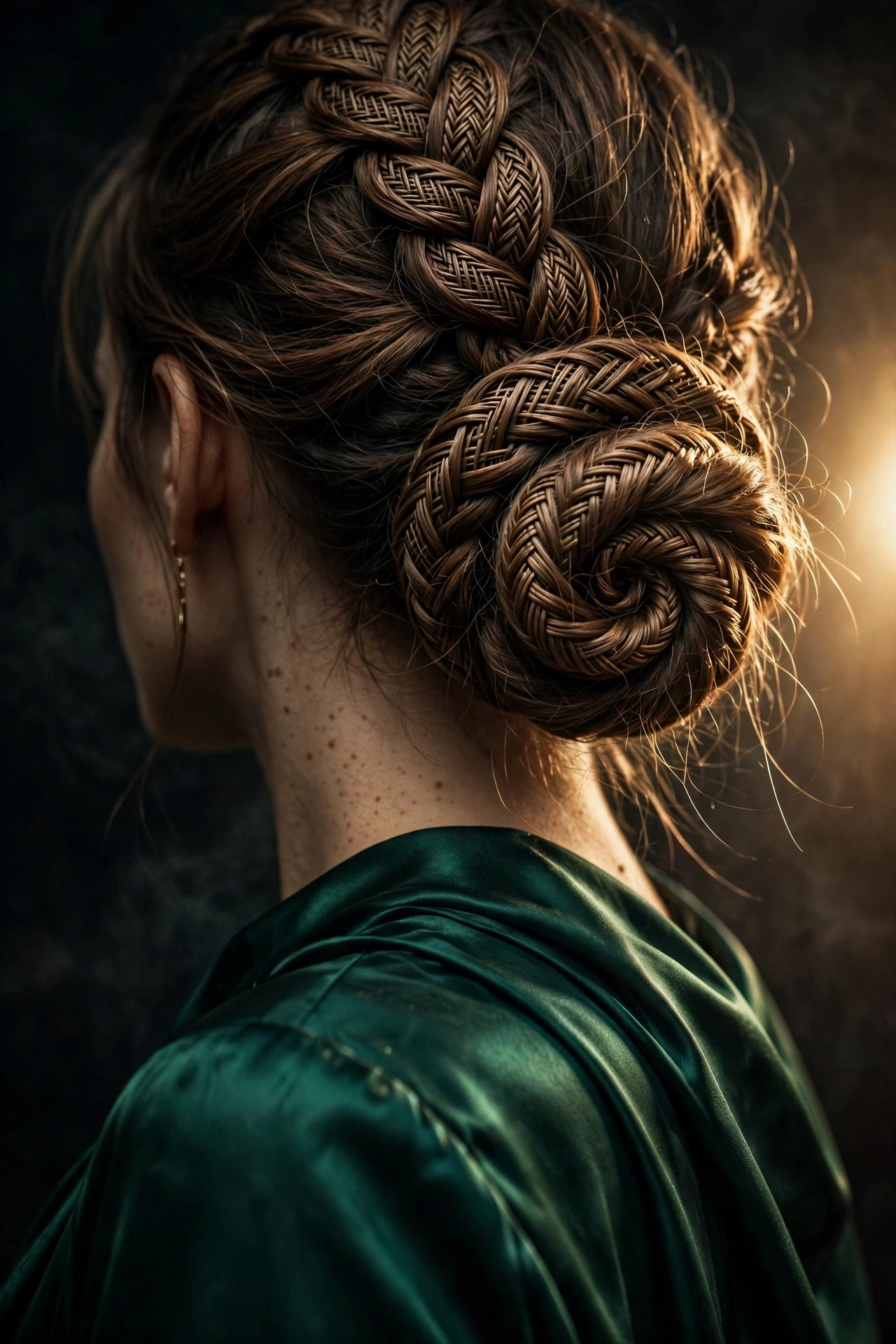
Forty minutes, sometimes more. That’s the honest time commitment on a fishtail bun, and it’s why most people attempt it once before an event rather than on a Tuesday.
The braid’s narrow, skeletal pattern reads far more intricate than a standard three-strand plait, and coiled into a low knot it looks genuinely couture. Worth it for a wedding, unrealistic for daily wear.
The Rope Twist Bun
Two sections twisted individually in the same direction, then wound around each other in the opposite direction. That simple counter-twist is what stops the whole thing unravelling.
Rope twists create dimension without requiring braiding skill, which makes this the easiest technical-looking bun on the list. It also conceals damaged or uneven ends effectively, since everything gets tucked inward.
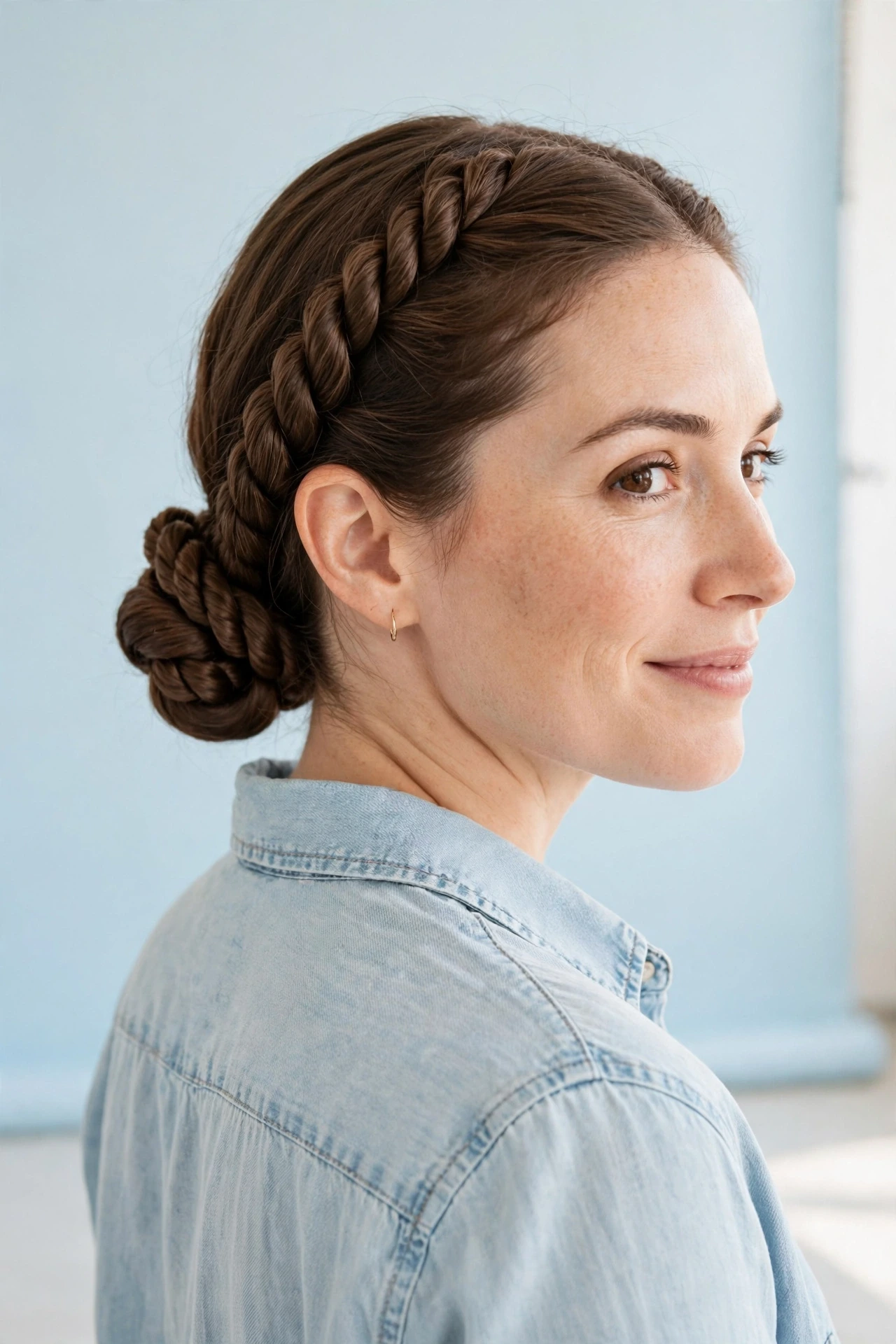
The Halo Braid Bun
Halo braids get dismissed as a festival style, which undersells them badly. Wrapping a braid around the crown before securing the remaining length into a low knot creates a genuinely regal silhouette that photographs beautifully from every angle. The technique is more forgiving than it looks, because the braid only needs to be neat where it faces forward. Sections at the back can be considerably rougher and nobody will ever see them.
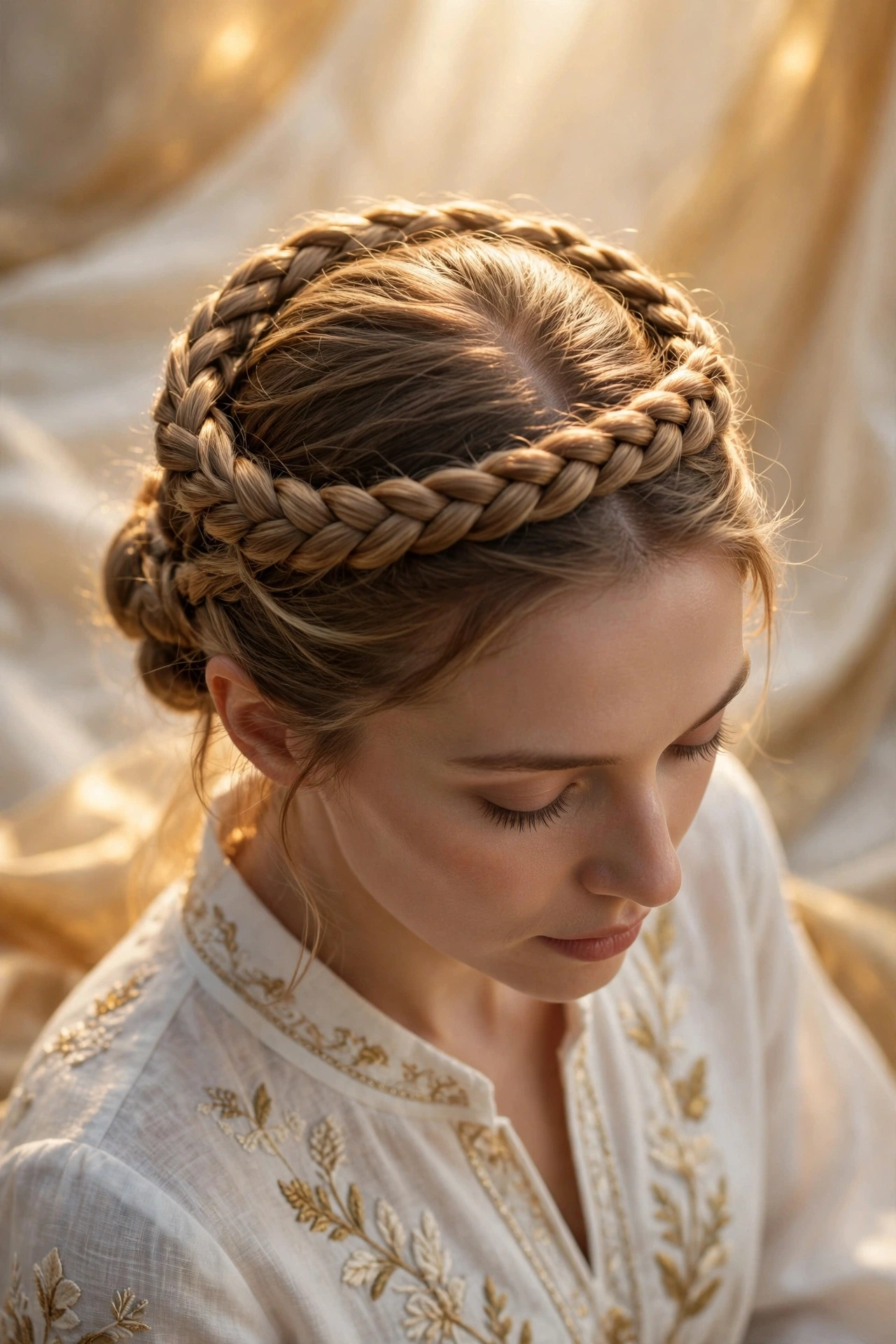
The Twisted Low Bun
Twisting the hair into two ropes before knotting them at the nape adds an intricate pattern without any real difficulty. Birthdays, office days, evening plans. It handles all three, and it takes under five minutes once you have done it twice.
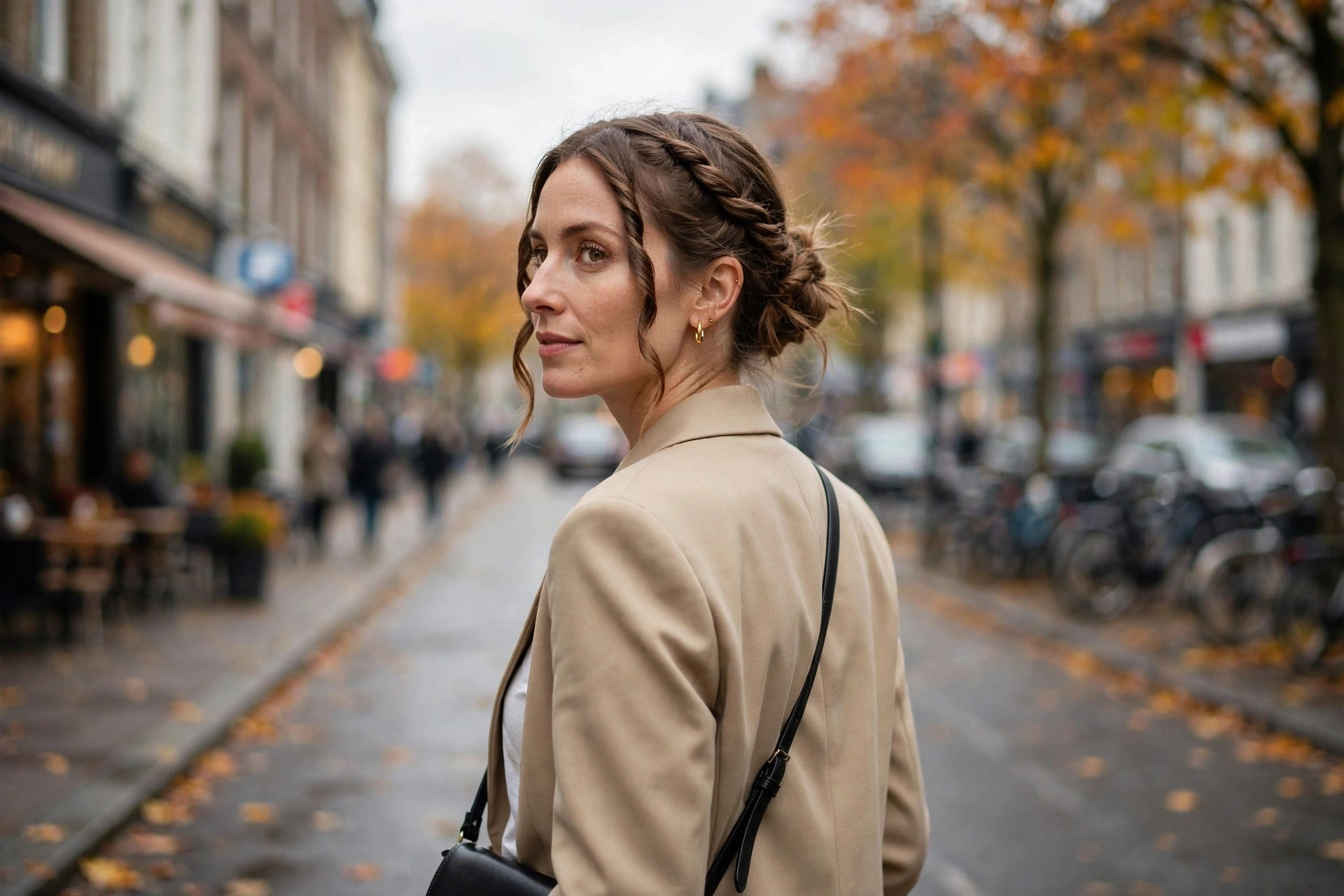
Buns for Specific Occasions and Hair Types
Your hair type determines the prep more than the style determines the result. This section covers the situations that trip people up.
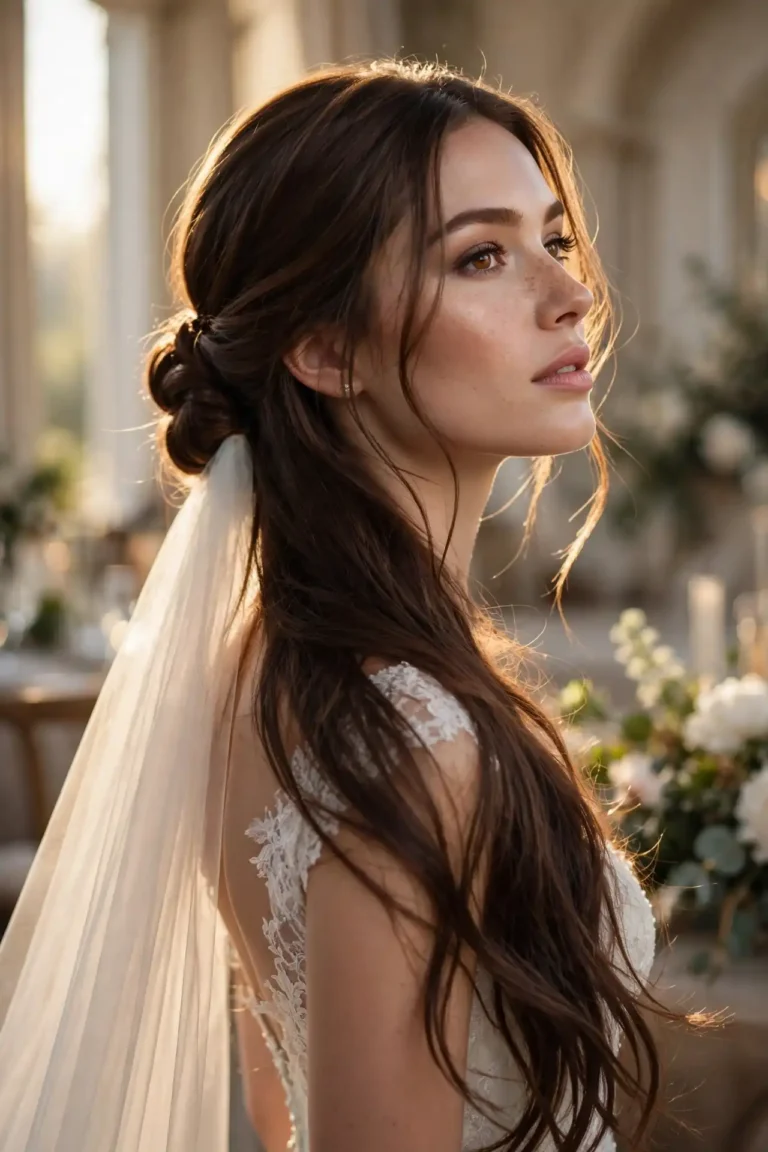
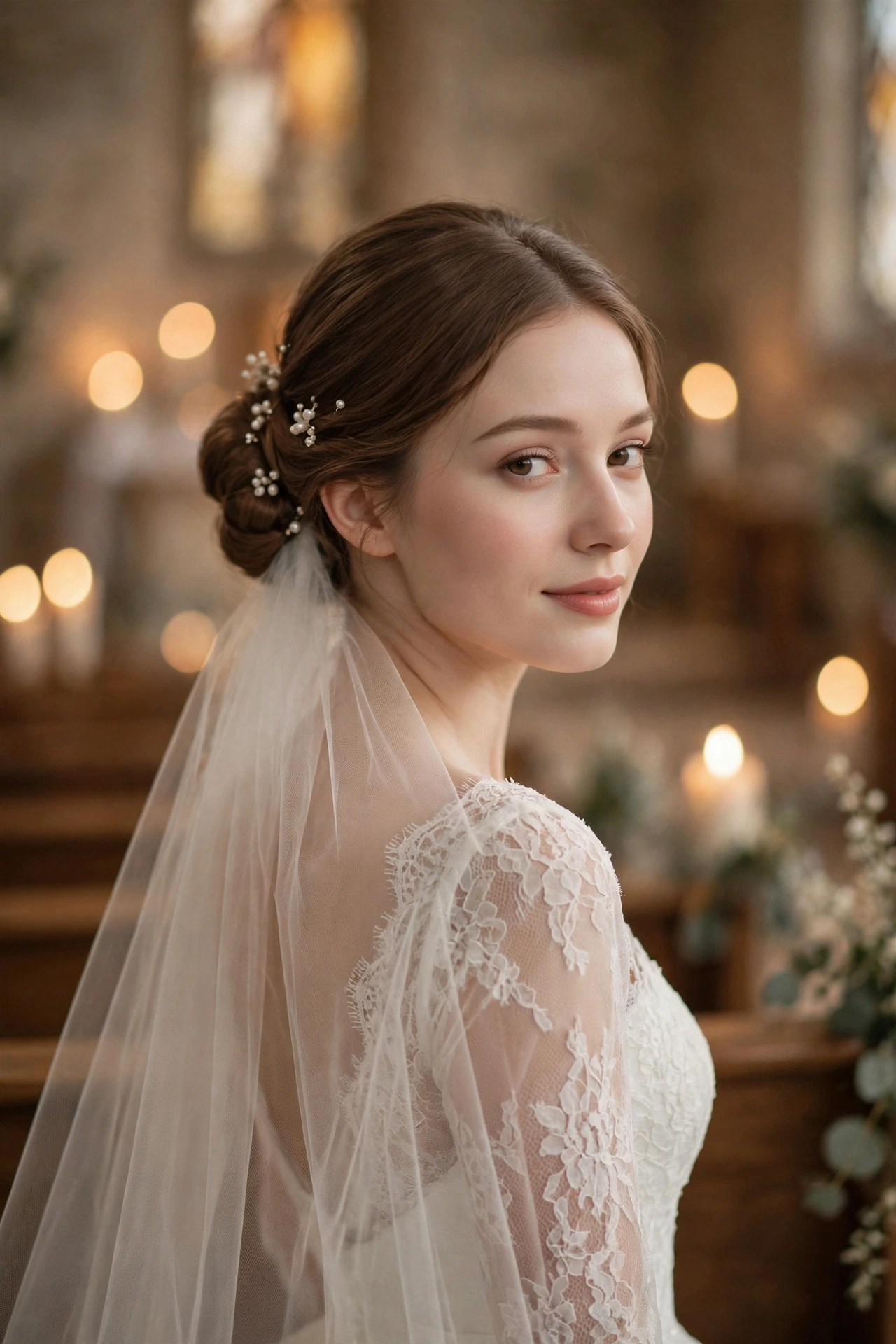
The Bridal Bun with Pearl Pins
Bridal buns fail for one predictable reason: they are styled for the ceremony instead of the whole day.
What actually holds through fourteen hours:
- Shine serum through mid-lengths before smoothing anything
- The X-pin technique at every anchor point
- The veil comb anchored underneath the bun, not through it
- Pearl pins or a comb placed slightly off-centre for balance
- A strong-hold spray applied in layers rather than one heavy blast
Book a trial. Watching your stylist build the shape once tells you more than any photograph can.
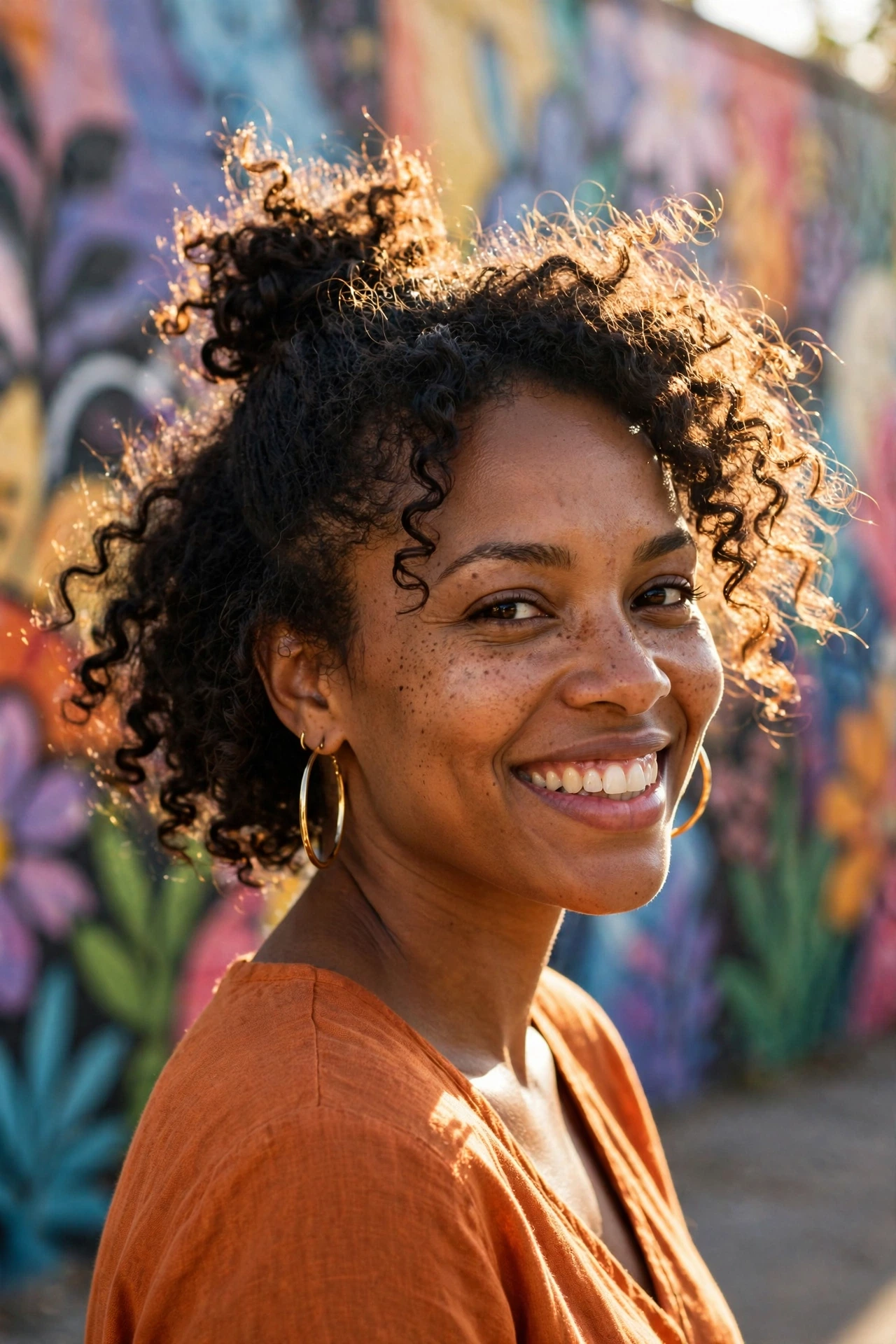
The Curly Top Knot
Curly hair gathers into a top knot faster than any other texture, and it holds without much help. Coils create their own grip, so you rarely need the texture spray straight hair depends on. Gather loosely rather than pulling tight, because compressing curls flattens the definition that makes the shape interesting. A silk scrunchie prevents the breakage that elastic bands cause along the ponytail line.
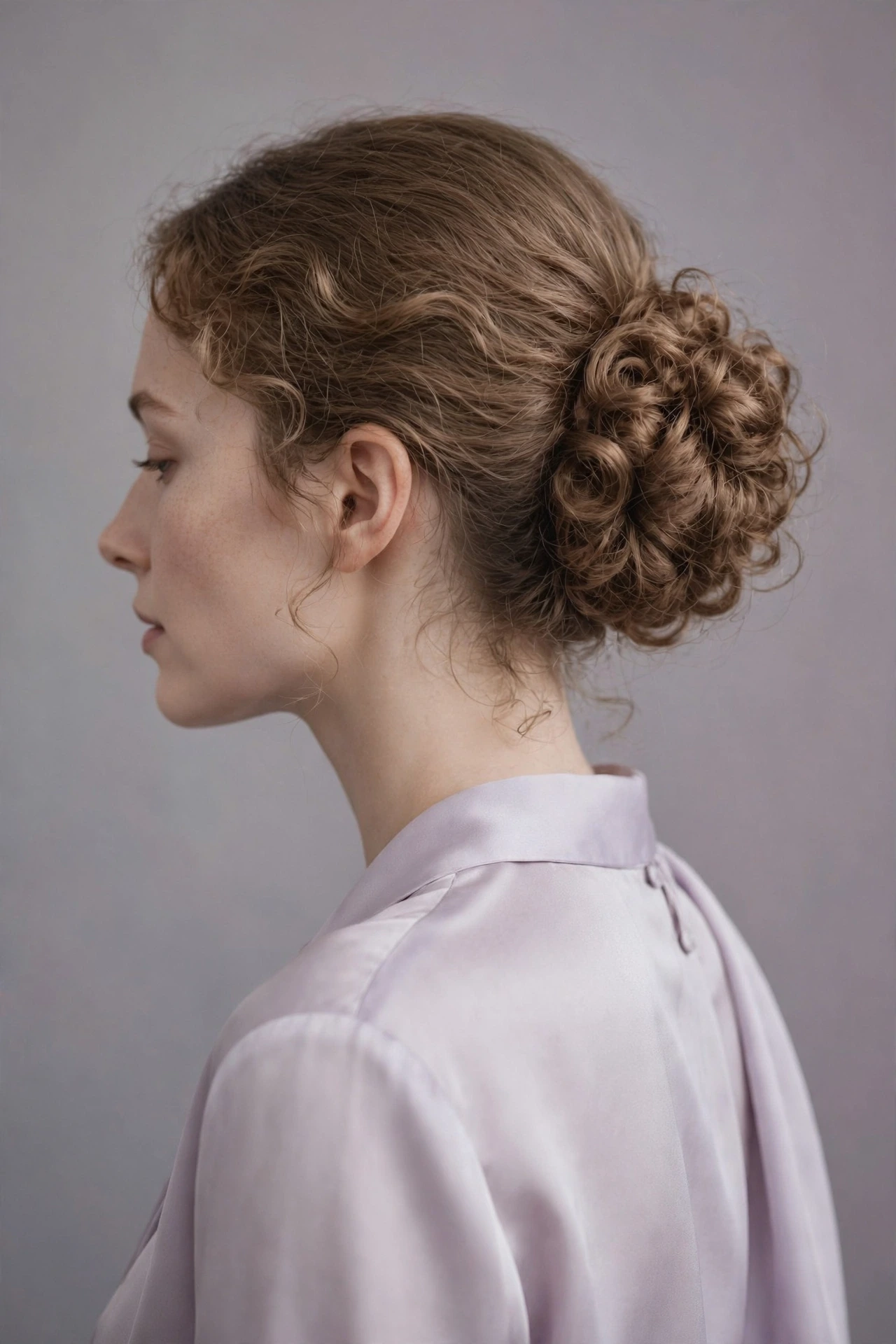
The Padded Bun for Fine Hair
Fine hair does not fail at buns because there isn’t enough of it. It fails because the hair is too smooth to grip itself. Slip is the actual problem, and product solves it. Dry texture spray or a light grit pomade worked through the roots before styling changes the outcome completely.
Beyond that, curling the length loosely before pinning creates bulk that a straight ponytail simply cannot produce, and a small hair pad or doughnut underneath fills out the shape without adding weight. A smaller, neater bun on fine hair reads delicate and intentional. A large one that has been forced into place reads sparse.
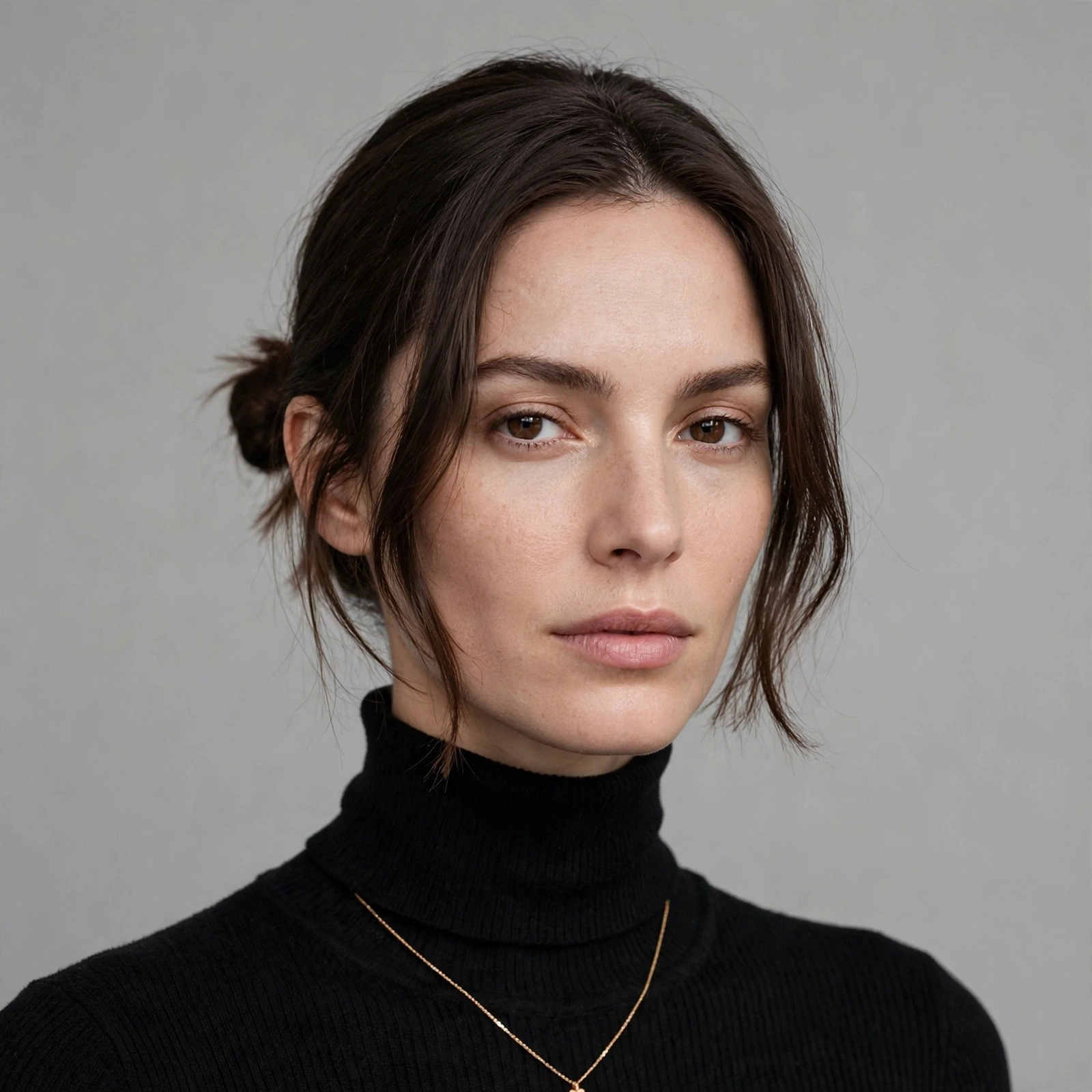
The Mini Bun for Short Hair
Shoulder-length hair and even a long bob can hold a compact low bun, provided you lower your expectations about size. Secure a small ponytail first, twist, then pin the ends in tightly. Loose pieces at the sides stop it looking half-finished.
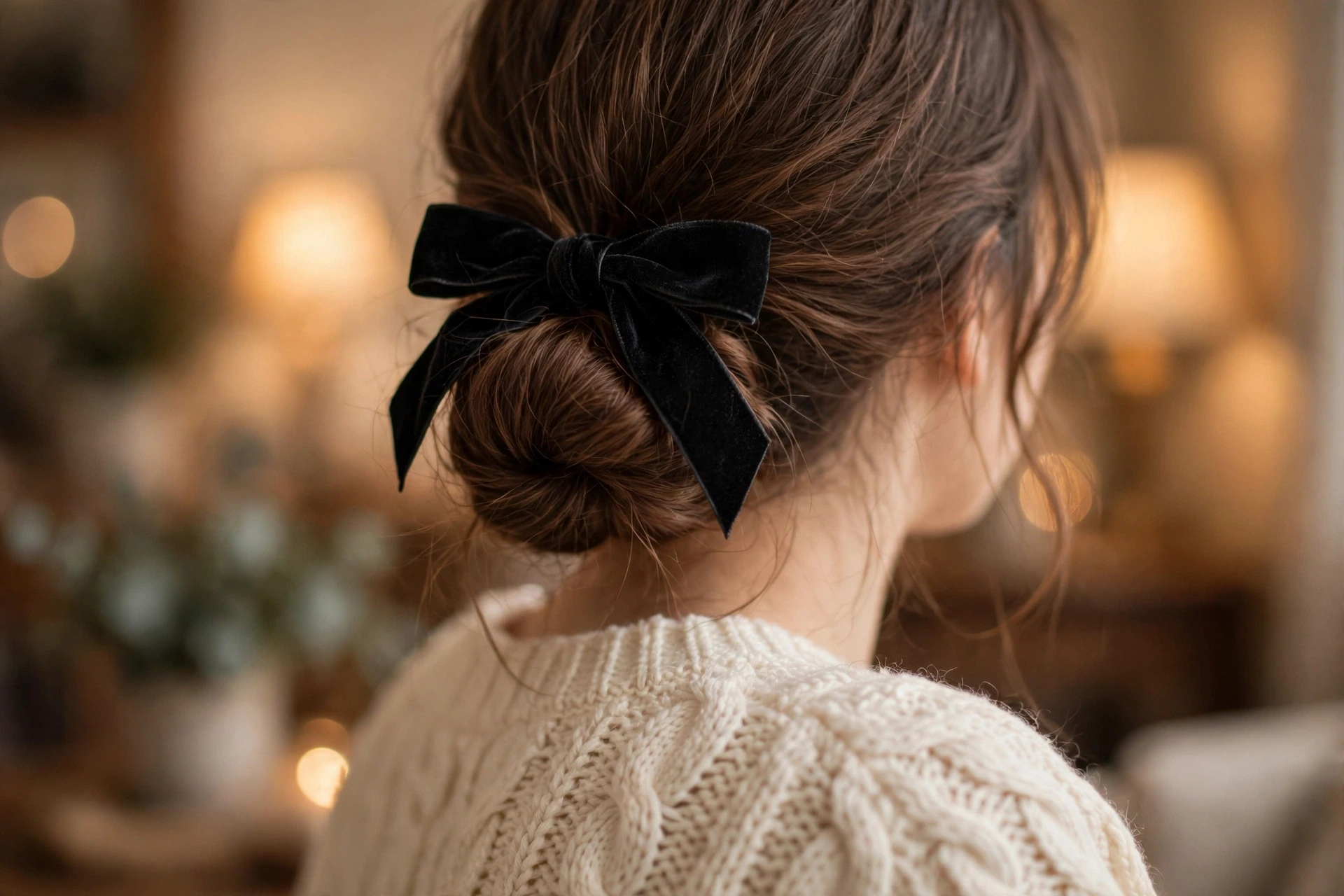
The Ribbon Bun
Ribbons and bows were one of the defining accessory trends of the last two years, and they have carried straight into 2026 updos.
Tying a silk or velvet ribbon around the base of a low bun costs almost nothing and instantly makes the style look styled rather than practical. Black velvet reads formal, cream silk reads bridal, and a thin satin ribbon in a colour pulled from your outfit reads considered.
The Half-Up Bun
Gathering only the top section into a small knot while the rest stays loose gives you structure at the crown and movement everywhere else.
Gentler on the scalp than a full updo, since only part of the hair carries tension. It suits people growing out layers, and it works on second-day hair without any of the smoothing a full bun demands.
Final Thoughts
Elegant bun hairstyles endure because they solve a problem every other style eventually fails at. They look composed on a day you have no time, they suit almost every occasion from a Zoom call to a black-tie wedding, and they photograph well from angles that leave loose hair looking flat. The 2026 versions lean softer than the rigid updos of a decade ago, but the underlying craft has not changed.
Start with the one that matches your hair type rather than the one that looks most impressive in a photo. Prep properly, because that step decides more than any amount of pinning skill. Learn the X-pin technique, keep a small hairspray in your bag, and rotate your bun placement so your hairline stays healthy.
Try one this week and see which shape genuinely suits your face. Save the styles that caught your eye, and take them to your stylist next time you want something for an occasion.
FAQs
What is the difference between a bun and a chignon?
A bun is any coiled knot of hair. A chignon specifically refers to a knot worn low at the nape, taking its name from the French phrase meaning “at the nape.” All chignons are buns, but a top knot or ballerina bun sitting high on the crown is not a chignon.
Why does my bun keep falling out?
Usually the prep, not the pinning. Freshly washed hair is too smooth to grip itself, so add dry texture spray or grit pomade at the roots first. Also cross your bobby pins in an X pattern and make sure each pin catches hair underneath the bun.
Which bun suits a round face?
Low nape buns and side chignons work best, since they add visual length below the jawline rather than width beside it. A slight bouffant at the crown helps too. Very tight, high buns tend to emphasise roundness by pulling everything flat against the head.
Can short hair be styled into an elegant bun?
Yes, down to roughly shoulder length or a long bob. Secure a small ponytail first, twist tightly, then pin the ends inward for a compact knot. A grit pomade helps short pieces stay put, and leaving a few face-framing strands out stops it looking unfinished.